Why More People Explore Thailand for Dental Implant Services
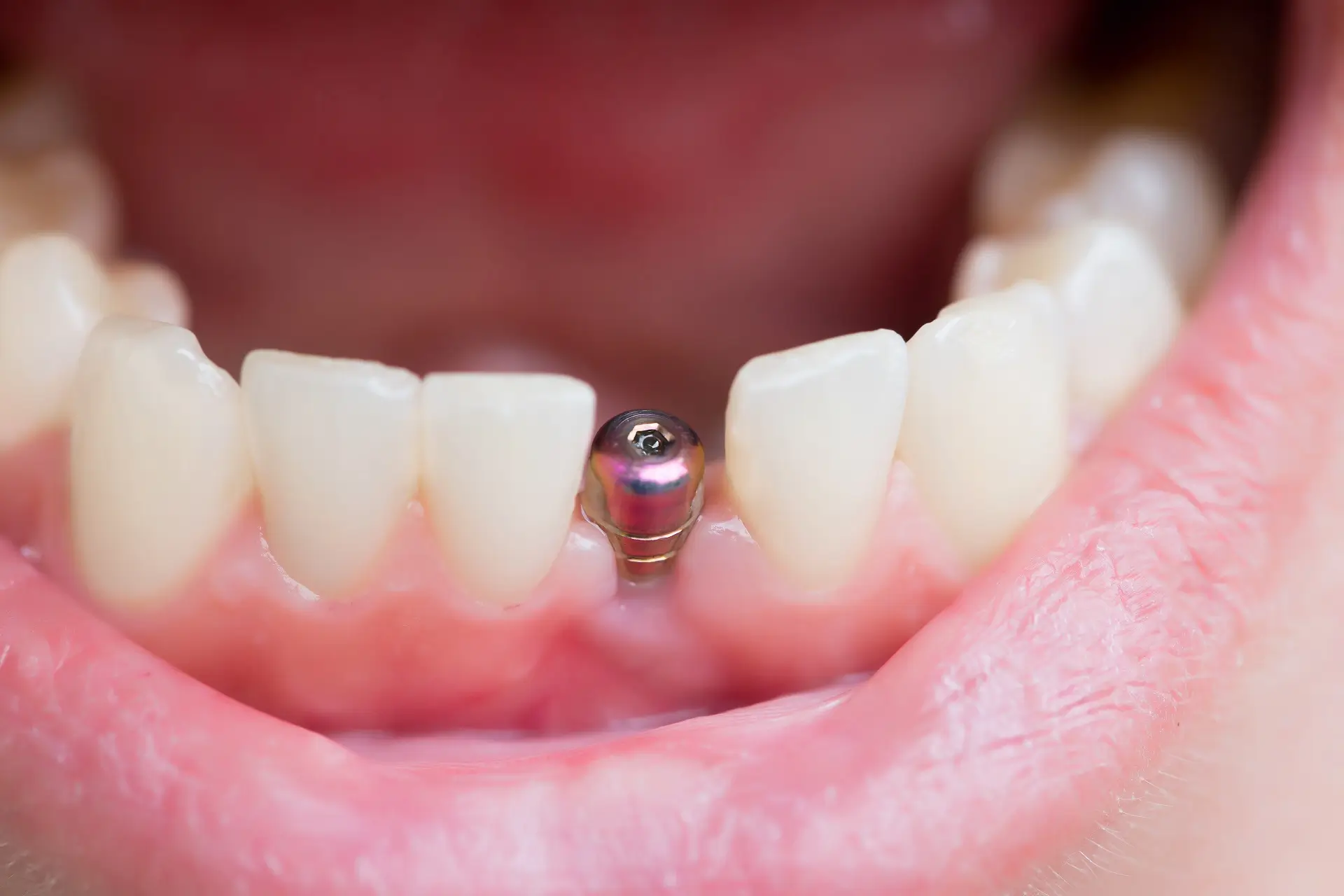
Why More People Explore Thailand for Dental Implant Services
If you’ve been comparing options for dental implants, it’s easy to see why Thailand keeps popping up on people’s shortlists. Thailand has evolved from a “dental tourism” buzzword into a reliable, well-organized hub where international patients can access modern implant dentistry at fair prices—without feeling like they’re cutting corners. Add in the friendly “mai pen rai” attitude and a chance to recover somewhere sabai-sabai, and you’ve got a compelling reason to book a flight to Bangkok, Phuket, or Chiang Mai.
Value for money without cutting quality
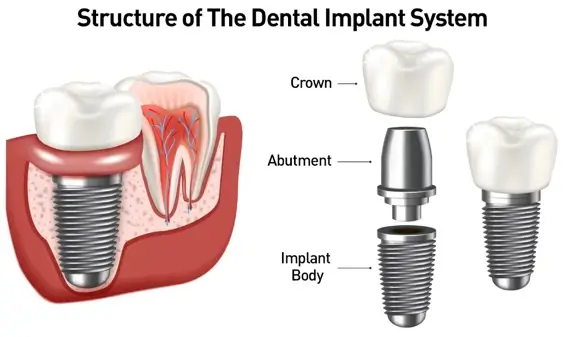
The most common reason people check out dental implants in Thailand is cost. For many patients from the US, UK, Australia, or the Middle East, total treatment fees can be 40–70% lower than at home. This isn’t because standards are lower. The savings often come from lower overheads, a favorable exchange rate, and the sheer volume of cases Thai clinics handle. Clinics typically offer clear package pricing, including consultation, 3D imaging, implant placement, abutment, crown, and standard follow-ups. No hidden surprises is a big part of why patients say “no worries” after comparing quotes.
Trained experts and trusted technology
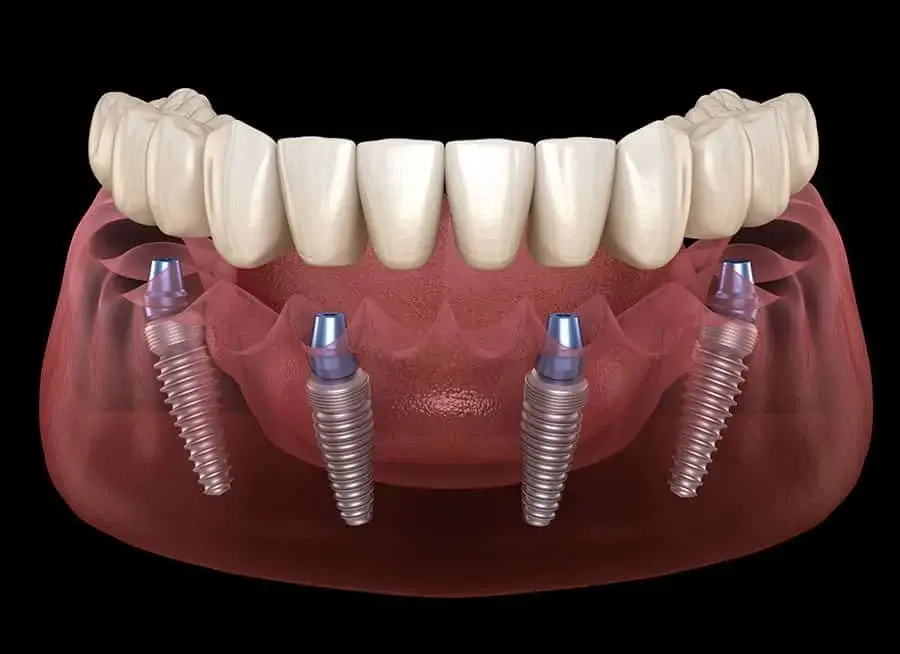
Quality matters when you’re placing a titanium screw in your jaw. Many Thai dentists are trained in implantology courses abroad and keep up with continuing education. Clinics commonly use 3D CBCT scans, digital impressions, and computer-guided surgery to position implants precisely. Reputable centers work with global implant systems like Straumann or Nobel Biocare, and they follow strict sterilization protocols. Some facilities sit within internationally accredited hospitals (think JCI or ISO standards), and others hold local certifications that align with global best practice. In short: it’s not “same same but different”—it’s the real deal.
A process designed for international patients
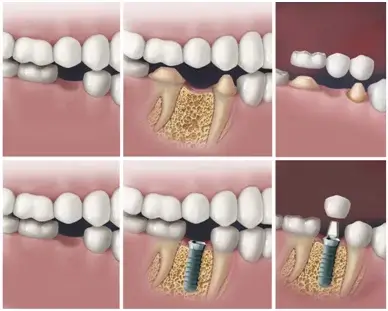
Another reason Thailand is popular is how efficiently clinics manage time. Coordinators are used to serving “farang” patients and can arrange virtual consults before you travel. You send recent scans or get a new CBCT on arrival, and the dentist maps out your case. For a straightforward single implant, many patients need two trips: one for placement, then a second trip a few months later for the crown after the implant has integrated with the bone. Some cases qualify for immediate loading, but responsible dentists won’t push it if your bone condition isn’t ideal.
Typical timelines look like this:
- First trip: 3–7 days for consultation, imaging, surgery, and initial healing check.
- Healing phase: usually 3–6 months, longer if bone grafting or sinus lift is needed.
- Second trip: 4–7 days for impressions, abutment, and final crown.
Smooth service and clear communication
English-speaking staff is the norm in Thailand’s leading dental clinics, and many have dedicated patient coordinators to help with scheduling, transport, and hotel suggestions. Dentists take time to explain your X-rays and plans using simple language, not jargon. Pain management and anesthesia options—from local anesthesia to IV sedation—are discussed openly. The service culture is patient, gentle, and respectful; people often describe visits as surprisingly calm. That sabai-sabai feeling helps, especially if
you’re a little anxious.
Travel convenience and easy recovery
Thailand is easy to reach, with direct flights from major cities and visa waivers or visas-on-arrival for many nationalities. Bangkok offers well-connected clinics close to BTS and MRT stations, making transport easy even if you’re not familiar with the city. If you prefer beaches or mountains, Phuket and Chiang Mai have modern clinics and a slower pace for recovery. After surgery, you’ll be advised to avoid spicy or crunchy foods for a bit; Thailand’s soft soups, congee, and smoothies make sticking to a gentle diet surprisingly tasty.
Realistic expectations and safety first
Implant success rates are high worldwide—often quoted around 95% for single implants over five years—but they depend on your oral health, bone quality, and habits like smoking. Thai dentists will assess gum health, decay risks, bite forces, and whether you need bone grafts. Responsible clinics won’t rush complex cases or promise “teeth in a day” when your biology calls for healing time. If you have diabetes, are a heavy smoker, or grind your teeth, expect extra planning to protect your long-term outcome.
What to check before you book
Do your homework like you would at home. A few smart steps go a long way:
- Verify the dentist’s qualifications and experience with implants, not just general dentistry.
- Ask which implant systems they use and whether components are easily serviced in your home country.
- Request a full treatment plan with CBCT-based assessment, itemized costs, and timelines.
- Clarify how many trips you’ll need and what’s included in “package” pricing.
- Ask about warranty policies for the implant and crown.
- Confirm sterilization standards and whether the clinic is part of an accredited hospital or holds relevant certifications.
- Plan for maintenance: who will do your cleanings and check-ups once you’re back home?
It’s also wise to coordinate with a local dentist at home for long-term care. Implants require regular hygiene visits, and small adjustments later are normal. A good Thai clinic can share records with your home dentist so everyone’s on the same page.
Beyond dentistry: the Thailand experience
Part of the appeal is how easy Thailand makes the whole journey. The culture is warm, everything from pharmacies to 24-hour convenience stores is nearby, and logistic details are handled with a “can-do” mindset. Need soft foods delivered? Want a quiet hotel on a soi near your clinic? Staff will kindly help arrange it. Recovery doesn’t have to feel clinical; a few gentle days by the river in Bangkok or a shaded terrace in Chiang Mai can make the healing period feel like part of your holiday, not a chore.
The bottom line
Thailand’s rise as a destination for dental implants isn’t hype; it’s the result of a strong value-quality balance, experienced clinicians, modern technology, and patient-centered service. When you combine transparent pricing with efficient scheduling and an easy travel experience, it’s clear why more people are exploring Thailand for dental implant services. Take your time to compare clinics, ask the right questions, and plan your timeline properly. Do that, and you can come home with a confident smile—and a good story about how stress-free the journey really was.