Why Thailand Dental Implants Can Be a Great Option for Dental Travelers
Why Thailand Dental Implants Can Be a Great Option for Dental Travelers
Sawasdee and welcome to the Land of Smiles—where world-class dentistry meets warm hospitality, sabai-sabai vibes, and serious value for money. If you’ve been considering dental implants but feel put off by high prices or long wait times at home, Thailand might be a very smart move. Here’s a clear, down-to-earth look at why Thailand dental implants can be a great option for dental travelers, plus what to expect before you book.
Quality that matches global standards
Thailand’s top dental clinics aren’t just “good for the price”—many match or exceed Western standards. Dentists commonly train in the US, UK, Australia, or Japan and hold memberships in international implantology associations. You’ll see modern tech like CBCT 3D scans, digital planning software, guided surgery, and strict sterilization protocols. Materials are typically from trusted global brands (think Straumann, Nobel Biocare, Zimmer), which means components are compatible if you ever need maintenance back home.
You’ll also find clinics in Bangkok, Phuket, and Chiang Mai that operate inside medical hubs or next to JCI-accredited hospitals, so if you prefer sedation or have medical conditions, a multi-disciplinary team is close by. The overall feel is professional yet friendly—staff are used to international patients, speak English comfortably, and handle things mai pen rai (no worries).
Real value for money
Let’s talk numbers, because cost is a big driver of dental travel. Prices vary by case complexity and clinic reputation, but here’s a ballpark in Thai baht (THB), plus rough USD equivalents:
- Single implant fixture: 45,000–80,000 THB (approx. $1,250–$2,250)
- Implant crown (porcelain/zirconia): 18,000–35,000 THB (approx. $500–$1,000)
- All-on-4 or full-arch solutions: 280,000–450,000 THB per arch (approx. $7,800–$12,500)
Even after flights and hotels, most patients still come out ahead—especially if you’re combining multiple implants or a full-arch restoration. Many clinics offer transparent treatment plans and installment options, so you know the full cost before you start. No hidden extras is a common selling point.
A smooth, patient-friendly journey
Dental tourism in Thailand is well-oiled. Many clinics have international coordinators who help you with pre-visit consults, airport-hotel transfers, and appointment scheduling. Locations are convenient—Sukhumvit, Silom, Thonglor, and near BTS/MRT stations—so it’s easy to get around. If you’re in Phuket or Chiang Mai, you’ll find clinics near major hotels and shopping areas on well-known sois.
Typical implant timeline
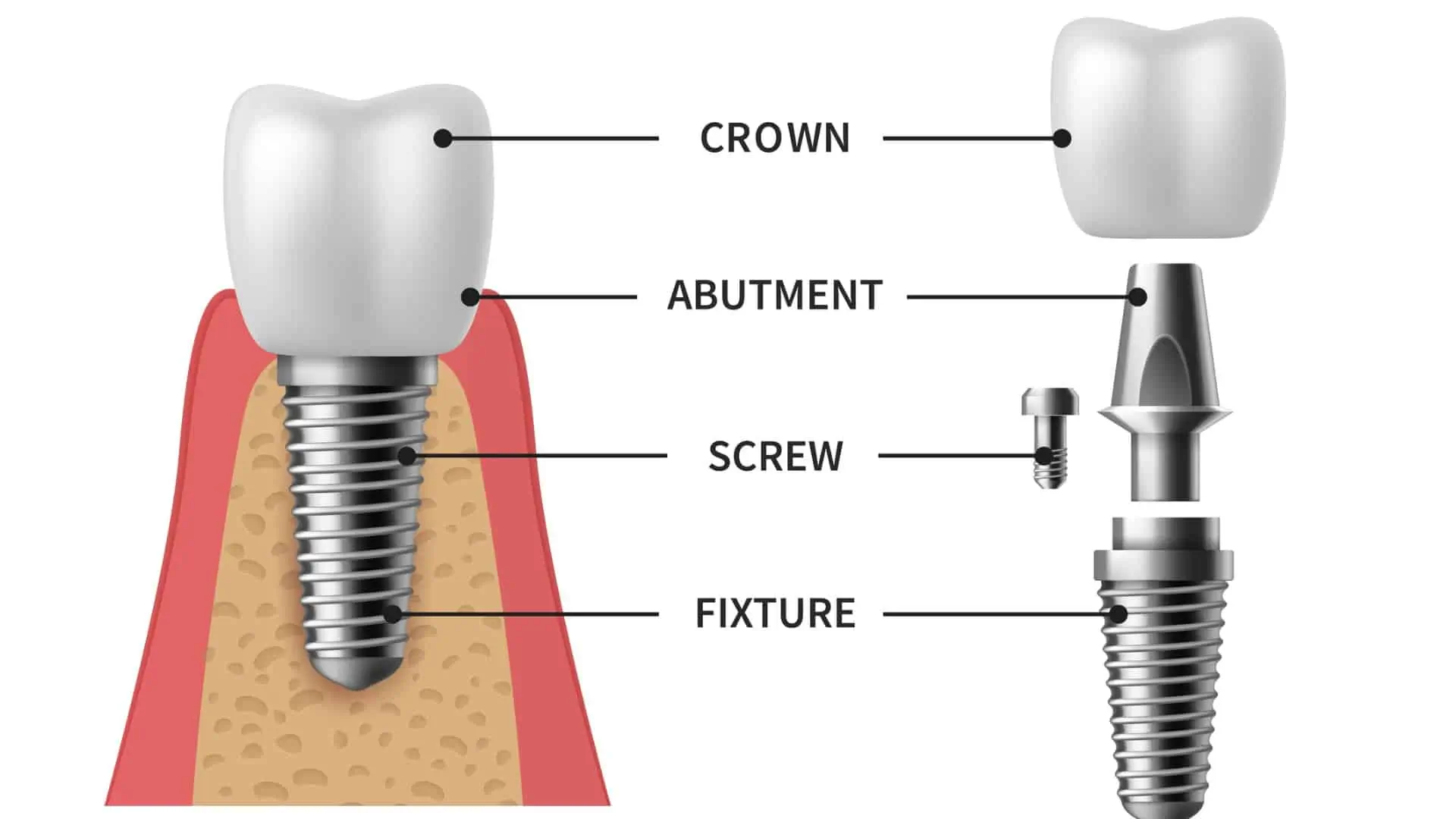
- Trip 1: Consultation, 3D scans, placement of the implant (fixture). If you need bone graft or sinus lift, it’s done here. You’ll usually stay 5–10 days to allow follow-up checks.
- Healing: 3–6 months for osseointegration (the implant bonding to bone). Some cases qualify for immediate or early loading, but your dentist will advise what’s safe.
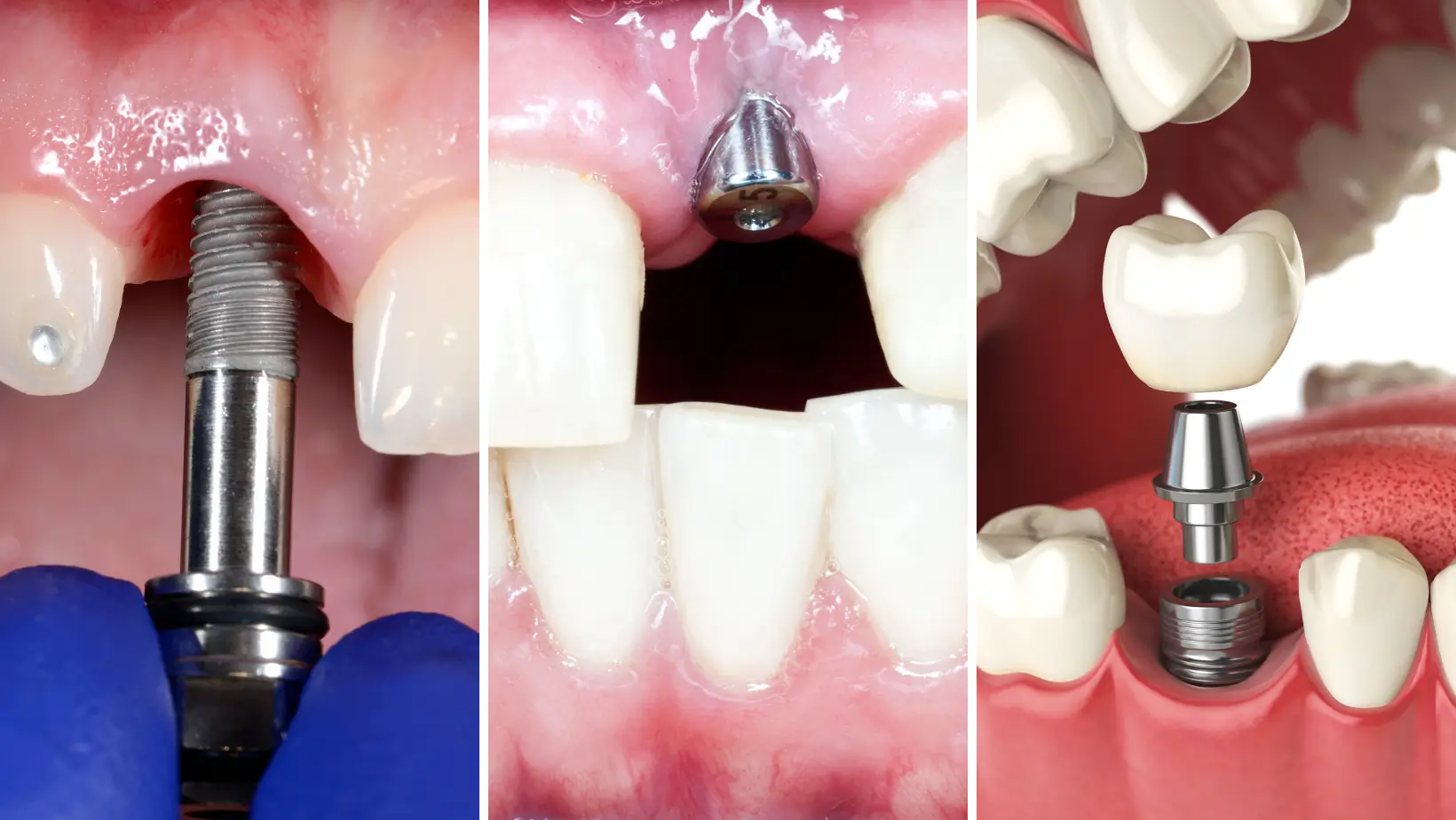
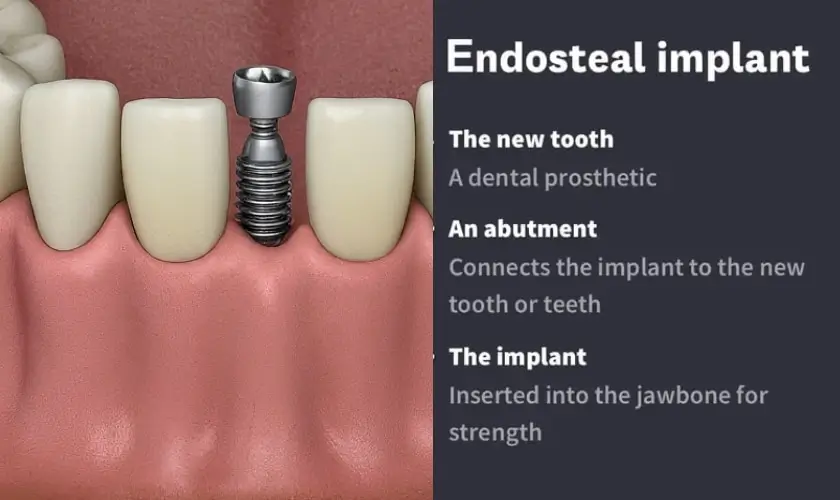
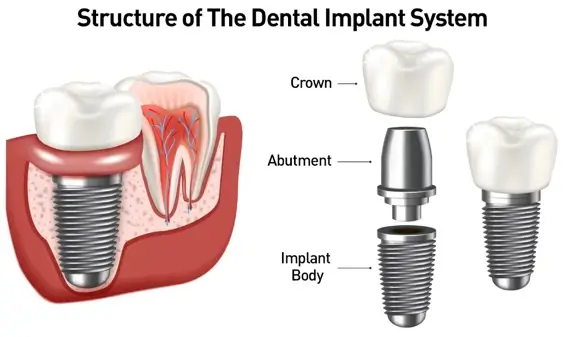
- Trip 2: Uncovering, abutment, and crown placement. Plan 5–7 days for fittings and bite adjustments.
If you’re going for a full-arch All-on-4, some clinics offer immediate provisional teeth within
a few days, followed by a final prosthesis after healing. Expect a clear, step-by-step plan before you commit.
Choosing the right clinic
A little homework goes a long way. Before booking:
- Check dentist credentials (postgraduate implant training, memberships, years of experience).
- Ask which implant systems they use and confirm global warranty support.
- Request a preliminary treatment outline from your X-rays/CBCT if possible.
- Review sterilization protocols and onsite tech (CBCT, CAD/CAM, guided surgery).
- Read verified patient reviews with before-and-after photos.
- Understand the warranty/maintenance policy, especially if you live abroad.
A reputable clinic will be happy to answer your questions and will not push you into unnecessary procedures.
Comfort, food, and recovery—sabai-sabai style
Right after implant surgery, most people feel mild to moderate soreness and swelling for a few days. Thailand makes recovery easier:
- Accommodation: Plenty of quiet, comfortable hotels and service apartments near clinics.
- Food: Soft, tasty options are everywhere—jok (rice porridge), khao tom (rice soup), steamed fish, tofu, smoothies, and fresh fruit. Go easy on super-spicy dishes and very hot drinks in the first week.
- Pace: Take it sabai-sabai—avoid heavy exercise and swimming while stitches are in, keep the mouth clean as advised, and follow medication and mouthwash instructions strictly.
Travel timing and practical tips
- Season: High season (Nov–Feb) offers pleasant weather but is busier; shoulder seasons are quieter and often cheaper. Book early around major holidays.
- Visas: Many nationalities enjoy visa-free entry for short stays, but always check the latest policy before booking.
- Insurance: Consider travel insurance that covers medical complications; confirm what’s included.
- Payments: Most clinics accept credit cards and quote prices in baht. Clarify what’s included (extractions, bone grafts, scans, provisional teeth).
- Follow-up: Get a written report with implant brand, batch/lot numbers, and radiographs for your records and future care at home.
When Thailand may not be the best fit
Thailand is a smart choice for many, but not all, cases. If you have complex medical conditions needing prolonged observation, severe bone loss requiring staged grafting over many months, or if you can’t return for the second stage, speak frankly with the dentist. Safety first—your clinician should tailor a plan that matches your health and travel constraints.
Why patients say “chai mai?” to Thailand
- World-class expertise with modern tech
- Transparent pricing and genuine value for money
- Friendly, English-speaking teams in convenient locations
- A destination that turns a medical trip into something a bit sanuk
Final thought
Thailand blends clinical quality, cost savings, and a stress-free experience in a way few places can. With proper research, a clear treatment plan, and realistic expectations about healing time, dental implants in Thailand can be a confident, comfortable choice—one that leaves you smiling long after you’ve flown home. Mai pen rai, you’re in good hands.