Why Choose Thailand for Affordable Dental Implants and Dental Tourism Experiences
Why Choose Thailand for Affordable Dental Implants and Dental Tourism Experiences
Thinking about dental implants and a short getaway at the same time? Thailand makes that idea feel effortless. The country blends modern dental care with friendly “sabai sabai” vibes (relaxed, no rush), straightforward pricing, and world-class hospitality. Whether you pick Bangkok, Phuket, Chiang Mai, or Pattaya, you’ll find experienced implant dentists, English-speaking staff, and clinics that understand what international patients need.
Value without cutting corners
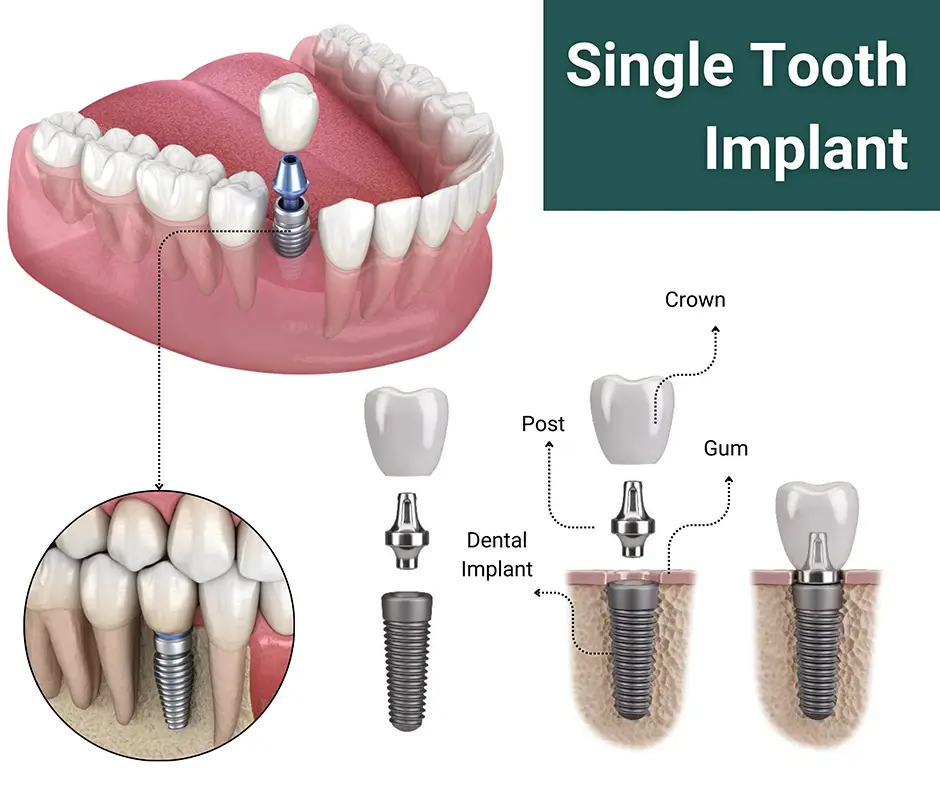
The biggest draw is value. A single implant with abutment and crown in Thailand typically costs 50–70% less than in the US, Australia, or Western Europe, depending on the case and brand used. You’ll often see transparent package quotes that include X‑rays or CBCT scans, surgical fees, and follow‑up visits. That “same same but different” feeling many travelers talk about applies here: different price, same quality standards.
Savings come from lower overheads, not from cheaper materials or shortcuts. Reputable clinics use premium brands like Straumann, Nobel Biocare, or Neodent, adhere to strict sterilization protocols, and work in ISO‑certified settings or JCI‑accredited hospitals. Many dentists trained overseas or completed implantology residencies and fellowships, and they keep up with continuing education.
Up-to-date tech and techniques
Modern Thai dental centers are well stocked with technology that makes implant treatment precise and comfortable:
- CBCT 3D imaging for accurate bone assessment
- Digital smile design and intraoral scanners
- Computer‑guided implant surgery
- Piezoelectric or minimally invasive techniques to protect soft tissue and bone
- Conscious sedation or IV sedation options when suitable
This tech helps shorten chair time, improve placement accuracy, and reduce post‑op discomfort. It also allows for options like immediate placement or same‑day teeth in carefully selected cases.
English-friendly care and “mai pen rai” service
If you have worries about communication, no need—most city clinics have coordinators who speak good English and sometimes other languages. Clinics are used to arranging airport pickups, hotel recommendations near the practice, and appointment blocks that fit travel plans. You’ll feel the “mai pen rai” (no worries) attitude in how staff explain procedures and guide aftercare, step by step.
How a Thailand dental implant journey usually works
1. Online consultation and planning
You can share dental X‑rays, medical history, and photos before you fly. The clinic proposes a preliminary plan and cost estimate, so no surprises when you arrive.
2. In‑clinic assessment
On day one, expect a CBCT scan and a detailed exam. If bone volume is sufficient, surgery can sometimes happen the same day or the next. If you need grafting or sinus lifts, your dentist will explain timelines.
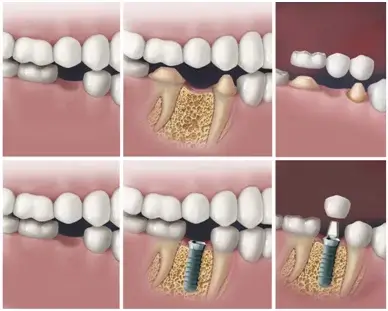
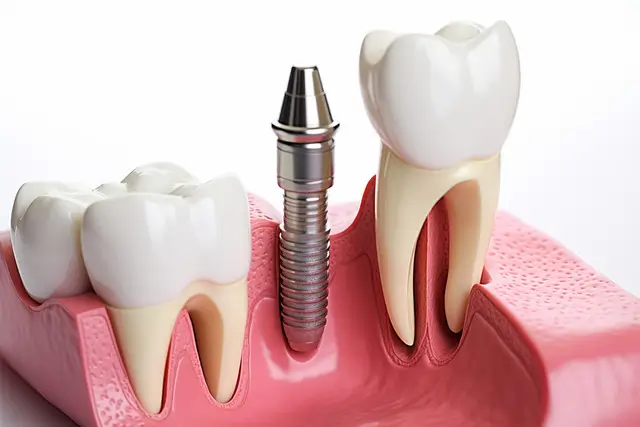
3. Implant placement
Placement takes about 1–2 hours for a single implant. Many patients return to their hotel the same day. Mild swelling or tenderness for a few days is normal and manageable with prescribed medication. Most travelers plan 3–5 easy days in town for checks and rest—sabai sabai recovery.
4. Healing phase
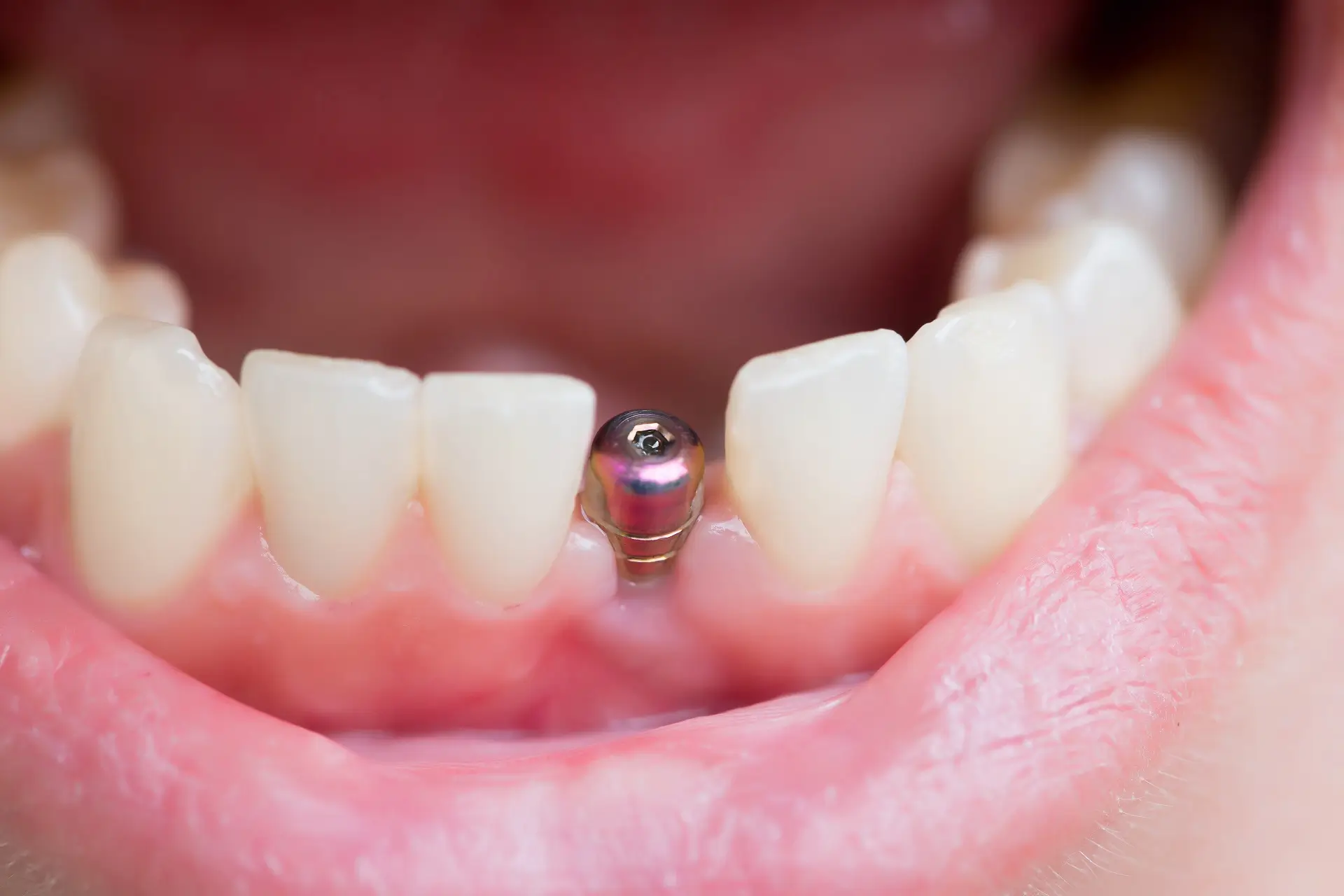
Osseointegration takes about 3–6 months, depending on bone quality and the procedure. You’ll wear a temporary solution if needed. Some cases allow immediate provisional crowns, but your dentist will advise if that’s appropriate.
5. Second visit for crown
Once healed, you return for impressions (often digital) and final prosthetic work. This stage can be finished within a few days to a week, depending on lab timing.
Combining care w
ith a comfortable stay
- Travel timing: Many visitors come during the cooler, drier months (Nov–Feb), but clinics operate year‑round. Check public holidays for scheduling.
- Activities after surgery: Keep it gentle the first 48–72 hours—spa foot massages, temple visits, river cruises, café hopping. Avoid high‑intensity workouts, diving, or alcohol until your dentist clears you.
- Soft, tasty Thai food: Thailand is great for post‑op menus—jok (rice porridge), khao tom (soft rice soup), smooth curries, tofu, steamed fish, tropical smoothies, and mango sticky rice without nuts. Easy on the chili at first.
Where to go
- Bangkok: The capital has the widest choice of implant specialists, advanced imaging centers, and labs for fast turnaround.
- Phuket and Pattaya: Popular with beachgoers who want a relaxed recovery by the sea, often with clinics close to resorts.
- Chiang Mai: A calmer city with reputable dental centers and a slower pace, good for recovery.
Safety and standards you can verify
Look for clinics with:
- Board‑certified dentists, postgraduate implant training, and clear case galleries
- Recognized implant systems and transparent warranty policies
- In‑house CBCT and digital workflows
- Written consent forms, clear risk explanations, and itemized quotes
- Strict infection control (ask about sterilization logs, ISO or hospital affiliations)
- Strong patient reviews that mention implants specifically, not just general cleanings
Useful tips for a smooth trip
- Visas and flights: Many nationalities get visa‑free entry for 30–60 days. There are direct flights to Bangkok from major hubs in Asia, the Middle East, Europe, and Australia.
- Plan two visits: One for placement, one for the crown. If you can only travel once, ask whether immediate loading or a local lab handover is realistic for your case.
- Coordinate with your home dentist: Arrange routine hygiene and checkups back home, and keep your records for continuity of care.
- Budget realistically: Include flights, accommodation, medications, and any potential grafting. Even with add‑ons, total costs are usually far below Western prices.
- Insurance and payments: Dental tourism is often self‑pay. Confirm accepted payment methods and any VAT or extra fees.
- Aftercare: Follow instructions, keep the surgical site clean, and attend all checkups. If an issue arises after you fly home, message the clinic promptly and see your local dentist.
Who benefits most from Thailand dental implants
- Patients with one or several missing teeth who want quality implants without paying premium prices
- People already planning a trip to Southeast Asia who can set aside a few days for treatment
- Those who appreciate clear communication, gentle care, and efficient scheduling
What about risks?
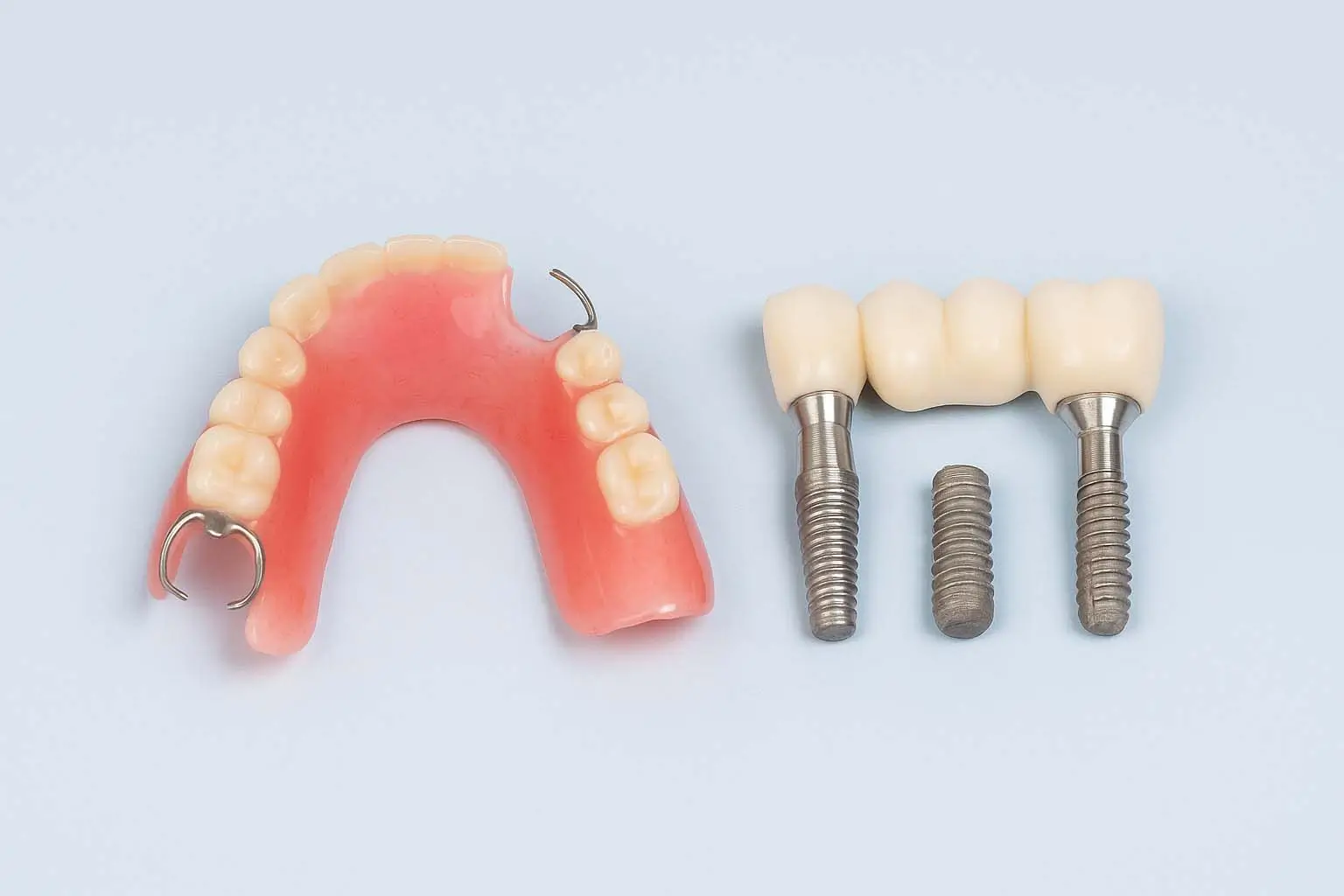
All surgeries carry risks—implant failure, infection, or complications are possible anywhere. Thailand’s top clinics manage risk through careful planning, sterile protocols, and evidence‑based techniques. Your dentist should explain success rates, alternatives (bridges, dentures), and how complications are addressed. Choose a provider who gives realistic expectations, not marketing hype.
The bottom line
Thailand offers affordable dental implants without compromising on quality, backed by skilled clinicians, modern tech, and a service mindset that makes treatment feel easy. Add in convenient travel, warm hospitality, and the chance to recover in comfort, and it’s clear why dental tourism in Thailand keeps growing. If a brighter, stronger smile is on your mind, Thailand is a very safe bet—no worries.