Thailand Dental Implants as a Cost Effective Dental Tourism Solution
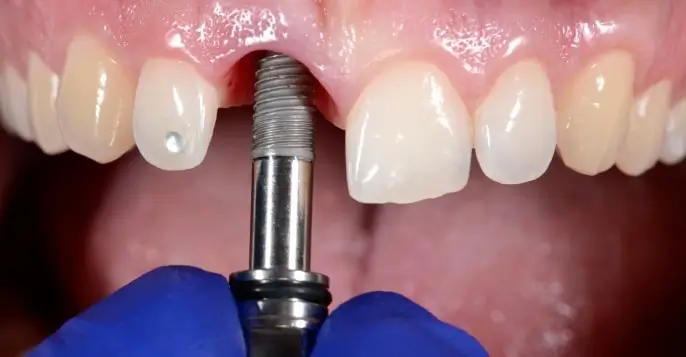
Thailand Dental Implants as a Cost Effective Dental Tourism Solution
If you’ve been comparing prices for dental implants and feeling the pinch, Thailand is a very “value for money” option without compromising on quality. For years, the Land of Smiles has been a trusted hub for dental tourism, blending skilled implant dentists, modern clinics, and friendly “service mind” with affordable pricing. Add a warm sawasdee and a comfortable, sabai-sabai recovery environment, and it’s easy to see why more international patients are flying to Bangkok, Phuket, and Chiang Mai for implants.
Why Thailand is cost effective without cutting corners
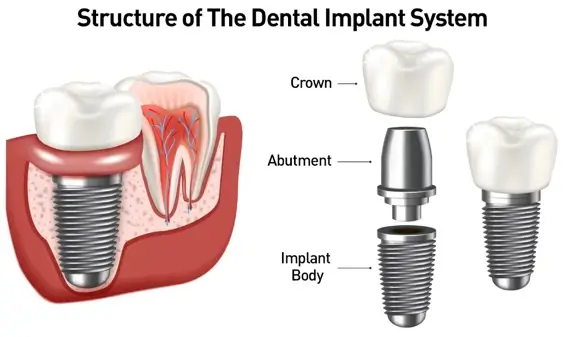
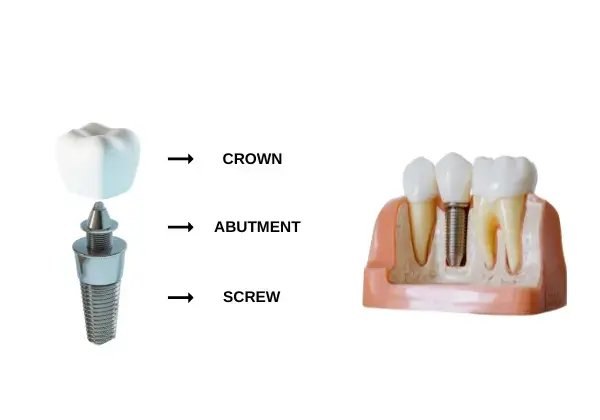
Dental implant costs vary globally, but the gap between Western prices and Thai prices is often sizable. In the US, UK, or Australia, a single implant with abutment and crown can run USD 3,000–6,000 or more. In Thailand, many clinics offer the same package starting around THB 40,000–80,000 (roughly USD 1,100–2,200), depending on brand, materials, and case complexity. All-on-4 or full-arch solutions that can cost USD 20,000–30,000 per arch elsewhere may be quoted in Thailand for roughly THB 300,000–600,000 (USD 8,500–17,000). Prices are not “one size fits all,” but even after flights and hotels, many find the total still comes out ahead.
The savings come from lower operating costs in Thailand, not from cutting quality. Reputable clinics use globally recognized implant systems (e.g., Nobel Biocare, Straumann, Astra Tech), 3D CBCT imaging, guided surgery, and strict sterilization protocols. Many dentists are board-certified prosthodontists or periodontists, often with training or fellowships abroad. You’ll see clinics that are ISO-certified or even part of larger hospital groups with international accreditation.
What the implant process looks like in Thailand
The journey is surprisingly straightforward and “no worries” when planned well:
- Pre-trip consultation: Most clinics do free online assessments. You send recent X-rays or a short dental history, and the clinic proposes a preliminary plan and estimate. Final treatment can only be confirmed after a clinical exam and CBCT scan in Thailand.
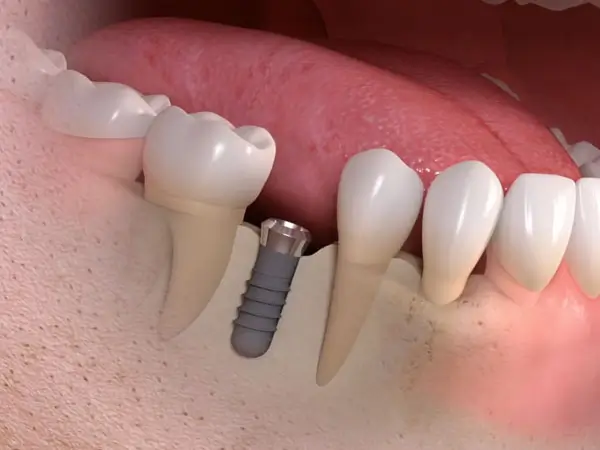
- First visit (typically 5–10 days): After your in-person consultation and scan, the dentist places the implant(s). If bone is thin, you may need grafting or sinus lift. Swelling and mild discomfort usually settle within a few days. Many clinics fit a temporary tooth for front areas so you’re confident to go out for a pad thai photo, but best to skip very spicy som tam for a week.
- Healing phase (3–6 months): Osseointegration takes time. Some cases qualify for immediate load or All-on-4 with a provisional bridge on day one, but that depends on bone quality and stability. Your dentist will advise. During this period, keep things sabai-sabai—no smoking, good hygiene, and follow-up by email or video if needed.
- Second visit (about 5–7 days): Abutment installation and impressions for the final crown or bridge. Digital workflows can speed this up. You’ll return for fitting and adjustments, then enjoy your new smile.
How to choose the right Thai clinic
Thailand has many excellent clinics, but do a proper check to avoid surprises. You want “same same but different” in the best way—international standards with Thai hospitality.
- Verify credentials: Look for specialists (prosthodontist, periodontist, oral surgeon), years of experience, and case galleries with before-and-after photos.
- Confirm technology: CBCT imaging
, digital scanning, and guided surgery contribute to precision and predictable outcomes.
- Ask about implant brands: Well-known systems ensure parts availability worldwide and support long-term maintenance.
- Understand inclusions: Request a written plan that details fees for consultation, CBCT, implant, abutment, crown, temporary tooth, sedation, medications, grafts, and follow-ups.
- Warranties and follow-up: Many clinics offer 1–5 year warranties on implant components and work. Ask how they handle issues after you fly home.
- Patient reviews: Independent reviews and testimonials help verify service quality and communication.
Useful questions to ask before you book
- What is the total cost for implant + abutment + crown?
- Which implant brand and materials will be used (e.g., titanium, zirconia crown)?
- Do I need bone graft or sinus lift, and how much extra?
- How many visits are required, and what is the ideal timing between them?
- What is the clinic’s success rate for implants in the last 12–24 months?
- Is sedation available if I’m nervous?
- Do you provide all records (CBCT, surgical notes, implant passport) for my dentist back home?
- What is included in the warranty and what voids it?
Setting a realistic budget and timeline
Apart from the quoted dental fee, factor in:
- CBCT and diagnostics if not included
- Medications and post-op care products
- Possible grafting or membrane fees
- Travel, hotels, and travel insurance
- A contingency fund in case your case is more complex than expected
Most patients plan 7–10 days for the first trip and 5–7 days for the second. If you opt for immediate-load solutions, the first stay may be slightly longer for try-ins and adjustments.
Quality of care and safety standards
Top Thai clinics follow rigorous sterilization and aseptic protocols. Many have international patient coordinators who speak excellent English and can provide estimates, appointment reminders, and even airport transfer details. Expect a smooth, organized process with polite, friendly staff greeting you with a warm “ka/krub.” If you’re worried about pain, modern anesthesia and gentle surgical techniques make it surprisingly comfortable, with most people back to light holiday activities in a couple of days—though give the pool and beach a short break right after surgery.
Aftercare and long-term success
Implant success relies on good home care and professional maintenance. Your Thai dentist will give clear instructions, including:
- Soft diet and saltwater rinses early on
- Meticulous brushing and interdental cleaning once the area heals
- Regular check-ups every 6–12 months
- Avoiding smoking to protect implant health
Ask for complete records (X-rays, implant details, lab reports), so your local dentist can support you long-term. Good clinics are happy to coordinate with your home dentist for continuity of care.
The bottom line
Thailand offers a compelling balance: high-standard implant dentistry, modern technology, experienced specialists, and prices that are truly value for money. Plan your timeline carefully, choose a clinic that’s transparent and well-credentialed, and you’ll find the process “mai pen rai”—smooth, comfortable, and cost effective. Whether you need a single implant or a full-arch restoration, Thailand’s dental tourism scene makes it possible to restore your smile and still enjoy a relaxing holiday, all without breaking the bank.