Thailand Dental Implant Advantages for a Better Dental Travel Experience
Thailand Dental Implant Advantages for a Better Dental Travel Experience
Thinking about getting dental implants while enjoying a holiday? Thailand ticks all the right boxes. With experienced dentists, modern technology, international-standard clinics, and costs that are easier on the wallet, many travelers find Thailand the ideal place to fix their smile and unwind at the same time. Add a “mai pen rai” (no worries) attitude and warm hospitality, and your dental travel can feel sabai sabai—comfortable, relaxed, and smooth from start to finish.
Quality Meets Value You Can Trust
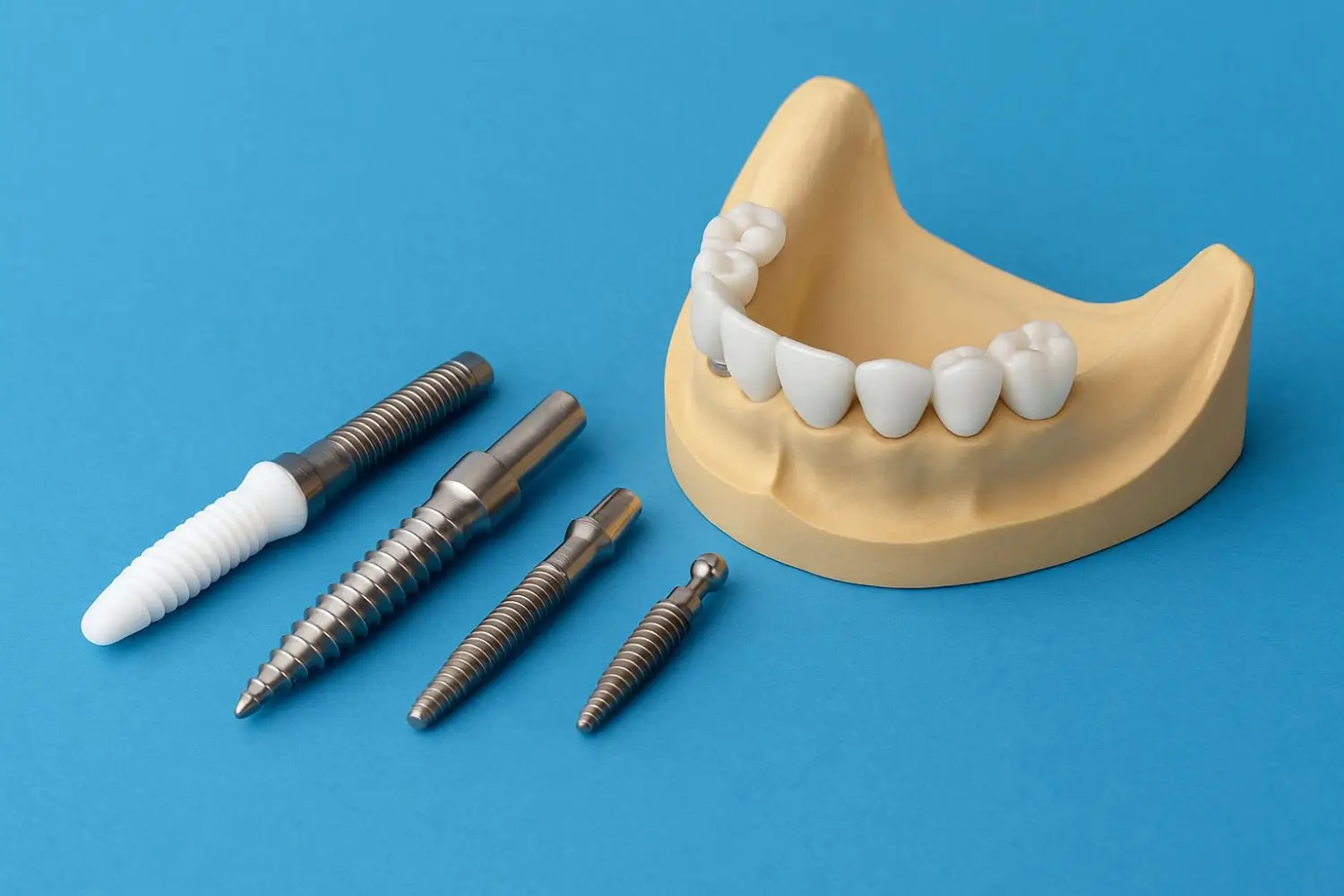
Thailand’s biggest draw is the balance of high clinical quality and sensible pricing. Many implant dentists in Bangkok, Phuket, Chiang Mai, and Pattaya trained overseas (UK, USA, Australia, or Japan) or completed fellowships in implantology. Clinics commonly use globally recognized implant systems like Straumann, Nobel Biocare, and Astra Tech, paired with digital workflows that boost precision.
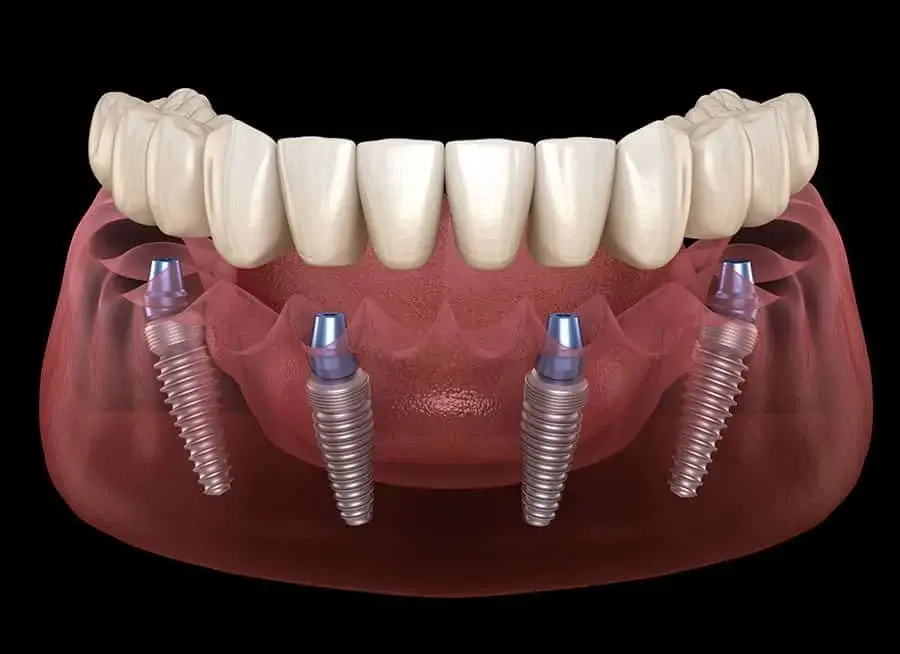
Costs are typically lower than in Western countries, without cutting corners. While prices vary by clinic, implant system, and your case, a single implant including abutment and crown often starts around 50,000–90,000 THB (approximately USD 1,400–2,600). Full-arch solutions such as All-on-4 or All-on-6 can be significantly more affordable than back home. Reputable clinics offer transparent quotations, so you know exactly what’s included.
Advanced Tech for Safer, Faster Care
Modern Thai dental centers commonly offer:
- 3D CBCT scans for precise bone assessment
- Computer-guided surgery for minimally invasive placement
- CAD/CAM milling for custom abutments and zirconia crowns
- Digital impressions for better fit and fewer gaggy moments
- In-house dental labs to speed up turnaround
This tech-forward approach can mean shorter chair time, quicker healing, and results that look and feel very natural.
Smooth Process, Clear Timeline
A straightforward implant journey in Thailand typically involves two trips:
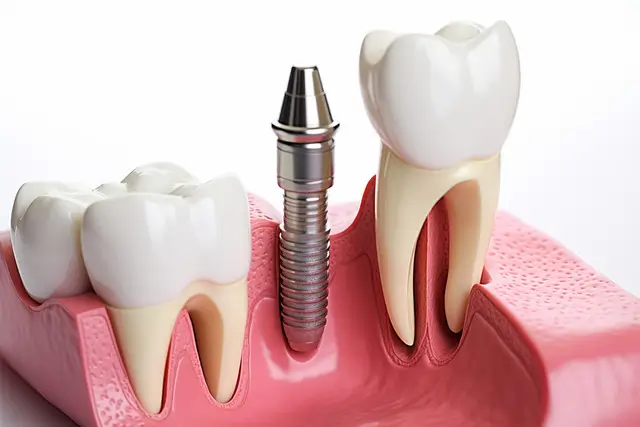
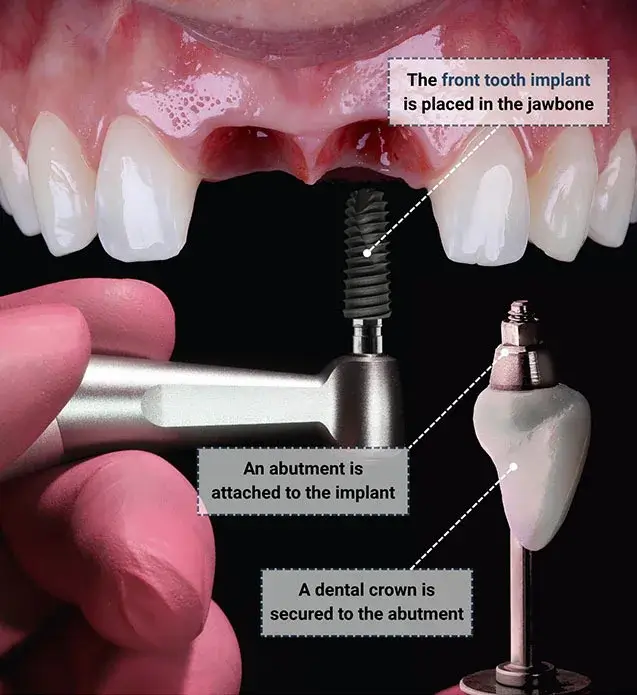
- Trip 1 (3–7 days): Consultation, CBCT scan, and placement of the implant fixture. If you need bone grafting or sinus lift, your dentist will discuss it upfront. Many patients return to their hotel on the same day with standard pain control and post-op instructions.
- Healing (3–6 months): Osseointegration happens while you are back home. Some clinics provide a temporary solution for aesthetics if needed.
- Trip 2 (5–7 days): Abutment placement and crown fitting. With digital dentistry and in-house labs, fittings are efficient and comfortable.
If you’re considering immediate loading or same-day teeth, your dentist will assess bone quality and bite dynamics. Not everyone is a candidate, but for suitable cases, Thailand offers these advanced options as well.
Comfort, Communication, and Thai Hospitality
English-speaking dentists and coordinators are widely available, especially in major tourist hubs. Many clinics also have interpreters for other languages. From clear consent forms to WhatsApp or Line updates, communication is simple. You’ll notice the local friendliness—staff often greet with “sawasdee ka/krub” and take time to explain each step. That gentle, “no worries” approach helps keep stress levels low, even if you’re a first-time dental traveler.
Hygiene and Safety Standards
Look for clinics that follow international sterilization protocols (ISO-style workflows, Class B autoclaves, and single-use disposables where appropriate). Some dental ce
nters operate inside JCI-accredited hospitals or partner with them for sedation and medically complex cases. Don’t hesitate to ask for the clinic’s sterilization policy, implant system brand, and the dentist’s license number with the Dental Council of Thailand—you’ll find professionals are happy to show credentials.
Easy Travel and Great Locations
Thailand is one of Asia’s most accessible hubs, with frequent flights and visa-friendly policies for many nationalities. Airports in Bangkok (Suvarnabhumi and Don Mueang), Phuket, and Chiang Mai make it easy to plan. In Bangkok, staying near the BTS Skytrain (Sukhumvit, Silom, or Phrom Phong areas) helps you zip to appointments without traffic stress. For a more resort-style recovery, Phuket and Hua Hin offer calm settings with sea breezes and soft foods on every menu.
How to Choose the Right Clinic
- Check qualifications: Verify the dentist’s license and ask about implantology training, case numbers, and professional memberships.
- Ask about systems and warranties: Reputable clinics use well-known implant brands with solid track records and offer clear warranties.
- Review cases: Before-and-after photos, 3D planning visuals, and references or verified reviews help you judge quality.
- Confirm inclusions: Ensure the quote covers scans, surgery, abutment, crown, medications, and follow-up. Clarify lab material (titanium vs zirconia abutment, porcelain vs monolithic zirconia crown).
- Plan for aftercare: Good clinics schedule follow-ups, provide written home-care instructions, and can arrange teleconsults once you’re back home.
Make It a Holiday—But Heal Smart
Right after implant placement, choose easy, low-impact activities. In Bangkok, visit air-conditioned malls, art spaces, or a gentle river cruise. In Chiang Mai, enjoy coffee culture and old-city strolls. In Phuket or Krabi, stick to shady beachfront cafés and avoid strenuous water sports for a few days. Follow your dentist’s advice:
- Soft diet (congee, smoothies, steamed fish, Thai soups without spicy chili at first)
- No smoking or heavy alcohol while healing
- Keep the area clean as instructed; use prescribed rinses
- Sleep with head elevated the first night to reduce swelling
Sample Week for Trip 1
- Day 1: Consultation, CBCT scan, treatment plan confirmed
- Day 2: Implant surgery, rest at hotel
- Day 3: Review, gentle sightseeing, soft meals
- Day 4–5: Recovery, light activities, follow-up as needed
- Day 6–7: Final check, travel home
Who Is a Good Candidate?
Healthy adults with sufficient bone are ideal. If you have diabetes, high blood pressure, or take medications that affect healing, bring your medical records and coordinate with your physician. Smokers should aim to quit before and after surgery to protect the implant’s long-term success.
Why Thailand Stands Out for Dental Implants
- Cost-effective without compromising on quality
- Skilled, internationally trained dentists
- Digital, minimally invasive techniques
- Friendly, English-speaking teams and clear communication
- Excellent travel infrastructure and comfortable recovery options
A confident smile and a memorable trip can go hand in hand. With careful planning, a trusted clinic, and Thailand’s signature hospitality, your dental implant journey can be as relaxing as a holiday and as reliable as treatment at home—same same, but better for your wallet and your peace of mind.