Why Thailand Is a Smart Choice for Dental Tourism Implants
Why Thailand Is a Smart Choice for Dental Tourism Implants
If you’ve been thinking about getting dental implants and also fancy a change of scenery, Thailand is one of the smartest choices you can make. The Land of Smiles isn’t just about beaches, temples, and street food. It has become a trusted hub for dental tourism—especially for implant treatments—thanks to a rare mix of international standards, transparent pricing, and a gentle “sabai sabai” (relaxed, comfortable) approach to care.
Top-quality treatment at reasonable prices
Let’s speak frankly: cost matters. In Thailand, patients typically save 40–70% on dental implant treatment compared with many Western countries, even after adding flights and hotels. But lower cost doesn’t mean cutting corners. Reputable clinics in Bangkok, Phuket, Chiang Mai, and Pattaya use globally recognized implant brands (for example Straumann, Nobel Biocare, or equivalent FDA/CE-approved systems) and follow strict infection control standards. Many facilities are ISO-certified or part of hospitals accredited by international bodies, and they run modern sterilization rooms with single-use disposables where appropriate.
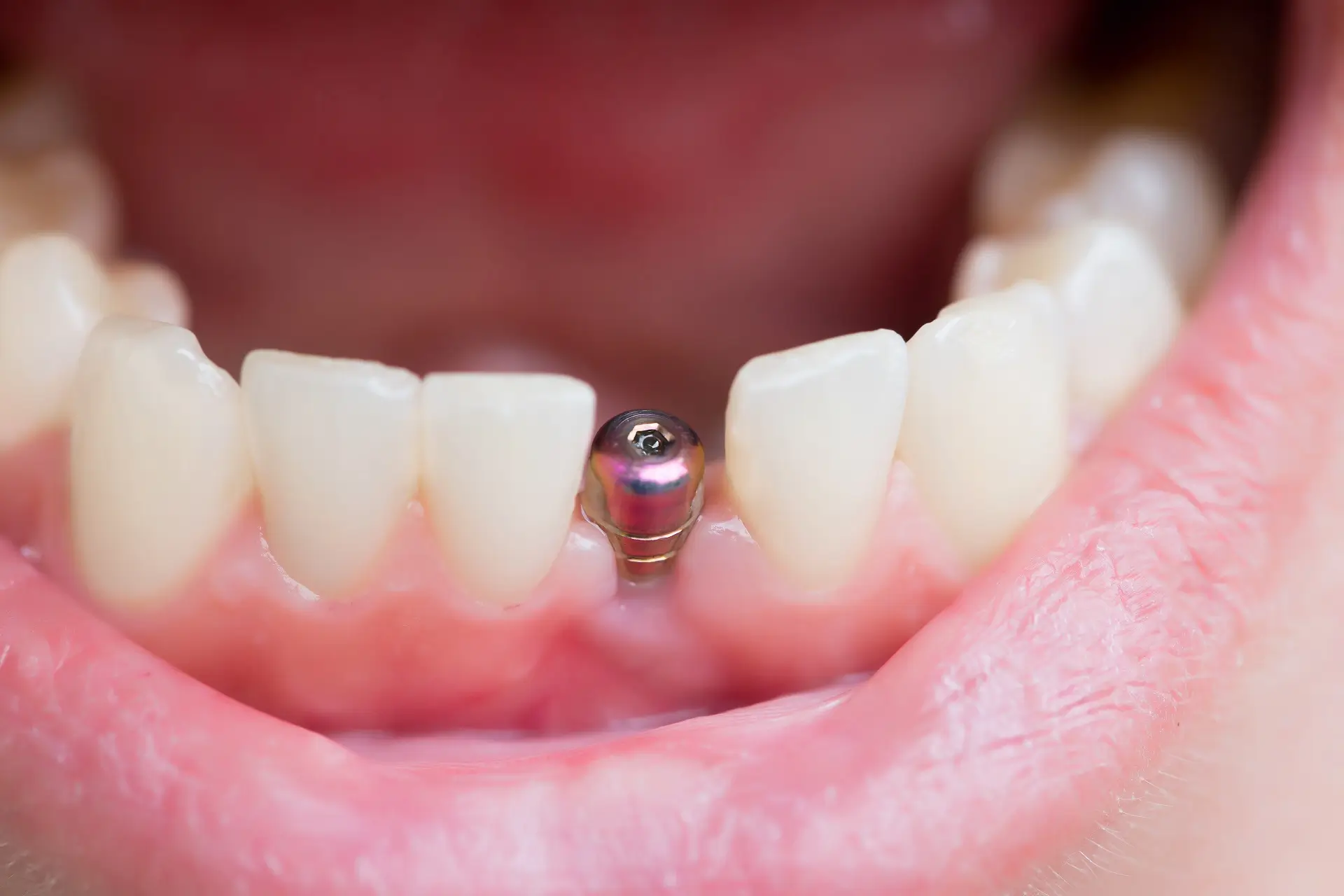
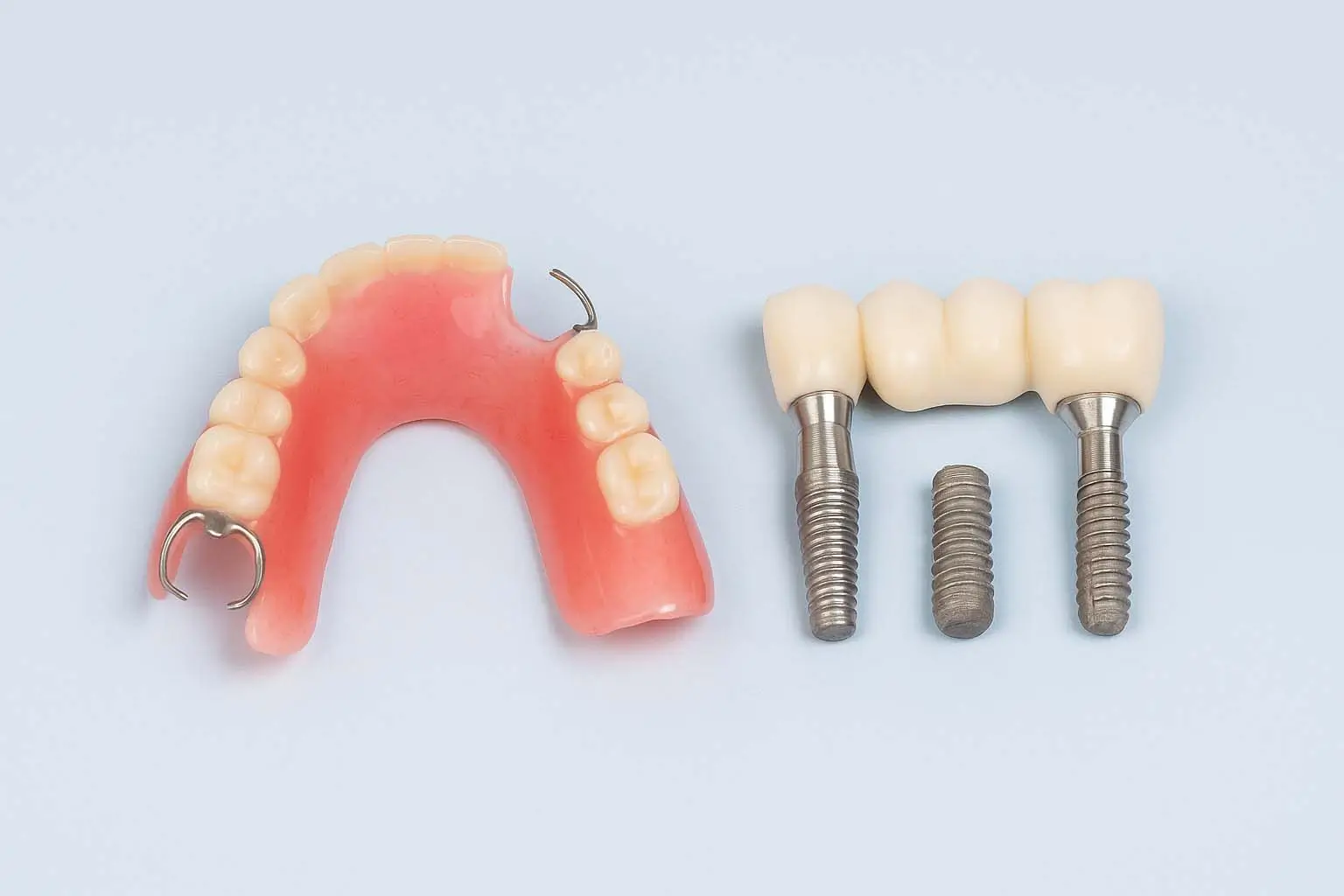
What does that look like in practice? Expect digital X-rays and CBCT scans, guided surgery for precision placement, and CAD/CAM milling for crowns or bridges. Many clinics also offer membrane and bone grafting when needed, plus sedation or general anesthesia in hospital settings for complex cases. Whether you need a single implant, multiple units, or full-arch solutions like All-on-4 or All-on-6, there are teams here with deep experience and predictable protocols.
World-class dentists who speak your language
Thailand’s best dentists keep pace with global training. You’ll find specialists who graduated from Mahidol and Chulalongkorn universities (top local schools), alongside practitioners with residencies or fellowships abroad. Many present at international conferences and maintain memberships with implantology associations.
Because Thailand is a major medical tourism destination, clinics are used to international patients. Consultations and consent forms are commonly offered in clear English, and staff will happily walk you through each step—no rush, no pressure. In true Thai style, there’s a “mai pen rai” (no worries) attitude balanced by professional detail.
Faster timelines and smooth coordination
One advantage of dental tourism in Thailand is how seamlessly clinics coordinate your visits. Many provide pre-arrival case assessments via photos, scans, or a quick video call. Once you’re here, scheduling is often flexible, with multiple specialists under one roof to keep your appointments tight and efficient.
If your case requires a two-stage process (implant placement, then healing and final crown later), clinics can plan your return or collaborate with your home dentist for prosthetic work. For immediate-load cases (where conditions are suitable), some centers offer same-week provisional teeth so you leave with a functional smile while the implants integrate.
Comfortable recovery in a beautiful setting
Post-surgery downtime feels lighter when you’re in a place built for relaxation. Many travelers book recovery stays in Bangkok for easy access to follow-ups, then treat themselves to a “sabai sabai” weekend in Hua Hin or a gentle island break in Koh Samui once the dentist gives the green light. Thailand’s hospitality industry understands medical visitors—expect clean accommodations, room service with soft-food options, and easy transport to clinics.
Getting around is simple: direct flights from major cities, visa-exempt entry for many nationalities, and clean, efficient transit. Food-wise, Thailand is a paradise with plenty of soft, nourishing choices—congee (jok), soups, steamed fish, and fre
sh smoothies—perfect for your healing phase.
Transparency and warranties you can trust
Leading clinics publish clear price ranges for implants, abutments, crowns, and any additional procedures, so you know what to budget. It’s normal to receive a detailed treatment plan and itemized quotation before you commit. Many clinics also provide limited warranties on implant fixtures and prosthetic work, as long as you follow aftercare guidelines and attend reviews—ask for the terms in writing.
Where to go: city-by-city highlights
- Bangkok: The capital offers the widest choice, from boutique implant centers to hospital-based dental departments. It’s ideal if you value top-tier tech and lots of scheduling options.
- Phuket: Popular for combining treatment with a beach stay. Good range of clinics serving international patients, plus recovery-friendly resorts.
- Chiang Mai: A calmer northern city with reputable dental care, cooler climate, and an easy pace for healing.
- Pattaya and Hua Hin: Coastal cities with established clinics and convenient access from Bangkok.
How to choose the right clinic
- Credentials: Confirm the dentist’s registration with the Dental Council of Thailand and look for postgraduate implant training.
- Case experience: Ask how many implant surgeries the team performs annually, and request before/after photos relevant to your case.
- Technology: Check for CBCT imaging, guided surgery capability, and in-house lab support for faster turnarounds.
- Brands and materials: Ensure your implant system is a mainstream, globally supported brand with components available in your home country.
- Sterilization and safety: Look for documented infection control protocols, and consider clinics linked to accredited hospitals for complex cases.
- Communication: Make sure you’re comfortable with the explanations and aftercare plan; a good clinic welcomes questions.
- Reviews and referrals: Independent patient feedback helps, but focus on detailed reviews that discuss outcomes and follow-up experiences.
What to expect during the process
- Initial consult: Clinical exam, CBCT scan, and a candid talk about bone quality, timelines, and costs.
- Treatment planning: Digital planning for implant positioning, discussion of grafting if necessary, and selection of crown materials.
- Surgery day: Local anesthesia plus sedation if needed. Guided placement often shortens chair time and improves accuracy.
- Healing phase: Typically 8–16 weeks depending on your biology and whether grafting was done.
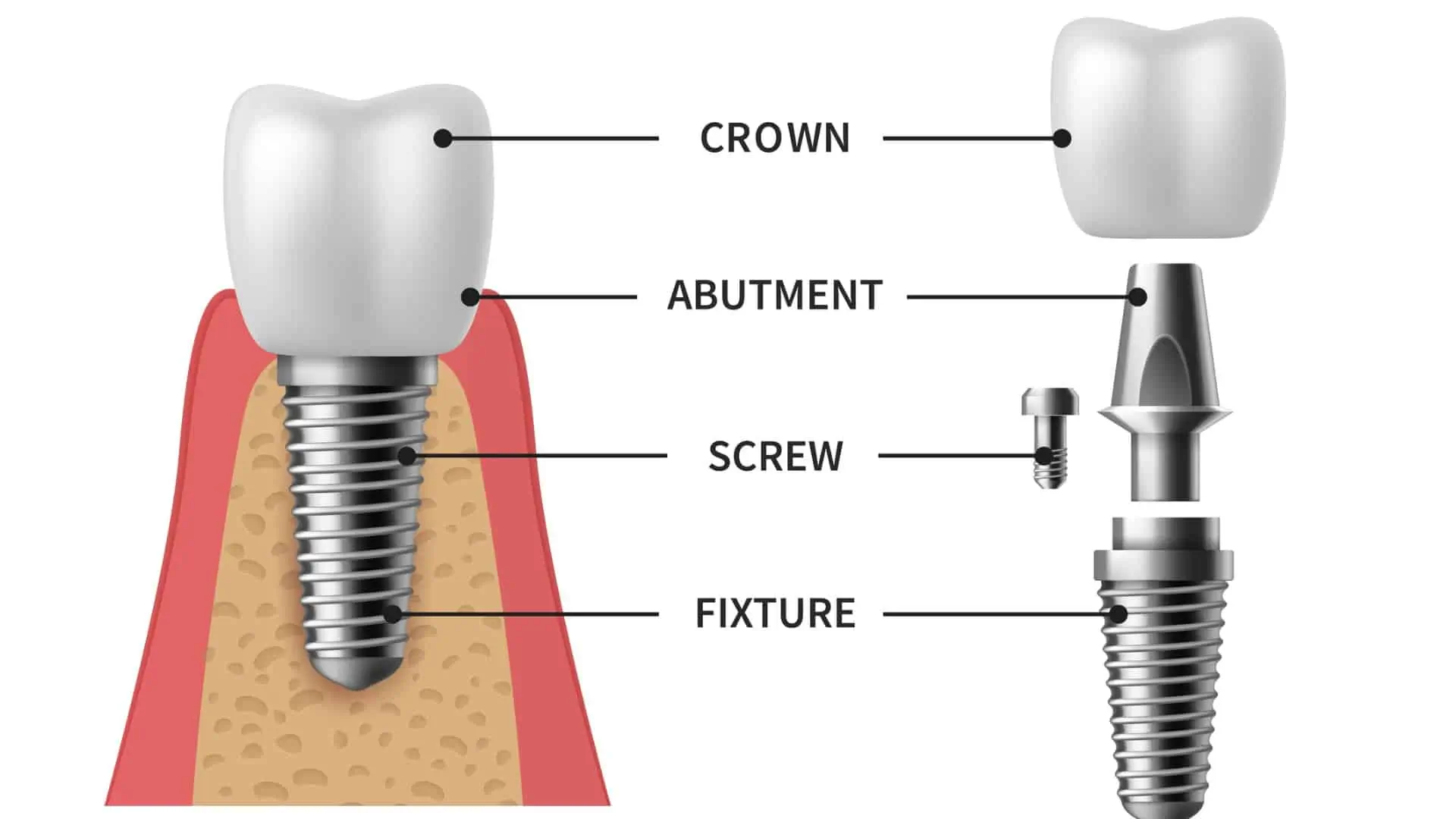
- Prosthetic stage: Abutment placement and crown or bridge fitting. For full-arch, provisional teeth are placed earlier with final prosthesis later.
Aftercare tips for a strong result
- Keep it “sabai” for a few days—no heavy lifting, avoid smoking and alcohol while healing.
- Stick to soft foods at first; Thailand’s kitchen has your back with gentle, tasty options.
- Maintain meticulous oral hygiene and follow prescribed rinses or antibiotics if given.
- Attend all reviews. If you’ll be flying home soon, schedule a check before you go and confirm how to handle any issues once you’re back.
Is Thailand right for you?
If you want quality implant dentistry without the heavy price tag, and you like the idea of warm, attentive care in a destination that makes recovery feel like a holiday, Thailand fits the brief. It’s “same same but different” in the best way: familiar standards and technologies delivered with Thai hospitality, patience, and a smile.
In short, Thailand gives you strong clinical outcomes, clear communication, practical conveniences, and a stress-free setting. For many patients, that combination turns a necessary procedure into a surprisingly enjoyable journey—and a confident new smile to take home.