Why Thailand Is a Competitive Choice for Dental Implants Abroad
Why Thailand Is a Competitive Choice for Dental Implants Abroad
If you’ve been checking prices for dental implants at home and feeling a bit shocked, Thailand offers a smart alternative without cutting corners on quality. Often called the Land of Smiles for a reason, the country blends skilled dentistry, advanced tech, and warm, “mai pen rai” service culture to make dental implants abroad feel straightforward and stress-free.
Real value for money, with transparent pricing
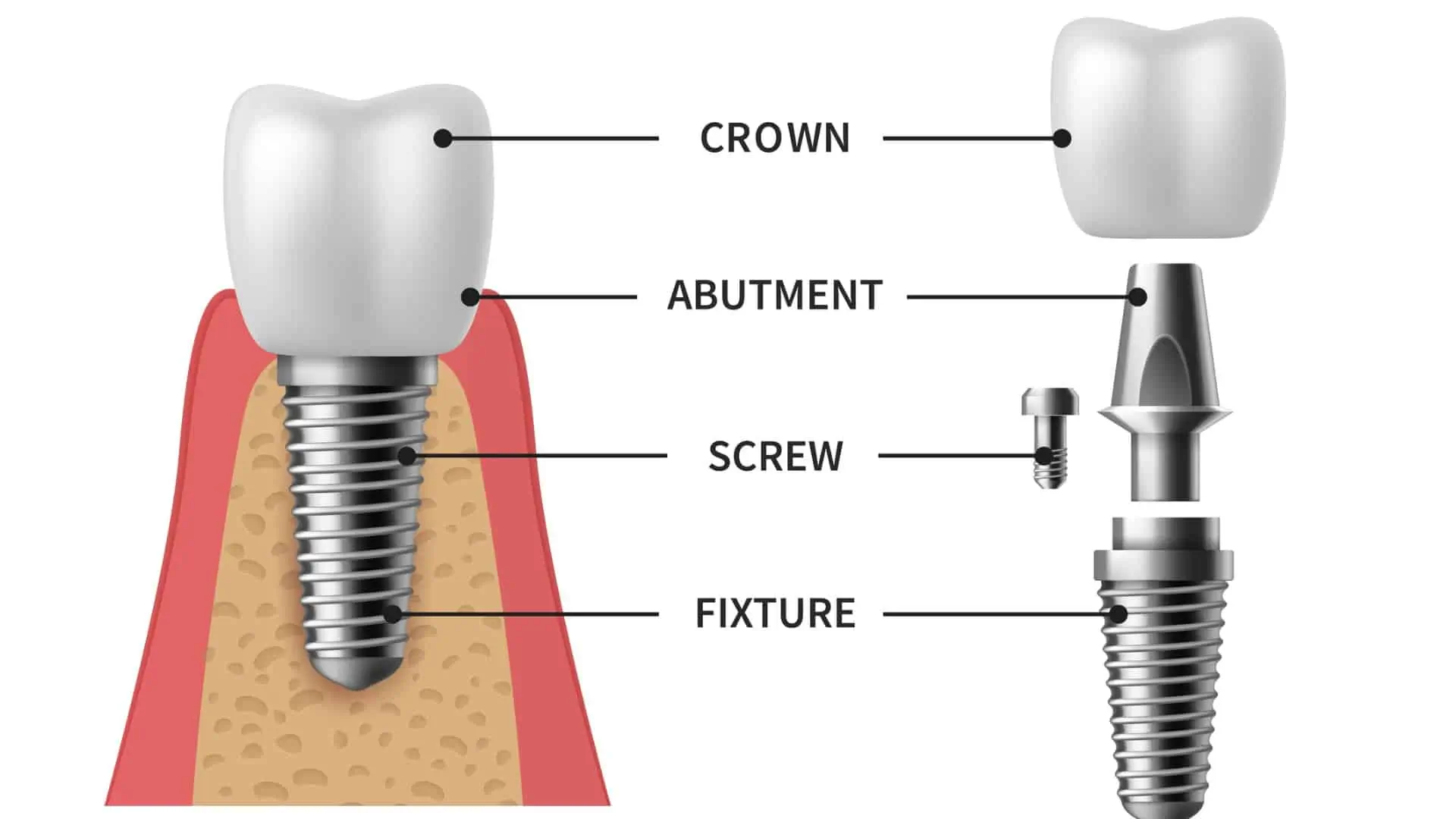
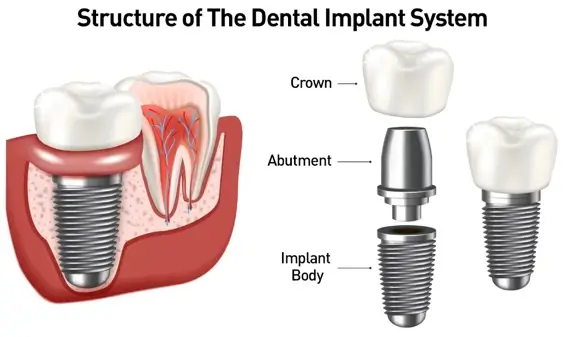
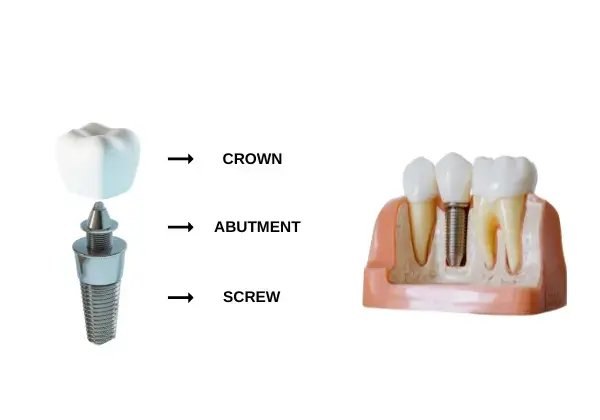
Dental implants in Thailand typically come in 40–70% lower than prices in the US, UK, or Australia, depending on the implant brand, case complexity, and lab work. Many clinics price in Thai baht (THB) and offer clear, itemized quotes so you know exactly what’s included—implant fixture, abutment, crown, X-rays or CBCT, and follow-up visits. It’s common to find:
- Single-tooth implants with crown starting in the mid tens of thousands of THB, depending on brand and materials.
- Full-arch solutions (such as All-on-4/6) at a fraction of Western prices, with transparent add-ons for bone grafting or sinus lifts if needed.
While figures vary, the headline is the same: you get strong value for high-spec care. For many, even after flights and a comfy hotel, the total still comes out ahead.
World-class standards and trusted technology
Thailand’s dental sector is competitive and forward-looking. Reputable clinics in Bangkok, Phuket, and Chiang Mai invest in:
- 3D CBCT imaging for precise planning
- Digital impressions and CAD/CAM crowns for accuracy and comfort
- Computer-guided surgery where indicated
- Well-known implant systems (e.g., Straumann, Nobel Biocare, Osstem), with documented traceability
Look for clinics that follow ISO-level sterilization protocols and, in some cases, have international accreditation. Even without big badges, many respected clinics adhere to global best practices and share their protocols openly. Ask about their surgical suite standards, implant brands, and success metrics; a confident clinic will answer clearly.
Dentists who communicate and care
A major plus in Thailand is how easy it is to talk through your treatment. Many dentists are internationally trained, attend global conferences, and consult in fluent English. Treatment plans are usually explained step-by-step—diagnosis, options, risks, timelines—so you can make informed decisions with no pressure. The Thai service culture values being polite, patient, and calm, so you’ll often feel that “sabai sabai” ease even when tackling a complex procedure.
Smooth timelines and stress-free travel
Dental tourism in Thailand is well-oiled. Appointment wait times are short, bookings are flexible, and coordinators can help line up scans, surgery, and provisional teeth efficiently. Typical implant journeys follow one of two paths:
- Two-stage placement: First trip for implant placement (and any grafting), then a healing period (usually 3–6 months) before returning for the abutment and crown.
- Immediate provisional options: In suitable cases, a temporary crown or bridge may be placed soon after surgery, with the final restoration fitted after integration.
Bangkok’s airports connect globally, and many nationalities enjoy visa-exempt or visa-on-arrival entry—always check current rules. Hotels near major clinics are plentiful, and transport on BTS/MRT or Grab makes getting around easy. If you want a calmer recovery, plan a few “chai yen yen” days to rest—no need to rush.
Where to go: Bangkok, Phuket, Chiang Mai
- Bangkok: The capital has the widest choice of clinics, from boutique practices to large dental centers near Sukhumvi
t, Silom, and Sathorn. You’ll find extended hours, in-house labs, and multilingual staff.
- Phuket: Ideal if you prefer a coastal recovery. Clinics servicing international patients cluster around Patong, Phuket Town, and Chalong, making it easy to combine treatment with a gentle beach stay.
- Chiang Mai: A laid-back northern option with reputable clinics and a slower pace, great for healing and low-key sightseeing.
Aftercare that supports long-term success
Good clinics in Thailand stand by their work, often providing written warranties for the implant fixture and crown (terms vary). Post-op reviews, digital check-ins, and clear maintenance guides help you care for your implant once you’re back home. Many clinics can coordinate with your local dentist for hygiene visits or minor adjustments. Remember: the longevity of an implant hinges on daily care—brushing, flossing, or water flossing—plus regular professional cleanings.
How to choose the right clinic
- Check credentials and experience: Years placing implants, number of cases, specialist training (prosthodontics, oral surgery), and continuing education.
- Ask about technology: CBCT availability, digital planning, guided surgery, and in-house milling or partner labs.
- Confirm implant brands: Stick with internationally recognized systems for reliable components and long-term availability.
- Review case photos and patient feedback: Real before/after galleries and authentic reviews reveal consistency.
- Get a written plan and quote: Detailed breakdowns prevent surprises; ask what’s included, from imaging to provisional crowns.
- Understand your timeline: Healing forecasts, number of visits, and contingency plans if grafting is required.
- Discuss pain management and sedation options: From local anesthesia to IV sedation where indicated.
- Clarify guarantees and follow-up: Warranty terms, emergency contacts, and how issues are handled if you’ve already flown home.
Budgeting tips that keep things clear
- Plan two trips if you’re having a delayed loading protocol. Book flights and hotels with flexible change policies.
- Stay near your clinic for the first 48–72 hours after surgery to make check-ups easy.
- Bring a recent scan if you have one; it may reduce repeat imaging, though clinics may still require CBCT for precision.
- Factor soft-food days into your itinerary—think soups, smoothies, congee, and steamed fish. Save the spicy som tam for later.
- Pay by card or bank transfer; many clinics accept major credit cards. Double-check fees and exchange rates.
What to expect in comfort and recovery
Implant surgery is typically done under local anesthesia with or without sedation; most patients describe pressure rather than pain. You’ll receive antibiotics and pain medication as indicated, along with gentle post-op instructions. Swelling is normal for a few days. With Thailand’s hospitality, you can expect friendly follow-ups and a clear line to your dentist if anything feels off. Keep activities light—no heavy lifting or diving right after surgery—and enjoy a calm, comfortable recovery.
Bottom line
Thailand has steadily built a reputation for delivering reliable dental implants with modern planning, tidy surgery, and high-quality restorations—at prices that make sense. Add easy travel, experienced English-speaking dentists, and that signature Thai warmth, and it’s clear why many people fly in for care. Do your homework, choose a clinic that communicates well, and you’ll find Thailand offers real “bang for your baht” and a confident smile to take home.