Thailand Dental Implant Benefits for Travelers Combining Dental Care and Vacation
Thailand Dental Implant Benefits for Travelers Combining Dental Care and Vacation
Thinking about fixing your smile and taking a proper holiday at the same time? Sawasdee to the Land of Smiles, where dental implants and beach sunsets can fit in one itinerary. Thailand has become a go-to for dental tourism because clinics here combine international standards with friendly “sabai sabai” service and prices that make your wallet breathe a little easier.
Why dental implants in Thailand make sense
Significant savings without cutting corners
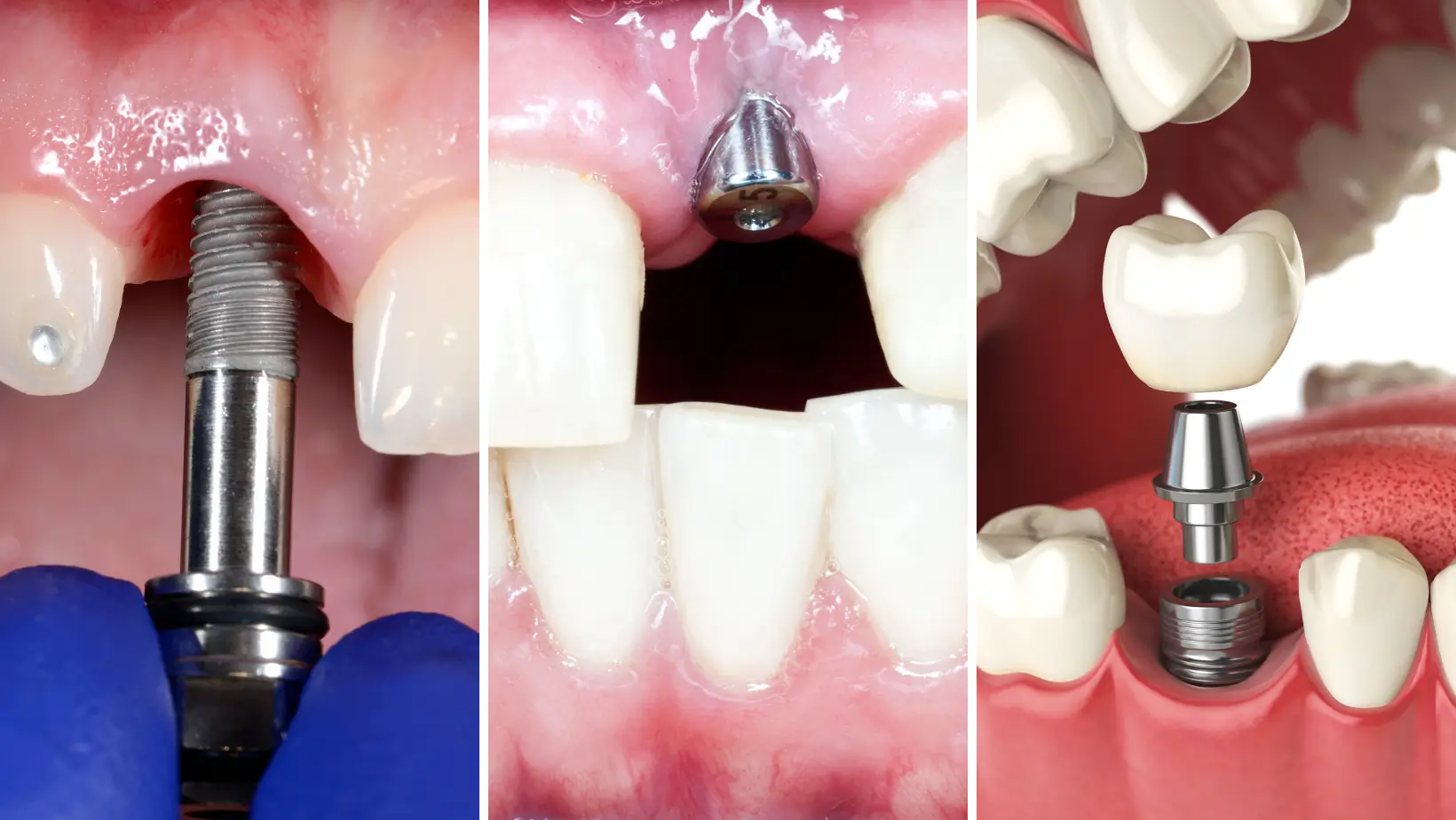
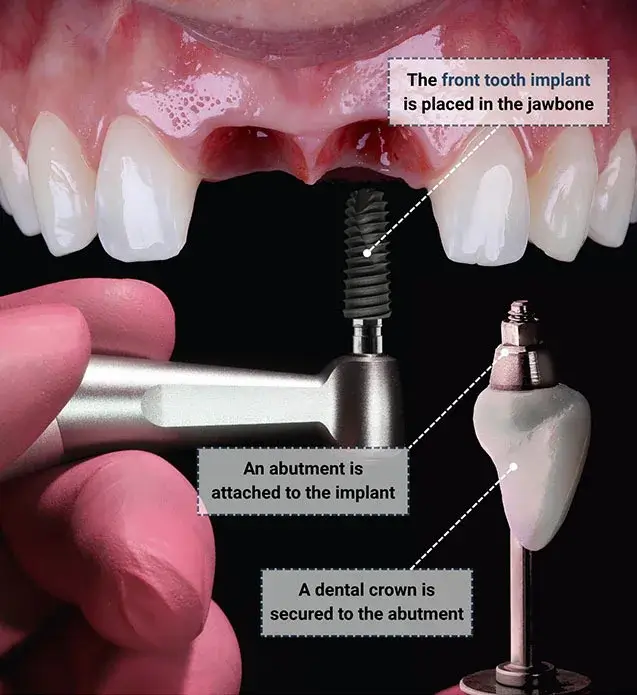
Many travelers see 40–70% savings compared to prices in the US, Australia, or Europe, even after flights and hotels. A single implant with abutment and crown in Thailand often falls in the 45,000–90,000 THB range, depending on brand, complexity, and whether bone grafting is needed. For full-arch solutions such as All‑on‑4 or All‑on‑6, clinics will give clear package pricing. The key point: you pay less, but you’re not compromising quality.
World-class clinics and technology
Leading Bangkok, Phuket, and Chiang Mai dental clinics are modern, spotless, and equipped with 3D CBCT scans, guided surgery, and digital workflows. Many implantologists and prosthodontists are board-certified, with training or fellowships overseas, and they work with top implant systems like Straumann and Nobel Biocare. Sterilization follows international protocols, and many facilities are ISO or JCI-affiliated hospitals. English is widely spoken, and patient coordinators are used to handling international cases.
Fast appointments and smooth logistics
Thailand is a regional flight hub, with visa-exempt entry for many passports (often 30 days). Clinics reply quickly on email, Line, or WhatsApp, offer transparent quotes, and can book your scan and surgery within days—not months. Airport-hotel-clinic transfers, hotel partnerships, and clear pre-op instructions are common. It’s very “no worry,” as people say here.
Recover in a sabai sabai setting
Implants need a gentle recovery period. In Thailand, that’s easy. Swap the party scene for spa time, light temple visits, or beach walks at sunrise. The weather, hospitality, and slower pace help you heal with less stress. If something small changes in your schedule, mai pen rai—your clinic team will help you adjust.
Soft-food heaven while you heal
Post-implant, soft foods are your friend. Thailand has plenty of tasty, gentle options: jok (rice porridge), khao tom (rice soup), tom jued (clear broth with soft tofu), steamed fish, ripe papaya, banana, smoothies, and coconut water. You can still enjoy local flavors without irritating your surgical site. Avoid sticky rice, tough meats, very spicy dishes, alcohol, and smoking in the early days.
Where to combine care and holiday
Bangkok
If you want top selection and easy transport, Bangkok is hard to beat. Many leading dental clinics are along BTS Skytrain and MRT lines—think Sukhumvit, Silom, and Phrom Phong. In between check-ups, explore the Grand Palace, river ferries, and world-class malls with air-con. Great for quick scheduling and lots of hotel choices.
Phuket and Krabi
Perfect if you prefer to wake up near the sea. Several reputable clinics operate here, catering to international patients. Keep activities low-key in the first week—sunrise walks, island viewpoints, spa days—then plan water activities after your dentist says OK. Avoid pools and the ocean until your incision is sealed and your dentist approves.
Chiang Mai
Cooler mountain air, coffee culture, and a laid-back vibe make Ch
iang Mai a favorite for recovery. Temples, craft markets, and nature spots provide gentle outings. Clinics here also have strong reputations and friendly service.
How to plan your implant trip
Pre-trip consultation
Send your recent dental X-rays or a panoramic film to shortlisted clinics. They’ll advise if you need a CBCT scan on arrival and whether bone grafting or sinus lift is likely. Share your medical history and current medications; your dentist will guide you about blood thinners or diabetes control to keep everything safe.
Choose the right clinic
- Look for experienced implantologists (DDS/MDS), Thai Dental Council membership, and international affiliations like ITI or AAID.
- Ask about implant brands and warranty.
- Confirm what the quote includes: surgery, abutment, crown, scans, meds, and follow-ups.
- Check if they offer sedation, if needed, and their sterilization protocols.
- Read recent reviews from international patients.
Build a realistic schedule
- Single implant: Many clinics do consultation and scan on Day 1, surgery on Day 2, and a post-op check within 3–5 days. Crowns are placed after osseointegration, usually 3–6 months later. That means two trips: one for surgery, one for the final crown.
- Immediate-load cases: Some cases allow a provisional tooth within days, but this depends on bone quality and primary stability. Follow your dentist’s advice to avoid overloading.
- Full-arch All‑on‑4/6: Plan 7–10 days for surgery and provisional teeth, then a return visit for the final bridge.
Mix treatment with gentle travel
Plan your first week around low-impact activities. Skip heavy exercise, diving, or long sun sessions. Keep your head elevated when resting, use ice packs the first 24 hours, and stick to soft foods. After the initial check clears you, you can add more sightseeing. Domestic flights are fine, but avoid swimming until your dentist says it’s safe.
Aftercare and follow-up
- Oral care: Rinse with saline or chlorhexidine as directed, brush gently, and keep the area clean. Take antibiotics and pain relief as prescribed.
- Lifestyle: Avoid alcohol and smoking during healing; they slow recovery and reduce implant success rates.
- Communication: Stay in touch via Line or email. Many clinics offer tele-dentistry for quick questions after you fly home.
- Long-term: Implants need regular professional cleanings and maintenance. Your dentist will share a schedule you can follow at home.
Costs and value to expect
Thailand’s dental implant cost is lower largely due to operating expenses—not shortcuts. You’ll see itemized fees for scans, surgery, abutment, and crown. High-quality materials and lab work are standard. Most clinics provide receipts suitable for insurance claims; check with your insurer in advance. Add your flights and accommodation to compare total value. Often, the numbers look very good, and the overall experience—friendly staff, clear communication, and warm hospitality—adds extra value you can feel.
Final word
Combining dental implants with a Thai holiday is “same same but different”—it’s a smarter way to handle medical needs while enjoying a break. With experienced dentists, modern clinics, easy logistics, and that calm sabai sabai recovery, Thailand makes the process straightforward and comfortable. When you head home with a confident bite and memories of temples, beaches, and street food aromas, you’ll understand why dental tourism here keeps growing, krub/ka.