Why International Travelers Add Dental Implants to Thailand Dental Trips
Why International Travelers Add Dental Implants to Thailand Dental Trips
If you’ve heard friends come back from Bangkok or Phuket with a brighter smile and a lighter bill, you already know why Thailand is a hotspot for dental tourism. More and more international travelers are adding dental implants to their Thailand dental trips because the country blends top-tier clinical standards with a sabai sabai pace, world-class hospitality, and realistic prices. It’s not just a dental appointment; it’s a well-planned experience that feels no worries—mai pen rai—while still being professional and precise.
Value without cutting corners
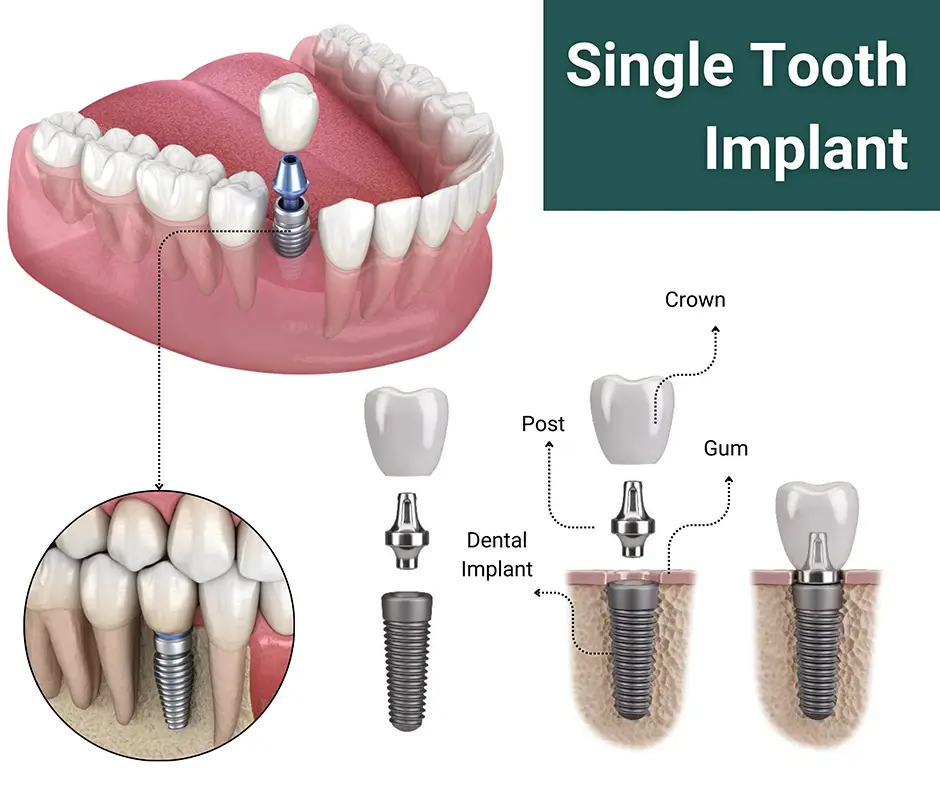
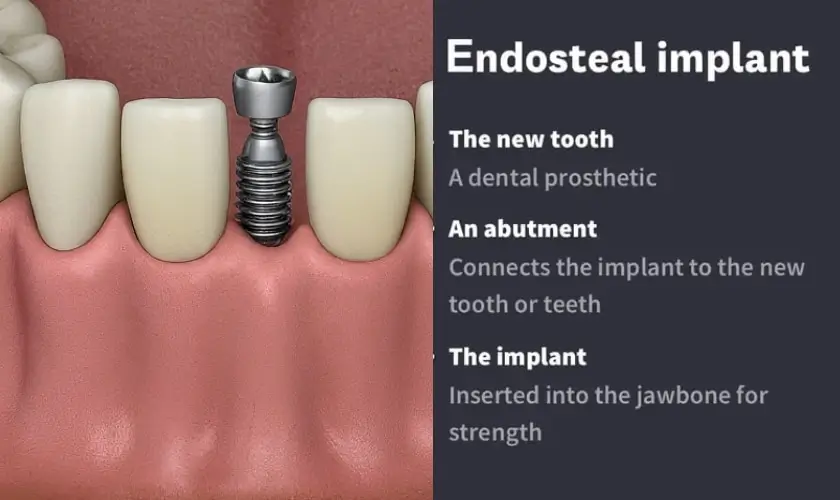
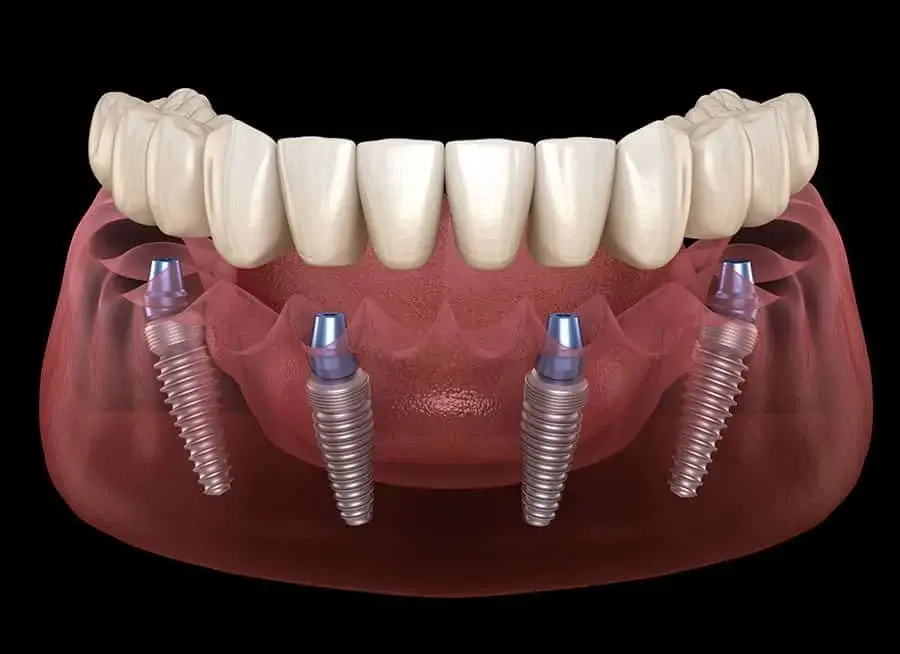
The first question is always cost. A single dental implant in Thailand, including the titanium fixture, abutment, and crown, often ranges from USD 1,200 to USD 2,500 depending on the implant brand, clinic location, and complexity. In the US, UK, or Australia, the same treatment commonly runs USD 3,000 to USD 5,000+ per tooth. For full-arch options like All-on-4 or All-on-6, Thailand quotes often sit between USD 8,000 and USD 14,000, versus two to three times that in many Western markets.
Lower cost here doesn’t mean lower standards. Labor and operating costs are simply different in Thailand, and high patient volumes enable clinics—especially in Bangkok, Chiang Mai, and Phuket—to invest in modern tech and experienced teams while keeping fees friendly. You’ll regularly see global implant brands like Straumann, Nobel Biocare, and Osstem, with clear warranties and traceable batch numbers. That transparency matters when you want a long-lasting result.
Clinical standards and technology that travel well
Thai clinics serving international patients are used to global expectations. Many implantologists trained or hold fellowships abroad, while remaining board-certified by the Thai Dental Council. Facilities near Sukhumvit and Silom in Bangkok, along Nimman in Chiang Mai, or around Patong in Phuket highlight ISO-certified sterilization, strict infection control, and digital workflows. It’s common to have a cone beam CT (CBCT) scan onsite, computer-guided surgery for accuracy, and in-house CAD/CAM labs for faster, precise crowns.
If your case involves bone loss, clinics can discuss bone grafting or a sinus lift. For appropriate candidates, immediate loading or “teeth-in-a-day” is possible, though ethical clinicians will explain when it’s better to let your implant integrate first. Expect practical, straight talk: same same but different is a phrase you might hear in Thai English—but here, the difference is in details like torque values, surgical guides, and maintenance protocols.
A treatment timeline that fits a holiday
The typical dental implant timeline in Thailand is designed around travelers:
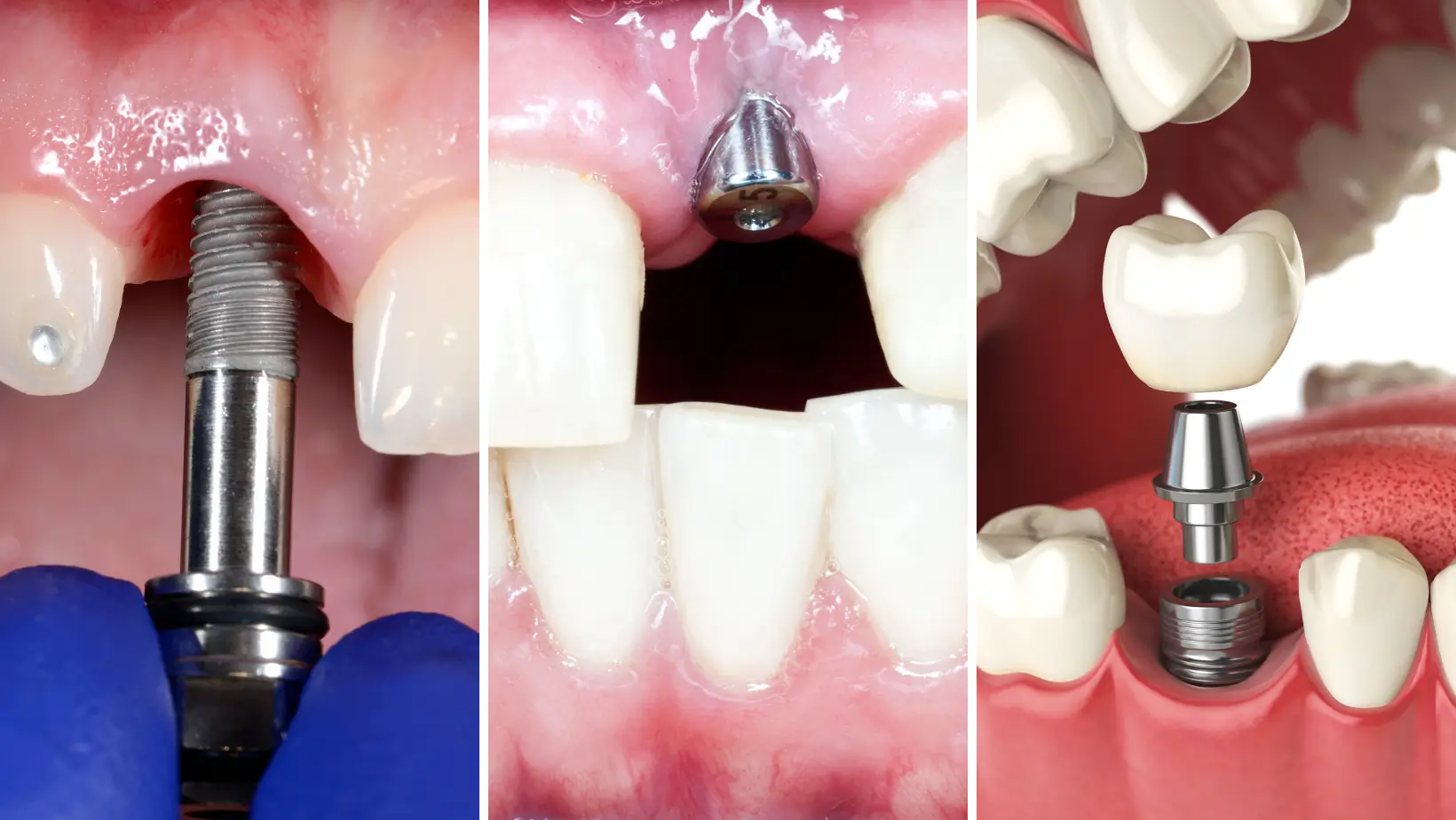
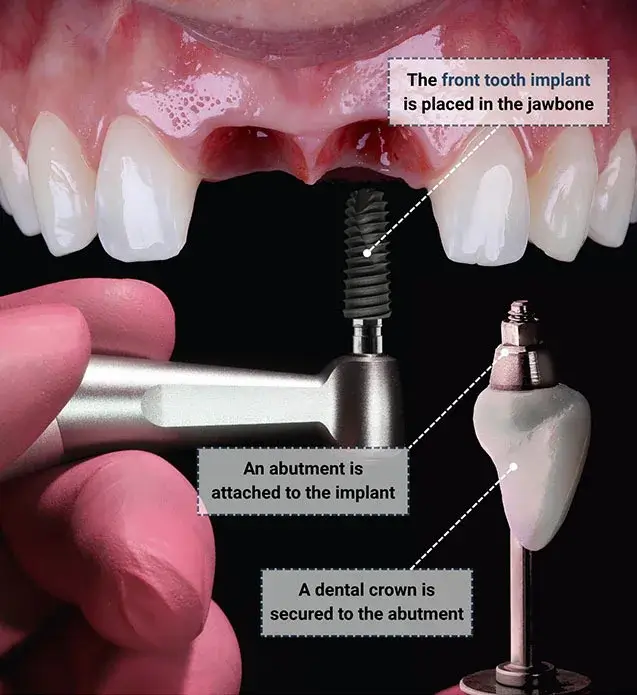
- Trip 1 (3–7 days): Consultation, CBCT scan, treatment planning, and implant placement. If extractions are needed, they may be done at the same visit. You’ll leave with a temporary solution (not a final crown) to keep your smile presentable while the implant heals.
- Healing (3–6 months at home): Osseointegration takes time. Your clinic’s coordinator will check in via email, LINE, or WhatsApp and advise on care.
- Trip 2 (3–5 days): Abutment placement, impressions or digital scans, and final crown delivery. Because many clinics run in-house labs, you can often complete this in the same week.
Some patients opt for an extended first stay if immediate loading is recommended and safe, but most are fine with two shorter visits. Many nationalities receive a visa-exempt entry of 30 days, making scheduling flexible. If you prefer a slower, sabai sabai recovery, you can book a quiet riverside hotel in Chiang Mai or a condo with a pool close to your Bangkok clinic.
Comfortable, cared for, and connecte
d
English-speaking patient coordinators are a big reason international patients feel relaxed. They map out costs clearly before you fly, arrange airport pick-ups on request, and slot your appointments so you still have time for Thai massage, a night market stroll, or a temple visit. Sedation dentistry options—from local anesthesia with gentle chair-side manner to IV sedation—are available at many clinics, especially for full-arch implant cases or anxious patients.
Post-op care is practical and empathetic. Expect mild swelling 48–72 hours after placement; your dentist will recommend cold compresses, prescribed pain relief, and a soft diet. Thailand is great for soft foods: khao tom (rice soup), steamed fish, mango smoothies, and mild soups like tom kha gai are easy on healing tissues. Skip sticky rice, hard nuts, and very spicy dishes for a short while. Most travelers feel comfortable sightseeing at a relaxed pace within a couple of days.
How to choose a Thailand dental implant clinic
A smart choice starts before you book your flight. Look for:
- Clear credentials: Dentist profiles with implant training, memberships, and years of experience. Ask if a periodontist or oral surgeon handles surgery and a prosthodontist designs the crown—teamwork often gives the best result.
- Proper diagnostics: A CBCT scan is essential for implant planning; guided surgery is a plus for precision.
- Trusted implant systems: Brands with long-term research and local warranty support. Request the exact model and warranty terms in writing.
- Transparent quotes: Itemized fees for the implant, abutment, crown, grafts, sedation, and follow-up. No surprises is key.
- Sterilization and safety: ISO or international accreditation, written infection-control protocols, emergency equipment, and clear consent documents.
- Real reviews and cases: Verified before-and-after photos and independent reviews from international patients.
- Aftercare plan: Clear home-care instructions, remote follow-up, and collaboration with a local dentist if needed.
Planning tips to make the most of your dental vacation
- Time your trip around comfort: If you’re coming for surgery, consider shoulder seasons when the weather is cooler and crowds thinner. During festivals like Songkran, you might want to avoid heavy water play right after placement.
- Build a gentle itinerary: Keep the first 48 hours light—maybe a river cruise, museum visit, or café hopping instead of a long hike. If you’re in Phuket, choose a hotel close to your clinic to minimize travel post-op.
- Insurance and paperwork: Travel insurance typically doesn’t cover elective dental treatment, but it can cover travel disruptions. Keep digital copies of scans, treatment plans, and receipts for your records.
- Maintenance matters: Implants need regular cleaning and check-ups. Your Thai dentist can coordinate a maintenance plan with your home dentist, especially if you grind your teeth and might need a night guard.
Why Thailand makes sense for dental implants
Thailand blends clinical quality, fair pricing, and a hospitality culture that turns a dental appointment into a smooth journey. You can expect modern imaging, skilled implant dentists, well-communicated plans, and an easygoing environment that keeps stress down. Add in great food, calm recovery spots, and quick access flights to Bangkok, Phuket, and Chiang Mai, and it’s clear why so many travelers book a Thailand dental trip for implants.
When done right—good planning, the right clinic, and proper aftercare—your dental implant becomes more than a treatment. It’s a confident bite, a natural smile, and a memory of a trip where everything felt taken care of, Thai style.