Why Thailand Dental Tourism Is a Good Option for Implant Dentistry
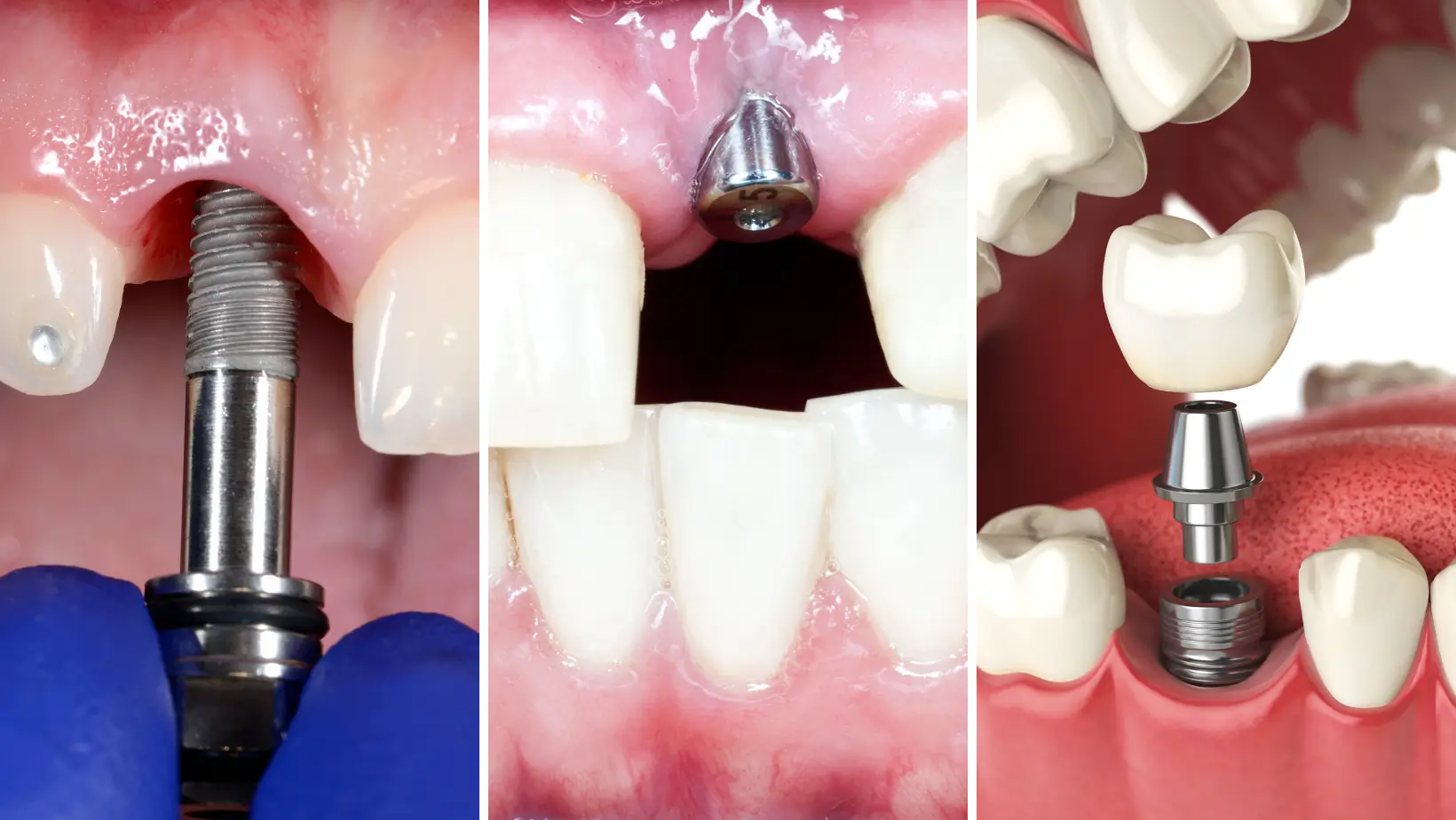
Why Thailand Dental Tourism Is a Good Option for Implant Dentistry
If you’re considering dental implants but worried about cost or long waiting times at home, Thailand is a very good option. The country combines specialist-level care, transparent pricing, and warm Thai hospitality—so your treatment feels professional and your time here feels sabai‑sabai. It’s not just about being cheaper; it’s about value for money without compromising on quality.
High clinical standards, international mindset
Thailand’s private dental sector is geared for international patients. Many implant dentists are board‑certified specialists—prosthodontists or oral and maxillofacial surgeons—trained in Thailand and abroad. Reputable clinics in Bangkok, Phuket, Chiang Mai, and Pattaya use hospital‑grade sterilization, CBCT 3D imaging, digital scanners, and guided surgery systems. You’ll commonly see well‑known implant brands such as Straumann, Nobel Biocare, Zimmer, MIS, or Astra. English‑speaking coordinators and dentists are standard, and case managers help you plan appointments around travel days. Same same but different from home? In terms of tech and protocols, it’s the same—just with Thai friendliness built in.
Realistic pricing with clear inclusions
The big driver is cost, but the real win is clarity. As a reference (actual fees vary by case, implant brand, and bone condition):
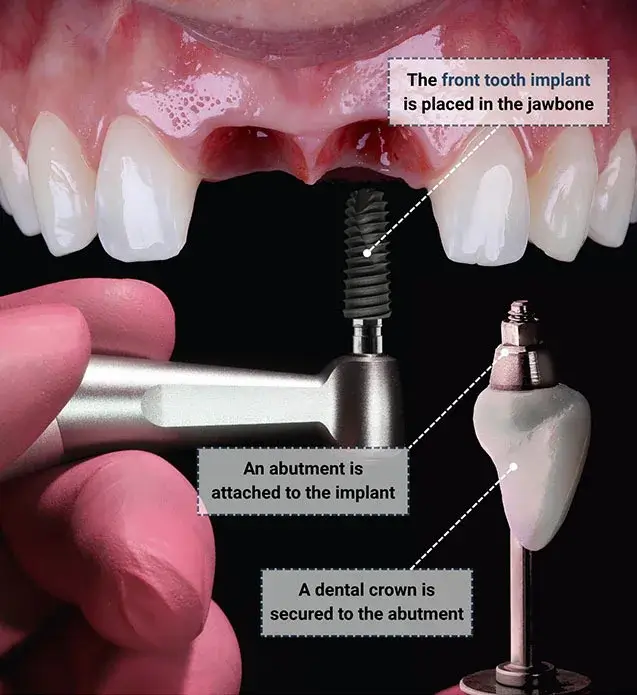
- Single‑tooth implant with abutment and crown typically comes in around THB 55,000–90,000 per tooth (roughly USD 1,500–2,500).
- All‑on‑4 or full‑arch solutions usually range from THB 300,000–500,000 per arch (USD 8,000–14,000), depending on lab work and materials.
- Bone grafts or sinus lifts are additional if needed.
Clinics often offer package pricing so you know what is included—consultation, imaging, surgery, abutment, provisional and final crowns—before you book flights. Compared to many Western countries, you can expect significant savings while keeping quality high.
Travel convenience and comfort
Bangkok’s Suvarnabhumi and Don Mueang airports have direct connections from Asia, Europe, the Middle East, and Australia. Visa‑exempt entry for many nationalities makes short treatment trips easy. In Bangkok, staying near the BTS/MRT lines (Asok, Phrom Phong, Thonglor, or Silom) keeps you close to top clinics, hotels, and pharmacies. After surgery, you’ll appreciate how easy it is to find soft, comforting Thai foods—jok (rice porridge), khao tom (rice soup), steamed fish, tofu, smoothies, and fresh coconut water. And with Thailand’s famed service culture, getting around is hassle‑free. No worries.
A sensible timeline for implants
Dental implants are not a one‑day miracle for most cases. Expect a staged approach to allow osseointegration (the implant bonding to bone). A typical plan looks like this:
- Trip 1 (about 7–10 days): Consultation, CBCT, treatment planning, any necessary extractions, and implant placement. Stitches are usually removed at day 5–7. You’ll have a temporary solution for aesthetics in the front area if needed.
- Healing (back home, 3–6 months): Bone integrates with the implant. If you needed bone grafting or
sinus lift, healing may be on the longer side.
- Trip 2 (about 5–7 days): Impression or digital scan, try‑in, and delivery of the final crown or bridge. Some cases need two quick visits a few days apart for lab work.
Immediate loading (“teeth in a day”) is possible for selected cases, especially full‑arch All‑on‑4, but your surgeon will assess bone quality and bite forces before promising that. Honest timelines are part of why Thailand’s best clinics score high on patient trust.
How to choose the right clinic
- Verify specialist credentials: Look for prosthodontists or oral surgeons registered with the Dental Council of Thailand; ask about overseas training and years of implant experience.
- Check technology: CBCT, digital planning software, guided surgery kits, and an in‑house or partnered high‑quality lab.
- Ask about implant systems: Established, globally supported brands make future maintenance easier anywhere in the world.
- Request an itemized treatment plan: Include contingencies for grafts, membranes, or provisional restorations, so there are no surprises.
- Review infection control: Sterilization protocols, surgical suites, and—if complex—access to hospital facilities.
- Read recent reviews: Look for detailed experiences, not just star ratings, and ask to see before‑and‑after cases similar to yours.
- Confirm aftercare and warranties: Understand follow‑up schedules, crown/implant warranties, and what to do if you have an issue after you fly home.
Recovery tips, Thai style
Plan to take it easy for a few days post‑surgery—no Muay Thai, no diving, and avoid very spicy food until your gum tissue settles. Keep the area clean per your dentist’s instructions, use prescribed mouthwash, and take medications as directed. Ice packs and sleeping with your head slightly elevated help reduce swelling. A hotel close to the clinic (or even in the same soi) makes follow‑ups and stitch removal easy. If you’re keen to explore, stick to light sightseeing—malls, temples, river cruises—before resuming more active adventures.
Who makes a good candidate
Healthy nonsmokers with good oral hygiene tend to do best, but controlled diabetes or mild periodontal history doesn’t rule you out. Bring a current medical summary and medication list; your Thai dentist may request blood tests or clearance from your physician. If you clench or grind, discuss night guards early, as occlusion is critical for implant longevity.
Balancing care with a great experience
Thailand’s dental tourism scene grew because it delivers a consistent blend of clinical quality, fair pricing, and smooth logistics. You can book direct flights, stay near efficient transport, eat well even on a soft diet, and feel genuinely taken care of. Add in skilled specialists, modern tech, and transparent planning, and you get a compelling case for doing implants here. It’s not just cheaper; it’s well organized, patient‑centric, and—true to Thai culture—kind. For many, that makes implant dentistry in Thailand not only a smart move for the smile but also a worthwhile journey in itself.