Thailand Dental Implant Tourism Benefits for Global Dental Travelers
Thailand Dental Implant Tourism Benefits for Global Dental Travelers
Thinking about restoring your smile while enjoying a relaxing getaway? Thailand dental implant tourism is a smart, value-packed choice for global dental travelers. With top-tier clinics, experienced implant dentists, and the famous “sabai-sabai” hospitality, you get quality care and a memorable trip—same same but different from what you might expect back home.
Why quality in Thailand is dee mak
- Highly trained dentists: Many Thai implantologists, oral surgeons, and periodontists train internationally and hold board certifications. They perform large volumes of implant cases, which improves skill and outcomes.
- Modern technology: Leading clinics in Bangkok, Phuket, and Chiang Mai use CBCT 3D imaging, digital treatment planning, and guided surgery. Restorations often come from on-site CAD/CAM labs using zirconia or high-strength ceramics.
- Recognized implant systems: Clinics typically work with global brands such as Straumann, Nobel Biocare, or equivalent-quality systems, ensuring reliable components and global compatibility for future maintenance.
- Strict safety: Top facilities follow international infection control protocols and may hold ISO or hospital-level accreditation. English-speaking teams, clear consent processes, and transparent instructions make things mai pen rai (no worries).
Real savings without cutting corners
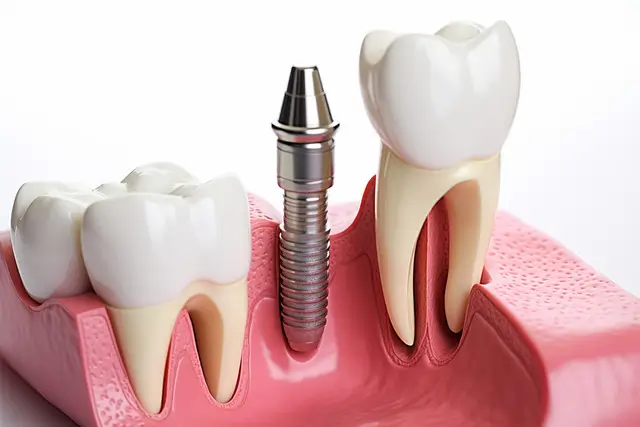
For many patients from the US, UK, Australia, or the Middle East, Thailand dental implants are 40–70% more affordable than at home. While exact pricing depends on your case, a single implant with abutment and crown in Thailand often costs significantly less, even after flights and accommodation. Transparent quotes are common, and package pricing may include X-rays, CBCT, and follow-up visits. Always ask for a line-by-line estimate so you know exactly what’s included.
Smooth timelines designed for travelers
Thailand’s dental clinics understand you’re flying in and want efficient care:
- Pre-trip planning: You can usually share panoramic X-rays or CBCT scans in advance and book an online consultation. The clinic prepares a provisional plan and itinerary so your time in Thailand is well used.
- Surgical visit: For standard cases, implant placement often takes 1–2 hours per area. If bone grafting or sinus lift is needed, the team will explain additional steps and healing time. Many patients stay 5–10 days for post-op checks.
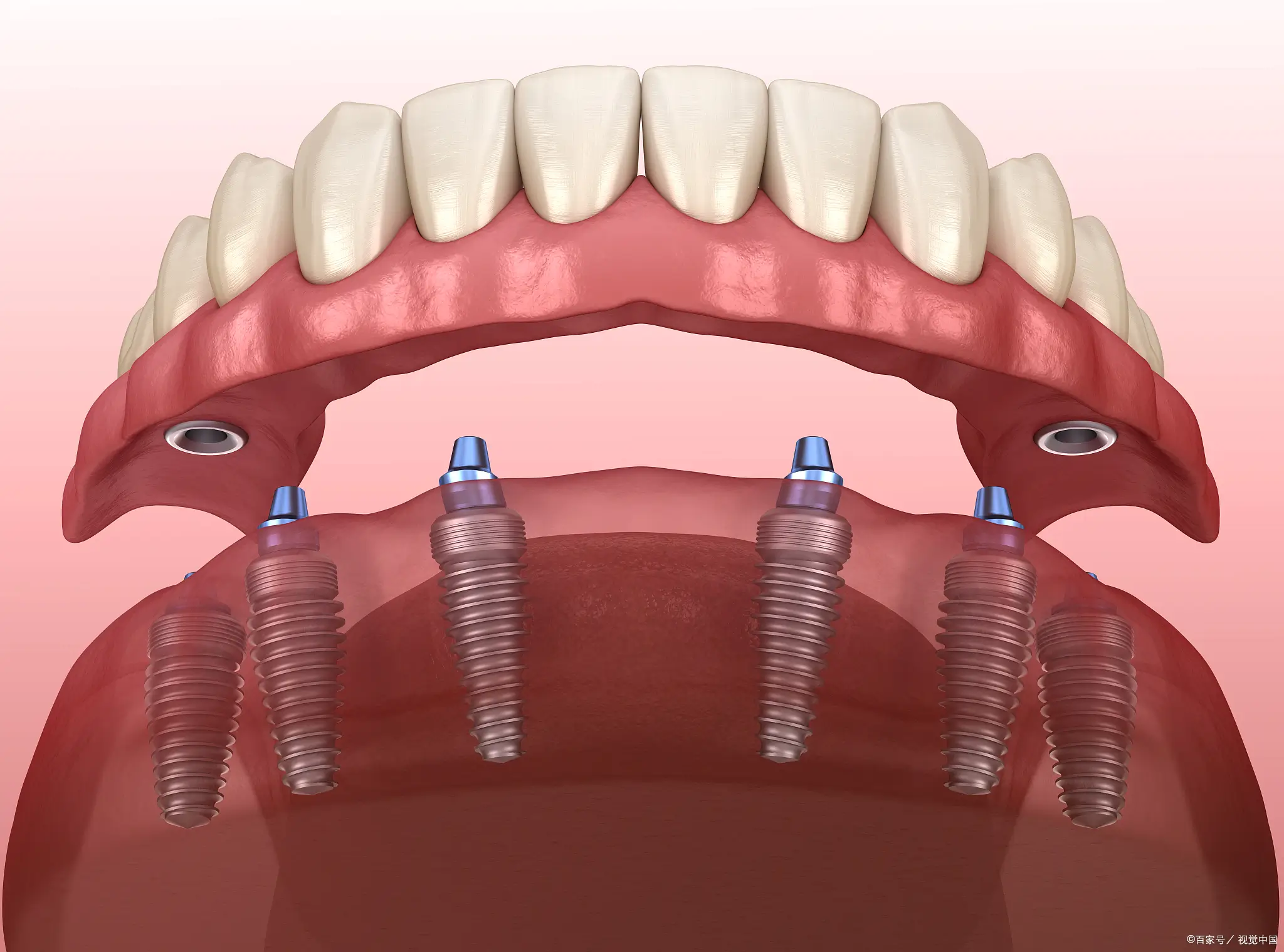
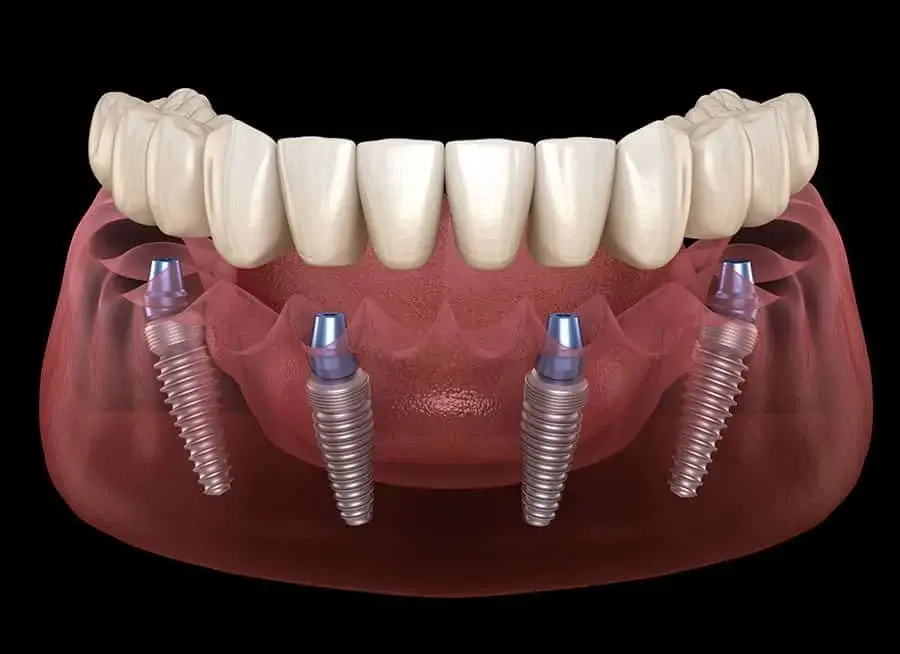
- Immediate load options: If bone quality is strong and your case fits criteria, “teeth in a day” or All-on-4/All-on-6 can be offered. This is case-dependent and should not be promised until proper assessment.
- Second-stage visit: Most implants need 3–6 months to fully integrate. You can return later for the final abutment and crown. Between visits, tele-dentistry follow-ups keep everything on track.
Comfortable, sabai-sabai recovery
Thailand is made for gentle healing. Clinics are often located near convenient hotels, BTS/MRT stations in Bangkok, and calm beaches in Phuket. You can rest in comfort, stick to soft foods, and enjoy a slow pace:
- Friendly post-op menus: Thai classics like jok (rice porridge), tom jeud (clear soups), smoothies, and steamed fish are easy on healing gums.
- Light activities: Think temple visits, river cruises, night markets, art galleries, or a relaxing Thai massage (avoid face-down pressure soon after surgery). Save diving, heavy workouts, or spicy street food for later.
- Dedicated aftercare: Nurses and dentists provide clear guidance: pain control, hygiene
, what to avoid, and when to come for checks. Many clinics offer 24/7 contact lines for visiting patients.
Travel convenience that’s hard to beat
- Flight access: Bangkok (BKK/DMK), Phuket (HKT), and Chiang Mai (CNX) have excellent regional and long-haul connections.
- Visa ease: Many nationalities enjoy visa-free or visa-on-arrival entry; check the latest rules before flying.
- Language and payments: Front-desk and clinical staff commonly speak English (and sometimes Chinese, Arabic, Japanese, or Russian). Clinics accept major cards and provide detailed invoices for insurance claims.
- Location perks: Bangkok clinics are often near central hubs like Asok, Phrom Phong, or Chit Lom, making transport simple.
Who benefits most from Thailand dental implants
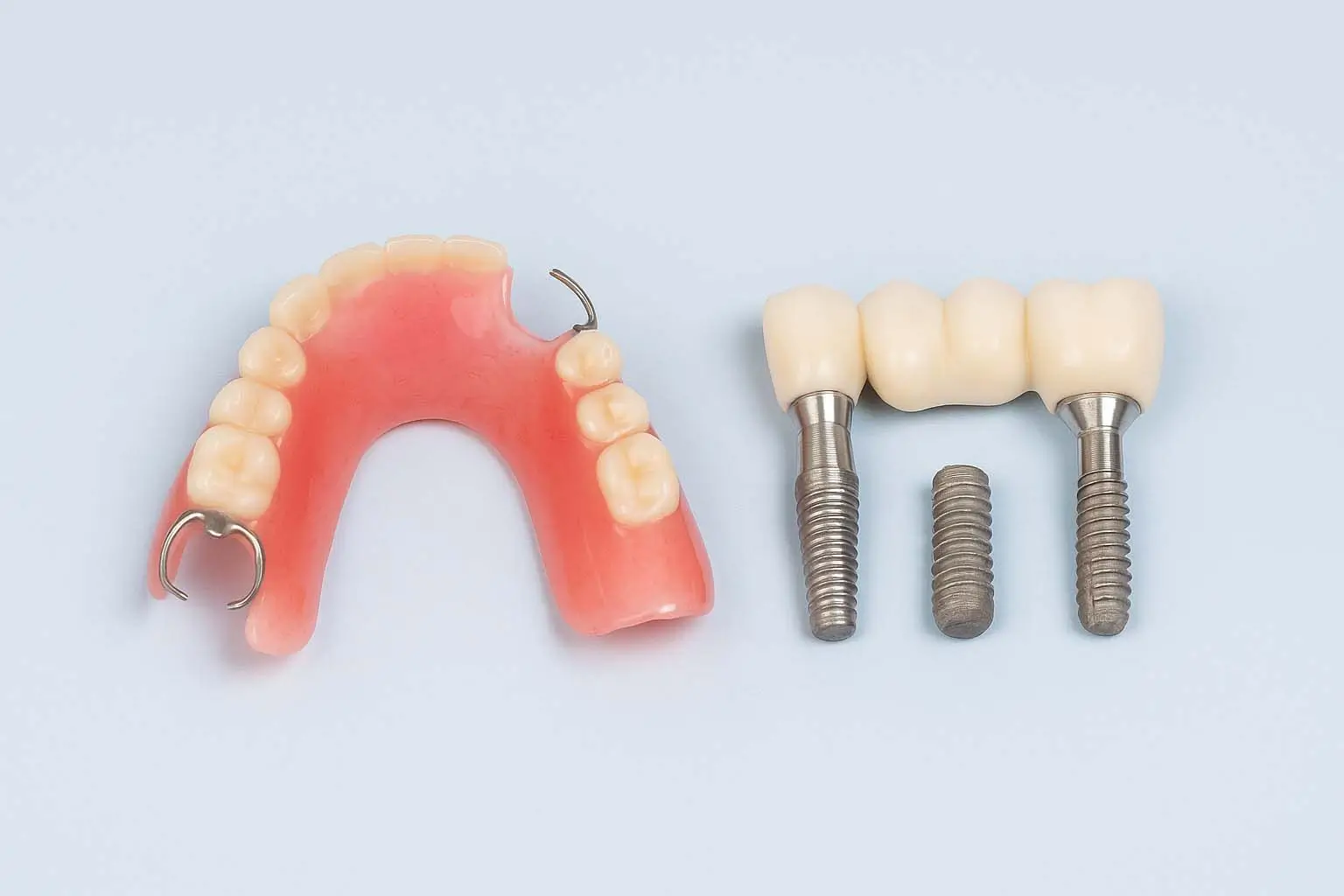
- Single or multiple missing teeth: Ideal for those seeking a natural look and bite stability that bridges or partial dentures may not offer.
- Full-arch solutions: If dentures feel loose, treatments like All-on-4/6 can provide fixed teeth with strong chewing function.
- Complex cases: With grafting, sinus lifts, and guided surgery available, patients with bone loss can still explore implant options—just allow extra time for healing.
How to choose a Thai clinic with confidence
- Check qualifications: Confirm your dentist’s specialty (implantology, oral surgery, periodontology) and years of experience.
- Ask about systems and lab: Which implant brands are used? Is the lab in-house? What materials do they use for abutments and crowns?
- Sterilization and safety: Inquire about protocols, imaging, and surgical guides.
- Clear treatment plan: Request a written plan with costs for surgery, components, abutment, crown, grafts, meds, and follow-up.
- Warranty and follow-up: Understand what is covered, for how long, and how remote support works once you’re home.
- Sedation options: If you’re anxious, ask about IV sedation or general anesthesia in a hospital setting when indicated.
- Reviews and case photos: Look for before–after galleries and independent reviews for real patient experiences.
Your expected journey at a glance
- 2–3 weeks before travel: Share scans, get a preliminary plan, book dates.
- Day 1 in Thailand: In-person exam, CBCT, final plan and consent.
- Day 2–3: Implant surgery; rest the same day.
- Day 4–7: Post-op check and suture review; enjoy light sightseeing and soft foods.
- 3–6 months later: Return for abutment and crown or full-arch finalization. Some immediate-load cases shorten this, if clinically suitable.
Smart tips for global dental travelers
- Bring medical and dental records, medication list, and any allergy info.
- Stop smoking if possible; it improves healing and implant success.
- Control systemic conditions like diabetes in advance; coordinate with your physician.
- Book accommodation close to the clinic to limit travel after surgery.
- Get travel insurance that covers medical changes or trip adjustments.
- Plan some “sanuk” time before surgery and quieter days after.
In short, Thailand dental implant tourism strikes a rare balance: high clinical standards, attentive care, and sensible pricing, wrapped in warm Thai hospitality. Whether you choose Bangkok for its world-class clinics and city convenience, Phuket for sea-breeze recovery, or Chiang Mai for a serene pace, you’ll find the experience smooth, friendly, and focused on results. With good planning and the right clinic partner, your new smile—and your Thai adventure—will both feel dee mak, krub/ka.