Thailand Dental Tourism and Dental Implant Benefits for International Patients
Thailand Dental Tourism and Dental Implant Benefits for International Patients
Sawasdee from the Land of Smiles. Thailand has earned a global reputation for combining warm hospitality with world‑class healthcare, and dental tourism sits right at the heart of that story. For international patients, especially those from Australia, the Middle East, Europe, and the US, coming to Bangkok, Phuket, Chiang Mai or Pattaya for dental implants can mean quality treatment, shorter waiting times, and real value for money—plus a little holiday on the side. If you are considering replacing missing teeth, here’s a clear, friendly guide to why dental implants in Thailand make sense and how to plan a smooth trip.
Why Thailand is a top pick for dental implants
- High standards and experienced specialists. Many Thai dentists complete postgraduate training in implantology and prosthodontics, often with international fellowships. Clinics commonly use leading implant systems such as Straumann, Nobel Biocare, and Astra, and follow strict sterilisation protocols. You’ll find clinics with ISO certifications and hospital partners, giving you peace of mind.
- Modern technology. From 3D CBCT scans and digital impressions to guided surgery and CAD/CAM crowns, Thai clinics invest in modern equipment that supports accuracy and comfort. This tech helps your dentist plan the implant position precisely and reduces chair time.
- Cost savings without cutting corners. Depending on your case and chosen brand, a single implant with a crown in Thailand can be 40–70% lower than prices in Australia, the UK, or the US. Package quotes are usually transparent, with clear line items for the implant, abutment, crown, imaging, and any grafting.
- Convenience and service culture. Same‑week appointments are common, clinics have evening and weekend slots, and English‑speaking coordinators make communication easy. Many centres offer airport pickups, hotel tie‑ups, and treatment plans that fit your travel schedule. Truly, “no worries.”
Understanding dental implants in simple terms
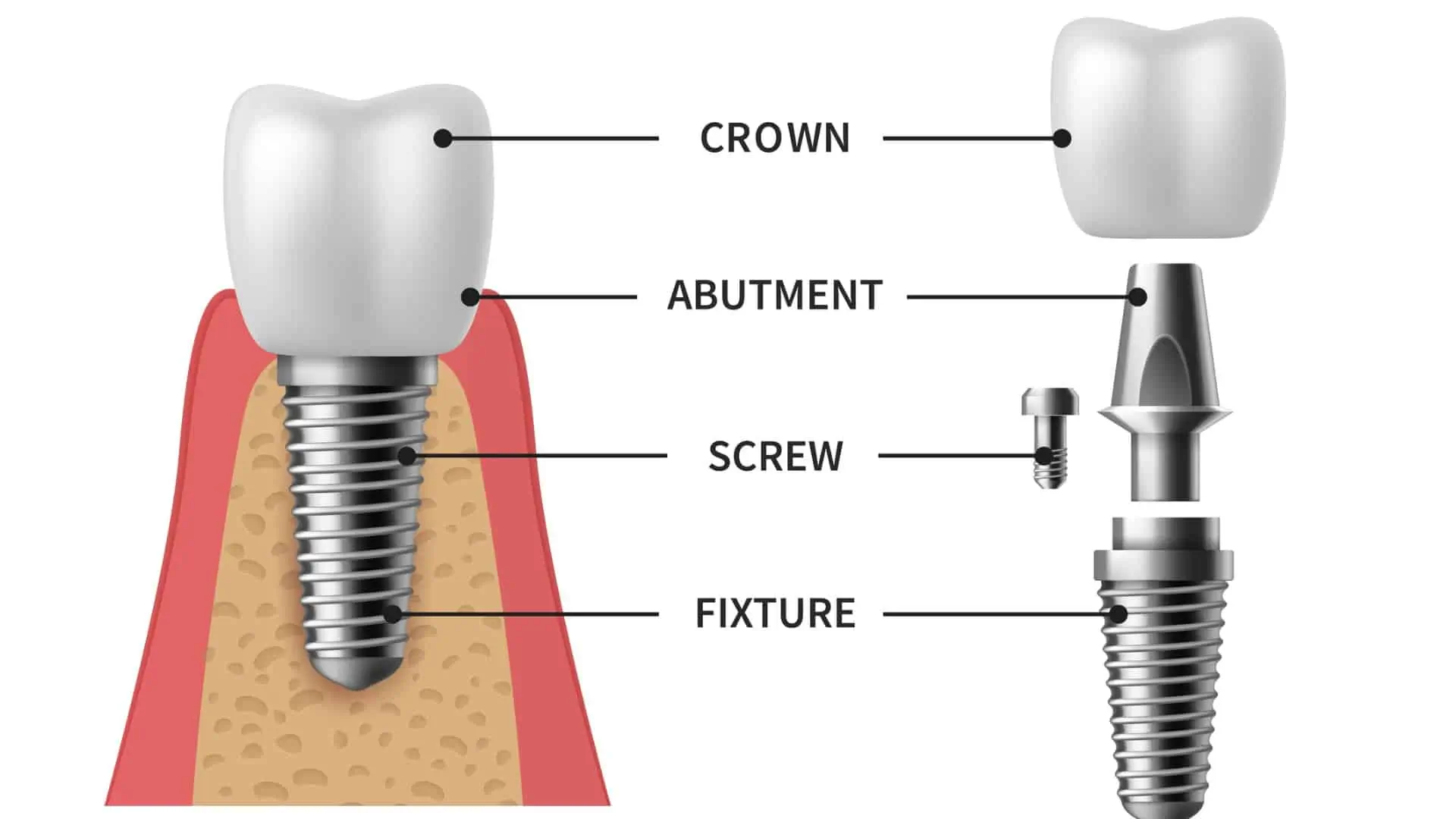
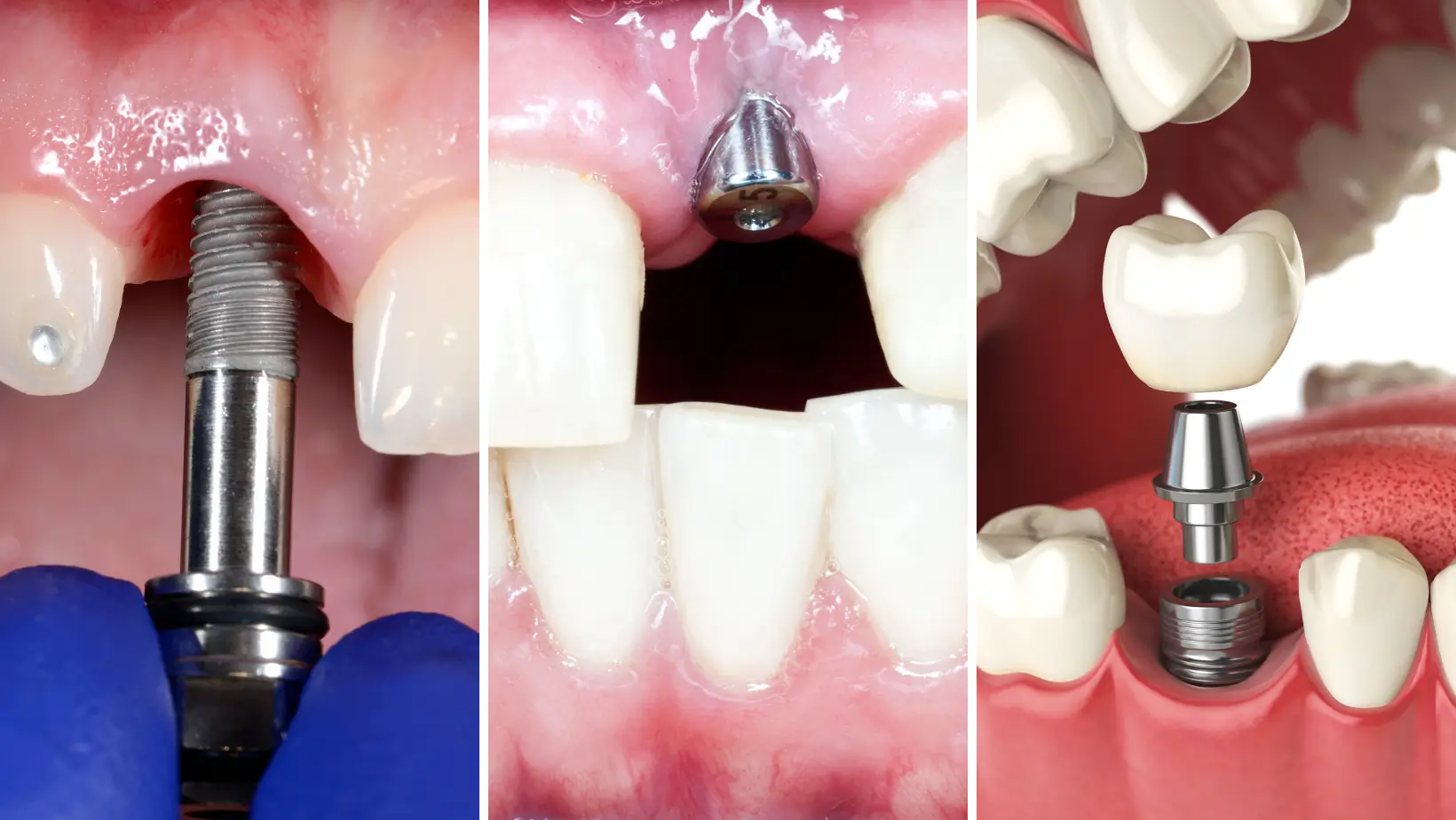
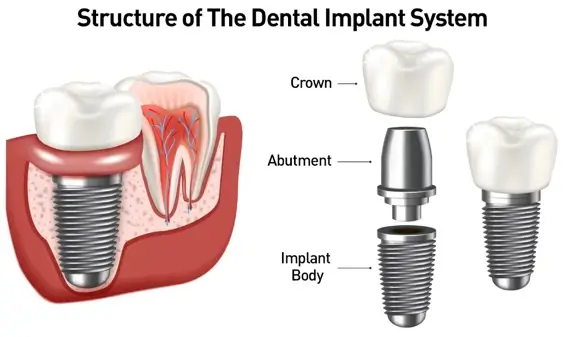
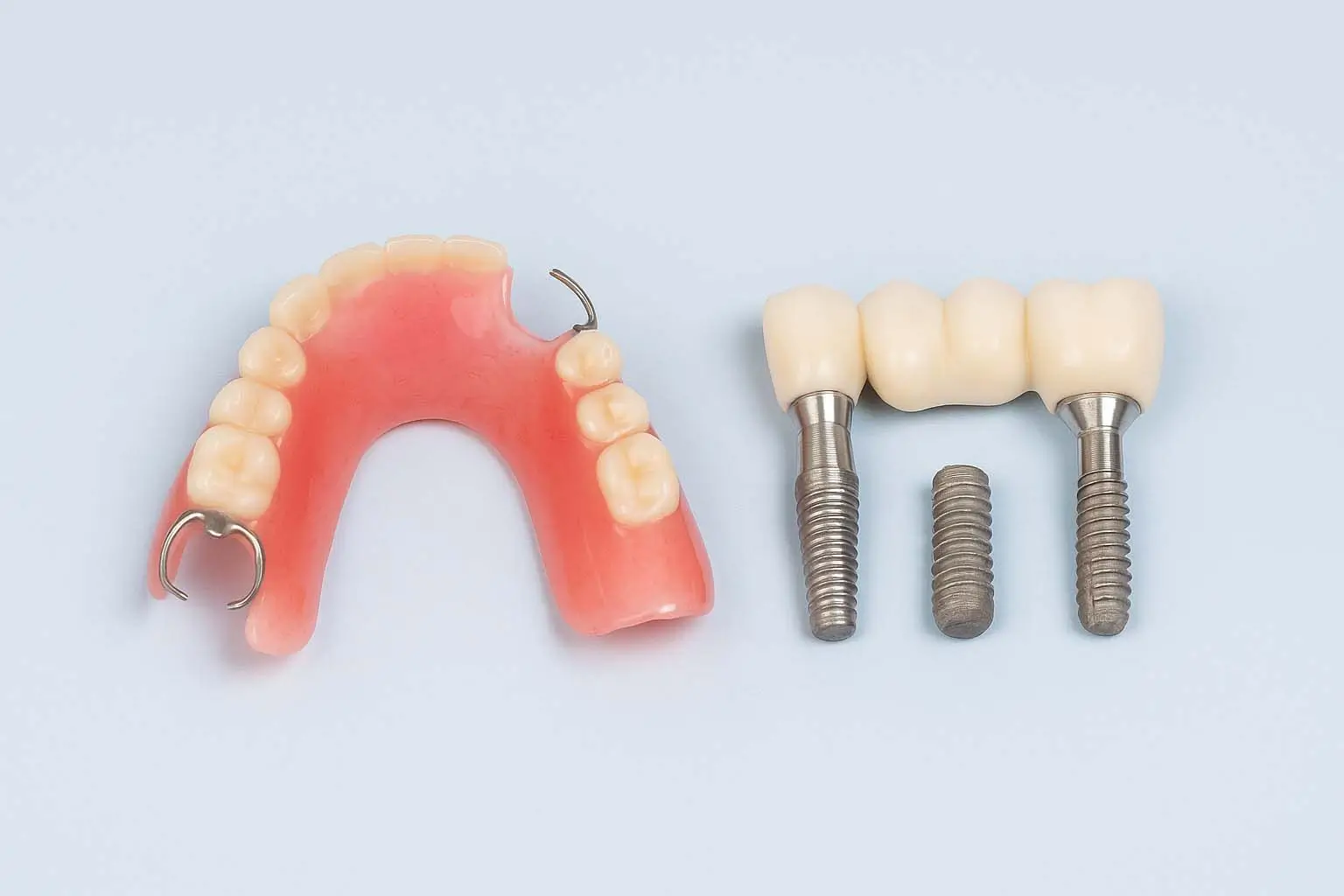
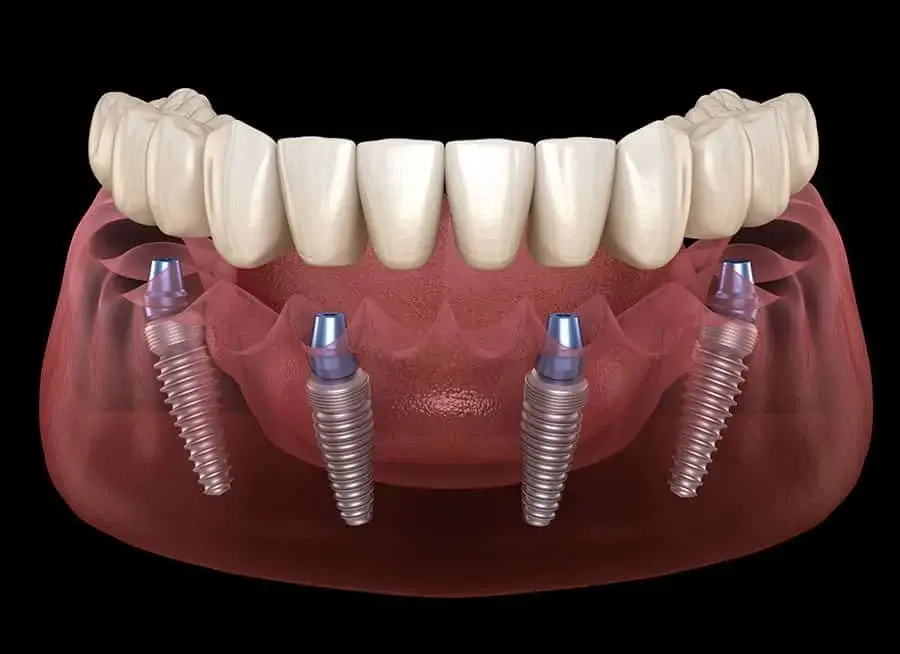
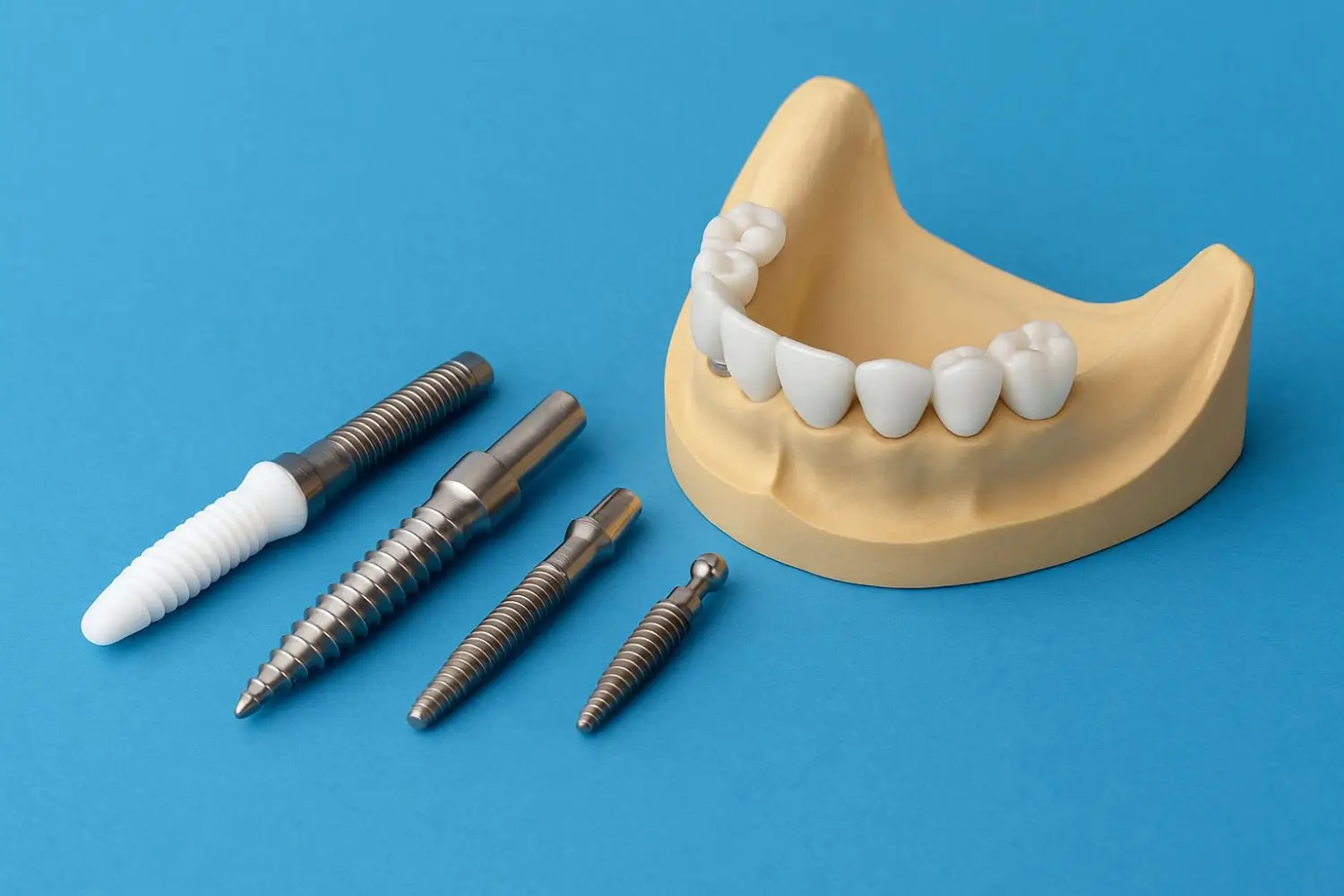
A dental implant is a small titanium or zirconia post placed in the jaw to act like a tooth root. After placement, the bone fuses to the implant in a natural process called osseointegration. The dentist later attaches an abutment and a custom crown to complete the new tooth. Implants can also support bridges and full‑arch solutions like All‑on‑4 or All‑on‑6. When done by qualified specialists, success rates are high—often around 95% over many years. Good candidates are healthy non‑smokers with sufficient bone; if bone is thin, grafting or a sinus lift can be planned.
What your treatment journey looks like
- Before you fly. Most clinics offer free online assessments. You can share a recent panoramic X‑ray or CBCT scan, medical history, and any photos. The clinic will respond with a proposed plan, approximate cost, and how many visits are needed. For many single‑tooth cases, plan two visits: one for implant placement and one for the final crown after healing.
- Visit 1: diagnosis and surgery. Expect an in‑person exam, CBCT scan if required, and digital impressions. Local anaesthesia is standard, with IV sedation available if you prefer to sleep through the procedure. A straightforward single implant can take 60–90 minutes. You may receive a temporary tooth for the visible smile zone.
- Rest and recovery. Mild swelling or bruising is normal for a few days. Your dentist will prescribe pain relief and antibiotics if indicated, and advise soft foods and salt‑water rinses. It’s smart
to stay in Thailand 3–7 days after surgery for follow‑up checks before flying out.
- Healing period. Osseointegration usually takes 3–6 months, depending on your bone quality and overall health. Some immediate‑load cases are possible, but your dentist will only recommend that when it’s safe for long‑term success.
- Visit 2: abutment and crown. After healing, you return for impression-taking or digital scanning and fitting of the final crown. Many clinics can complete this second stage in 2–5 days.
How to choose the right Thai dental clinic
- Specialist credentials: implantology or prosthodontics training, years of experience, and membership in recognised dental associations.
- Tech and materials: onsite CBCT, digital scanners, surgical guides, and recognised implant brands with a global warranty.
- Infection control: documented sterilisation protocols and clinic or hospital accreditations.
- Case portfolio: before‑and‑after photos and reviews from international patients.
- Clear pricing: written plans that separate implant, abutment, crown, grafts, sedation, and follow‑up.
- Aftercare plan: emergency contact, check‑up schedule, and local dentist coordination when you’re back home.
- Realistic advice: no “too good to be true” promises. A trustworthy clinic will explain risks, alternatives, and timelines.
Travel and timing tips that keep things “same same but better”
- Plan light sightseeing. Keep the first few days post‑surgery relaxed—no Muay Thai, diving, or heavy nightlife. Walking around malls or a gentle temple visit is fine once you feel up to it.
- Location matters. In Bangkok, choose accommodation near BTS or MRT for easy clinic access, especially if you’re slightly swollen on day two.
- Mind the menu. Thailand is foodie heaven, but stick to soft, non‑spicy options for a few days. Think khao tom (rice porridge), soft noodles, and smoothies.
- Bring a companion if possible. It’s convenient on surgery day and usually makes the trip more sanuk (enjoyable).
- Visas and insurance. Many passports enjoy visa‑exempt entry for short stays. Travel insurance that covers medical changes to your trip is a smart idea.
Costs and value for money
Exact pricing depends on your case, the implant brand, and whether grafting is needed. As a broad guide, Thailand’s all‑in fees for a single implant with a crown are typically much lower than in Western countries, even when you add flights and hotels. Full‑arch solutions can also be significantly more affordable. Always ask for a written quote and note what is included—imaging, surgery, components, temporary tooth, final crown, medication, and follow‑up visits. Sedation, bone grafts, and premium materials may be itemised separately.
Aftercare to protect your long‑term result
- Keep up excellent oral hygiene with gentle brushing and interdental cleaning.
- Attend routine check‑ups and professional cleanings, whether in Thailand or at home.
- Use a night guard if you grind your teeth.
- Avoid smoking, which can compromise healing and long‑term success.
- If anything feels “off”—mobility, discomfort, or bite changes—contact your clinic promptly.
A final word
Thailand’s blend of skilled dentists, modern technology, friendly service, and competitive pricing makes dental implants an attractive option for international patients. With a properly planned itinerary and a reputable clinic, you can return home with a stronger bite and a confident smile—no fuss, no drama, just good value and good care.