Thailand Dental Implant Benefits for Cost Conscious Dental Tourists
Thailand Dental Implant Benefits for Cost Conscious Dental Tourists
If you’re watching your budget but still want a long-lasting, natural-looking solution for missing teeth, Thailand is a solid choice. The Land of Smiles has become a global hub for dental tourism, especially for implants, thanks to favorable prices, experienced dentists, and service-minded care. For cost conscious dental tourists, the value here is not only about paying less—it’s about getting more bang for your baht without compromising safety or results.
Why Dental Implants in Thailand Make Sense
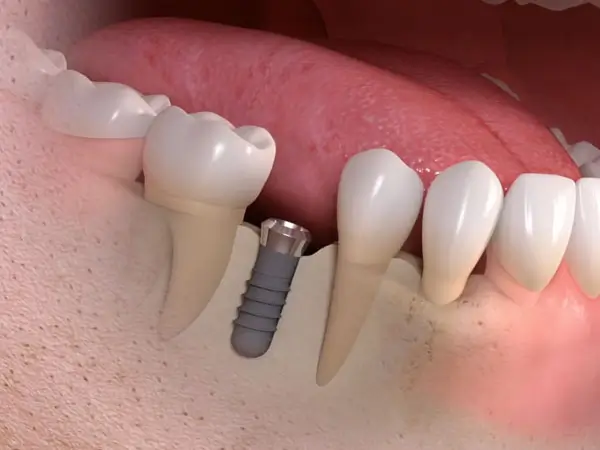
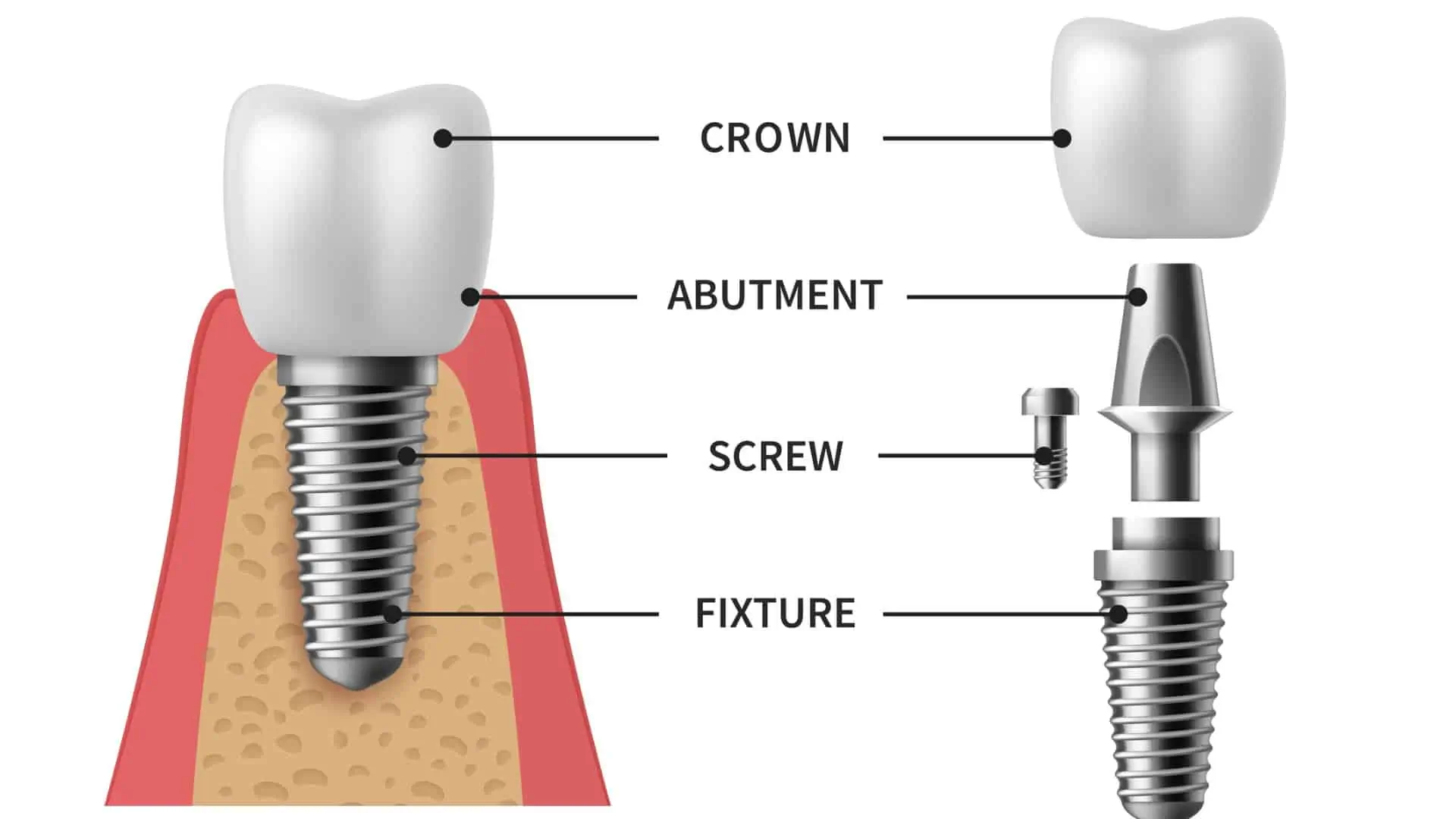
- Significant savings with transparent pricing: In Thailand, a quality single-tooth implant with abutment and crown typically costs far less than in Western countries. Final figures vary by brand and case complexity, but many patients report paying roughly 40–70% less than at home. Clinics often quote all-in packages that include consultation, CBCT scan, surgery, abutment, and crown, so no need to guess the final bill.
- International standards and brand-name systems: Top clinics in Bangkok, Chiang Mai, Phuket, and Pattaya use globally recognized implant systems (such as Straumann, Nobel Biocare, or Zimmer) and follow strict sterilization protocols. Many dentists trained or completed fellowships abroad and present clear treatment plans in English.
- Short waiting times and efficient scheduling: No long queue. You can usually secure a consultation within days, and clinics can coordinate multiple appointments in one trip. This streamlined approach is a big plus for travelers on limited time.
- Comfortable experience with a Thai touch: Expect friendly, “no worries” service and staff who speak English daily with expats and visitors. Many clinics are near BTS/MRT stations or in central “soi” locations, so getting around is easy.
Understanding the Treatment Timeline
Dental implants are a process, not a quick fix. A typical plan looks like this:
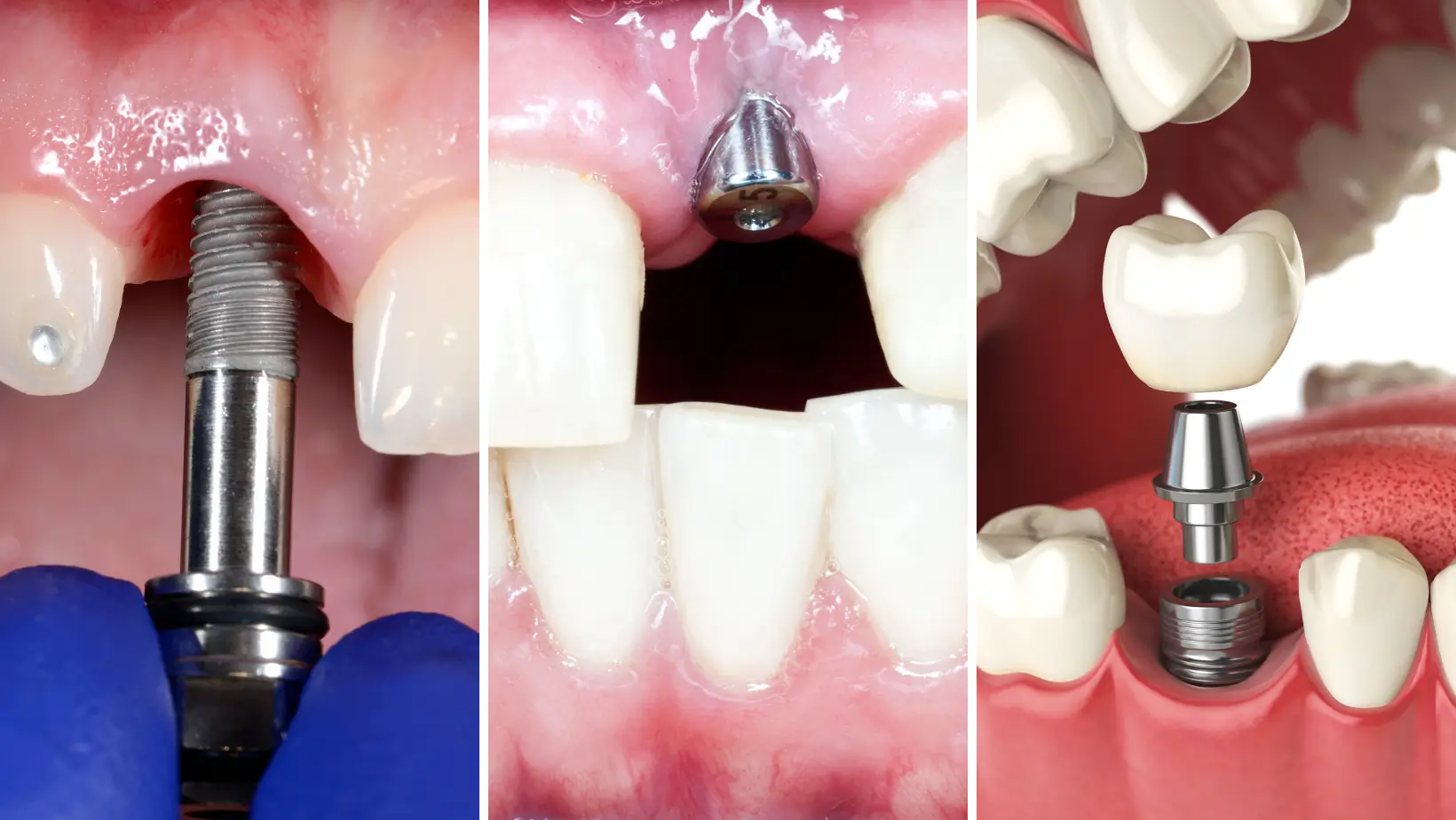
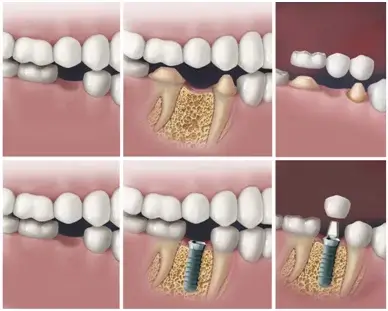
- Trip 1 (3–7 days): Consultation, CBCT imaging, treatment plan, and implant placement. If a tooth extraction is needed, it can sometimes be done in the same visit. You’ll go home with clear aftercare instructions and medications.
- Healing (3–6 months): Osseointegration (the implant fusing with bone) happens while you’re back home. Some cases need bone grafting or a sinus lift, which can extend the timeline.
- Trip 2 (5–7 days): Abutment placement and final crown fitting. Bite is adjusted and your smile is ready to go.
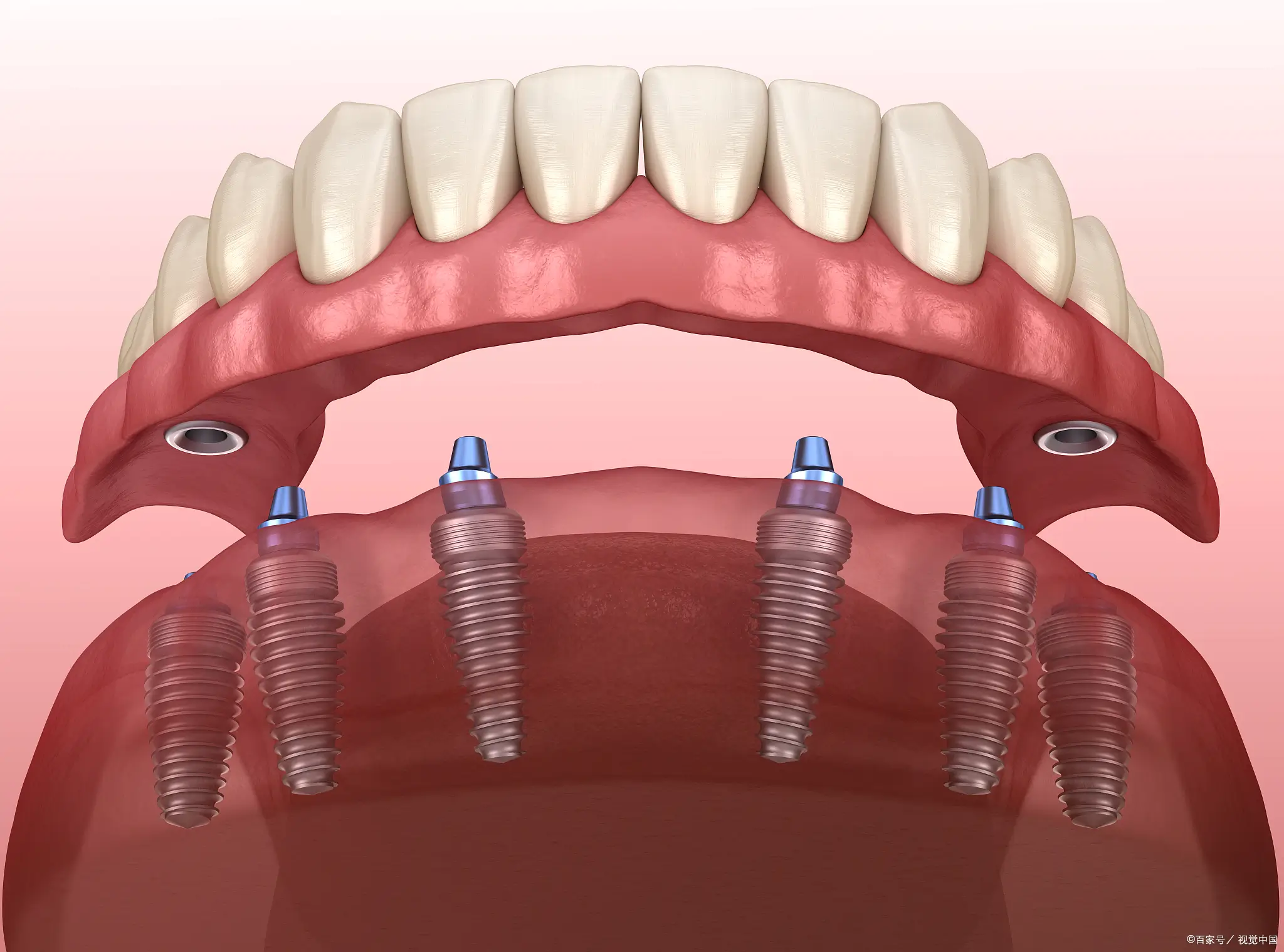
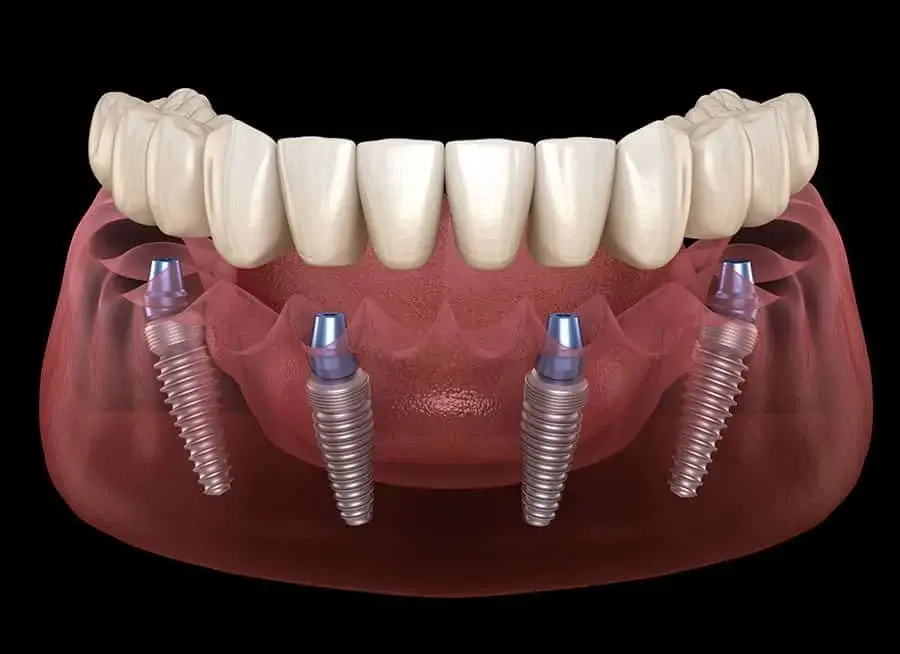
Immediate-loading options like All-on-4 or All-on-6 can place a fixed provisional bridge within a few days for suitable cases, but proper assessment is key. Same same but different: not everyone is a candidate, so trust your doctor’s advice.
What to Look For in a Thai Dental Clinic
- Credentials and experience: Check the dentist’s license, postgraduate training, and years of implant experience. Board certifications and memberships in implant associations are a good sign.
- Technology on site: Clinics with CBCT, digital scanning, and guided surgery tools can plan more precisely and reduce surprises.
- Clear pricing and inclusions: Ask what’s included in the quote—implant brand, abutment, crown material, medication, x-rays, and follow-ups. A written treatment plan helps you compare apples to apples.
- Real patient reviews and before/after photos: Go beyond glossy ads. Independent reviews
and case galleries show consistent results.
- Warranty and aftercare: Reputable clinics offer a warranty period and specify what it covers. Ask how they handle issues once you return home.
Counting the True Cost (and Avoiding Surprises)
Saving money is great, but smart travelers plan for add-ons. Potential extras may include:
- Bone graft or sinus lift if bone is insufficient
- Temporary crown or provisional prosthesis
- CBCT scan and blood tests (if needed)
- Medications and post-op consumables
- Night guard for bruxism (if you grind your teeth)
Also budget for flights, hotel, local transport, and a rest day or two. Many clinics arrange airport pickup or hotel partnerships—very convenient if you’re new in town.
Quality and Safety You Can Feel Good About
Good clinics in Thailand follow international guidelines for sterilization and infection control. Staff will walk you through pre-op instructions and post-op care, and they’ll schedule follow-ups before you fly out. If you have conditions like diabetes or take blood thinners, let the dentist know in advance so they can coordinate with your physician and adjust the plan. Don’t be shy to ask about implant brands, success rates, and how many cases the doctor handles each year—service-minded teams are happy to share.
Comfortable Recovery, Thai-Style
After surgery, you’ll be encouraged to take it easy—think “mai pen rai, slow life.” Plan soft foods for the first few days: rice porridge (jok), steamed fish, tofu, yogurt, bananas, and room-temperature drinks. Avoid very spicy, sticky, or crunchy foods until your dentist gives the green light. Keep the area clean with gentle rinsing as advised. Many clinics provide a 24/7 hotline or chat support if you have questions during recovery.
Travel Tips for Dental Tourists
- Timing: Avoid overpacking your schedule. Keep at least one free day after surgery. If you’re doing multiple implants or grafting, consider a longer stay.
- Location: Clinics near Sukhumvit, Silom, or Ratchathewi in Bangkok offer easy BTS/MRT access. In Phuket or Chiang Mai, staying close to the clinic cuts down travel stress.
- Visa and insurance: Many nationalities get 30 days visa-exempt on arrival, but check your passport rules. Dental care is usually not covered by travel insurance, but medical travel insurance for complications is worth considering.
Who’s a Good Candidate?
Healthy adults with adequate bone and good oral hygiene are prime candidates for implants. Smokers and those with uncontrolled diabetes have higher risks; quitting and stabilizing health conditions improves outcomes. If you’ve been missing teeth for years, a CBCT scan will show if grafting is needed. Your dentist will tailor the approach—single implant, bridge on implants, or full-arch solutions like All-on-4.
The Bottom Line for Cost Conscious Travelers
Affordable doesn’t mean “cheap.” In Thailand, you can secure high-quality implants, modern tech, and attentive aftercare at a price that fits your budget. The key is to do your homework, choose a clinic with strong credentials and transparent pricing, and allow proper time for healing. With thoughtful planning, you’ll head home with a confident smile and the peace of mind that you made a smart, value-driven choice—truly the best bang for your baht.