Thailand Dental Implant Advantages for International Dental Travelers
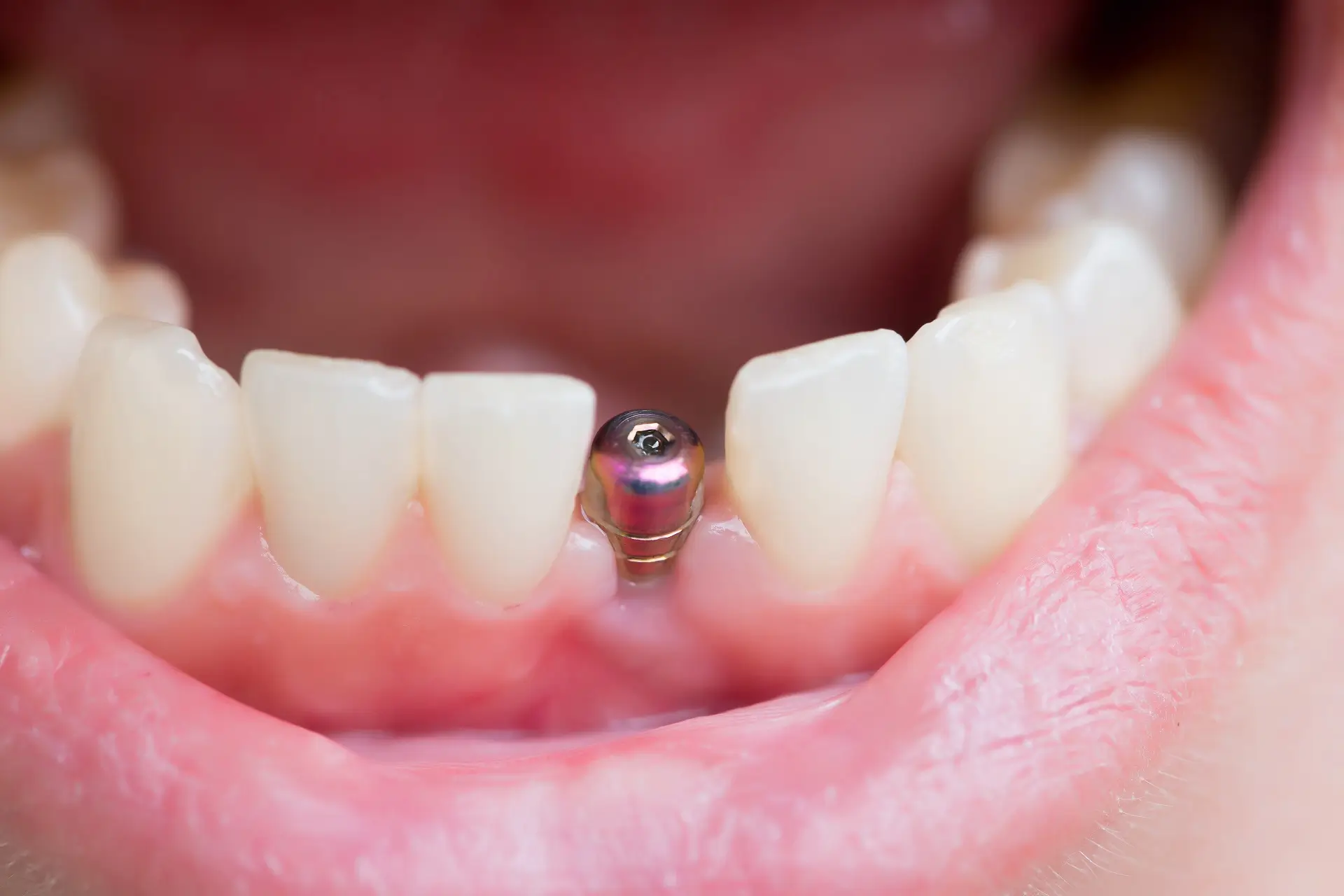
Thailand Dental Implant Advantages for International Dental Travelers
If you’ve been thinking about dental implants and a change of scenery, Thailand is a smart “two birds, one stone” choice. Known as the Land of Smiles, the country blends skilled dentistry, fair pricing, and relaxing recovery settings in a way that feels calm, friendly, and quite “mai pen rai” (no worries). Here’s a clear look at why international dental travelers choose Thailand for implants—and how to make the most of your trip.
Value without compromising quality
Dental implant treatment in Thailand is typically more affordable than in North America, Europe, or Australasia, often saving patients a significant amount, even after flights and hotels. The difference comes from lower overheads and a competitive private healthcare market, not from cutting corners. Many leading clinics use globally recognized implant systems like Straumann and Nobel Biocare, offer zirconia or high-quality ceramic restorations, and follow strict infection control protocols. You’ll find board-certified oral and maxillofacial surgeons and prosthodontists, and many clinicians train or attend conferences abroad to keep skills current.
Modern technology you can see
Thailand’s top clinics lean into digital dentistry. Expect CBCT (3D) scans for precise bone mapping, intraoral scanners for mess-free impressions, and computer-guided surgery for accuracy and safety. This tech helps reduce chair time, supports immediate or early loading where appropriate, and improves long-term outcomes. Many practices are ISO-certified, and some are connected to JCI-accredited hospitals, a reassuring plus for patients who prefer hospital-grade environments.
Treatment timelines tailored for travelers
Implants are a process, and planning around travel is key. A typical pathway looks like this:
- Visit 1 (3–10 days): Consultation, CBCT, treatment planning, implant placement, and—if your case is suitable—temporary teeth for aesthetics. If bone grafting or a sinus lift is needed, it may be done at the same time.
- Healing (8–16 weeks on average): Osseointegration back home. You’ll be given clear instructions and remote follow-up as needed.
- Visit 2 (5–10 days): Uncovering the implant if needed, impressions or scans, and fitting the final crown, bridge, or All-on-4/6 restoration.
Some cases allow immediate loading (same-trip fixed teeth), especially full-arch solutions like All-on-4. Your dentist will advise based on bone quality and bite forces—safety first, always.
Comfort, communication, and care that feels easy
English is widely spoken in medical settings in Bangkok, Phuket, Pattaya, and Chiang Mai. You’ll notice the Thai hospitality straight away—staff are polite, patient, and detail-oriented, and the vibe tends to be calm. Clinics often offer IV sedation or general anesthesia in a hospital setting for anxious patients, and you’ll receive clear, written post-op guidance. It’s quite normal to be addressed with “Khun” before your name—a sign of respect—and to hear “no worries” often. The focus is making you comfortable, start to finish.
Convenient travel and smooth logistics
Thailand is well-connected with direct flights from most regions. E-visa or visa-on-arrival is available to many nationalities. In Bangkok, clinics are often along BTS Skytrain or MRT lines—think Sukhumvit, Asok, Phrom Phong, or Sathorn—so getting around is straightforward. Many clinics can:
- Arrange airport pickup and hotel recommendations near the practice
- Coordinate your schedule to minimize downtime
- Provi
de treatment letters for insurance or tax purposes if applicable
If you’re planning a beach break in Phuket or Krabi, schedule the holiday after the procedure, not before, and skip swimming for at least a week to protect healing sites. Light sightseeing is fine; just avoid heavy lifting, spicy food for a few days, and alcohol until your dentist says “ok, la.”
Transparent pricing and sensible warranties
Good clinics provide a written treatment plan with itemized fees in Thai baht (THB), including the implant brand, abutment type, and crown material. Packages may cover consultation, CBCT, surgery, temporary teeth, and follow-up. Ask about:
- Warranty terms for the implant fixture and crown (what’s covered and for how long)
- What happens if you need adjustments after you fly home
- Teleconsultation options and cooperation with your local dentist
With proper care—daily cleaning, water flossers, and routine check-ups—implant success rates are high. Your Thai dental team can coordinate maintenance protocols you can follow with your dentist back home.
Who makes a good candidate
Ideal candidates have good general health, healthy gums, and enough bone volume. Smokers, uncontrolled diabetics, and those with active gum disease face higher risks but may still qualify with extra planning. Bring recent dental records if you have them, and share your full medical history. A CBCT on arrival confirms whether you need grafting, short implants, or advanced techniques like zygomatic implants for severe bone loss (available at select centers).
How to choose the right clinic
- Check credentials: Look for specialists in implantology, oral surgery, or prosthodontics, and memberships in recognized bodies.
- Review cases: Before-and-after photos and case explanations show experience and attention to detail.
- Confirm technology: CBCT, guided surgery capability, and in-house or partner dental labs with CAD/CAM milling ensure precision.
- Ask about sterilization: Autoclave logs, single-use disposables, and clear infection-control protocols should be standard.
- Discuss contingency plans: What if swelling lasts, a screw loosens, or you need an extra review—how will it be handled with your travel dates?
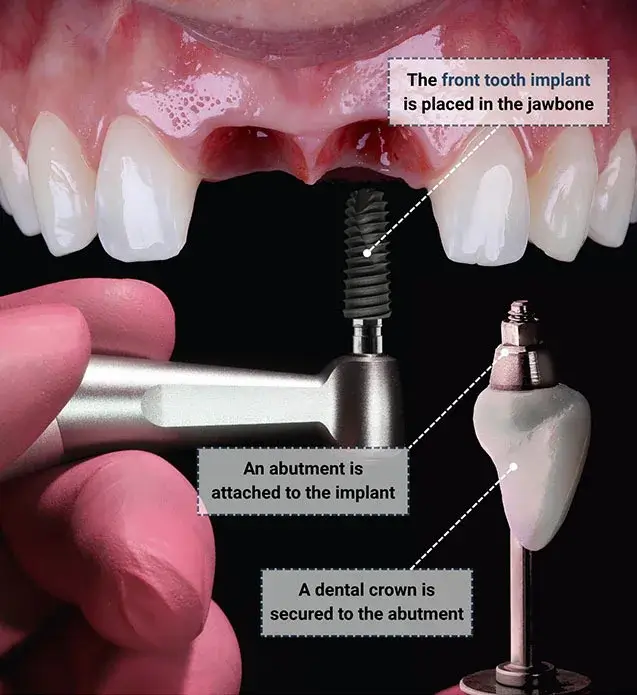
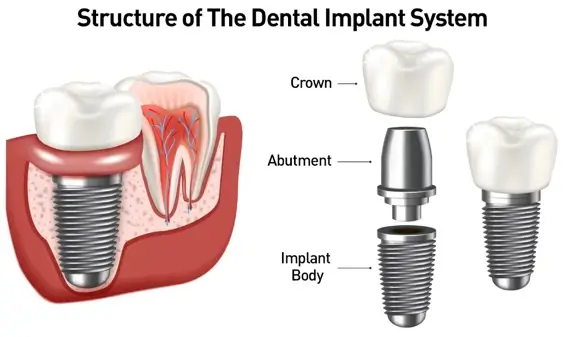
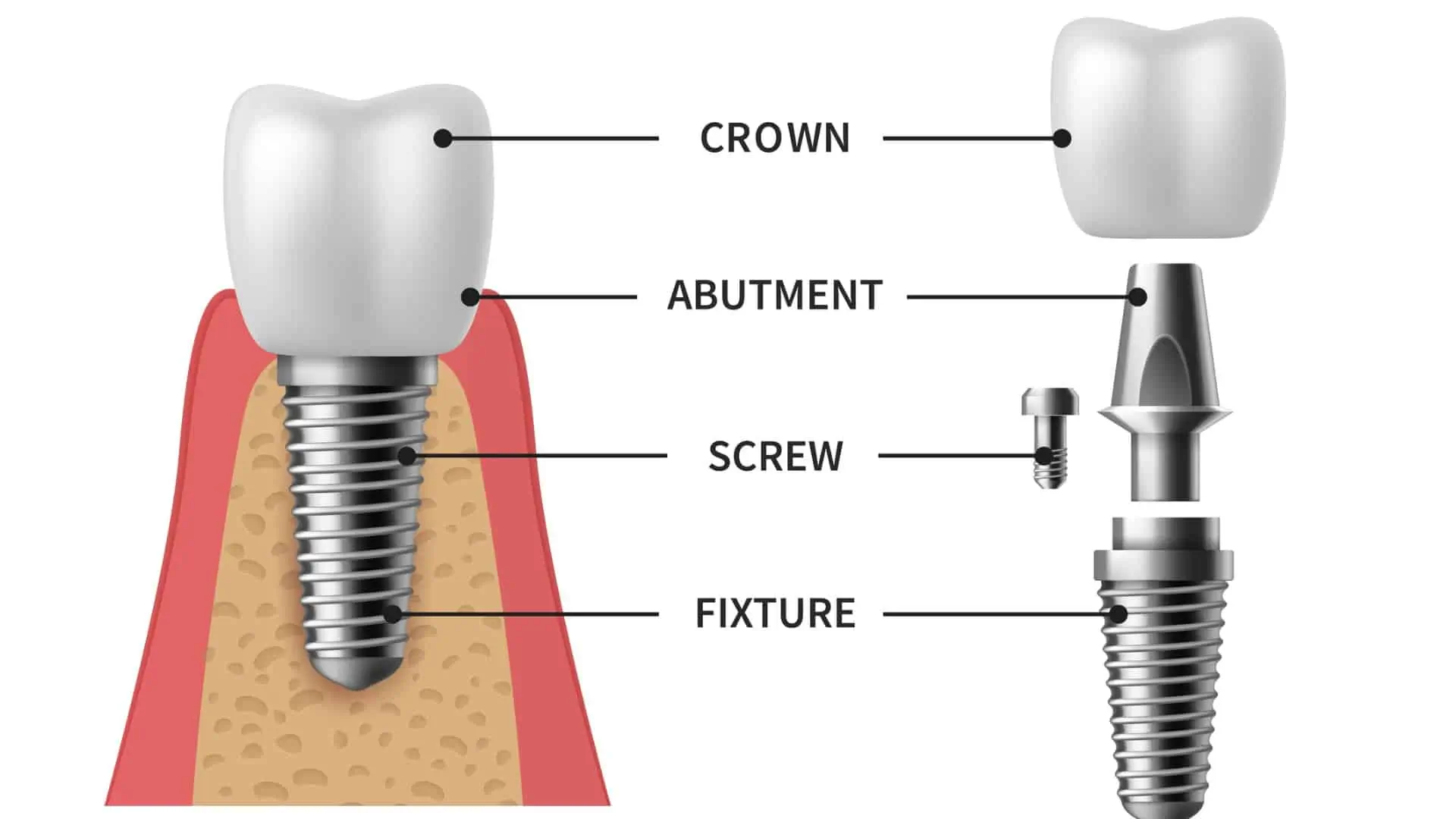
- Understand materials: Implant brand, abutment connection, and crown options (monolithic zirconia vs. porcelain-fused-to-metal) affect durability and aesthetics.
- Speak to real patients: Testimonials and independent reviews offer an honest picture of service and outcomes.
Recovery and long-term success tips
After surgery, apply cold packs as guided, keep your head elevated the first night, and take prescribed medication on time. Stick to soft foods—congee, yogurt, smoothies, soft fish, and ripe mango are easy options—and avoid chewing directly on the implant until cleared. Rinse gently with saltwater after 24 hours, and begin careful brushing as advised. If you notice persistent pain, swelling after day three, or any mobility in the implant area, contact the clinic right away. Long term, clean around the implant daily, use interdental brushes, and book regular checks. Treat your new teeth like your own—because they’re now part of your smile.
Final word
With experienced clinicians, modern tech, friendly service, and fair pricing, Thailand offers real advantages for dental implants. Plan well, choose a reputable clinic, and give yourself a few easy days to recover. You’ll go home saying “khob khun” to your Thai team—and smiling with confidence for years to come.