Why Choose Thailand for Dental Implants and Cosmetic Dental Tourism
Why Choose Thailand for Dental Implants and Cosmetic Dental Tourism
If you’ve been thinking about restoring your smile and taking a well-earned break at the same time, Thailand makes it surprisingly easy. The Land of Smiles is not only about beaches and street food; it’s also home to advanced, patient-centred dentistry that’s friendly on the wallet. Here’s the lowdown on why people from the US, UK, Australia, the Middle East, and across Asia are saying “sabai-sabai” to dental implants and cosmetic dental care in Thailand.
World-class dentists and modern clinics
Thailand’s leading dental clinics invest heavily in technology and training. Many dentists are board-certified, with postgraduate degrees in implantology, prosthodontics, and cosmetic dentistry from universities in Thailand, Europe, Australia, or the US. Clinics in Bangkok, Phuket, and Chiang Mai commonly feature:
- 3D CBCT scans for precise diagnosis
- Guided implant surgery systems
- CAD/CAM milling for same-day crowns and veneers
- Clean-room sterilization and ISO or JCI-accredited facilities
- Options for local anaesthesia, IV sedation, or general anaesthesia with anaesthetist oversight
English is widely spoken in top clinics, and treatment coordinators help you feel at ease from the first “Sawasdee” to the final follow-up. The vibe is professional yet relaxed—very “mai pen rai,” but with strict safety standards.
Clear cost advantages without cutting corners
For many patients, the value is a major draw. Lower overheads, efficient workflows, and a favourable exchange rate mean you can often save 40–60% versus prices in Western countries—without compromising materials or technique.
Typical fee ranges (varies by case, brand, and clinic):
- Single dental implant with crown: roughly USD 1,500–2,500
- All-on-4 or All-on-6 full-arch restorations: often USD 8,000–14,000 per arch
- Porcelain or zirconia veneers: about USD 300–700 per tooth
- Zirconia or E.max crowns: about USD 350–800 per tooth
Top clinics use well-known implant systems (e.g., Straumann, Nobel Biocare, MIS) and high-quality ceramics. Always ask which brands will be used, what’s included, and the warranty terms.
Comprehensive treatment options and realistic timelines
Whether you need one tooth replaced or a full smile makeover, Thailand offers a full menu:
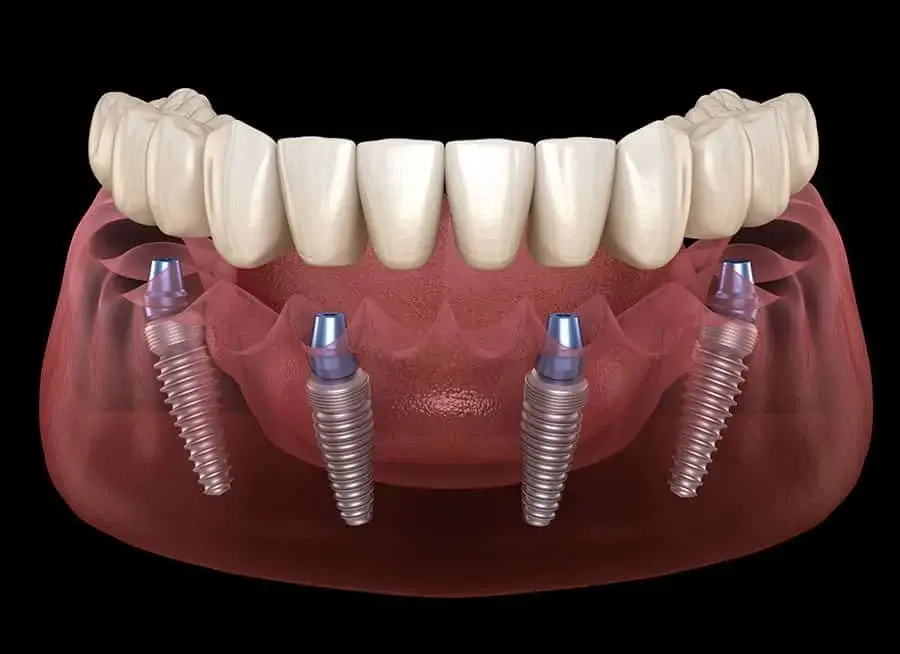
- Implants: single-tooth, multiple implants, All-on-4/6, immediate implants when appropriate
- Bone grafting and sinus lifts for patients with low bone volume
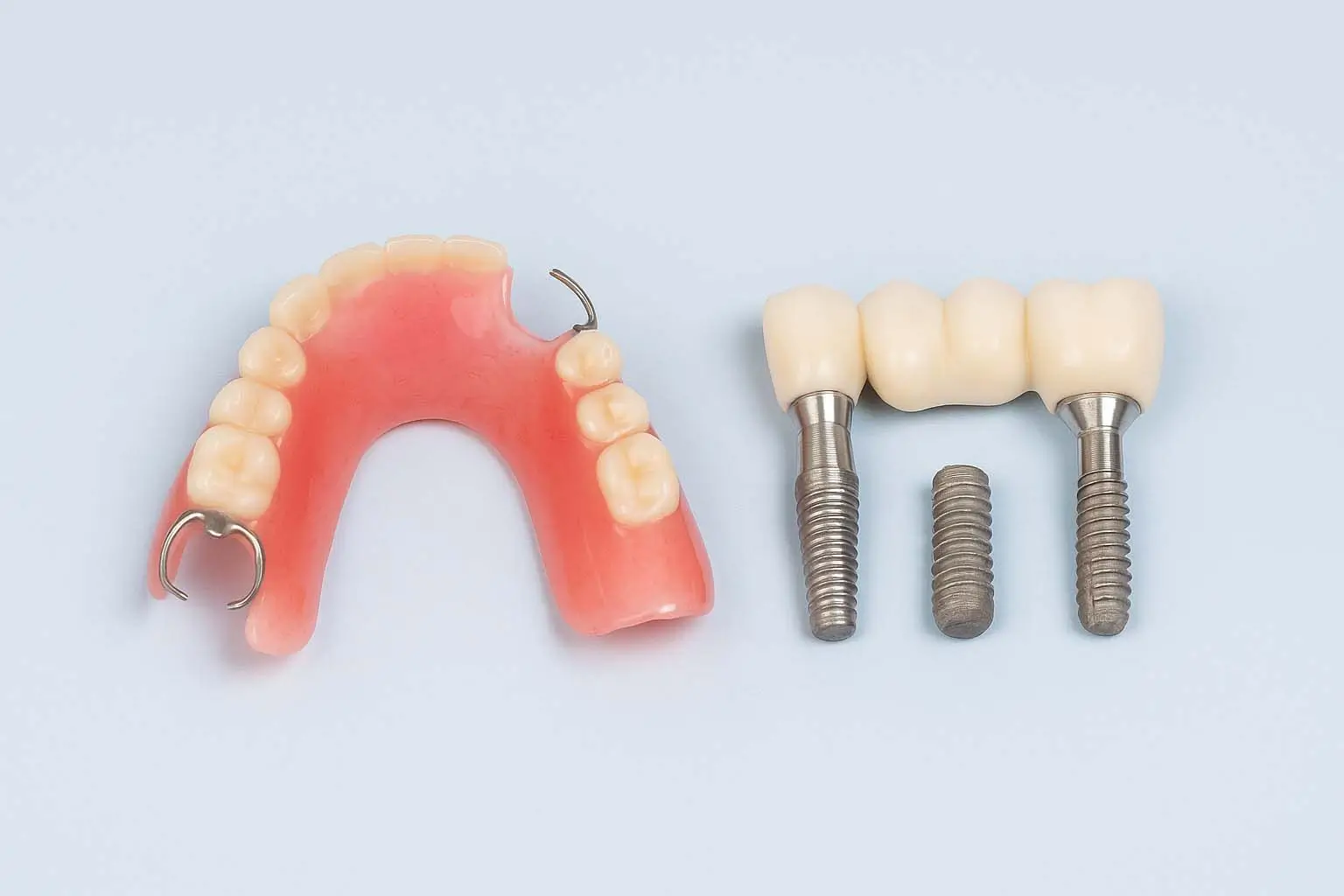
- Crowns and bridges, zirconia and E.max ceramics
- Veneers for shape, colour, and alignment improvements
- Aligners or braces, whitening, and gum reshaping
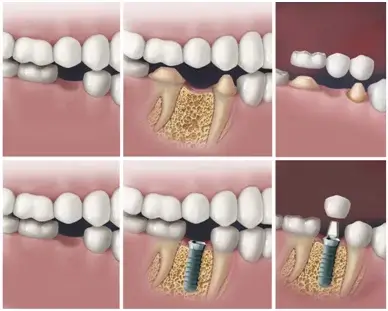
A typical implant journey looks like this:
- Before you fly: Share X-rays or a recent CT scan for a preliminary plan and quote. Some clinics offer video consults.
- First visit (3–7 days): In-person exam, CBCT, detailed consent. Implant placement is usually done in one session. You’ll receive a temporary solution if needed. Expect mild swelling or bruising for a few days.
- Healing (6–12 weeks for some cases, more commonly 3–6 months): Osseointegration happens while you’re back home. Not everyone is suitable for immediate loading; your surgeon will advise based on bone quality and stability.
- Second visit (5–10 days): Impression or digital scanning and fitting of your final crown/bridge. Full-arch cases may receive a reinforced provisional at first, followed by the defi
nitive prosthesis after tissues stabilise.
If you’re doing cosmetic veneers or crowns only, many cases are completed in about 5–7 days.
Smooth travel and the sabai-sabai recovery
Bangkok (BKK/DMK), Phuket (HKT), and Chiang Mai (CNX) are well connected with direct flights. Many passport holders enjoy visa-free or visa-on-arrival entry. Top clinics are located near hotels and transport, and some offer airport transfers or concierge support.
Recovery in Thailand can be very comfortable. After surgery, take it easy—soft foods, cool compresses, and a gentle stroll at the mall rather than a day-long island tour. Once your dentist gives the green light, you can enjoy light sightseeing, a massage (avoid facial pressure right after implant surgery), or a sunset by the river. Keep it “sabai-sabai” and you’ll heal nicely.
Communication and aftercare you can trust
Good clinics provide clear treatment plans, itemized fees, and photo or 3D mock-ups. You’ll get written post-op instructions, a maintenance plan, and direct contact via email, WhatsApp, or LINE for questions once you’ve flown home. Some also coordinate with your local dentist for check-ups, and many offer warranties covering the implant fixture and prosthetics for defined periods, provided you follow maintenance schedules.
Choosing the right clinic
For peace of mind, take time to compare:
- Credentials: prosthodontist or oral and maxillofacial surgeon for implants, cosmetic dentist for veneers
- Technology: in-house CBCT, digital impressions, guided surgery capability, on-site lab
- Brands and materials: implant systems and ceramic types, documented lot numbers
- Sterilization: written protocols, spore testing, and PPE standards
- Case experience: before-and-after photos and patient testimonials with context
- Transparency: clear consent forms, complication management, and total costs
- Comfort: sedation options, pain control plans, and emergency coverage
Ask about healing timelines, the number of trips required, dietary restrictions, and what happens if a complication occurs after you return home.
Setting realistic expectations
Implants are a highly successful treatment, but like any medical procedure they carry risks (infection, implant failure, nerve injury, sinus complications). Smokers, uncontrolled diabetics, and heavy bruxers may face higher risks and longer healing. Swelling and mild discomfort are normal for 48–72 hours. You’ll need to stick to a soft diet for a while and avoid strenuous activity and hot, spicy food immediately after surgery. Long-term success depends on daily hygiene, professional cleanings every 6 months, and using a night guard if you grind.
Pro tip: bring your dental records, including recent X-rays, medication list, and any allergy details. Plan a flexible itinerary with buffer days—no back-to-back diving or mountain trekking right after surgery.
The bottom line
Thailand blends advanced dentistry, sensible pricing, and warm hospitality into one smooth experience. With skilled specialists, modern technology, and a relaxed “mai pen rai” approach to service, you can feel well cared for from consult to final smile. Do your homework, choose a reputable clinic, and plan your trip with realistic timelines. You’ll return home with more than great holiday photos—a confident, healthy smile that’s built to last.