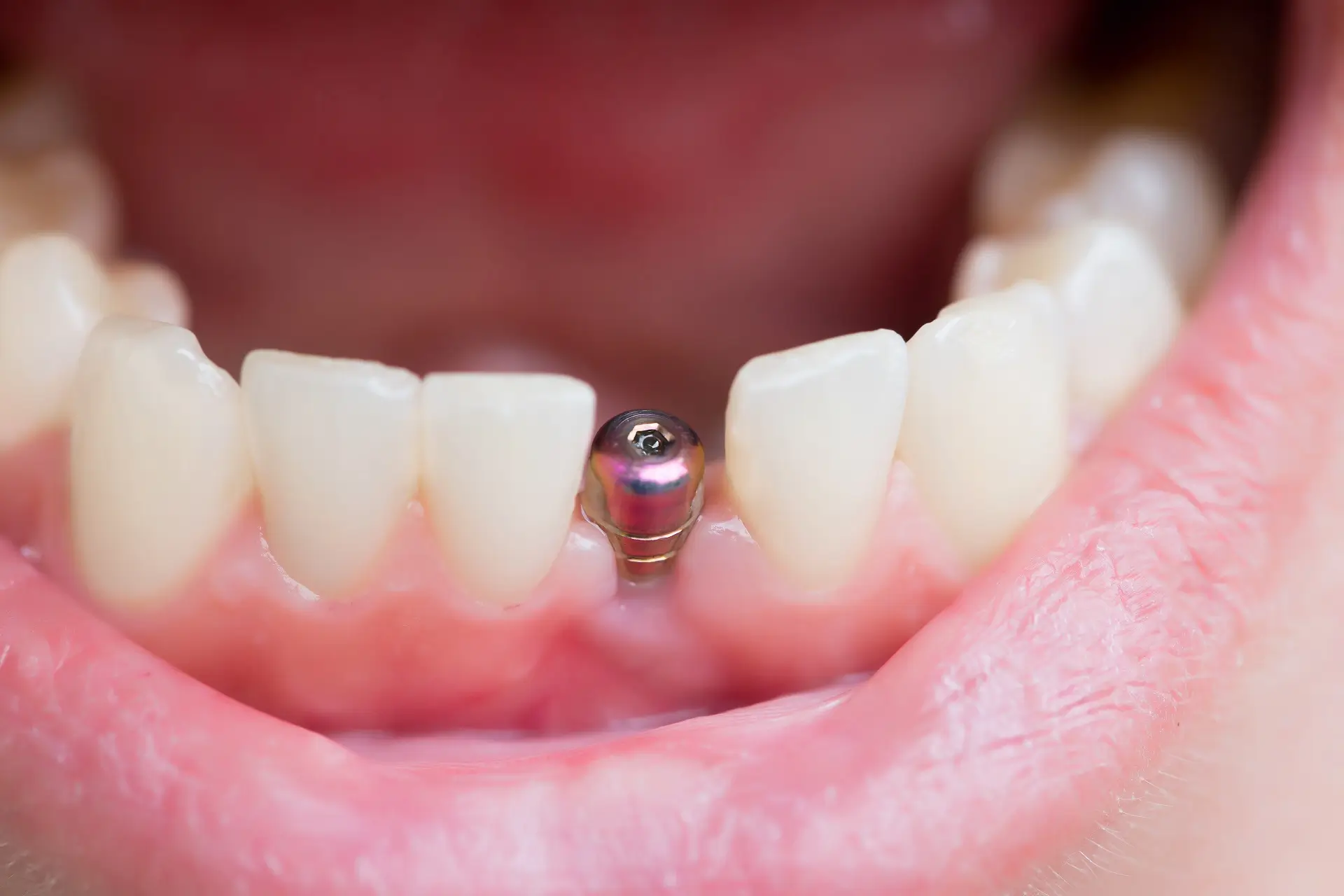
Thailand Dental Implant Benefits for International Dental Plans
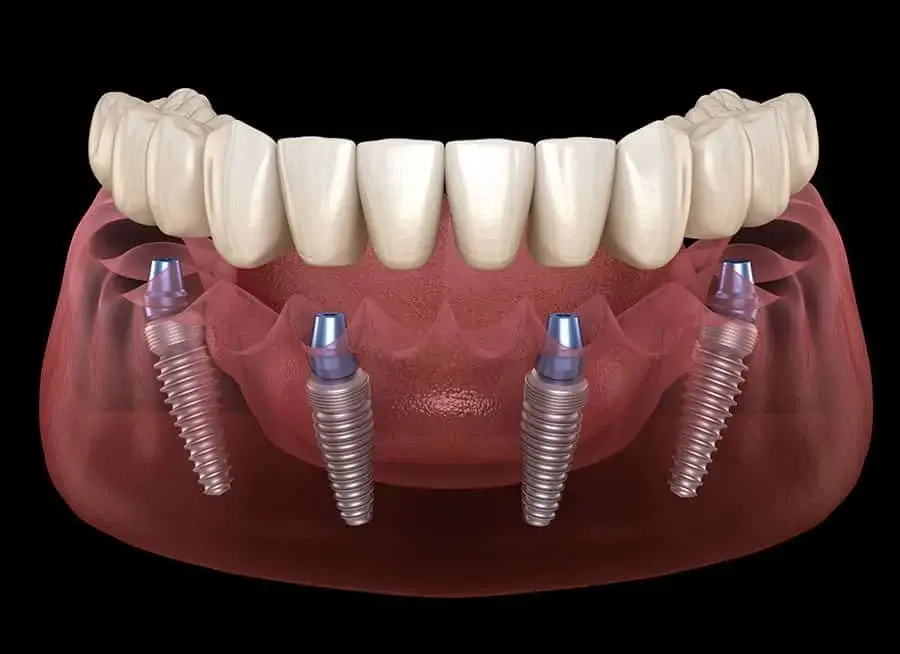
Thailand Dental Implant Benefits for International Dental Plans
If you’re planning dental implants and you have an international dental plan, Thailand is a very practical choice. The country combines high clinical standards with fair pricing, straightforward insurance handling, and easy travel. Whether you’re visiting Bangkok, Phuket, or Chiang Mai, you’ll find clinics that speak clear English, provide transparent quotations, and are familiar with overseas claims—so no worries on that front.
Why Thailand is a strong option for dental implants
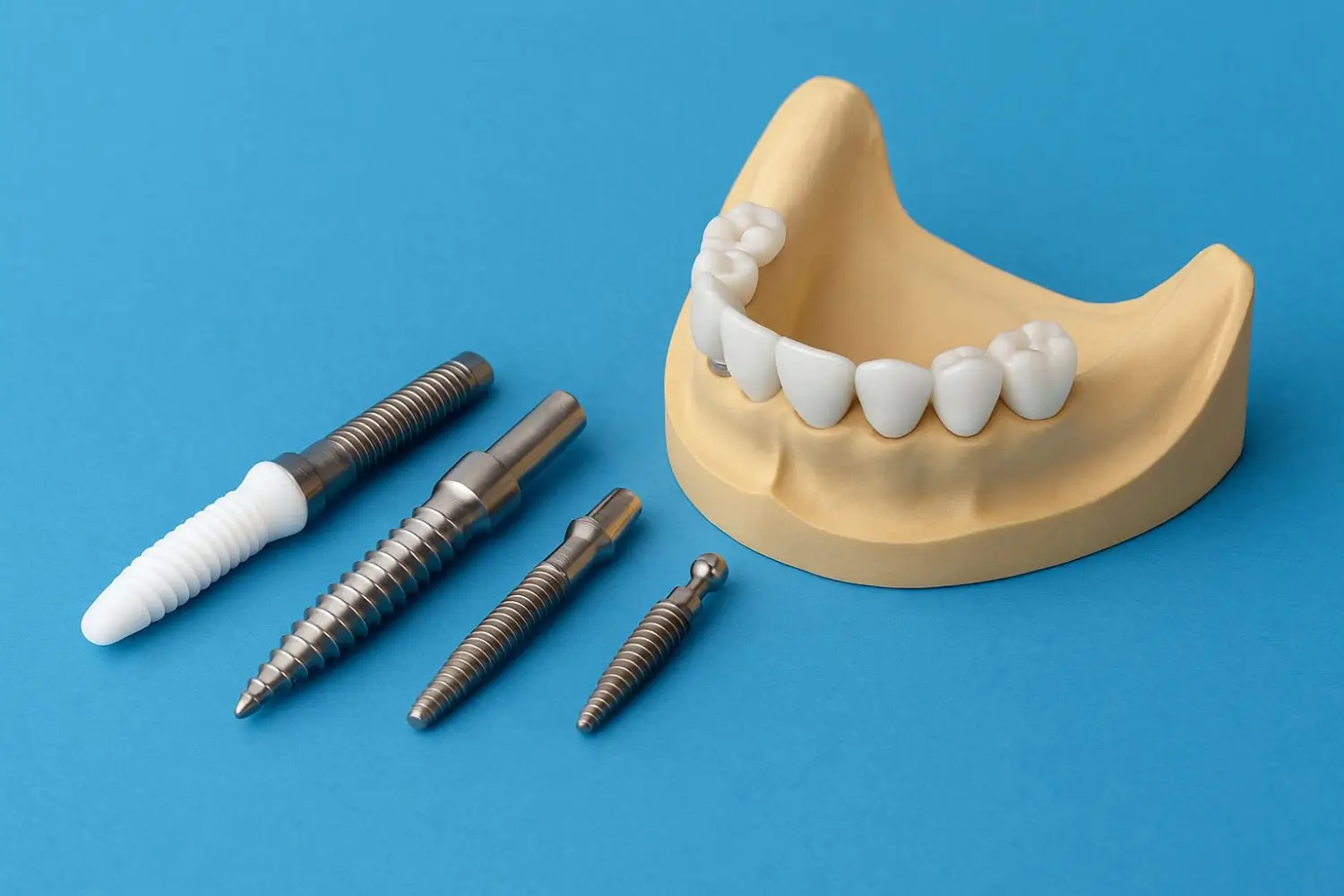
- Quality and expertise: Thailand’s leading implantologists are internationally trained, with extensive experience in single-tooth implants, multi-unit bridges, and full-arch options like All-on-4 and All-on-6. Many clinics follow international protocols and use brand-name systems such as Straumann, Nobel Biocare, and MIS.
- Modern facilities: It’s common to find digital workflows with CBCT 3D scans, guided surgery, intraoral scanners, and in-house labs. This helps with accuracy and reduces chair time.
- Accredited care: Reputable hospitals and specialty dental centers may hold JCI or ISO accreditation and have strict infection control and sterilization systems. This gives peace of mind, especially when you’re flying in for treatment.
- Good value: Even with flight and accommodation, overall spend is usually lower than in the US, Australia, or parts of Europe, while maintaining a very high standard.
- Easy communication: Front desk and clinical teams are used to international patients. You can expect detailed treatment plans in English, clear cost breakdowns, and assistance for insurance documents.
How international dental plans usually work in Thailand
Every plan is different, but most international dental policies handle implants in one of two ways:
- Pay-and-claim: You pay the clinic, then submit documents to your insurer. Thai clinics will usually prepare itemized receipts, clinical notes, and radiographs to support your claim.
- Direct billing: Some clinics have agreements with certain insurers or assistance companies and can bill them directly. This depends on your plan and pre-authorization approval.
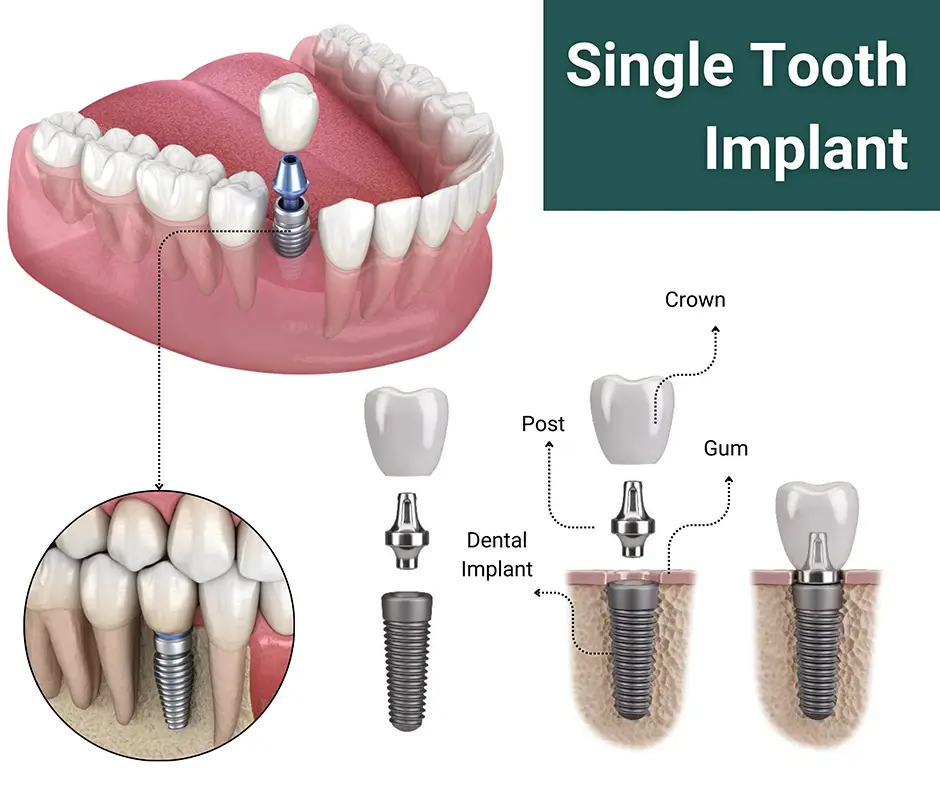
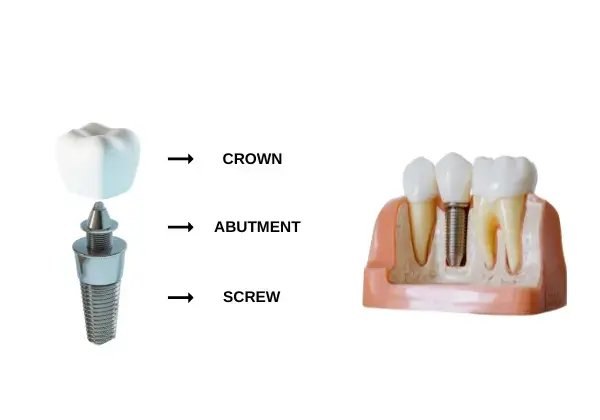
To avoid any surprise, it’s best to request pre-authorization before you fly. Ask the clinic for a detailed treatment plan with itemized codes (implant fixture, abutment, crown), estimated dates of service, and a dentist’s report explaining medical necessity (e.g., tooth loss due to fracture or decay). Many insurers also want a panoramic X‑ray or CBCT and clinical photos included with the request.
Estimated costs and potential savings
Fees vary by case and brand. As a ballpark in Thailand:
- Single implant (fixture): THB 35,000–60,000
- Abutment: THB 10,000–20,000
- Crown (porcelain or zirconia): THB 10,000–20,000
A typical single-tooth implant package is often THB 60,000–100,000 in total (roughly USD 1,700–2,800 at common exchange rates). Full-arch solutions like All-on-4 can range from THB 280,000–450,000 per arch depending on materials and whether grafting is required. While your plan may not cover the full amount, even partial reimbursement combined with Thailand’s pricing can deliver very good value.
Treatment timeline that fits travel
- Two-visit standard: For most patients, implant placement happens first, then a healing period of 3–6 months, and then the final crown is fitted. Many travelers do a 3–5 day Visit 1 (consultation, CBCT, surgery) and a 7–10 day Visit 2 (impressions and final prosthesis).
- Immediate options: In selected cases with good bone quality and stability, immediate or earl
y loading may be possible, especially for full-arch cases. Your dentist will advise if this is suitable—chai yen yen, it’s better to be safe and get a long-term result.
- Aftercare: Stitches are usually removed in 7–10 days. Follow-up checks can be arranged with your home dentist, and Thai clinics can coordinate reports and images.
What to check with your insurer before you book
- Eligibility: Confirm implants are covered, not just dentures or bridges. Some plans limit implants to replacement of teeth lost after policy start.
- Waiting period: Many policies have 6–12 months before major work is eligible.
- Annual/lifetime maximums: Know your cap to plan realistic reimbursement.
- Pre-authorization: Strongly recommended. Provide X‑rays and reports for a smooth approval.
- Out-of-network rules: Thailand clinics are often out-of-network; ensure reimbursement is still allowed.
- Documentation: Ask if the insurer needs specific codes, tooth numbers, and separate billing for fixture, abutment, and crown.
- Currency and timing: Claims usually must be filed within a set timeframe. Keep all receipts in English with THB amounts and payment method.
Choosing the right Thai clinic for implants and insurance support
- Experience and case volume: Ask how many implants the dentist places yearly and request before‑and‑after cases for similar situations.
- Technology: On-site CBCT, digital planning, and guided surgery can improve precision.
- Implant brands and warranty: Choose globally recognized systems with component availability in your home country. Many clinics offer warranties for fixture integration and crowns—get the terms in writing.
- Sterilization and safety: Look for clear infection control protocols and, where available, accreditation.
- Transparent fee proposal: Request an itemized plan showing all stages—consultation, scans, surgery, components, provisional crown (if any), final crown, and follow-up.
- Insurance-friendly admin: Clinics that routinely assist with claim forms, dentist statements, and imaging exports (DICOM files) will save you time.
Practical tips to make your claim smooth
- Bring your policy details and any insurer forms; the clinic can often fill the dentist section.
- Ensure your name and passport number match on all documents.
- Ask for itemized invoices that list each component separately (fixture, abutment, crown).
- Request a clinical report summarizing diagnosis, tooth numbers, and medical necessity.
- Get copies of OPG/CBCT and intraoral photos on USB or secure link.
- Keep a soft diet as advised, avoid smoking around surgery time, and allow enough rest days before flying back.
- If you plan island trips or diving, schedule them before surgery, not after. Better to take it easy—no need to rush.
Travel convenience
Thailand is well connected with visa options for many nationalities and a wide range of flights. Clinics near BTS/MRT stations in Bangkok or central areas in Phuket and Chiang Mai make it easy to get around. Hotels often offer medical rates and late check-out; clinics can recommend nearby stays to keep your recovery comfortable.
Bottom line
Thailand offers a smart balance of clinical quality, modern technology, and competitive pricing for dental implants, with clinics that are used to handling international dental plans. By securing pre-authorization, choosing a reputable clinic, and keeping thorough documentation, you can maximise your benefits and enjoy a smooth, hassle-free treatment journey—same same as back home, just friendlier on the wallet.