Why Thailand Dental Implants Attract Patients From Around the World
Why Thailand Dental Implants Attract Patients From Around the World
If you’ve been thinking about dental implants and also fancy a bit of sunshine, it’s easy to see why Thailand keeps popping up on the shortlist. The Land of Smiles has built a serious reputation for implants—blending international-standard dentistry with warm, sabai-sabai hospitality and a travel experience that’s surprisingly hassle-free. Here’s why so many patients fly into Bangkok, Phuket, and Chiang Mai for treatment and fly home with confident new smiles.
World-class training and technology
Thailand’s top dental clinics lean into global best practice. Many implant dentists complete specialist training overseas or at leading Thai universities, keep up with international conferences, and work with well-known implant systems like Straumann, Nobel Biocare, and Zimmer. Clinics typically use 3D CBCT scans for precise planning, guided surgery for accurate placement, and digital workflows—think intraoral scanning and CAD/CAM crowns—for restorations that fit like a glove.
Sterilization and safety follow hospital-standard protocols, and a number of large medical centers are internationally accredited. You’ll also find sedation options and well-documented consent processes, so everything is explained in plain English before you sign. In short: same same as what you’d expect in the US, UK, Australia, or the Gulf—just with a friendlier price tag and Thai-style service mind.
Strong value with transparent pricing
The value proposition is a big reason dental tourism in Thailand continues to grow. While fees vary by city, implant brand, and whether bone grafting is needed, a single implant with crown commonly falls in the range of 50,000–100,000 THB (roughly USD 1,400–2,800). That can be less than half of what you might pay in Western countries. Full-arch options like All-on-4 or All-on-6 are also competitively priced.
Patients appreciate that reputable clinics provide written, itemized treatment plans—showing consultation, scans, surgery, components, temporary and final crowns, and follow-ups. Many offer package rates and warranties for a set period on the implant fixture and the prosthetic work. There’s no guesswork, and finance or staged payments are often available, so mai pen rai if you need to split the costs over visits.
Convenient access and easy logistics
Thailand is built for visitors. Many nationalities enjoy visa-free or visa-on-arrival entry, and there are direct flights from major hubs across Asia, the Middle East, Europe, and Australia. Once you land, getting around is straightforward: Bangkok’s BTS Skytrain and MRT cover popular neighborhoods, and ride-hailing apps make door-to-door clinic visits simple. Clinics in Sukhumvit, Silom, and Sathorn are close to hotels and malls, while Phuket and Chiang Mai clinics often arrange airport pick-ups and can recommend recovery-friendly accommodation.
English-speaking coordinators are standard in leading clinics, and it’s common to communicate via email, LINE, or WhatsApp for pre-visit assessments. You’ll send photos or existing x-rays, receive a preliminary plan, and schedule your trip with clarity. Some centers also help with medical letters for your insurer and provide official receipts for claims.
Comfortable care and attentive aftercare
Thai clinics take patient comfort seriously. Whether you prefer local anesthesia, oral sedation, or IV sedation, your dentist will guide you on the safest option. After surgery, you’ll get detailed instructions, pain control plans, and follow-up checks. Many clin
ics schedule a next-day review and another visit after a few days before you head off for sightseeing or your flight home.
The hospitality makes a real difference. Staff will call you khun (a polite title), make sure you’re comfortable, and keep the vibe relaxed. Need soft-food suggestions? You’ll be pointed to nearby 7-Eleven for congee (jok), soups, yogurt, and smoothies—or to local eateries for mild khao tom (rice soup) while you heal. It’s very sabai-sabai.
Clear timelines that fit travel plans
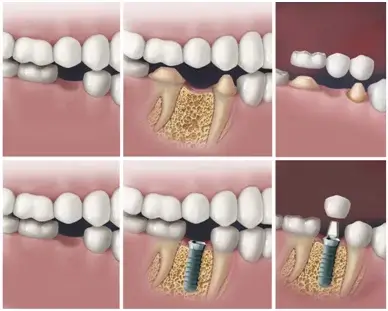
A straightforward implant case usually unfolds in stages:
- Consultation and planning: Clinical exam, CBCT scan, and digital planning.
- Implant placement: A procedure of about 1–2 hours per implant, often with a small temporary to keep your smile looking good.
- Healing (osseointegration): Typically 3–6 months for the bone to fuse securely.
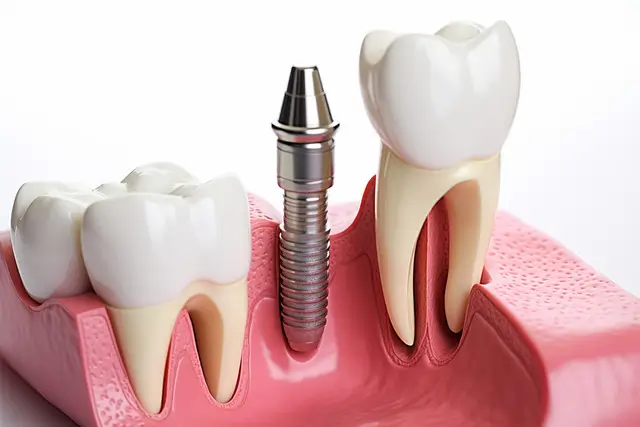
- Final restoration: Abutment and crown placement, often requiring 3–7 days in-country.
If you’re a candidate for immediate-load implants (where a temporary tooth goes on the implant right away), your dentist will discuss risks and benefits. Complex cases with bone grafts or sinus lifts may need longer timelines. The key is that clinics are upfront about how many trips you’ll need and how many nights to book each time.
Destinations that make recovery feel like a holiday
- Bangkok: A hub for high-end, multi-specialty dental centers close to hotels, shopping, and the BTS. Convenient for complex cases and second opinions.
- Phuket: Ideal if you want sea breezes and a gentler pace post-surgery. Many clinics are near Patong, Kata, and beachside resorts.
- Chiang Mai: Cooler climate and a laid-back vibe. Smaller boutique clinics with personalized care and easy access to cafés for those soft, warm soups.
Safety, standards, and what to check
Thailand’s healthcare sector is highly developed, but it’s still smart to do your homework:
- Verify your dentist’s credentials and years of implant experience.
- Ask which implant systems are used and whether parts are locally available for long-term maintenance.
- Request a written treatment plan with itemized costs and a realistic timeline.
- Check sterilization protocols, emergency procedures, and the availability of sedation.
- Confirm warranty terms for both the implant and the crown/bridge.
- Read recent reviews and ask to see before-and-after cases similar to yours.
A few practical tips
- Plan enough downtime: Even with smooth surgery, you’ll want a few easy days. Think massages for your shoulders and temples rather than deep facial treatments—go light and relax.
- Mind the spice: Thai food is delicious, but during early healing, choose mild soups, steamed fish, and soft rice. Save the som tam extra spicy for later.
- Bring your records: Previous x-rays, dental history, and a list of medications help your dentist tailor care.
- Stay connected: Keep your clinic updated by LINE or WhatsApp once you’re home. Most are quick to reply if you have questions.
Why patients keep coming back
The formula is simple: skilled implant dentists, modern tech, transparent fees, and a culture that genuinely cares for guests. Add easy flights, comfortable hotels, and a country that understands how to look after visitors, and it’s clear why Thailand dental implants have global pull. You come for your teeth, you stay for the gentle, friendly rhythm—and you leave with a stronger bite and a brighter smile. For many, that’s a value that feels, as Thais say, jai yen yen—calm, confident, and just right.