Thailand Dental Implant Services Helping Travelers Restore Their Smiles
Thailand Dental Implant Services Helping Travelers Restore Their Smiles
If you’ve been thinking about dental implants and a holiday at the same time, Thailand is a top choice to make both happen without breaking the bank. From Bangkok’s Sukhumvit sois to the beaches of Phuket and the old town charm of Chiang Mai, Thailand’s dental implant services are well-known among international patients for quality, fair pricing, and genuinely kind, “mai pen rai” service. Many travelers come for dental tourism and leave saying their smile makeover was the highlight of the trip—besides the mango sticky rice, of course.
Why choose Thailand for dental implants
- World-class standards: Leading Bangkok, Phuket, and Chiang Mai clinics use hospital-grade sterilization, 3D CBCT imaging, guided surgery, and trusted implant brands like Straumann or Nobel Biocare. Many dentists trained abroad or hold board certifications in prosthodontics and implantology.
- Clear communication: English-speaking dentists and nurses are common, and many clinics have coordinators who answer on Line, WhatsApp, or email quickly. You’ll get an all-in quote and a simple plan—no surprises.
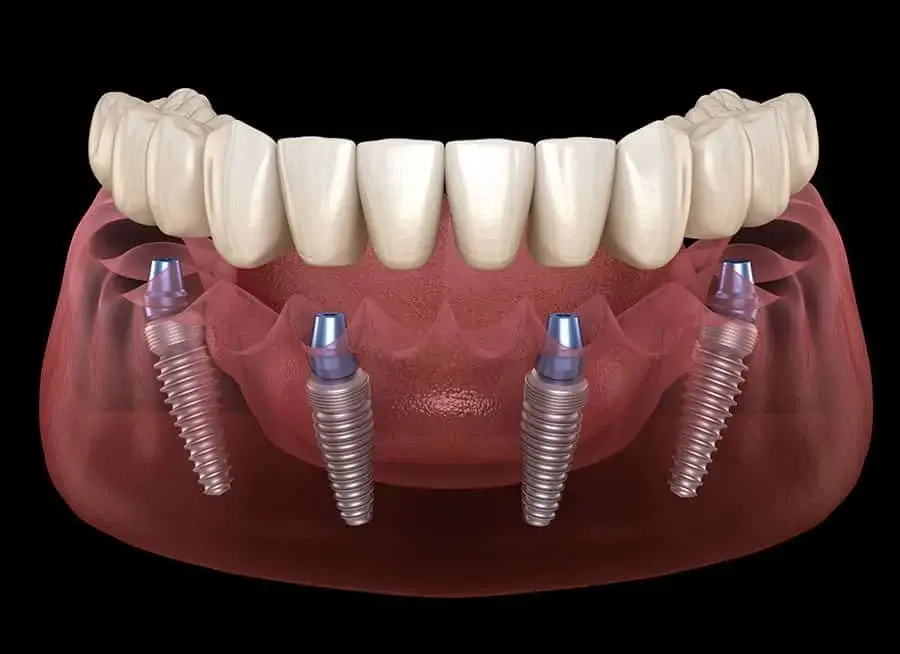
- Fair pricing: An implant (post + abutment + crown) can range roughly from 45,000–90,000 baht depending on brand and case complexity. Even premium full-arch solutions, like All-on-4 or All-on-6, are typically a fraction of prices in the US, UK, Australia, or the Middle East.
- Easy access: Clinics are often steps from BTS or MRT stations around Asoke, Phrom Phong, Thonglor, and Silom, or set in convenient hubs near hotels in Phuket and Chiang Mai. You can pop in for a consultation between temple visits and street food runs—just skip the spicy som tam right after surgery.
What a dental implant actually is
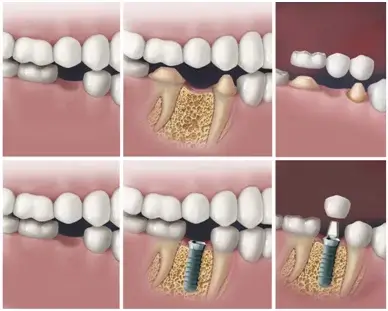
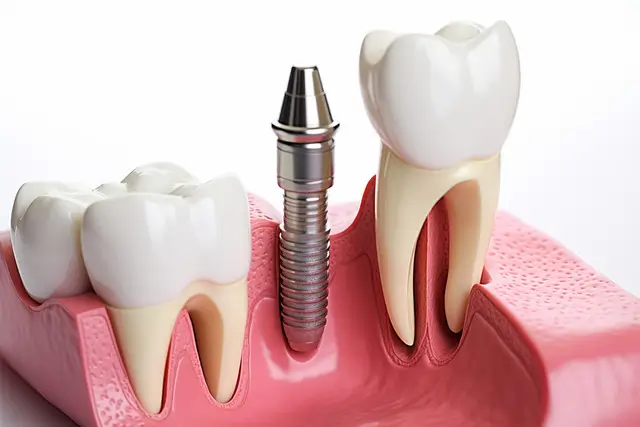
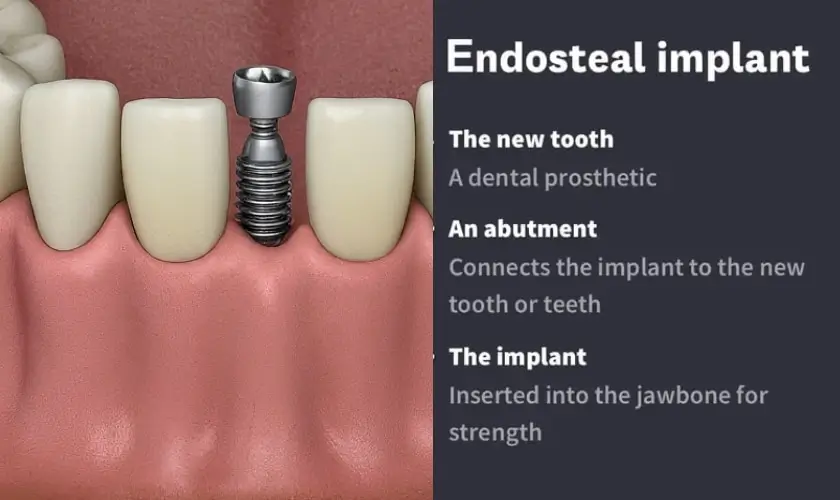
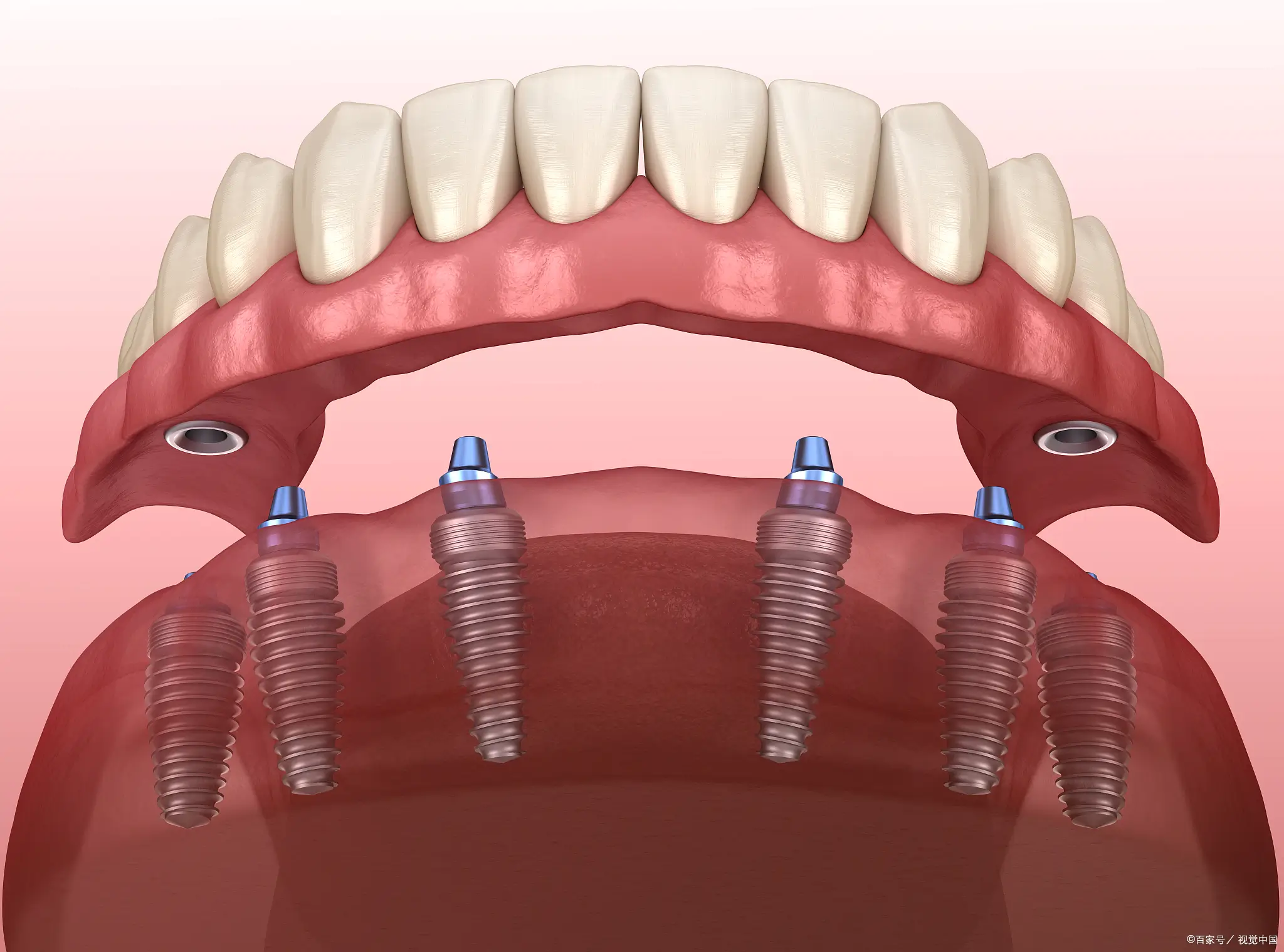
A dental implant is a small titanium or zirconia post placed into your jawbone, acting like a new tooth root. After a healing phase (the bone fuses to it—a process called osseointegration), your dentist fits an abutment and a custom crown on top. Implants can replace a single tooth, multiple teeth with bridges, or a full arch using All-on-4/All-on-6. Done properly, implants look natural, feel solid for chewing, and help maintain facial structure over time.
Typical treatment timeline for travelers
- Trip 1 (3–7 days): Consultation, 3D scan, treatment planning, and implant placement. If you need a bone graft or sinus lift, it’s usually done at the same time. You’ll go home with a temporary solution if needed and a clear aftercare plan.
- Healing (3–6 months): Back home, you let things settle. Some immediate-load cases allow same-week teeth, but many patients benefit from a relaxed “sabai sabai” approach for long-term stability.
- Trip 2 (4–7 days): Uncovering (if needed), impressions, try-ins, and fitting of the final crown or bridge. You’ll get a warranty card and maintenance advice.
If your case is straightforward and your bone is strong, clinics may offer immediate provisional teeth. However, safe, staged treatment is still common and preferred for predictability.
What to expect at your first appointment
- 3D CBCT scan and full mouth exam to check bone quality and gum health
- Discussion about brands, crown material (zirconia or porcelain fused to metal), and aesthetics
- A transparent treatment plan with fees, number of visits, and healing time
- Medical history review and sedation options if you’re a bit nervous—no worries, Thai clinics are used to “farang” patients feeling anxious
Costs and value without the mystery
Many clinics list package promotions that include consultation, X-rays, implant placement, abutment, and crown. Ask about:
- Brand and warranty terms (e.g., 5–10 yea
rs for the prosthetic, lifetime on the implant brand’s manufacturing)
- What’s included: medications, follow-up X-rays, and any temporary teeth
- Possible extras: bone grafting, soft tissue grafting, or sinus lift
- Payment methods: Visa/Mastercard, bank transfer; some clinics accept deposits and staged payments
Choosing the right clinic
- Check qualifications: Look for dentists with postgraduate training in implantology or prosthodontics and memberships in reputable dental associations.
- Technology matters: 3D imaging, digital planning, and guided surgery improve accuracy and comfort.
- Infection control: ISO/JCI-aligned protocols, autoclave logs, and clear sterilization procedures are a must.
- Real reviews: Read Google reviews and ask to see before-and-after cases similar to yours.
- Location: If you’re staying around Sukhumvit, Silom, or near Phuket’s Patong/Kata areas, pick a clinic near your hotel or BTS/MRT to keep things easy.
Aftercare tips the Thai way
- Rest “sabai-sabai”: Take it easy for the first 48 hours. Keep your head elevated and use cold packs on and off to minimize swelling.
- Soft food first: Think jok (rice porridge), khao tom (rice soup), steamed fish, yogurt, and smoothies. Avoid very hot, spicy, or crunchy foods for a few days.
- Hygiene: Gentle brushing around the area, plus saline or clinic-recommended rinses. No smoking—this really impacts healing.
- Sun and sea: If you’re in Phuket or Samui, skip swimming and diving for at least a week post-op. Saltwater and pressure changes aren’t ideal right away.
- Follow-up: Clinics usually schedule a quick check before you fly. Many provide direct contact for any concerns while you’re back home.
Travel and scheduling pointers
- Plan your dental consult 24–48 hours after landing to shake off jet lag.
- Avoid heavy sightseeing the day of surgery; massage can wait a couple of days.
- Keep two days buffer before your flight home in case the dentist wants one more check.
- Bring a list of medications and any medical reports. If you’re on blood thinners, discuss this early.
- Consider travel insurance that covers medical changes to your itinerary.
Common questions answered
- How painful is it? Most patients say it’s more comfortable than they expected—similar to a tooth extraction. Local anesthesia is standard, and sedation is available if you prefer.
- How long does it take? The implant placement itself can be under an hour per site, but allow time for planning, recovery, and future fittings.
- Are Thai implants safe? Reputable clinics use well-known global brands, strict sterilization, and digital planning. Ask for brand names and documentation.
- Can I eat normally? Yes—after healing and fitting of your final crown/bridge. Early days are soft diet only.
- What if something happens when I’m back home? Clinics often coordinate with your local dentist and stay in touch via Line or email. Keep your records and implant details handy.
A final word on expectations
Dental implants are a medical procedure, so a proper exam and scan come first. Not everyone is ready for immediate implants—some need gum treatment or bone grafting to build a strong foundation. A good Thai clinic won’t rush; they’ll explain options clearly, talk about risks and benefits, and tailor the plan to your health, timeline, and budget.
If you’re dreaming of a confident bite and a natural-looking smile, Thailand’s dental implant services make it surprisingly easy to say yes. With smart planning, a trusted clinic, and a bit of “sabai-sabai” patience, you can enjoy your trip and go home with a smile that’s ready for every photo.