Why Thailand Dental Implant Treatment Is Worth Considering for International Patients
Why Thailand Dental Implant Treatment Is Worth Considering for International Patients
If you’ve been thinking about dental implants but feel unsure about the cost, waiting times, or recovery, Thailand might surprise you in the best way. The country is now one of the most trusted destinations for dental implants, combining international clinical standards with gentle prices and famously warm Thai hospitality. Many patients describe the experience as “sabai sabai” (easy-going) from consultation to aftercare—yet the clinical protocols are serious, precise, and up to global benchmarks.
What makes Thailand stand out
1) High standards of care
- Skilled specialists: Many Thai implantologists are board-certified and have trained or attended advanced courses in Europe, the US, Australia, or Japan. You’ll find teams that place implants every day, not just occasionally.
- Modern technology: Clinics in Bangkok, Phuket, Chiang Mai, and Pattaya commonly use CBCT 3D scans, digital treatment planning, and computer-guided surgery. In-house CAD/CAM labs speed up custom abutments and crowns without compromising accuracy.
- Global implant brands: Reputable centres work with systems like Straumann, Nobel Biocare, and Astra Tech, so components are traceable and compatible worldwide.
- Accredited facilities: Many clinics partner with JCI-accredited hospitals or maintain hospital-grade sterilisation and infection control. This is not “mai pen rai” (no worries) medicine—protocols are tight and transparent.
2) Clear cost advantage without cutting corners
- Lower overall fees: Dental implant costs in Thailand are typically 40–70% lower than in Western countries, even when using top brands and advanced imaging.
- Transparent packages: Many clinics offer packages including consultation, CBCT, implant placement, abutment, and crown, with clear add-ons for grafting if needed. No hidden extras is a common promise.
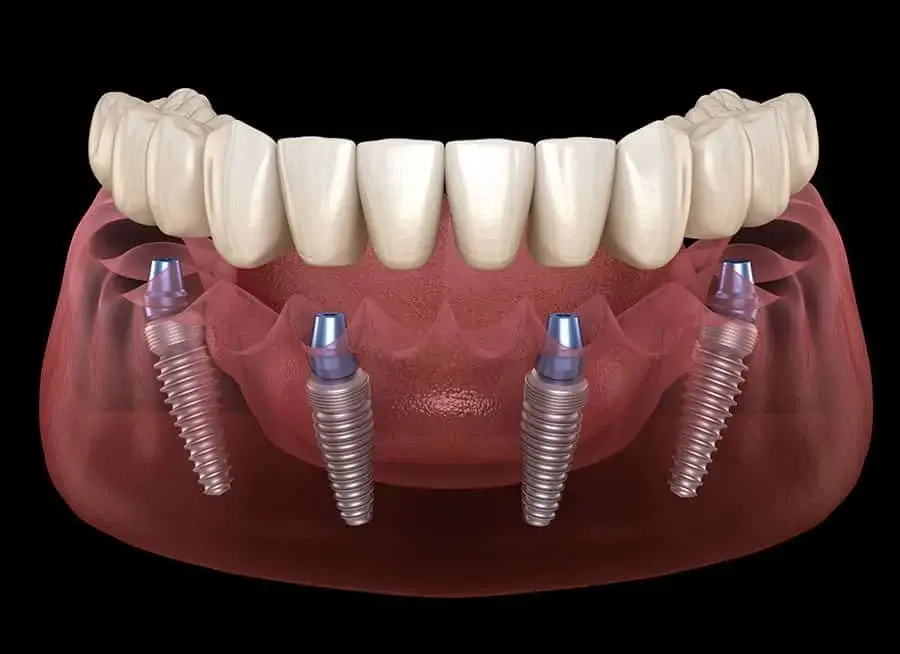
- Full-arch options: All-on-4 or All-on-6 implants in Thailand are often a fraction of prices in the US or Europe, with lab quality that meets international standards. Prices vary by case complexity and materials, but the savings are real.
3) Fast timelines and easy communication
- Short waiting lists: It’s common to schedule surgery within days of your arrival.
- English-speaking teams: Most international clinics have English-speaking dentists, coordinators, and nurses who reply quickly by email, Line, or WhatsApp.
- Convenient access: Bangkok’s Suvarnabhumi and Don Mueang airports are well connected, and domestic flights to Phuket or Chiang Mai are frequent and affordable.
4) Patient experience that feels good
- Thai service culture: From hotel transfers to gentle chair-side manner, the overall vibe is calm and caring.
- Comfortable recovery: Think quiet serviced apartments, mild weather, and easy, soft local foods—ideal for post-op days. You can add sightseeing later, but the early phase is kept relaxed.
How a typical implant journey works in Thailand
- Pre-visit: You share your dental history, photos, and any existing X-rays. The clinic suggests a provisional plan and quote, then confirms after a CBCT on arrival.
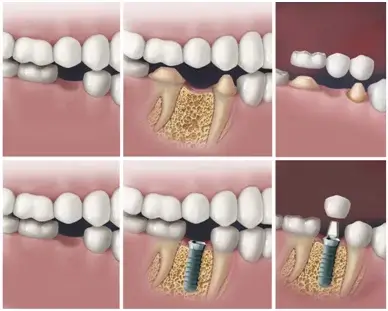
- First trip (placement): After clinical checks, your surgeon places the implant(s). If bone grafting or sinus lift is required, it’s usually done in the same session. You’ll receive a temporary restoration where appropriate.
- Healing: Osseointegration usually takes 3–6 months. Some immediate-load cases (like certain All-on-4 plans) can place a fixed temporary bridge so
oner, depending on bone quality and primary stability.
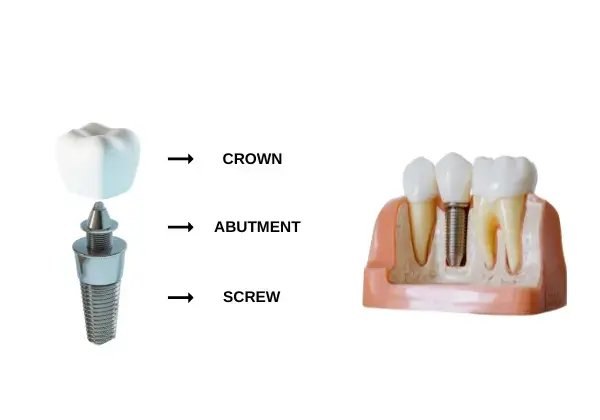
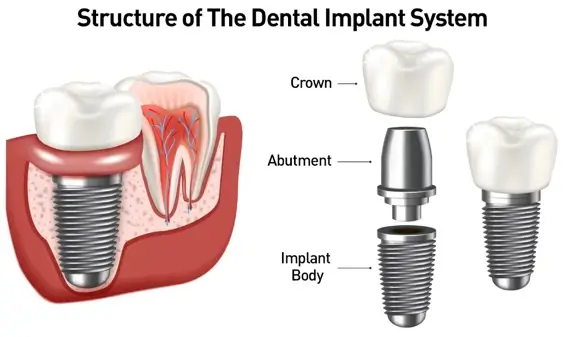
- Second trip (restoration): The final abutment and crown or bridge are fitted, adjusted, and polished. Bite and aesthetics are checked carefully before you fly home.
Choosing the right clinic: a quick checklist
- Credentials and case volume: Ask how many implants the dentist places annually and request before/after photos relevant to your case.
- Technology and sterilisation: Confirm that CBCT imaging, guided surgery options, and strict sterilisation protocols are in place.
- Implant brands and lab: Ensure globally recognised implant systems and high-quality lab materials. Ask who makes the prosthetics.
- Clear treatment plan: You should receive a written plan outlining timelines, number of visits, costs, potential grafting, and contingencies.
- Warranty and follow-up: Reputable clinics provide warranties on implants and prosthetics and will coordinate with your local dentist for maintenance.
- Transparent pricing: Get itemised quotes, so you’re clear on what is included (scans, abutment, crown) and what might be additional.
Aftercare and realistic expectations
- Healing and maintenance: Even with a smooth surgery, your body needs time. Keep to soft foods initially, follow the medication plan, and maintain excellent oral hygiene with gentle brushing, interdental brushes, and a water flosser.
- Lifestyle factors: Smoking and uncontrolled diabetes increase the risk of complications. Healthy gums and regular cleans support long-term success.
- Check-ups: Plan a local dentist to handle periodic checks and cleaning. Your Thai clinic can share records and recommendations for maintenance.
- Possible side effects: Swelling, mild discomfort, or bruising can occur for a few days. Serious complications are rare in experienced hands but can happen—good clinics will explain the risks honestly and how they manage them.
Travel tips to keep things smooth
- Don’t over-schedule: Keep the first few days free for rest. Save island hopping or trekking for after the dentist clears you (or for your second visit).
- Stay nearby: Book a hotel or serviced apartment close to the clinic for easy reviews and follow-ups. Many clinics offer partner hotel rates.
- Eat soft and gentle: Thai dishes like jok (rice porridge), khao tom (soft rice soup), tofu, steamed fish, and clear broths are easy on healing tissues. Avoid sticky candies and hard snacks. Coconut water helps with hydration.
- Consider insurance: Travel insurance with medical coverage is a sensible extra. Also, share your full medical history with the clinic before booking.
Who is a good candidate?
Most healthy adults with missing teeth can consider implants. Adequate bone and healthy gums are important; if you’ve had bone loss, grafting or sinus lift may be recommended. Your dentist will assess bite, bone density, and overall health to decide the best approach for you.
The bottom line
Thailand dental implant treatment brings together quality, affordability, and a patient experience that feels genuinely caring. With advanced technology, experienced implantologists, transparent pricing, and smooth logistics, it’s a strong option for international patients who want predictable outcomes without overpaying. Choose a reputable clinic, allow enough time for proper healing, and you’ll likely head home with a stronger bite, a confident smile, and a calm “no worries” feeling about the whole journey.