Why Thailand Dental Tourism Offers Great Opportunities for Dental Implant Treatment
Why Thailand Dental Tourism Offers Great Opportunities for Dental Implant Treatment
Thinking about dental implants and a change of scenery at the same time? Thailand has quietly become a go-to destination for people who want reliable implant treatment, fair pricing, and a comfortable place to recover. It’s not just the tropical beaches and the famous Thai smile; it’s a well-organized dental ecosystem that blends modern clinics, experienced clinicians, and a “mai pen rai” attitude that helps you feel at ease from consultation to follow-up.
Great value without cutting corners
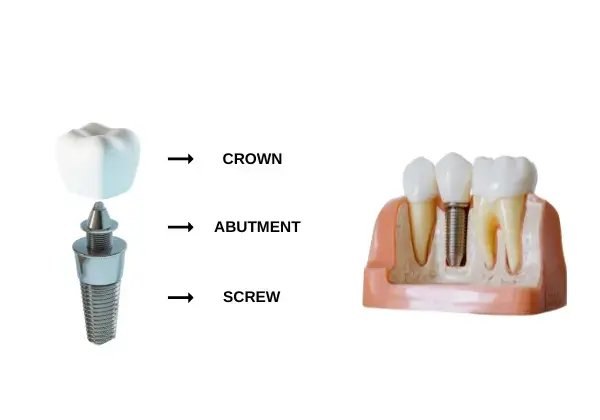
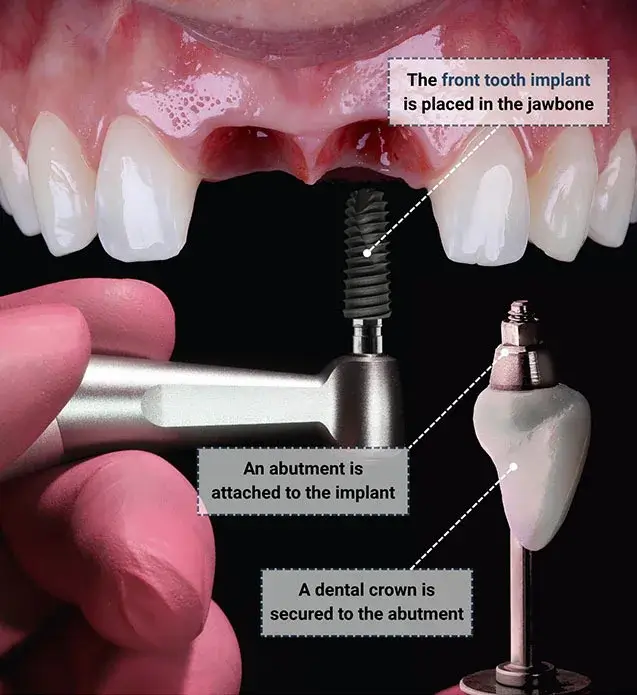
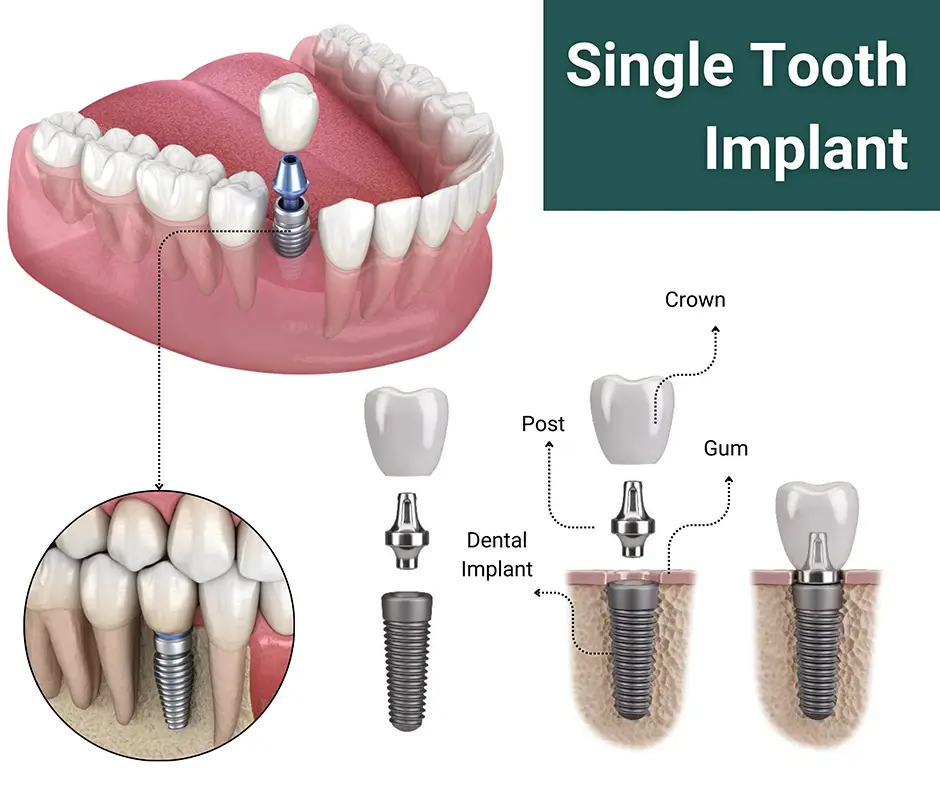
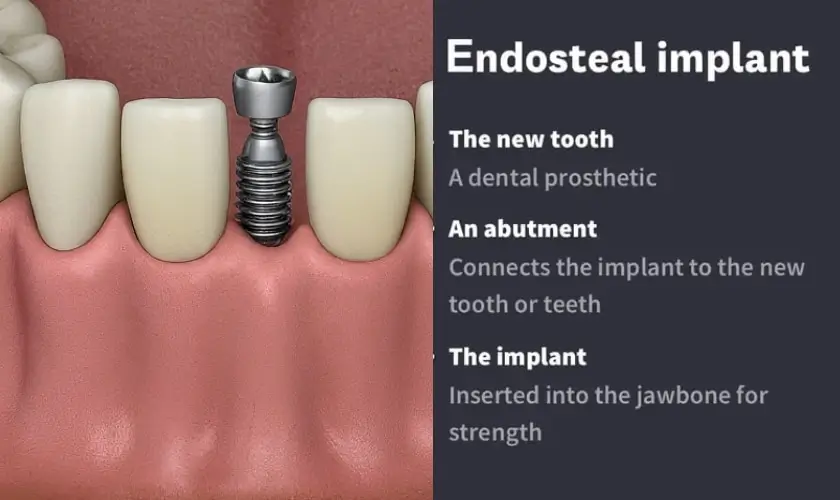
One of the big reasons travelers look at Thailand for dental implants is the value for money. Full implant treatment (implant, abutment, and crown) is often 30–60% less than in many Western countries, even when you factor in flights and accommodation. Clinics quote in Thai baht and usually provide transparent cost breakdowns, so you know what you’re paying for—implant brand, imaging, surgery, temporaries, and final crown.
Cost savings here don’t mean compromise. Many leading clinics work with globally recognized implant systems (think Straumann, Nobel Biocare, and other established brands) and follow international protocols for sterilization and infection control. Some are ISO-certified, and several hospital-based dental centers in Thailand hold international accreditation. It’s common to see treatment plans that look very similar to what you’d be offered back home—just delivered with a Thai sense of hospitality.
Strong clinical standards and modern tech
Thailand’s top dental specialists often train both locally and abroad, and the country has a robust Dental Council system overseeing professional standards. In well-established practices, you’ll find the tech you expect: cone-beam CT scans for precise 3D planning, digital intraoral scanners for accurate crowns, and computer-guided surgery when indicated. For patients worried about comfort, clinics offer options from local anesthesia to IV sedation administered by qualified teams.
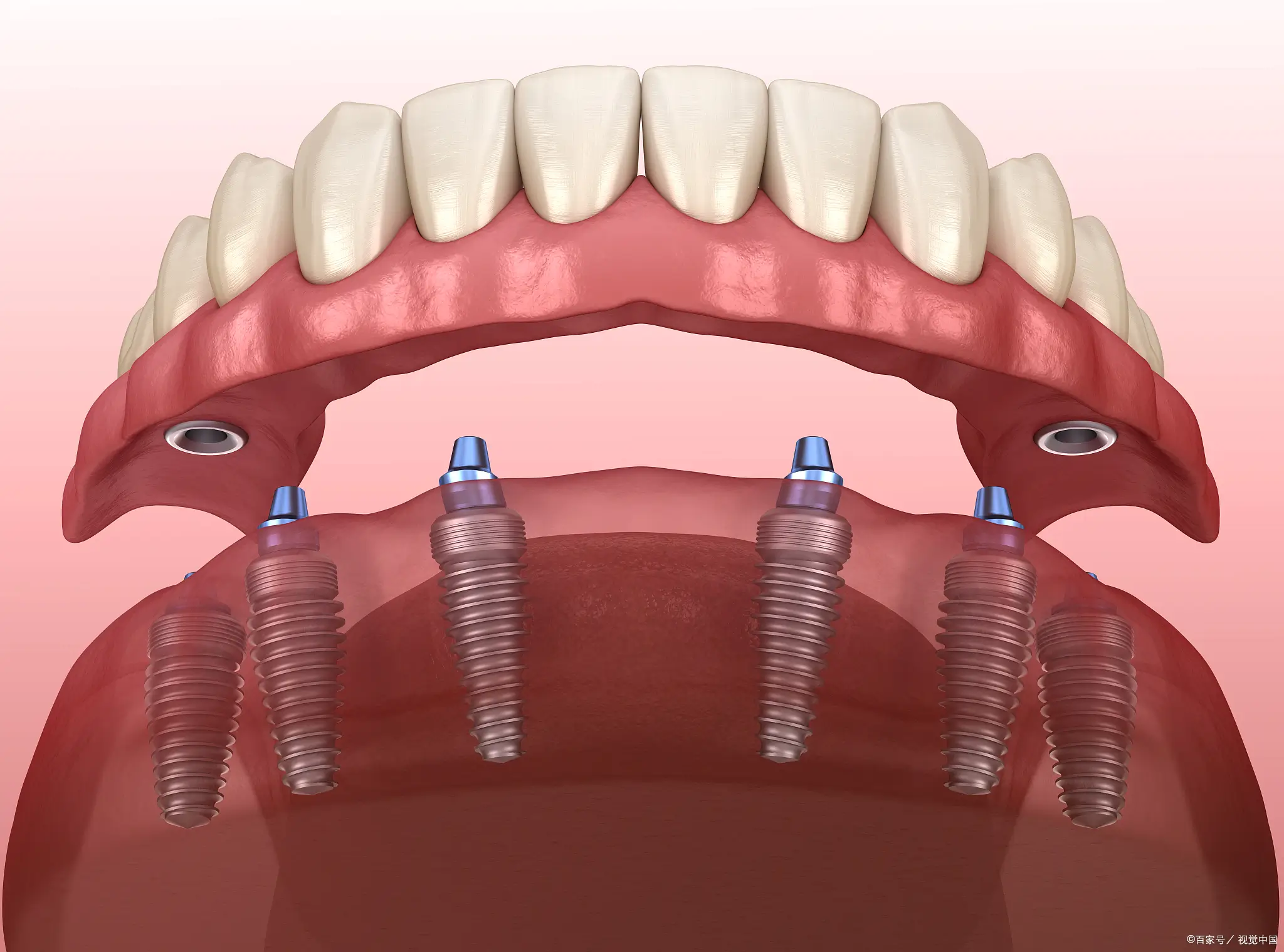
If your case is straightforward, a single implant can sometimes be placed and covered with a temporary crown on the same trip, then finished with a permanent crown after healing. For more complex needs, clinicians perform full-arch solutions like All-on-4 or All-on-6, using immediate temporary bridges so you don’t leave without teeth. Your dentist will assess bone quality, bite, and gum health before recommending the best path.
Travel timelines that actually work
Implant treatment has a healing phase—usually 3 to 6 months for osseointegration—so Thailand’s clinics are used to planning around flights and schedules. Common options include:
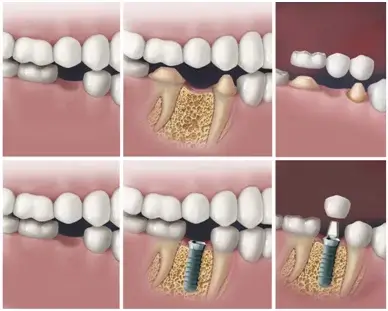
- Single-tooth or small cases: Trip 1 for consultation, CBCT, surgery, and a temporary solution; Trip 2 for final crown after healing.
- Full-arch cases: Trip 1 for extractions (if needed), implants, and a fixed provisional bridge; Trip 2 for the definitive bridge or zirconia prosthesis.
Many clinics offer virtual pre-consultations to review X-rays or photos before you fly, so you arrive with a clear plan. Treatment coordinators will typically explain the number of visits, healing times, and how soon you can fly after surgery.
A comfortable place to heal
After a procedure, a “sabai sabai” (relaxed) environment helps. Whether you choose a quiet riverside hotel in Bangkok, a peaceful retreat in Chiang Mai, or a sea breeze in Hua Hin, Thailand’s accommodation options are wide and well-priced. You’ll find plenty of soft, dental-friendly food in local menus—think khao tom (rice soup), soft noodles, steame
d fish, and smoothies—so you can follow your dentist’s instructions without feeling restricted. And if you need to take it slow for a couple of days, staff everywhere are used to the “no worries, mai pen rai” approach that makes recovery feel less stressful.
English-friendly and easy to navigate
In major dental hubs like Bangkok, Phuket, and Chiang Mai, many dentists and support staff speak excellent English. Clinics often have international patient coordinators who help with quotes, appointment reminders, and logistics. Getting around is straightforward: Bangkok’s BTS and MRT make it easy to reach clinics along Sukhumvit and Silom, metered taxis are widely available, and Grab works well for door-to-door rides. For many nationalities, visa exemptions or e-visas keep entry simple—just check the latest requirements before you book.
What to look for when choosing a clinic
As with any medical decision, doing your homework pays off. A few practical pointers:
- Credentials and experience: Confirm your dentist’s registration with the Thai Dental Council and look for specialists in prosthodontics or oral and maxillofacial surgery if your case is complex. Ask how many similar implant cases they handle yearly.
- Treatment clarity: Request a written plan covering implant brand, number of implants, bone grafting or sinus lift if needed, provisional and final restorations, total cost, and expected timeline.
- Materials and lab work: Check the implant system used and whether crowns are made by an in-house or partner lab. Good clinics are upfront about this.
- Sterilization and safety: Ask about infection control protocols, CBCT use for planning, and anesthesia supervision if opting for sedation.
- Aftercare and warranties: Understand the follow-up schedule, what happens if a complication occurs, and whether there’s a local partner clinic in your home country for interim care.
A sample itinerary
Everyone’s case is different, but a typical single-tooth plan might look like this:
- Day 1: Arrival and consultation, CBCT scan, digital impressions if needed.
- Day 2: Implant placement under local anesthesia; leave with a healing cap or temporary.
- Day 3–5: Light sightseeing, soft diet, review visit to check healing.
- Fly home: Follow dentist’s advice on flight timing post-surgery.
- Months 3–6: Return to Thailand for abutment connection and final crown, or coordinate with your local dentist if arranged.
Budgeting tips that make sense
- Add a buffer for additional procedures like bone grafting. Transparent quotes are the norm, but a little contingency in your budget keeps things stress-free.
- Consider travel seasons. Low season can mean better hotel rates and clinic promos, while cool season (roughly Nov–Feb) offers the most comfortable weather.
- Factor in rest days. Even if you feel fine, plan a “take it easy” day after surgery—Netflix at the hotel, gentle walks, and lots of hydration.
The bottom line
Thailand offers a practical blend of clinical expertise, modern technology, and thoughtful patient care—at price points that make implant treatment more accessible. You get straightforward planning, clear communication, and a backdrop that encourages a calm, steady recovery. With the right clinic and a realistic timeline, a dental holiday in the Land of Smiles can be both medically sound and genuinely pleasant. If you’ve been waiting to restore your bite and confidence, Thailand’s dental tourism scene makes a compelling case to get it done—sabai sabai, and done right.