Thailand Dental Implant Benefits for Patients Comparing Dental Costs Worldwide
Thailand Dental Implant Benefits for Patients Comparing Dental Costs Worldwide
If you’re comparing dental costs worldwide, Thailand often lands at the top of the shortlist for dental implants. Patients come for the value-for-money pricing, international-standard care, and a service-minded approach that makes the whole journey smooth and comfortable. Whether you’re based in Bangkok, Phuket, or flying in for treatment, Thailand offers a balance of quality, convenience, and affordability that’s hard to beat.
Why Thailand is a smart choice for dental implants
- Skilled specialists and clear communication: Many Thai implant dentists are board-certified prosthodontists or oral surgeons with international training and conference exposure. In popular hubs like Bangkok, Phuket, and Chiang Mai, English-speaking teams are common, so you can discuss your case in detail, no stress.
- Modern technology: Clinics routinely use 3D CBCT scans, digital planning, guided surgery, and CAD/CAM zirconia or porcelain crowns. This reduces surprises and helps achieve a natural look and strong bite function.
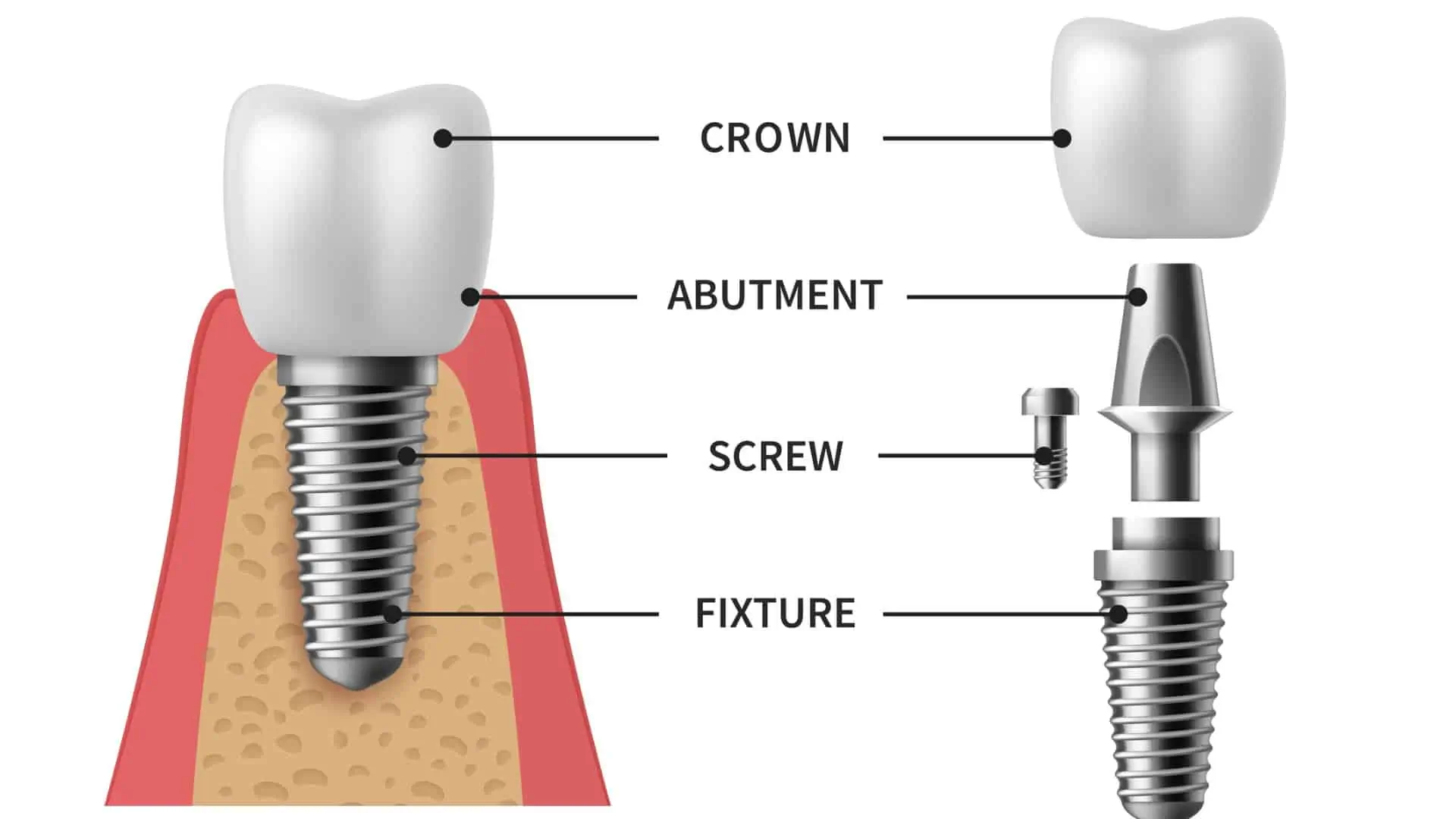
- Transparent, all-in pricing: Clinics here are used to serving expats and international patients. It’s normal to receive an itemised treatment plan that separates the implant, abutment, crown, bone graft (if needed), surgical guide, medication, and follow-ups. No hidden extras is a common selling point.
- Easy access and short waiting time: Many clinics sit near BTS/MRT stations in Bangkok or central areas in Phuket and Pattaya. You can usually book quickly, even on Saturdays, and there’s less queue than in many big cities abroad.
- Comfortable recovery: Thailand’s “sabai sabai” vibe makes recovery less stressful. You’ll find plenty of soft food options, convenient pharmacies, and accommodation near clinics.
How Thailand’s implant costs compare
Exact fees depend on your case, the implant brand, and crown material. That said, typical clinic quotes in Thailand for a single implant with abutment and crown often fall around THB 60,000–120,000 (roughly USD 1,700–3,300 at common exchange rates). Complex cases may be higher, and simple cases can be lower.
To put that in context, many patients report:
- United States: USD 3,000–5,000+ per implant and crown, often higher in major cities.
- United Kingdom: commonly GBP 2,000–3,000+.
- Australia: often AUD 3,000–6,000+.
- Singapore: frequently SGD 3,000–6,000+.
- Western Europe: varies widely but generally higher than Thailand’s range.
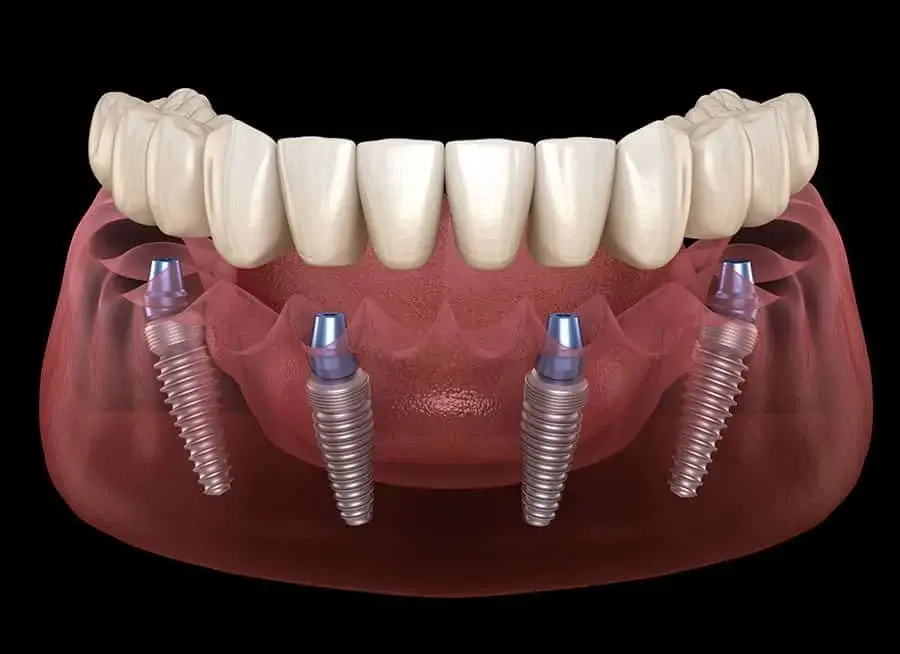
For full-arch solutions like All-on-4 or All-on-6, Thailand clinics often quote all-in packages that are competitive versus the US, UK, and Australia. The exact figure depends on whether you choose titanium or zirconia framework, immediate loading vs staged loading, and lab options. Always ask for a written breakdown and check what is included (temporary teeth, post-op checks, and any maintenance).
Quality and safety you can expect
Thai clinics catering to implant cases typically follow strict sterilisation and infection-control protocols, with some holding ISO or international accreditations. It’s common to see trusted implant brands like Straumann, Nobel Biocare, Neodent, MIS, and Astra Tech. Many clinics offer a limited warranty on the implant fixture and separate coverage on the crown; ask for written terms so your follow-ups are clear. Post-op care usually includes antibiotics (if indicated), pain control, and scheduled reviews to monit
or healing.
Your treatment timeline, step by step
- First visit (or virtual planning): A consultation, 3D CBCT scan, photos, and impressions or intraoral scans. You’ll get a treatment plan with costs and options for materials and timing.
- Implant placement: The implant fixture is placed under local anaesthesia, with sedation available in many clinics for comfort. If there’s insufficient bone, your dentist may suggest grafting or sinus lift.
- Healing and integration: Most cases need 3–6 months for the implant to fuse with bone. Immediate-loading options exist for suitable cases (like some All-on-4), but your dentist will decide based on bone quality and bite.
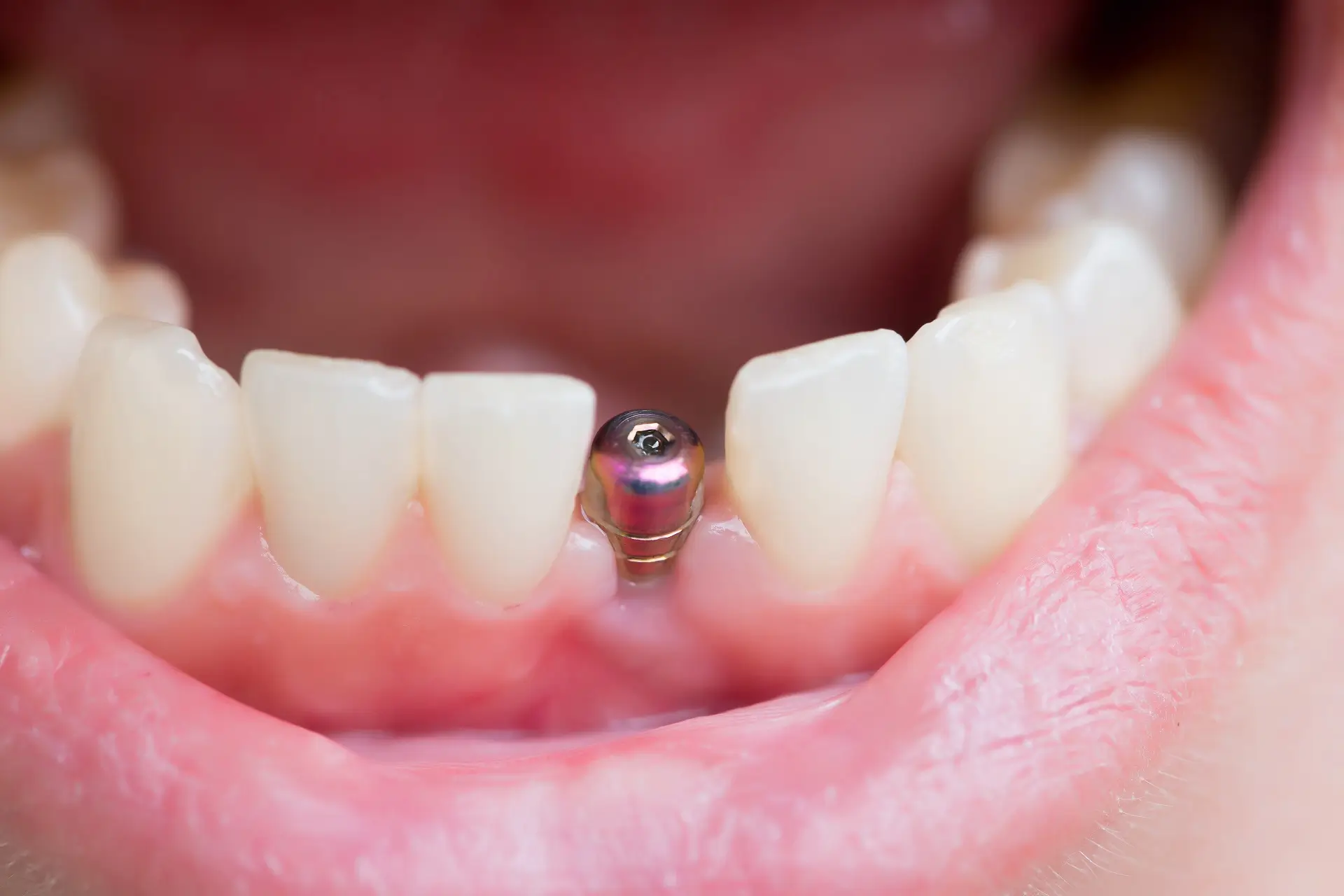
- Abutment and crown: After integration, the final abutment and crown are fitted and adjusted to your bite. You’ll receive guidance on cleaning and maintenance.
If you’re traveling from overseas, clinics can coordinate stages to minimise trip time, or work with your home dentist for interim checks. Many expats in Thailand appreciate the short travel within the country and easy scheduling for reviews.
Who is a good candidate?
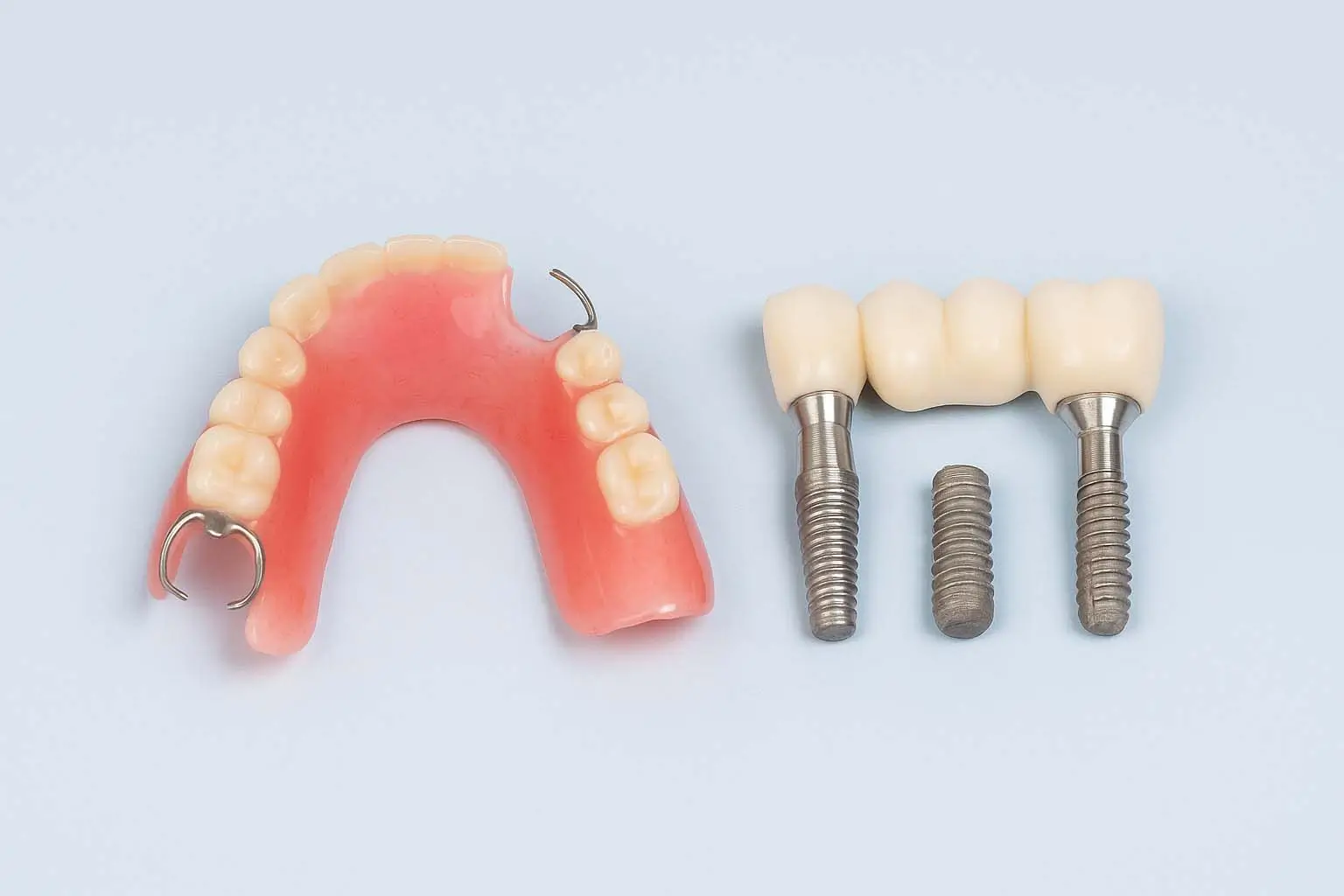
Single-tooth gaps, multiple missing teeth, and full-arch cases can all be managed with implants. Good oral hygiene, healthy gums, and enough bone are important. Smokers, patients with uncontrolled diabetes, or those with active gum disease may need stabilisation or alternative plans first. A proper consultation with X-rays or CBCT in Thailand will clarify your suitability.
How to choose a Thai implant clinic
- Check credentials: Look for dentists registered with the Thai Dental Council, and ask about specialty training in prosthodontics or oral surgery.
- Ask for a detailed quote: Ensure the plan separates implant, abutment, crown, bone graft or sinus lift if required, surgical guide, sedation, medications, and follow-up visits.
- Confirm implant brand and lab work: Ask which implant system will be used and the lab crafting your crown or full-arch prosthesis. Material options (titanium, zirconia, porcelain) affect price and durability.
- Understand the warranty: Get the implant and crown warranty in writing, including conditions, maintenance visits, and what happens if you move away.
- Consider access and aftercare: Look for a clinic near BTS/MRT or central locations, check opening hours, and confirm emergency support. Clear communication and quick response are a big plus.
- Compare value, not only price: Extremely cheap deals can skip steps or use generic components. Focus on long-term outcome and service quality.
Everyday life with implants in Thailand
After fitting, most patients return to normal eating after a short adjustment period. Thai cuisine offers many soft options during early healing—congee (jok), soft fish, tofu, ripe fruits—so you won’t feel limited. Dentists here are big on maintenance; expect advice on flossing, interdental brushes, and professional cleanings every 6 months to keep implants healthy.
The bottom line
For patients comparing dental costs worldwide, Thailand stands out for its balance of affordability and international-standard care. You’re likely to find clear communication, modern technology, and an all-in, transparent approach that keeps surprises to a minimum. With proper planning and the right clinic, dental implants in Thailand can deliver strong function, a confident smile, and real value for money.