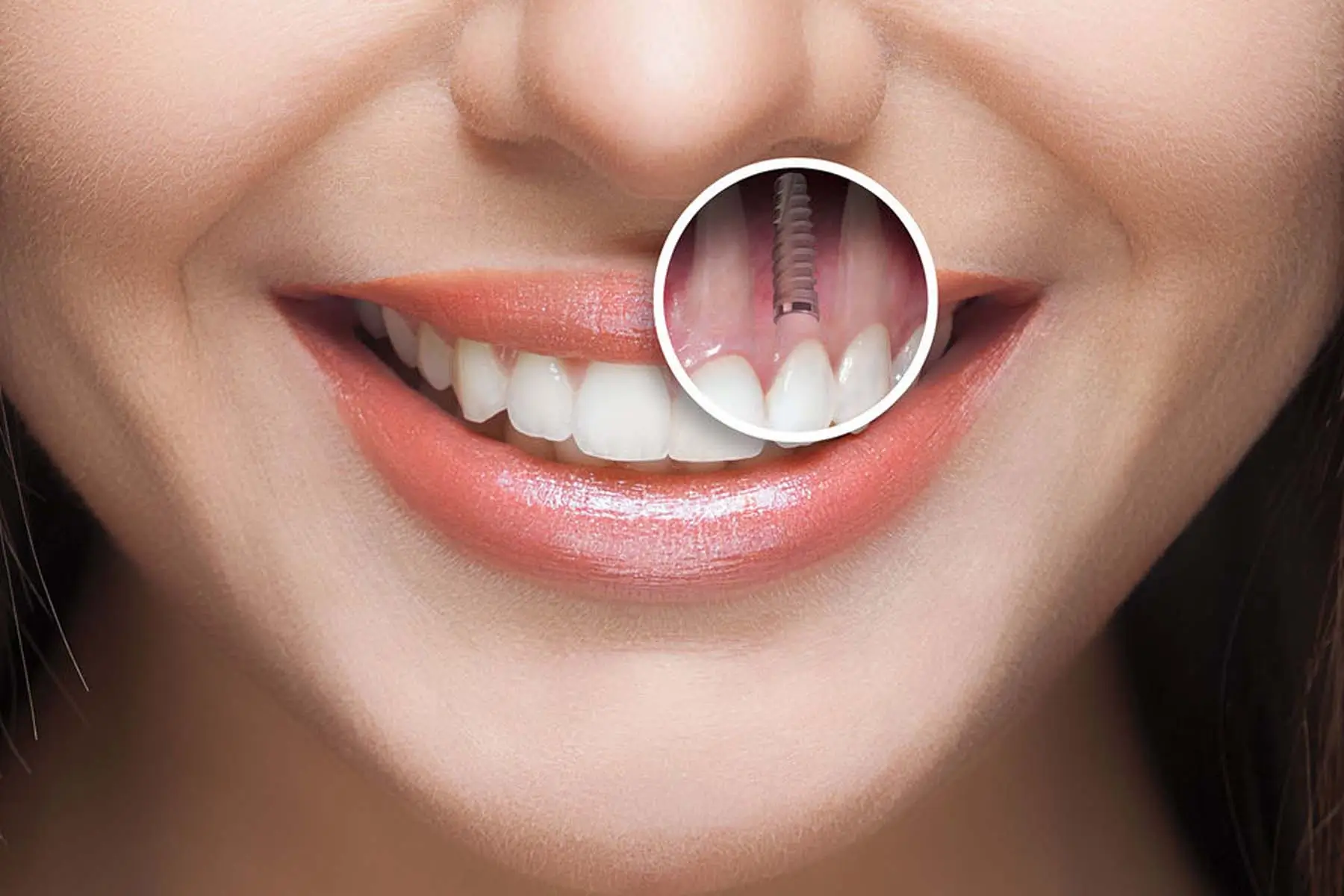
Thailand Dental Implant Services for a More Confident Smile Abroad
Thailand Dental Implant Services for a More Confident Smile Abroad
If you’re dreaming of a stronger bite and a more confident smile without breaking the bank, Thailand’s dental implant services are hard to beat. The Land of Smiles blends international-standard dentistry with warm hospitality, clear communication in English, and excellent value. Whether you’re based in Bangkok or flying in for treatment, the experience is designed to be sabai sabai—comfortable, straightforward, and reliable.
Why choose Thailand for dental implants
- Experienced specialists: Many Thai prosthodontists, periodontists, and oral surgeons hold international training and memberships. Clinical teams commonly include implant-focused dentists, hygienists, and digital lab technicians working together.
- International standards and technology: High-quality clinics in Bangkok, Phuket, and Chiang Mai use CBCT 3D scans, guided surgery, and reputable titanium implant systems. Hospitals and larger clinics often follow ISO-aligned sterilization protocols, with some facilities attached to JCI-accredited hospitals.
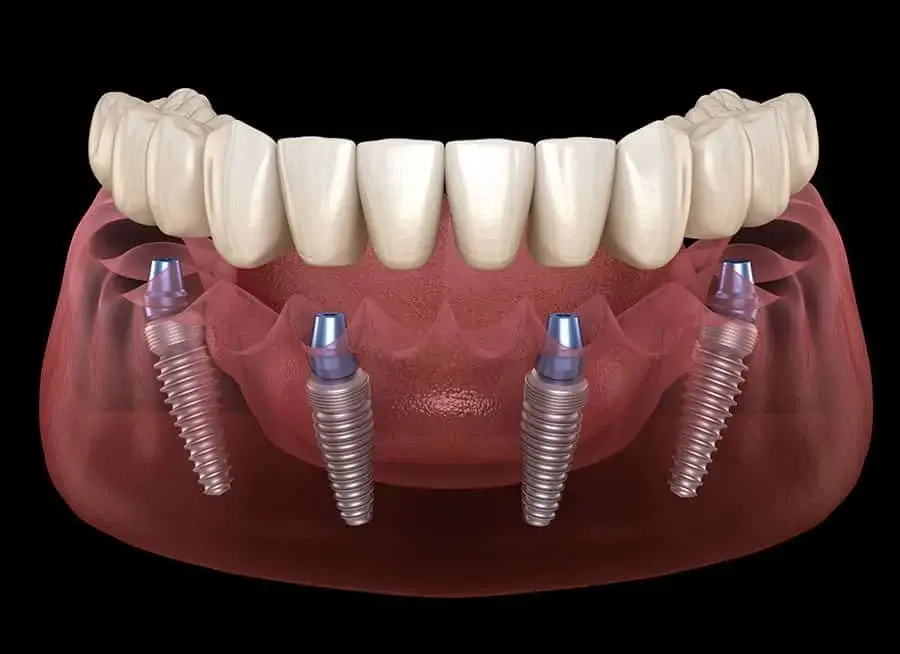
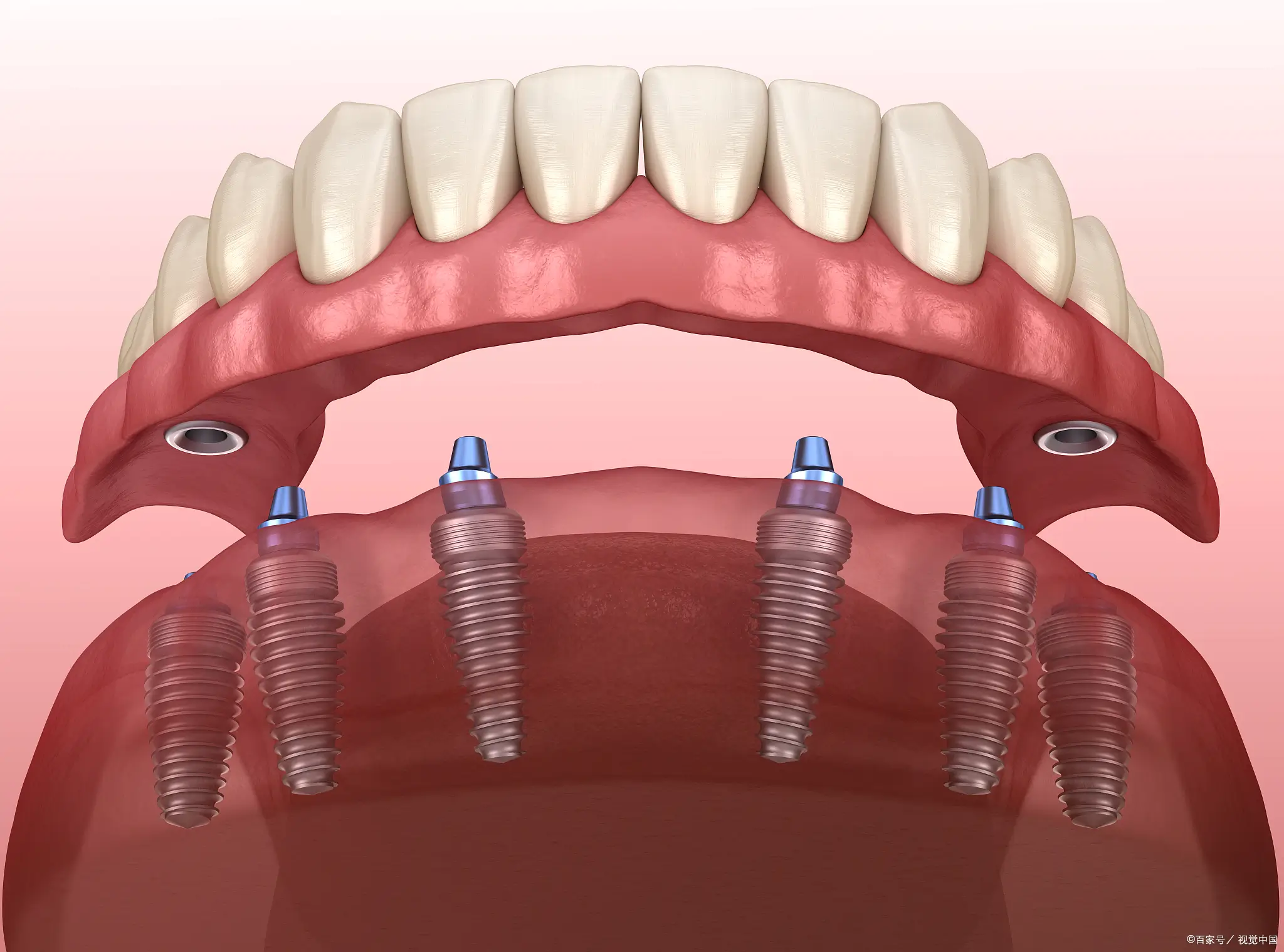
- Value for money: A single dental implant with a crown in Thailand typically ranges around 50,000–80,000 THB, depending on brand and case complexity, with clear itemized quotes. Full-arch “All-on-4/6” solutions can be significantly more affordable than in many Western countries. Packages often include airport pickup, hotel coordination, and multilingual support.
- Convenience and communication: English-speaking coordinators, dentists, and nurses are common. Clinics are often located along the BTS/MRT in Bangkok or close to beachside areas in Phuket—easy to find, easy to reach. Expect a friendly “sawasdee ka/krap” and clear instructions at every step.
Your implant journey, step by step
1) Pre-visit consultation: Many clinics offer a free online assessment using your existing X-rays or photos. When you arrive, a detailed in-clinic exam and CBCT scan confirm bone quality and suitability. You’ll receive a written treatment plan and transparent fees before any procedure starts.
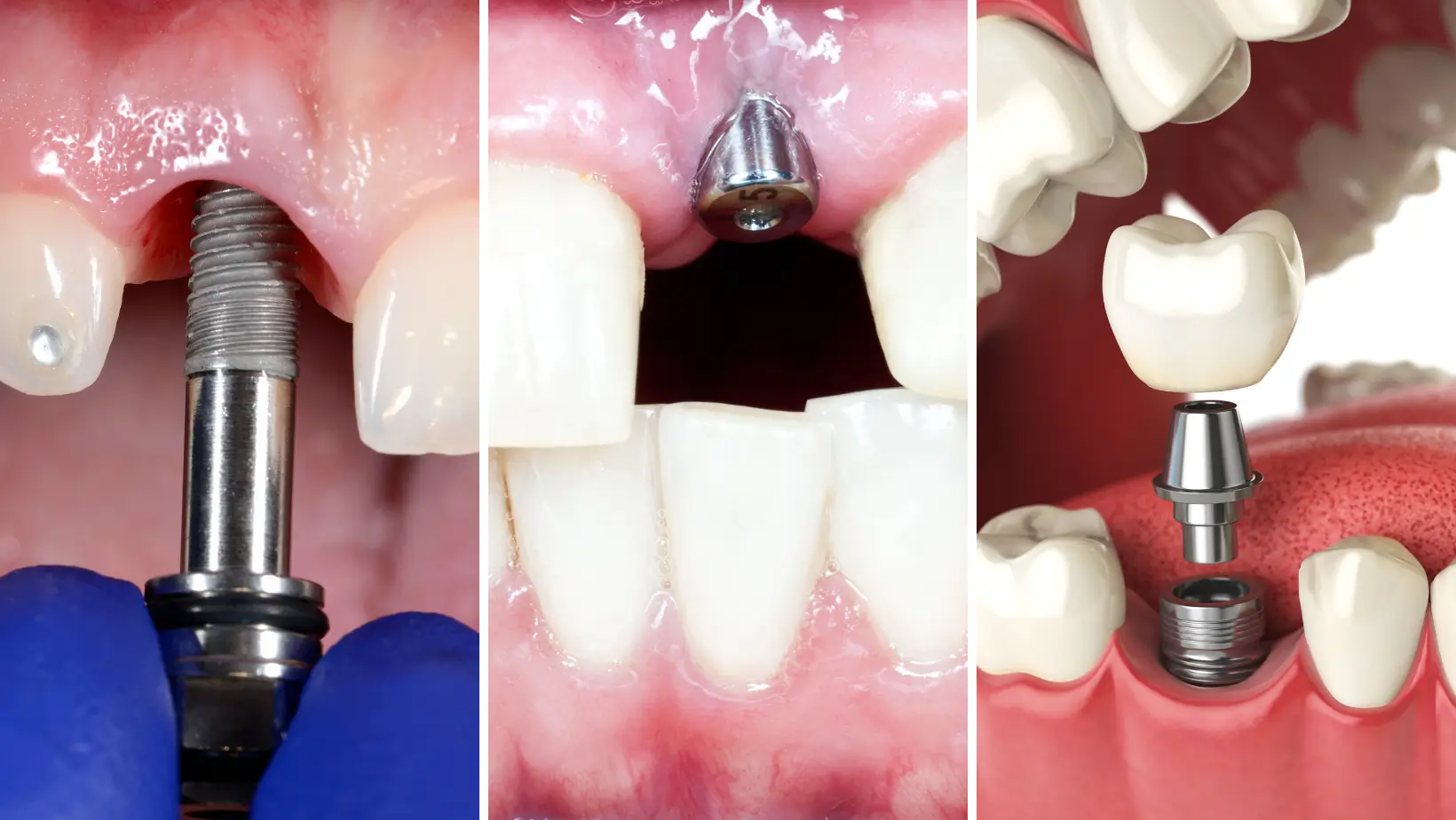
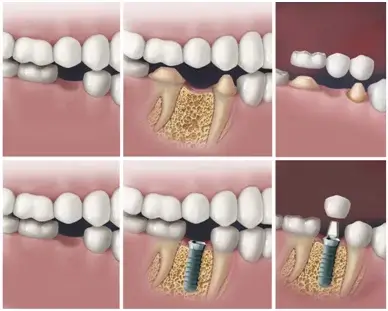
2) Surgery day: The implant (a titanium post) is placed under local anesthesia, with IV sedation available if you prefer to feel extra relaxed. Straightforward cases can take 45–90 minutes. If needed, bone grafting or a sinus lift may be done in the same appointment.
3) Healing and osseointegration: The implant integrates with bone over 3–6 months. You may wear a temporary tooth to keep your smile looking good while everything heals. Some cases qualify for immediate loading (a same-day temporary tooth), but this depends on bone stability.
4) Final restoration: After healing, the abutment and crown are fitted and adjusted for bite and aesthetics. High-strength zirconia or porcelain fused to metal are common choices. Clinics often use in-house digital labs for precise, quick turnaround.
How long should you stay
- First trip: Most patients stay 5–10 days to allow for surgery, initial checks, and early healing.
- Second trip: Plan 4–7 days for the abutment and crown. Some complex cases may require one extra visit.
- If immediate load is indicated, your clinic will let you know. Otherwise, expect two trips with several months in between.
What affects the cost
- Implant brand and components used
- Need for bone grafting or membranes
- Crown material (zirconia, porcelain), abutment type (custom vs stock)
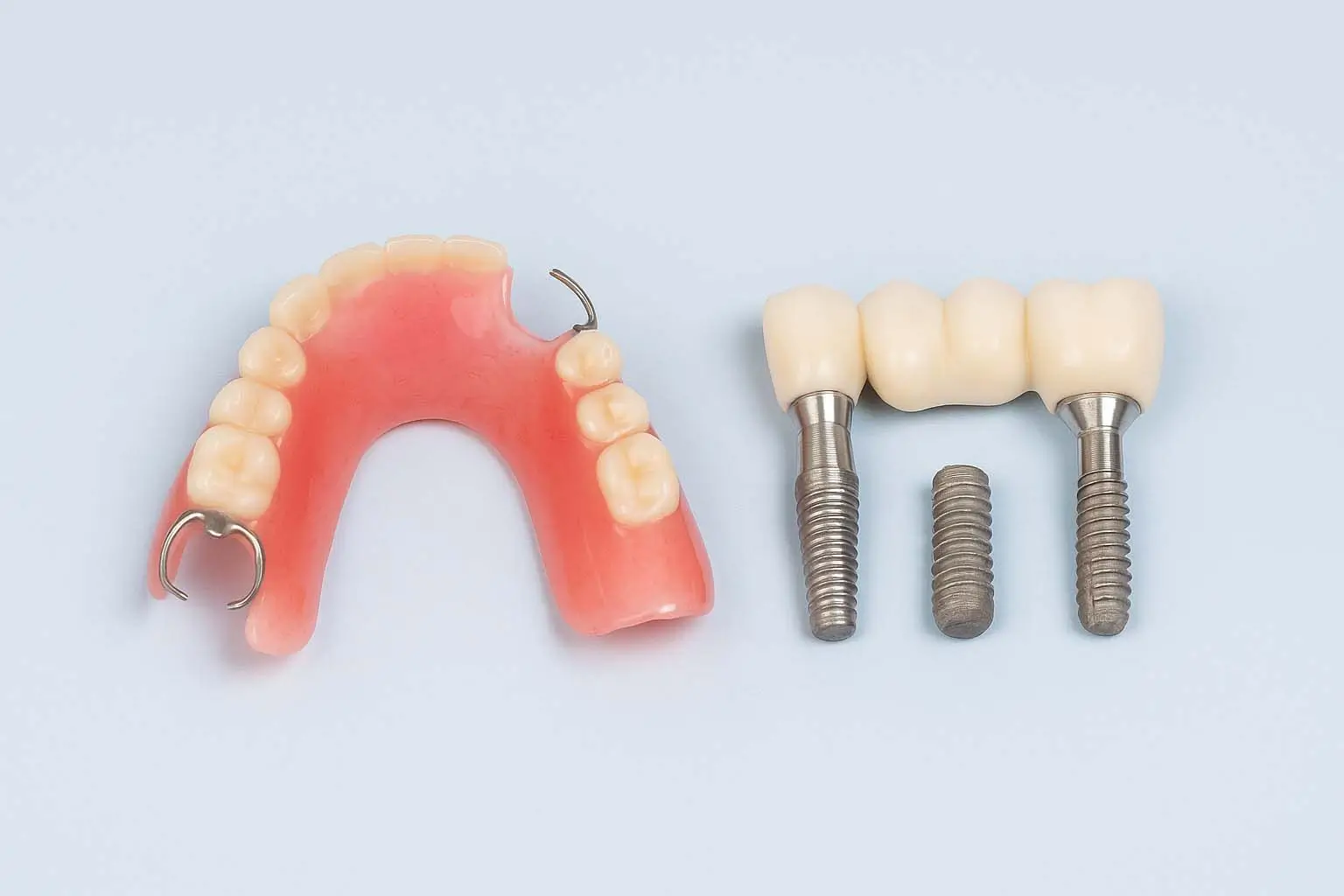
- Number of implants and whether it’s a single tooth, bridge, or full-arch (e.g., All-on-4/6)
- Specialist involvement and clinic location
Typical ranges in Thailand (subject to case and c
linic):
- Single implant with crown: roughly 50,000–80,000 THB
- Bone graft (if required): additional, based on size and materials
- Full-arch options: varies widely; request a personalized quote
How to choose a trusted clinic
- Check credentials: Confirm your dentist’s registration with the Thai Dental Council and ask about specialty training in prosthodontics, periodontics, or oral surgery.
- Ask for details: Request a written plan that includes the implant brand, abutment type, crown material, number of visits, and all extra fees (CBCT, medications, grafts, temporary teeth).
- Review sterilization and safety: Ask about infection control protocols, surgical guides, and imaging standards.
- See real cases: Look at before-and-after photos and read verified patient reviews. A good clinic welcomes a second opinion—mai pen rai.
- Clarify aftercare and warranty: Understand follow-up schedules, what’s covered, and how the clinic supports overseas patients once you return home.
Comfort, pain control, and recovery
- Anesthesia and sedation: Local anesthesia is standard; many clinics offer IV sedation for anxious patients.
- Post-op expectations: Mild swelling or bruising for 2–5 days is common. Most patients are back to normal daily activities within a few days.
- Aftercare tips: Stick to soft foods at first; avoid very hot, spicy, crunchy foods, alcohol, and smoking while healing. Use prescribed mouth rinse, keep the area clean without brushing directly on stitches until advised, and sleep with your head elevated for the first couple of nights.
Travel-savvy tips for dental tourism in Thailand
- Timing: Avoid planning surgery right before a long-haul flight or a diving trip. Give yourself enough rest days. Note hot season and rainy season if you’re sensitive to weather.
- Location: Choose a hotel near your clinic, ideally close to BTS/MRT in Bangkok or central areas in Phuket/Chiang Mai. Minimizing travel after surgery keeps things comfy.
- Documents and insurance: Carry medical history, medication list, and any dental records. Travel insurance that covers medical travel is a plus.
- Support: Many clinics provide translators and patient coordinators. Even so, English is widely spoken in medical settings.
- Food and fun: While Thailand is all about sanuk (fun), keep it low-key after surgery—save spicy street food adventures for later in your trip.
Common questions
- Is it painful? With modern anesthesia and gentle techniques, discomfort is usually minimal. You’ll receive pain relief medication for the first few days.
- How successful are implants? When placed by trained specialists with proper planning, implant success rates are high. Your dentist will assess your individual risk factors.
- What if I smoke or have medical conditions? Smoking, uncontrolled diabetes, and poor oral hygiene can affect healing. Share your health history during consultation so your plan can be tailored safely.
- Will I need bone grafting? Not always. CBCT scans help your dentist decide if grafting or a sinus lift is needed to support long-term stability.
The bottom line
Thailand’s dental implant services bring together skilled specialists, advanced technology, and welcoming care at fair prices. With proper planning—two well-timed visits, clear communication, and diligent aftercare—you can return home with a confident smile that feels natural and looks great. It’s the perfect blend of international standards and Thai hospitality: efficient, friendly, and, as locals say, same same but better.