Thailand Pediatric Dentistry Care for Childrens Tooth Development
Thailand Pediatric Dentistry Care for Childrens Tooth Development
Growing a healthy Thai smile starts at home, but a good pediatric dentist is your best partner along the way. In Thailand, many parents focus on schooling and nutrition but may delay dental visits until there’s pain. The truth is, children’s tooth development is a journey that benefits from early, gentle guidance. With the right habits, check‑ups, and preventive care, your child can avoid cavities, chew comfortably, speak clearly, and feel confident.
Why baby teeth matter more than you think
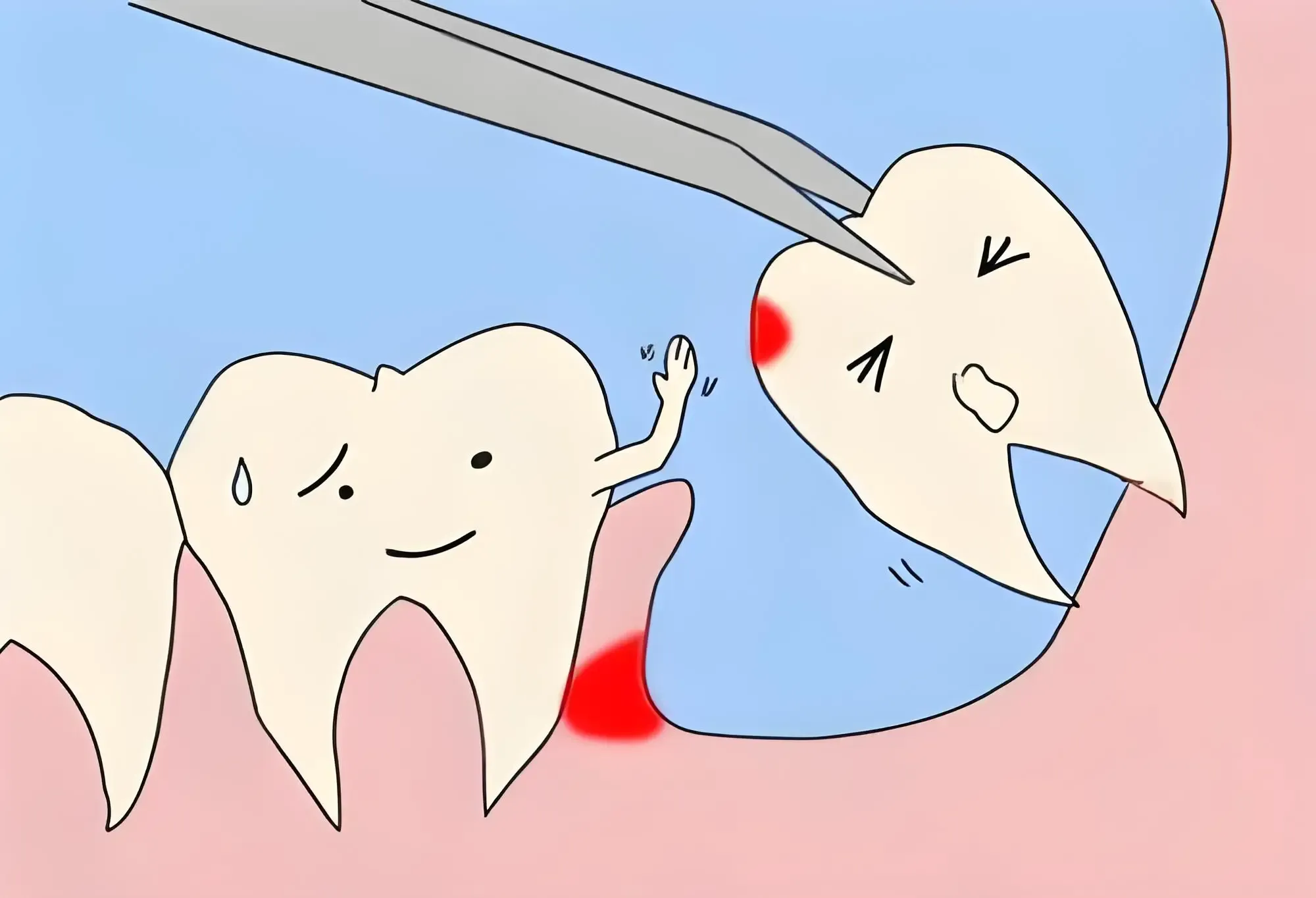
Baby teeth (often called milk teeth) do a lot of work. They help kids bite and chew sticky rice and veggies, guide speech, hold space for permanent teeth, and support facial growth. When a milk tooth is lost too early to decay, the neighbouring teeth can drift, leaving less room for adult teeth and making future orthodontic treatment more likely. Healthy milk teeth set the foundation for a well‑aligned adult smile.
The Thai timeline: what to expect
- 6–10 months: First front teeth usually appear.
- 12–18 months: More teeth erupt; chewing becomes stronger.
- By 2.5–3 years: Most children have all 20 milk teeth.
- Around 6 years: First permanent molars erupt behind the back baby teeth; the front milk teeth begin to loosen and fall.
- From 6–12 years: Mixed dentition period (both milk and permanent teeth). This is a key window for prevention.
When to see a pediatric dentist in Thailand
Dentists in Thailand commonly recommend “first visit by first birthday” or within six months of the first tooth coming in. After that, a check‑up every six months helps catch any early changes. Many clinics in Bangkok, Chiang Mai, Khon Kaen, Phuket, and other cities have child‑friendly environments with cartoons on the ceiling, gentle techniques, and smaller instruments that make kids feel at ease.
Daily care that fits Thai family life
- Brush twice a day with a small, soft‑bristled brush. The night‑time brush is non‑negotiable, as saliva reduces during sleep and cavities form faster.
- Use fluoridated toothpaste. Under 3 years old, a smear the size of a grain of rice is enough; from 3 to 6 years, a pea‑sized amount is recommended. Most Thai dentists suggest 1,000–1,500 ppm fluoride toothpaste. Teach kids to spit, not rinse, to let fluoride keep working.
- Start flossing when teeth touch. Usually by 3–4 years old, the back teeth have tight contacts that trap food.
- Keep bottles and cups smart. Avoid putting a child to bed with milk or sweet drinks. If they need a comfort sip, use plain water. Prolonged bottle feeding and frequent sweetened milk or Thai iced tea can cause early childhood caries.
- Mind the snacks. Thai treats like crispy snacks, sticky rice desserts, roti with condensed milk, and milk tea are tasty but can be cavity‑friendly if taken often. It’s safer to offer sweets with meals rather than constant grazing. Encourage water instead of sweet drinks between meals.
Fluoride and Thailand’s water habits
Many families in Thailand rely on bottled water, and community water fluoridation is not universal. That makes fluoride toothpaste and in‑clinic fluoride varnish even more important. Pediatric dentists may apply fluoride varnish every 3–6 months for kids at higher risk. It’s quick, painless, and strengthens enamel.
Sealants, SDF, and simple prevention
- Fissure sealants: When the first permanent molars erupt (around age 6–8), ask your dentist about sealants. These protective coatings flow into the grooves and reduce the risk of decay dramatic
ally.
- Silver diamine fluoride (SDF): In many Thai clinics, SDF is used to stop early cavities without drilling. It blackens the decayed area but is safe and especially useful for very young or anxious children.
- Professional cleaning and check‑ups: Regular visits help remove stubborn plaque and spot issues before they hurt.
Comfort and behaviour management
Pediatric dentists use “tell‑show‑do,” gentle voice control, and positive reinforcement. In Thailand, it’s common for mum or dad to sit nearby, which helps kids feel secure. Bring a favourite soft toy, book a morning appointment when your child is fresh, and keep visits short at first. Some clinics offer nitrous oxide (laughing gas) or hospital‑based care for special needs or very complex cases; your dentist will advise what’s appropriate.
Habits and jaw development
- Thumb sucking and pacifiers: Try to phase out by age 3 to prevent open bites or protruding teeth.
- Mouth breathing and snoring: These can affect jaw growth. If you notice them, mention it to your dentist; they may coordinate with an ENT.
- Early orthodontic checks: Around age 7, a quick orthodontic screening can pick up crossbites, crowding, or jaw growth issues. If a milk molar is lost too early, a space maintainer may be needed to keep room for the permanent tooth.
Sports and playground safety
From football to Muay Thai and bicycles, active Thai kids sometimes take knocks. If a permanent tooth is knocked out, rinse gently, place it back in the socket if you can, or keep it in milk and get to a dentist within 60 minutes. Do not reimplant a baby tooth. For contact sports, a custom mouthguard is an inexpensive way to protect teeth.
Choosing a pediatric dentist in Thailand
- Look for a clinic that welcomes children and explains procedures clearly.
- Ask if the dentist has training in pediatric dentistry or is board‑certified.
- Check if they offer preventive options like sealants, fluoride varnish, and SDF.
- For families seeking budget‑friendly care, university dental schools such as Mahidol, Chulalongkorn, and Chiang Mai run pediatric clinics with supervised specialists. Public hospitals across provinces also provide children’s dental services.
Planning around Thai calendars
School terms and holidays can make clinics busy. Try booking check‑ups before the new term and before big festivals like Songkran or New Year, when sweet treats and travel plans can throw off routines. Pack a small dental kit for trips: brush, fluoridated toothpaste, floss, and a bottle of water.
What to do if there’s pain or white spots
Early decay often shows as chalky white patches near the gumline, especially on upper front teeth. Sensitivity to sweets or cold can be another clue. Don’t wait—early care is simpler, more comfortable, and cheaper than waiting for a hole. In many cases, fluoride, diet tweaks, and better brushing can reverse early changes.
A balanced approach for lifelong smiles
Pediatric dentistry in Thailand is centred on prevention, comfort, and family involvement. With mindful snacking, twice‑daily fluoride brushing, regular check‑ups, and simple preventive treatments like sealants, most children can grow up cavity‑free. Partner with a child‑friendly dentist in your area—whether you’re in Bangkok, Nakhon Ratchasima, Hat Yai, or up in Chiang Rai—and give your child’s developing teeth the best start. A little effort now saves a lot of dental trouble later, and keeps those Thai smiles bright for years to come.