Thailand Pediatric Dentistry Treatment for Toothache Relief in Children
Thailand Pediatric Dentistry Treatment for Toothache Relief in Children
When a child wakes up with a sore tooth, every parent in Thailand knows the feeling—sleep is gone, appetite drops, and the whole house feels uneasy. The good news is that pediatric dentistry in Thailand is well developed, with clinics in Bangkok, Chiang Mai, Phuket, and provincial cities ready to help. If you’re looking for fast, safe, and gentle toothache relief for kids, understanding what causes the pain, what you can do at home, and what treatments pediatric dentists provide will make the journey smoother.
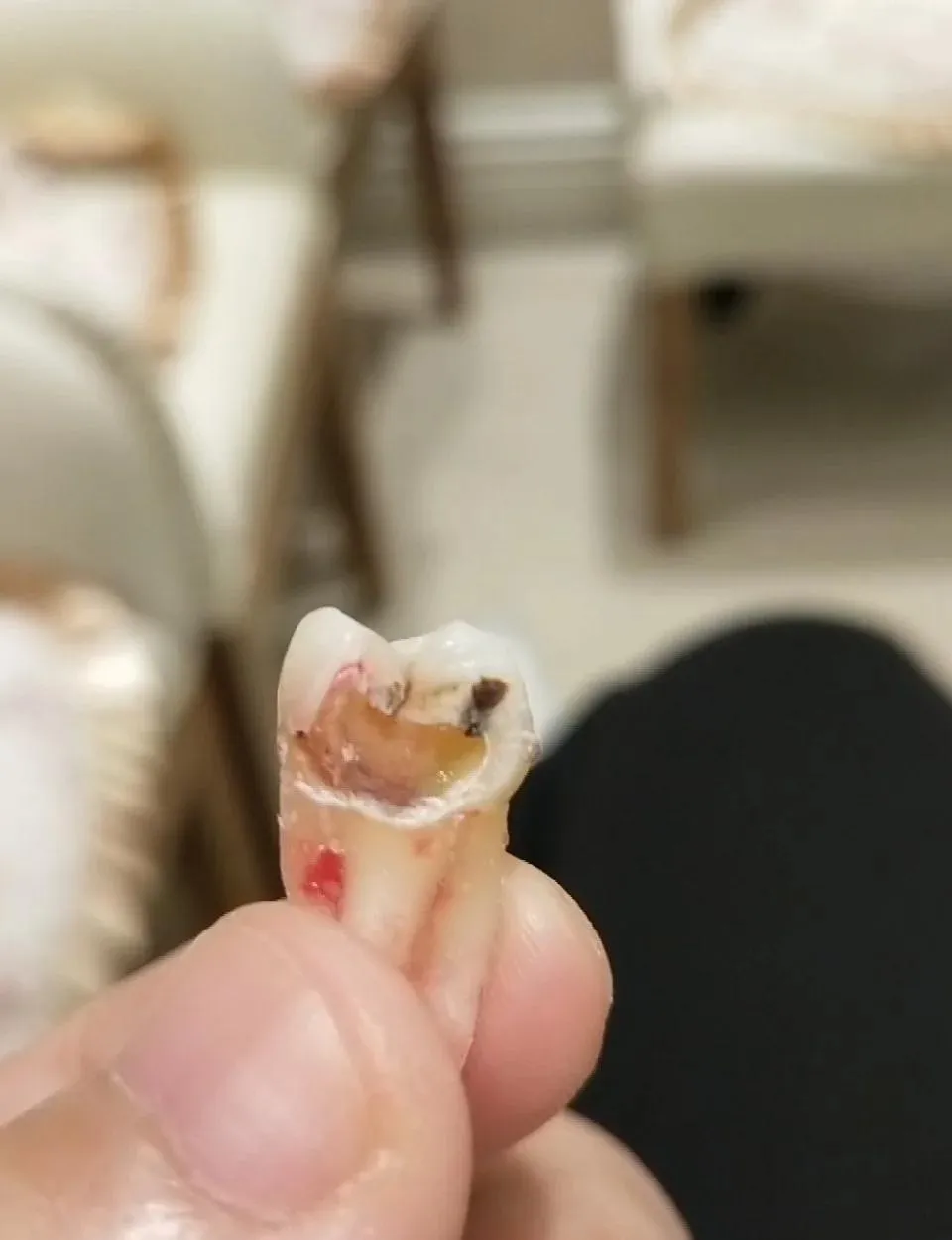
Common reasons children get toothache
- Tooth decay: Thailand has amazing food, but sweet drinks, iced milk tea, and snacks can cause cavities, especially on molars.
- Gum inflammation: Food trapped between teeth or under the gum can irritate the area.
- New teeth coming in: Eruption can cause soreness, and in some cases a blue “eruption cyst” appears—usually harmless but worth checking.
- Cracked or chipped teeth: Playground falls, Songkran slips, or sports can cause pain.
- Dental abscess: When decay reaches the nerve, infection builds up and causes swelling, fever, or a bad taste.
What you can do at home before seeing the dentist
- Rinse gently with warm salt water to clean the area and reduce inflammation.
- Floss carefully around the painful tooth to remove stuck food.
- Apply a cold compress on the cheek for 10–15 minutes if there’s swelling.
- Give child-appropriate pain relief: paracetamol or ibuprofen as per weight and label. Do not put aspirin on the gum—it can burn tissues.
- Avoid very hot, cold, or sugary drinks.
- If the pain is severe, wakes the child at night, or there is swelling or fever, don’t delay—book a pediatric dentist the same day.
When to see a pediatric dentist urgently
- Swelling on the face or under the eye
- Fever or child looks unwell
- Trauma (tooth broken, displaced, or knocked out)
- Pain that doesn’t settle with simple pain relief
- Toothache in a very young child or special-needs child who cannot describe symptoms
Tip for trauma: If a permanent tooth is knocked out, pick it up by the crown (the white part), rinse quickly with clean water, and place it back into the socket gently or put it in cold milk. Reach a dentist within 30 minutes. Do not replant baby teeth.
What Thailand’s pediatric dentists will do
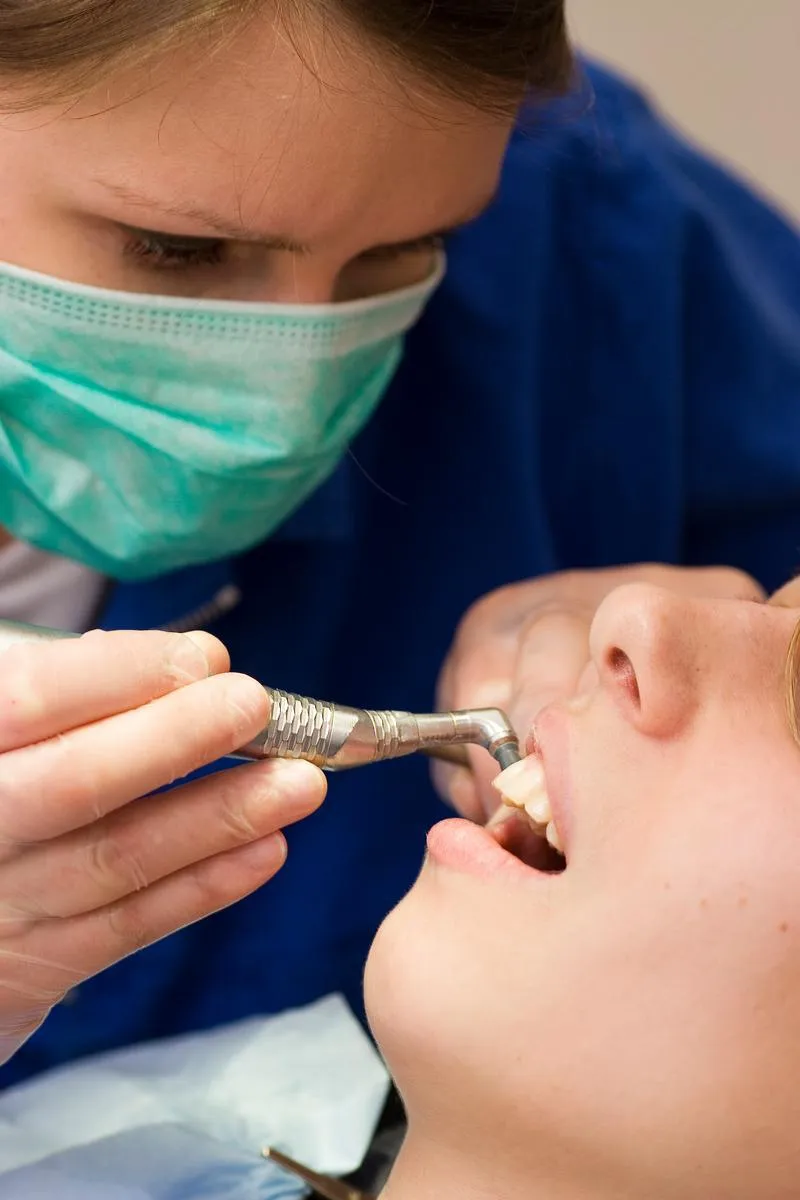
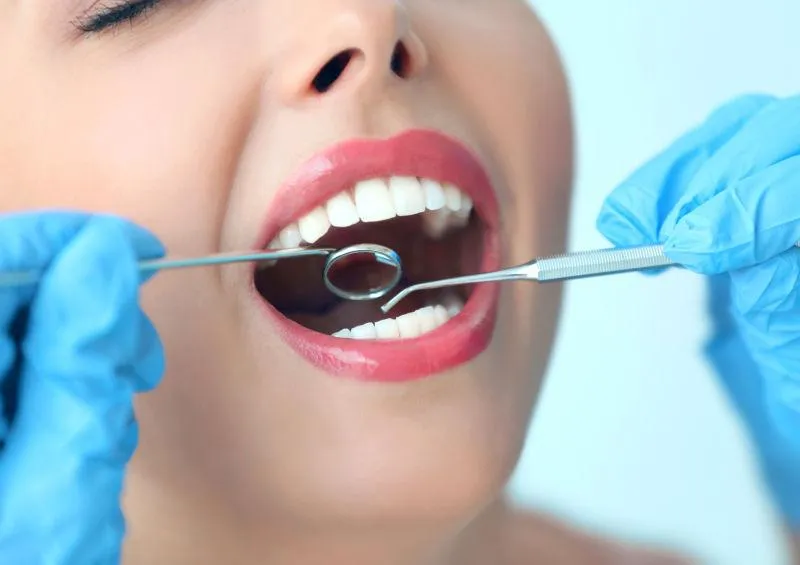
Pediatric dentists (often listed as “children’s dentist” or “หมอฟันเด็ก” on clinic signs) focus on child-friendly care. Many clinics offer LINE booking, short waiting times, and weekend slots.
Step-by-step approach:
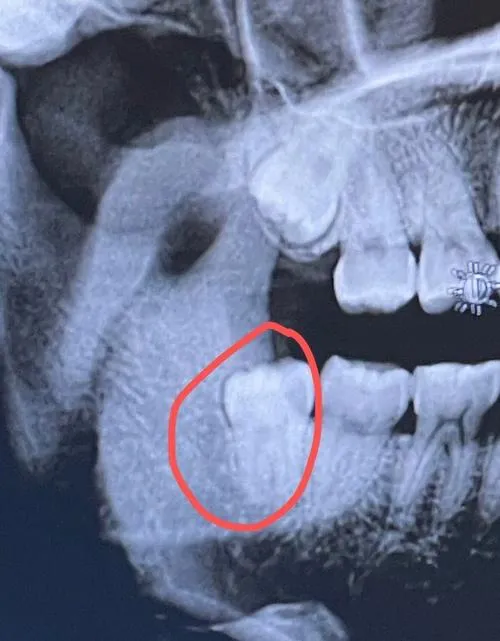
- Examination and X-ray: A small X-ray or bitewing helps locate decay and infection. The dentist will check the bite, gums, and any trauma.
- Pain management: Topical numbing gel, local anesthesia, and child-safe medication are used to keep the visit comfortable.
- Behavior guidance: Techniques like Tell-Show-Do, distraction with cartoons, and rewards help kids relax. Many clinics in Bangkok and large cities offer nitrous oxide (laughing gas) for anxious children. General anesthesia is available in hospital settings for extensive work.
Common treatments for toothache relief in children
- Temporary filling (sedative dressing): Calms the tooth and reduces sensitivity while planning definitive care.
- Composite filling: Repairs small to moderate cavities with tooth-colored material.
- Pulpotomy or pulpectomy (baby-tooth nerve treatment): Removes infected nerve tissue and saves the tooth when possible, often followed by a stainless-steel crown for durability.
- Stainless-steel crown: A strong cover for baby molars with deep decay; it protects the tooth until it naturally falls out.
- Root can
al for young permanent teeth (when appropriate): Preserves the tooth and supports continued root development.
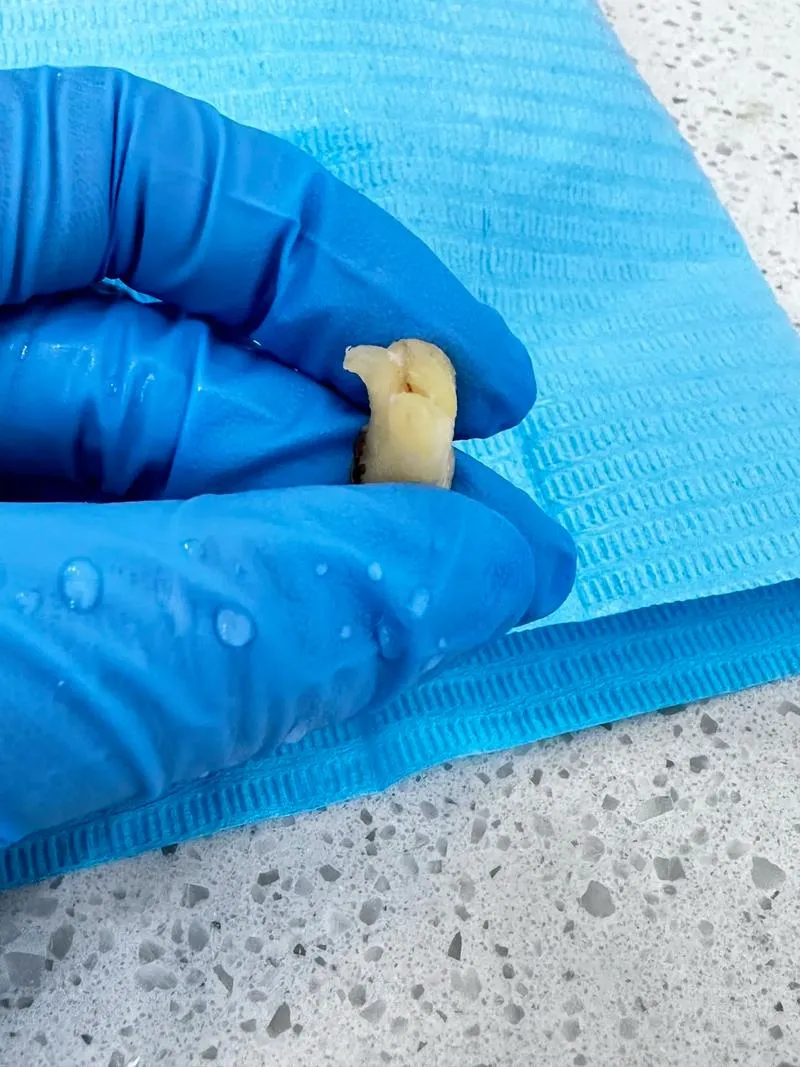
- Extraction: If a baby tooth is not restorable or infection is severe. A space maintainer may be placed to prevent crowding.
- Drainage and antibiotics: For abscess with swelling, the dentist may drain the infection and prescribe antibiotics. Always finish the course as directed.
Aftercare that actually works
- After fillings or crowns: Avoid sticky sweets for a few days, keep the area clean, and brush gently twice daily with fluoride toothpaste.
- After extraction: Bite on gauze for 30–45 minutes, avoid spitting and straws for 24 hours, and stick to soft, cool foods. If bleeding restarts, place clean gauze and bite down again.
- Pain relief: Follow the dose by age/weight. If pain worsens or swelling appears, contact the clinic or return to OPD immediately.
Prevention is the best relief
- Fluoride: Thailand does not have universal water fluoridation, so fluoride toothpaste twice daily is essential. Pediatric dentists often apply fluoride varnish every 3–6 months for high-risk kids.
- Fissure sealants: A quick, painless coating for the chewing surfaces of molars reduces decay risk significantly.
- Diet habits: Keep sweet drinks for mealtime, not for sipping all day. Offer water between meals. Swap sticky snacks for fruits, yogurt, or nuts (age-appropriate).
- Brushing routine: Start brushing as soon as the first tooth appears. By school age, parents should still help or supervise nightly brushing.
- Regular check-ups: Every 6 months, or more often if the child is cavity-prone.
Choosing the right pediatric dental clinic in Thailand
- Pediatric specialist on-site: Look for clinics with board-certified pediatric dentists or hospitals with a children’s dental unit.
- Child-friendly environment: Play area, cartoons, and staff experienced with kids make a big difference.
- Sedation options: Nitrous oxide availability helps anxious children complete treatment comfortably.
- Transparent fees and payment: Most clinics accept cash, QR PromptPay, and cards. Ask for a written treatment plan and receipt.
- Convenience: Clinics near BTS/MRT in Bangkok, or central locations in Chiang Mai, Phuket, Khon Kaen, and Hat Yai, often have evening and weekend appointments. Many accept bookings via LINE Official Account.
- Insurance and schemes: Some university hospitals and government facilities support the Universal Coverage Scheme (UCS) and Social Security for basic services. Check your benefits in advance to manage costs and waiting times.
Frequently asked questions from Thai parents
- Is toothache in baby teeth serious? Yes. Baby teeth guide speech, nutrition, and the position of permanent teeth. Untreated cavities can lead to infection and hospital visits.
- Do children feel pain with dental treatment? With proper numbing and gentle techniques, treatment is generally comfortable. If your child is very anxious, discuss nitrous oxide or hospital-based care.
- How fast should we come in? The same day for swelling, fever, or significant pain. For mild sensitivity, book the earliest available slot to prevent worsening.
Key takeaway for Thai families
Toothache doesn’t have to turn into a long drama. With quick home care, a prompt visit to a pediatric dentist, and a solid prevention plan, children in Thailand can get fast relief and return to school, sports, and play without fear. From simple fillings to pulpotomy and stainless-steel crowns, Thailand’s pediatric dentistry offers gentle, modern solutions designed for small smiles—and big peace of mind for parents.