Thailand Pediatric Dentistry Clinics Offering Trusted Child Oral Health Care
Thailand Pediatric Dentistry Clinics Offering Trusted Child Oral Health Care
If you’re raising kids in Thailand, you’ll be glad to know that pediatric dentistry here is well established, friendly, and easy to access. From Bangkok’s BTS-connected clinics to family-run practices upcountry, you’ll find child-focused dental teams who understand local lifestyles, school schedules, and the little quirks that make Thai kids tick. The best clinics combine a gentle approach with evidence-based care, so your child gets both a positive experience and strong protection for their teeth.
What makes a trusted pediatric dentistry clinic
- Child-first environment: Look for a clinic with a play corner, storybooks, and small-size dental chairs. Staff should use tell-show-do and positive reinforcement, explaining things in simple, friendly Thai or English.
- Qualified pediatric dentists: Many clinics have board-certified pedodontists trained in children’s behavior management, trauma care, and preventive dentistry. You can check credentials on the Thai Dental Council’s registry.
- Preventive focus: Regular check-ups, cleanings, fluoride varnish, and sealants are standard. Teams that measure cavity risk and give tailored home-care tips tend to deliver better long-term results.
- Safe and modern setup: Proper sterilization, digital X-rays with low radiation, rubber dam isolation for fillings, and up-to-date materials indicate quality.
- Clear communication and fees: Clinics that explain treatment options, costs, and follow-up in advance help parents make informed decisions. Receipts and treatment summaries are the norm.
- Sensible pain and anxiety control: Nitrous oxide (laughing gas), protective stabilization when needed, and referral pathways for general anesthesia (GA) in hospital for complex cases show the clinic is prepared for different needs.
Services you can expect for kids in Thailand
- Routine care: Dental check-ups from the first tooth, scale and polish (as age-appropriate), fluoride varnish every 3–6 months, and sealants on molars to prevent decay.
- Fillings and crowns: Tooth-colored fillings are common. For larger cavities on baby molars, stainless steel crowns are widely used for durability. Pulp therapy (pulpotomy) and space maintainers are available when necessary.
- Early orthodontics: Screening for bite problems, habit-breaking appliances for thumb sucking or mouth breathing, and guidance on when to start braces or aligners.
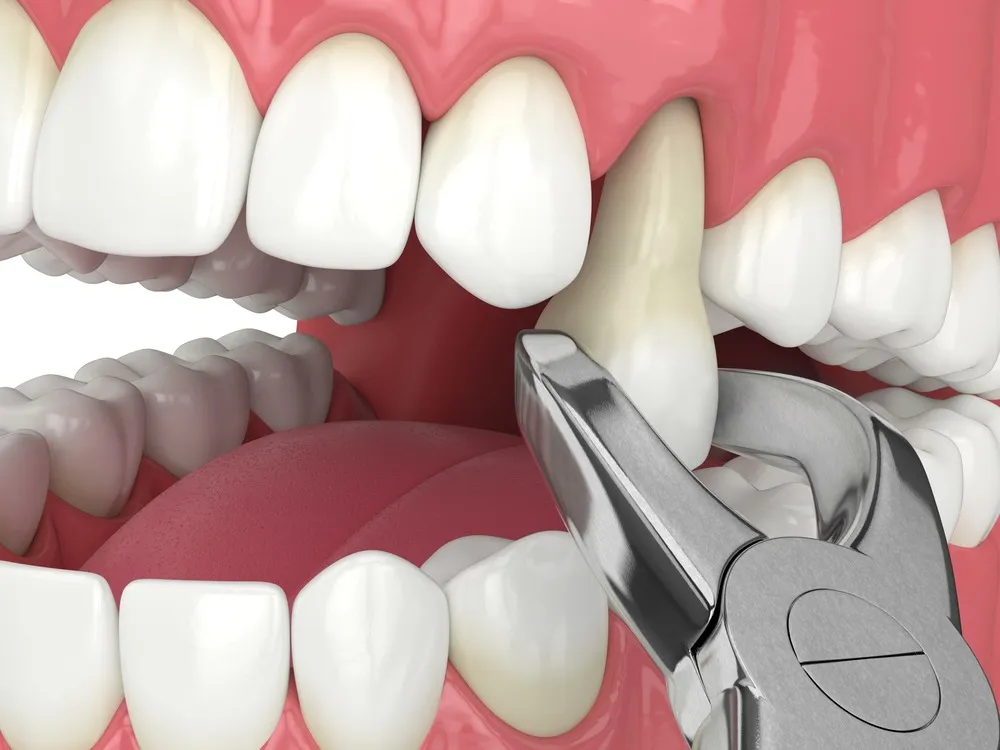
- Trauma care: Quick management of chipped or knocked-out teeth, splinting, and follow-up. This is important for active kids who cycle, swim, or practice Muay Thai.
- Special care dentistry: Coordinated treatment for children with special needs, often with longer appointment times and sensory-friendly adjustments.
- Sedation dentistry: Nitrous oxide is common for mild anxiety. For extensive work or very young children, GA is arranged in a hospital setting with a pediatric anesthesiologist.
Where families usually go
- Bangkok: Many clinics sit near BTS/MRT (Thonglor, Phrom Phong, Siam, Sathorn, Ratchada, Rama 9). Private clinics offer shorter waiting times and flexible hours, including evenings and some weekends.
- Chiang Mai: Family clinics in Nimman, Old City, and along the Superhighway mix relaxed vibes with solid clinical standards. University dental hospitals also run pediatric departments with teaching specialists.
- Phuket and Pattaya: Coastal cities serve both locals and expats, with clinics in Phuket Town, Kathu, Patong, and Jomtien. Tourist areas have more English-speaking staff and extended hours during high season.
- Regional hubs: Khon Kaen, Udon Thani, Hat Yai, and Nakhon Ratchasima have pediatric services in both government hospitals and private clinics.
- Government dental hospitals: Fees are lower and care is reliable, but queues can be long and bookings limited. Private clinics cost more but tend to have faster service and easier parking or public transport access.
Typical fee ranges (subject to change by city and clinic)
- Check-up and consultation: 600–1,200 THB
- Cleaning (scale and polish): 800–1,800 THB
- Fluoride varnish: 500–1,000 THB
- Sealant (per tooth): 800–1,500 THB
- Tooth-colored filling (baby tooth): 900–2,50
0 THB, depending on size
- Stainless steel crown: 3,500–6,000 THB
- Nitrous oxide sedation: 2,000–4,000 THB per session (time-based)
- General anesthesia for full-mouth rehab in hospital: 20,000–60,000+ THB, based on complexity and hospital fees
Always ask for a written estimate before treatment and clarify what’s included (X-rays, follow-up, materials).
Insurance and payment
- Public schemes: Thai citizens may access low-cost care at government hospitals under national coverage schemes. Availability and co-pay vary by location.
- Private clinics: Most accept cash, credit/debit cards, QR PromptPay, and bank transfer. Some clinics can do direct billing for international insurance with pre-approval; otherwise, they issue detailed receipts for claims.
- School programs: Many international and bilingual schools partner with local dentists for screenings and fluoride days; check if your school has a program.
Booking and practical tips
- Make appointments via phone, LINE, or the clinic’s Facebook page. Many clinics reply faster on LINE and confirm with a QR code location pin.
- Aim for times when your child is well-rested—morning slots are usually best for younger kids.
- Bring previous dental records or X-rays if you have them, plus your child’s passport/Thai ID and any allergies or medical notes.
- If you’re commuting by BTS/MRT, choose a clinic near your line to avoid traffic stress. If you drive, ask about free parking and validate your ticket at reception.
- During rainy season, plan extra travel time; late arrivals may need to rebook because pediatric schedules move in short blocks.
- For public holidays, check announcements—some clinics close or operate half-day.
Everyday oral care in the Thai context
- Start brushing as soon as the first tooth appears, twice a day with fluoride toothpaste. Use a smear (rice-grain size) under age 3 and a pea-size amount from 3–6 years.
- Many Thai snacks are sticky and high in sugar—look out for dried fruits, soft sweets, and sugary drinks like flavored milk, milk tea, and sweetened soy milk. Keep these to mealtimes and rinse with water after.
- Encourage water as the default drink. If your local water has a strong mineral taste, filtered water is fine; your dentist can advise on fluoride exposure in your area.
- Book check-ups every 6 months, or more frequently if your dentist advises due to higher cavity risk.
- If your child plays contact sports or practices Muay Thai, ask about a custom mouthguard.
Handling dental emergencies
- Toothache with swelling or fever: Contact a clinic the same day. Swelling can move quickly in children.
- Chipped or broken tooth: Keep the piece if available and see the dentist promptly.
- Knocked-out permanent tooth: Hold by the crown (top), avoid touching the root, rinse gently if dirty, and place in milk or saline. Get to a clinic within 60 minutes. Do not replant a baby tooth; see a dentist to check for injury.
- Night or weekend emergencies: Many urban clinics list emergency numbers on their Facebook page or Google listing; university hospitals offer on-call services for trauma.
Evaluating reviews and credentials
- Read Google reviews for comments on gentle handling, clear explanations, and realistic waiting times. Look for consistent feedback over many months.
- Check the dentist’s full name and license on the Thai Dental Council database. Pediatric specialists typically list residency or master’s training in pedodontics.
- Ask about infection control protocols and whether parents can accompany the child in the room (common in Thailand).
- If you prefer English consultations, confirm language support at booking. Some clinics also have Japanese, Korean, or Chinese-speaking staff in expat areas.
The bottom line
Thailand’s pediatric dentistry clinics blend warm, child-friendly service with solid clinical standards. Whether you choose a private clinic near the BTS or a university hospital, prioritise preventive care, good communication, and convenience for your family. With regular check-ups, smart home routines, and a dentist your child trusts, you’ll set them up for healthy, confident smiles for years to come.