Thailand Pediatric Dentistry Care for Families Seeking Affordable Dentistry
Thailand Pediatric Dentistry Care for Families Seeking Affordable Dentistry
If you’re raising kids in Thailand or planning a family trip here, you’ll be happy to know the country offers pediatric dentistry that’s gentle, skilled, and very value for money. From Bangkok to Chiang Mai and down to Hat Yai, clinics cater to little ones with play corners, cartoons on the ceiling, and dentists trained to make each visit smooth and sanuk (fun). With clear treatment plans, transparent pricing, and options from public hospitals to private clinics, Thailand is a practical choice for families seeking affordable dentistry without compromising on quality.
Why baby teeth matter, even in “mai pen rai” culture
It’s easy to think baby teeth are temporary, but they play a big role in speech, chewing, facial development, and guiding adult teeth into the right place. In Thailand, sugary iced drinks, sticky snacks, and sweetened milk are common treats, so cavities can happen fast. Pediatric dentists here focus on prevention first—regular check-ups, fluoride varnish, and fissure sealants—to keep kids smiling and avoid bigger treatments later.
What to expect at a kids’ dental visit in Thailand
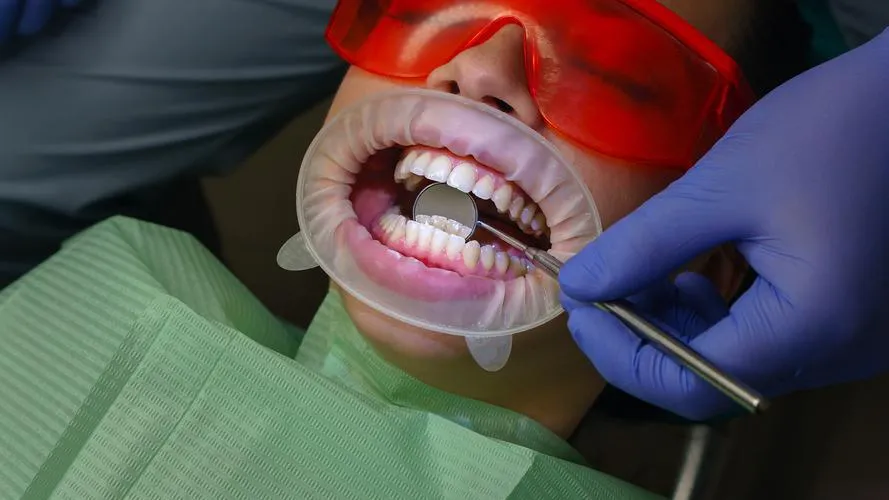
Dentists and staff usually greet with a friendly wai and speak in a calm, reassuring tone. Many clinics use the “tell–show–do” approach to build trust: explain the tool, demonstrate on a finger or toy tooth, then gently do the procedure. You’ll often find:
- Play areas, sticker rewards, and Netflix or cartoons during treatment
- Fluoride varnish to strengthen enamel, especially helpful as most Thai tap water isn’t fluoridated
- Sealants for molars, which are a budget-friendly way to prevent decay
- Rubber dams and tiny instruments to keep treatment clean and quick
- Nitrous oxide (laughing gas) or mild sedation when needed for anxious kids
- Clear consent forms in English and Thai, with itemized fees before starting
Where to find affordable pediatric dental care
Thailand gives you a few tiers of care, so you can match your budget and schedule:
- University dental hospitals: Facilities at Mahidol University (Salaya), Chulalongkorn (Samyan), Chiang Mai University, Khon Kaen University, and Prince of Songkla University often have lower fees because many treatments are performed by dentists-in-training under specialist supervision. Pros: very affordable and thorough. Cons: longer queue and more time per visit.
- Public hospitals: Provincial and some district hospitals have dental departments with pediatric services on certain days. Fees are modest, and Thai ID holders under national schemes may have subsidized options. English may be basic, so bring a Thai-speaking friend or be patient with communication.
- Private clinics and dental hospitals: Found in malls and along main sois near BTS/MRT (Asok, Siam, Ari) and in popular expat areas in Chiang Mai, Phuket, and Pattaya. Many advertise promotions, family packages, or membership discounts. Appointments are easy via Line, Facebook, or a quick call, and evening/weekend slots are common.
Typical fee ranges (as a guide only; varies by city and clinic):
- Check-up + cleaning for kids: 600–1,500 THB
- Fluoride varnish: 400–800 THB
- Sealants (per tooth): 500–1,000 THB
- Tooth-colored filling (small to medium): 800–2,000 THB
- Extraction (baby tooth): 800–1,500 THB
- Stainless steel crown: 3,000–5,000 THB
- Nitrous oxide add-on: 1,500–3,000 THB per session
Ask for a written estimate before trea
tment; Thai clinics are generally transparent and happy to explain.
How to choose the right pediatric dentist
- Location and access: Near BTS/MRT or with parking is a big help for school runs. In Bangkok, clinics around Phrom Phong, Thonglor, and Sathorn are popular with families.
- Qualifications: Look for dentists with pediatric dentistry training or board certification. Reception can share the doctor’s profile on Line or a QR code.
- Language and communication: If you prefer English, check reviews or message the clinic’s Line OA to confirm. Many city clinics have English-speaking staff.
- Kid-friendly setup: A child-focused environment lowers anxiety—ask if they use tell–show–do, have nitrous, and allow parents in the room.
- Infection control and technology: Autoclave sterilization, digital X-rays, and rubber dams are standard in well-run clinics.
- Convenience: Evening and weekend hours, reminders via Line, and clear rescheduling policies make life easier.
Practical tips Thai families actually use
- Booking: Most clinics accept Line messages for booking, directions, price lists, and aftercare instructions. “Walk-in” is possible at some places, but a queue number may mean a wait.
- Payment: Cash, credit card, and QR PromptPay are widely accepted. If you need insurance reimbursement, request a tax invoice (“ใบกำกับภาษี”).
- Documents: Bring Thai ID or passport for registration. For public hospitals or university clinics, arrive early for tokens and bring a sweater—waiting areas can be cool.
- Comfort items: Pack your child’s favorite toy or headphones. A quick snack after treatment is okay, but follow the dentist’s advice if fluoride varnish was applied.
At-home prevention that works in Thailand
- Brush twice daily with fluoride toothpaste (1,000–1,450 ppm). For kids under six, use only a smear to a pea-sized amount and supervise brushing.
- Floss once a day when teeth touch. In Thailand’s humidity, cavity bacteria thrive in tight spaces.
- Rinse after sweet drinks and choose water as the main beverage. Keep iced milk tea and cola as treats, not daily.
- Mind sticky snacks—dried mango, tamarind candy, and chewy rice crackers linger on teeth.
- Use a mouthguard for sports like football and Muay Thai to protect teeth from injury.
Emergency know-how
Dental emergencies can happen at school or on the playground. If a permanent tooth is knocked out, hold it by the crown (not the root), gently rinse, and place it back in the socket or keep it in milk. Head straight to a clinic or hospital emergency department—call ahead if possible. Many private clinics post emergency hotlines on their Facebook or Line.
Combining care with your Thailand lifestyle
For expat families or those visiting relatives upcountry, it’s easy to align check-ups with school holidays. Many clinics are open on weekends and some public holidays, so you can slot in a short visit between errands or a mall trip. With friendly teams, clear fees, and a strong prevention mindset, Thailand’s pediatric dentistry lets families keep smiles healthy without stress.
Choosing the right clinic, asking for a treatment plan, and staying consistent with home care will go a long way. In the end, affordable doesn’t mean cutting corners here—it means smart options, steady follow-up, and a caring approach that helps kids feel brave in the chair and proud of their bright Thai smiles.