Thailand Pediatric Dentistry Services for Parents Looking for Quality Care
Thailand Pediatric Dentistry Services for Parents Looking for Quality Care
If you’re raising kids in Thailand—whether you’re Thai or an expat parent—you’ll be happy to know that pediatric dentistry here is well developed, easy to access, and friendly to little ones. From Bangkok to Chiang Mai, Phuket, Pattaya, and Khon Kaen, many clinics and hospitals offer child‑focused dental care with English‑speaking teams, modern equipment, and flexible booking through phone, Facebook, or Line. This guide walks you through what to expect, how to choose the right pediatric dentist, typical services and fees, and practical tips for keeping your child’s smile healthy.
Why choose a pediatric dentist in Thailand
Pediatric dentists (often called pedodontists) are trained to treat infants, children, and teens, including those with special health needs. In Thailand, board‑certified pediatric dentists are registered with the Dental Council of Thailand and usually list their license numbers on clinic websites or reception boards. Many have experience in university hospitals and speak English well, especially in Bangkok, Phuket, and major tourist hubs. Clinics focus on a gentle “tell‑show‑do” approach, behavior guidance, and a welcoming environment with cartoon ceilings, TV screens, and small rewards so kids feel relaxed.
When to start and how often to go
• First visit by age one or within six months of the first tooth erupting. Early checks help prevent bottle‑related decay and spot habits like thumb sucking.
• Routine check‑ups every six months, or more frequently if your child is high‑risk for cavities.
• Fluoride toothpaste from the first tooth: a smear the size of a grain of rice for toddlers, a pea‑sized amount from around age three when they can spit.
• Floss daily once teeth touch. Watch sugary snacks and sticky khanom; frequent grazing is a common cause of decay.
What services are available in kids’ dental clinics
• Preventive care: gentle cleanings, fluoride varnish, fissure sealants, diet counseling, and habit guidance. Some clinics provide school dental certificates required by international and local schools.
• Minimally invasive dentistry: silver diamine fluoride for arresting early cavities and “SMART” fillings where appropriate.
• Restorative treatment: tooth‑colored fillings, stainless steel crowns for larger cavities, and baby root canal treatments (pulpotomies/pulpectomies) to save baby teeth until their natural fall‑out time.
• Orthodontic screening: space maintainers when a baby tooth is lost early, interceptive braces for crowding or crossbites, and habit appliances for thumb sucking or tongue thrusting. Full orthodontics usually starts later, but early assessment is useful.
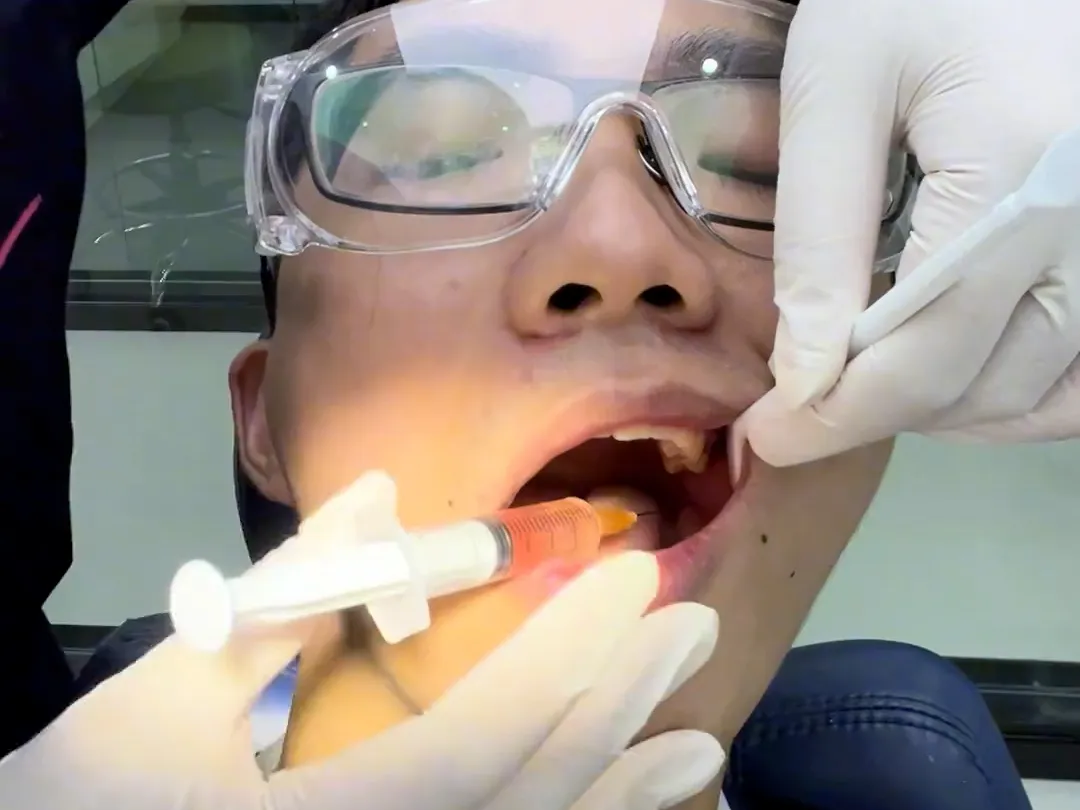
• Sedation options: many pediatric dentistry centers in Thailand provide nitrous oxide (laughing gas) for anxious kids, and some offer IV sedation or treatment under general anesthesia in partner hospitals for complex needs. Always ask about training, monitoring, and emergency protocols.
• Special care dentistry: clinics with sensory‑friendly rooms, longer appointment slots, and experienced teams for neurodivergent children or those with medical conditions.
How to choose a quality pediatric dentist in Thailand
• Credentials and experience: look for a dental degree plus pediatric specialty training, and a current Dental Council license. Don’t hesitate to ask where the dentist trained and their experience with children your child’s age.
• Child‑friendly environment: play area, child‑sized chairs, and ceiling screens are good signs. Observe how the staff speak to kids—calm, patient, and clear explanations matter.
• Safety and sterilization: clinics should use an autoclave with routine spore tests, single‑use items where appropriate, and rubber dam isolation for many restorative procedures. Digital X‑rays with low radiation are a plus.
• Clear treatment plans: you should receive a written plan, cost estimate, and alternatives explained in understandable terms.
• Convenient access: locations near BTS/MRT in Bangkok (e.g., Sukhumvit, Silom, Sathorn, Thonglor) or with easy parking are helpful. M
any clinics accept booking on Line and send reminders, which is very convenient for busy parents.
Typical fee ranges (subject to city and clinic)
• Check‑up and cleaning: around THB 1,200–3,000 in private clinics; government hospitals may be lower but often have queues.
• Fluoride varnish: about THB 600–1,500 per session.
• Fissure sealant: around THB 800–2,000 per tooth.
• Tooth‑colored filling: roughly THB 1,200–3,000 depending on size and location.
• Stainless steel crown on baby tooth: about THB 4,000–7,000.
• Nitrous oxide sedation add‑on: commonly THB 2,000–4,000 per visit, plus treatment fees.
• General anesthesia in hospital: package prices vary widely; discuss a detailed quotation and what’s included (facility, anesthesiologist, dentist fees).
These are ballpark figures; costs can be higher in prime Bangkok areas and resort towns. Major private hospitals may offer direct billing for international insurance; standalone clinics usually accept cash, card, or PromptPay QR. Always confirm coverage with your insurer.
Emergency tips every parent in Thailand should know
• Toothache with swelling or fever: contact a pediatric dentist or hospital dental department quickly. Many clinics keep emergency slots; messaging via Line often gets a fast reply during operating hours.
• Knocked‑out tooth: if it’s a permanent tooth, gently rinse (do not scrub), place it back in the socket if possible, or store in cold milk or saline and get to a clinic within 60 minutes. Do not replant a baby tooth. Bring any fragments in a clean container.
• Mouth injuries after sport: ask about a custom mouthguard—popular for Muay Thai, football, and basketball—and much more protective than boil‑and‑bite types.
What a first visit usually looks like
Expect a short, friendly orientation. The dentist will count teeth, check gums, look for early decay, and assess bite and habits. If X‑rays are needed, child‑size sensors and lead aprons are used. For small children, many clinics let parents sit nearby or even have the child sit on a parent’s lap at the start. You’ll receive home‑care tips tailored to Thai diets and routines, including guidance on milk bottles, sticky snacks, and bedtime brushing habits.
Home care that works in Thailand’s daily rhythm
• Brush twice daily with fluoride toothpaste; assist your child until at least age seven to ensure proper technique.
• Keep sweet drinks to mealtimes and offer water after. Be cautious with iced tea, bubble tea, and flavored milk; frequent sipping leads to decay.
• Choose tooth‑friendly snacks like fresh fruit, cheese, nuts (if age‑appropriate), and avoid frequent sticky khanom.
• For younger kids, avoid bedtime bottles of milk or juice; water is best.
• Ask your dentist about xylitol options and fluoride varnish frequency based on risk.
Public vs. private options
Thailand offers care through public dental schools and hospitals as well as private clinics and international hospitals. Public centers can be more affordable but may involve longer waiting times and fixed hours. Private clinics usually offer faster appointments, weekend slots, and child‑specific amenities. In Bangkok, larger hospitals with pediatric dentistry units provide sedation and operating room access when needed.
Final checklist for parents booking pediatric dentistry in Thailand
• Confirm the dentist’s pediatric qualifications and Dental Council number.
• Ask about behavior management, sedation policies, and emergency protocols.
• Review sterilization and rubber dam use for restorative work.
• Request a transparent treatment plan with fees and alternatives.
• Check language support, appointment times, parking or BTS/MRT access, and payment methods (including insurance or direct billing).
With the right pediatric dentist—patient, well‑trained, and truly child‑centred—your child’s dental visits in Thailand can be calm, educational, and even fun. Consistent check‑ups, simple preventive steps at home, and a clinic that fits your family’s routine will set your little one up for a healthy, confident smile.