Thailand Pediatric Dentistry Clinics With Excellent Child Safety Standards
Thailand Pediatric Dentistry Clinics With Excellent Child Safety Standards
When parents in Thailand search for a pediatric dentist, child safety is always top of mind. The good news is that many pediatric dentistry clinics across Bangkok, Chiang Mai, Phuket, and other major cities follow robust safety systems that meet international expectations while staying warm and family-friendly. From sterilization and infection control to behavior guidance and emergency readiness, Thailand’s best pediatric clinics balance professional standards with the sanuk (fun) spirit that helps kids relax in the chair.
Why child safety matters in pediatric dentistry
Children are not just small adults. They have different anatomy, smaller airways, and unique emotional needs. A clinic that is “kid-first” designs every step—from the first wai greeting at reception to the final sticker reward—to reduce anxiety and risk. Safety in pediatric dentistry goes beyond being careful; it’s about protocols, trained teams, and facilities designed specifically for children.
What excellent clinics in Thailand typically provide
- Licensed specialists: Look for a pediatric dentist registered with the Dental Council of Thailand and trained in pediatric dentistry (often with residency or board certification). Many clinicians also have overseas training and can communicate comfortably in English.
- Thorough sterilization: Expect a Class B autoclave, sealed instrument pouches, and regular biological spore testing. Staff should follow hand hygiene, wear PPE, and clean all contact surfaces between patients. Clinics that display sterilization logs and have separate clean/dirty zones show strong discipline.
- Low-dose imaging: If X-rays are needed, digital radiographs are preferred to reduce exposure. The clinic should use a lead apron with a thyroid collar for kids.
- Behavior management: The tell–show–do approach, gentle voice tone, distraction methods, and positive reinforcement are standard. Many clinics offer a play corner and child-sized chairs so the first impression feels friendly, not clinical.
- Rubber dam and high-volume suction: For restorative work, a rubber dam isolates the tooth, reduces swallowing risk, and keeps the field clean. High-volume suction and pre-procedural rinses support aerosol control.
- Preventive focus: Topical fluoride varnish, sealants for molars, and diet counseling tailored to Thai eating habits (sticky sweets, sweetened drinks, and late-night snacks) help families prevent decay rather than chase cavities later.
Safe sedation and pain control for children
Some children need extra help for complex procedures or severe dental anxiety. Top clinics in Thailand follow international sedation safety protocols:
- Clear assessment: Before any sedation, the dentist screens your child’s health, reviews medical history, and explains options in Thai and English. Written informed consent is standard.
- Minimal sedation first: Many clinics use nitrous oxide/oxygen (laughing gas) for mild relaxation. Your child breathes through a scented nose mask, is still awake, and is monitored throughout with a pulse oximeter.
- Monitoring and trained team: During any sedation, staff monitor oxygen saturation, heart rate, and breathing. Emergency oxygen, suction, and drugs are readily available. At least one clinician should be certified in pediatric life support, with regular mock drills for rare emergencies.
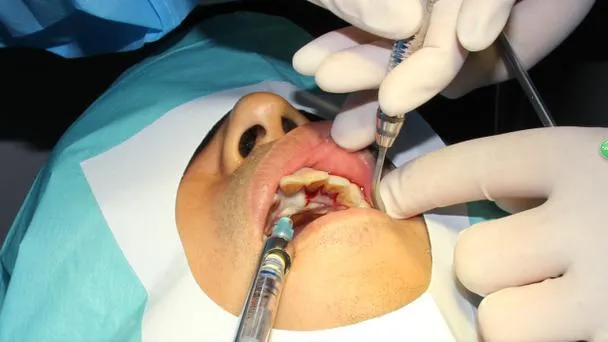
- Local anesthesia done right: Surface numbing gel, buffered injections, and slow delivery minimize discomfort. Dentists explain sensations to kids in simple, reassuring language.
- Recovery and follow-up: After seda
tion, kids rest in a supervised area until fully alert. Parents receive post-visit instructions and a hotline or LINE contact for any concerns.
Facility design and emergency readiness
A child-safe clinic starts with the little details you notice on arrival:
- Non-slip floors, rounded furniture edges, safe electrical outlets, and secured cabinets.
- Baby changing tables, stroller-friendly access, and clean, well-ventilated rooms with good air exchange.
- Emergency equipment ready to go: oxygen tank, ambu bag, AED, and updated emergency drugs sized for children.
- Staff training: Regular in-house drills and clear roles in a crisis make a real difference. Clinics that log drills and equipment checks show a safety culture rather than a checklist mentality.
Transparent communication Thai-style
Thailand’s best pediatric clinics combine professional standards with easy communication and a calm, polite service culture:
- Bilingual consent forms and treatment plans in Thai and English.
- Simple cost breakdowns before treatment, with receipts and clear insurance claim support where applicable.
- Appointment reminders and quick questions handled via phone, email, or LINE Official Account—common and convenient for most families here.
- Respectful, wai-friendly staff who take time to greet and explain, helping kids and parents feel at ease.
How to choose a safe pediatric dental clinic in Thailand
- Check credentials: Is the dentist a pediatric specialist registered with the Dental Council of Thailand? Look for diplomas, residency certificates, and continuing education.
- Ask about sterilization: Do they use a Class B autoclave? How often do they do biological spore tests? Are instrument pouches sealed and dated?
- Look at the setup: Are rubber dams and high-volume suction used for fillings? Are X-ray aprons with thyroid collars available for kids?
- Confirm sedation policies: For nitrous or deeper sedation, ask about monitoring equipment, emergency drugs, fasting instructions, and life support certifications.
- Observe the team: Do staff communicate calmly with your child? Is there a play area and child-sized equipment? Do they practice tell–show–do?
- Review emergency readiness: Is an AED on site? Are oxygen and suction visible and functional? Do they run emergency drills?
- Consider location and access: Bangkok traffic is real—being near BTS/MRT or having parking can prevent rushed arrivals and stressed kids.
- Read reviews: Consistent feedback about gentle care, clear explanations, and clean facilities is a good sign.
What to expect at the first visit
The first appointment usually focuses on getting comfortable, checking jaw growth and tooth eruption, cleaning if appropriate, and discussing home care. If your child is nervous, many clinics offer a “happy visit” with no invasive procedures—just a ride in the chair, counting teeth, and a small reward. You’ll leave with a prevention plan: brushing with fluoridated toothpaste twice daily, flossing as needed, and snack timing tips that fit Thai routines (like limiting sugary drinks with school lunch and avoiding sticky sweets near bedtime).
Peace of mind for parents and carers
Whether you live in Bangkok or are visiting Thailand and need dental care on holiday, you can find pediatric clinics that put child safety front and center. Look for visible protocols, well-trained staff, and a friendly environment that turns dental visits into a positive experience. With the right clinic, your child’s smile stays bright—and their visit stays safe, calm, and even a little bit fun.