Thailand Pediatric Dentistry Clinics Offering Professional Oral Hygiene Advice
Thailand Pediatric Dentistry Clinics Offering Professional Oral Hygiene Advice
If you’re raising children in Thailand, you know life moves fast—school runs, traffic on the expressway, weekend trips upcountry. In the middle of all that, keeping your child’s teeth healthy might feel like just another task. The good news is that pediatric dentistry clinics across Thailand make it simple and friendly, offering professional oral hygiene advice that fits real family routines. Whether you live near a BTS station in Bangkok, a quiet soi in Chiang Mai, or close to the beach in Phuket, you’ll find child-focused dental teams ready to help with practical guidance, not just quick checkups.
Why dedicated pediatric dentistry matters
Baby teeth are not “just for a few years.” They help with chewing, clear speech, jaw development, and confidence. Thai pediatric dentists train specifically to work with children—from babies and toddlers to teens—using techniques that build trust and reduce fear. Many clinics create a playful, sanuk atmosphere, so khun dek relax and cooperate during visits. And because prevention sits at the heart of pediatric care, the most valuable service you’ll receive is personalized oral hygiene advice tied to your child’s age, habits, and diet.
What professional oral hygiene advice looks like in Thailand
A visit to a pediatric dentistry clinic is more than a cleaning. Expect the dentist or hygienist to explain, demonstrate, and coach you and your child. Common guidance includes:
- Brushing technique tailored to age: For under-3s, a tiny smear of fluoride toothpaste; from 3 to 6 years, a pea-sized amount. Parents should brush or closely supervise until at least age 7–8. You’ll often hear about “lift the lip” to check for plaque and early decay along the gumline.
- Fluoride use: Most clinics recommend toothpaste with 1,000–1,450 ppm fluoride for effective cavity prevention. In-clinic fluoride varnish is commonly offered for kids at higher risk of decay.
- Flossing basics: Start flossing as soon as two teeth touch. The dentist will show you how to gently floss a child’s back molars where food gets trapped.
- Sealants for molars: Painless protective coatings on the chewing surfaces of permanent molars reduce decay risk. Your dentist will advise on timing, usually soon after the teeth erupt.
- Diet advice that fits Thai lifestyles: Practical tips around popular snacks and drinks, and how to reduce “sugar hits” across the day.
- Recall schedule: Most children benefit from checkups every six months, but your dentist may suggest a shorter interval if needed.
Advice tailored to Thai eating habits
Thai cuisine is delicious, and many children love cha yen (iced milk tea), sweetened yogurt drinks, bubble tea, roti, and khanom. Sticky rice and dried fruits can cling to teeth, and frequent sipping of sweet drinks keeps sugar on the enamel. Pediatric dentists in Thailand won’t tell you to give up everything your child enjoys. Instead, they typically suggest:
- Keep sweet drinks and snacks to mealtimes rather than constant grazing.
- Offer plain water between meals; bring a bottle when out and about.
- If your child enjoys milk tea or juice, use a straw and finish with water or milk to rinse sugars.
- Avoid putting a child to bed with a bottle of milk; switch to a cup by 12 months.
- Choose fresh fruit or nuts over sticky sweets for school snacks.
- Read labels at 7-Eleven and aim for lower-sugar options.
Your child’s first visit: Start early, make it easy
Pediatric dentistry clinics in Th
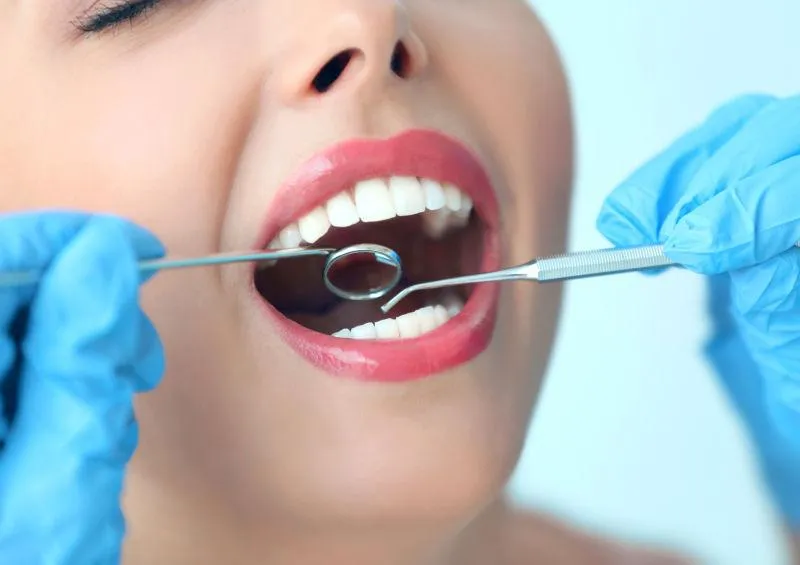
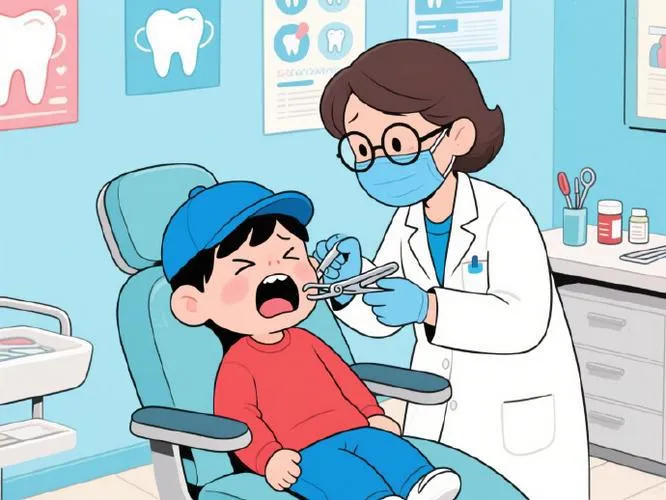
ailand encourage a first visit when the first tooth erupts or by the first birthday. Early visits let your dentist spot small issues before they become big problems and coach you on daily care. You’ll often see the gentle “Tell-Show-Do” approach: the dentist explains, shows the mirror and tools, and then proceeds. Many clinics in Bangkok, Chiang Mai, and other cities offer appointment slots before or after school, plus reminders via Line. If you need language support, look for clinics with English-speaking teams or bilingual staff.
Home care routine that works in Thailand’s real world
- Brush twice a day, morning and night, with fluoride toothpaste. Night-time brushing is non-negotiable.
- Use a small, soft-bristled brush; change it every 3 months or after a flu.
- Floss daily once teeth touch. Floss sticks can be easier for little hands.
- Make brushing fun: short songs, a timer, or a sticker chart. Keep it sanuk and stress-free.
- If your child has braces, ask the dentist about interdental brushes and fluoride mouthrinse.
- Book checkups around school terms and holidays—before Songkran and in October are popular times.
What to look for in a Thailand pediatric dentistry clinic
- Credentials: Check for board-certified pediatric dentists registered with the Thai Dental Council. Clinics often display certificates at reception.
- Child-friendly environment: Calm design, patient explanations, and behavior guidance techniques matter more than cartoon wallpaper.
- Preventive focus: Ask about personalized hygiene coaching, fluoride varnish, and sealants.
- Transparent pricing: Many clinics provide clear fee lists and receipts for insurance claims. Some can do direct billing with certain private insurers.
- Accessibility: Easy parking or close to BTS/MRT helps. For provincial areas, look for clinics near main roads or hospitals.
- Communication: A team that answers questions patiently, provides aftercare tips, and follows up via Line or phone makes life simpler.
Government hospitals and private clinics
Thailand offers pediatric dental services in both public and private settings. University hospitals and provincial hospitals often have pediatric clinics with experienced teams; private clinics tend to offer shorter waiting times, flexible scheduling, and extra comforts. If you have private insurance, confirm coverage for preventive treatments like sealants and fluoride varnish. If you use Social Security or government schemes, ask about eligibility and booking procedures.
Common treatments you can expect
- Comprehensive checkups with caries risk assessment
- Professional cleanings tailored to a child’s tolerance
- Fluoride varnish to strengthen enamel
- Sealants on first and second permanent molars
- Minimally invasive dentistry for early decay, including silver diamine fluoride when appropriate
- Habit counseling for thumb-sucking or mouth-breathing
- Trauma advice for playground or sports accidents
A supportive partnership for long-term oral health
The best pediatric dentistry clinics in Thailand don’t just fix cavities—they partner with parents to build habits. With down-to-earth guidance, culturally relevant diet tips, and friendly reminders, they make oral care part of daily life without drama. Start early, keep visits regular, and follow the personalized advice your dentist provides. With the right clinic and a little consistency at home, your child can grow up with strong, confident smiles—no worries.