Thailand Pediatric Dentistry Services Supporting Healthy Smiles Abroad
Thailand Pediatric Dentistry Services Supporting Healthy Smiles Abroad
Sawasdee and welcome to the land of smiles—where children’s dentistry blends warm hospitality, modern technology, and budgets that make sense. Whether you’re an expat parent in Bangkok, a family relocating to Chiang Mai, or holidaymakers in Phuket, Thailand’s pediatric (paediatric) dentistry services are well set up to keep your kiddo’s smile healthy and bright while you’re abroad.
Why families choose Thailand for kids’ dental care
- High standards and qualifications: Many pediatric dentists in Thailand are board-certified, trained in child behavior management, and follow international protocols for sterilization, low-radiation digital X‑rays, and evidence-based preventive care. Several hospitals and clinics hold international accreditations and maintain strict safety pathways.
- Comfort-first approach: Clinics here are famous for their “service mind.” From friendly “wai” greetings to cartoon ceiling screens and treasure boxes, the goal is to make the experience sanook (fun) and stress-free.
- English-friendly service: In major cities, communication is easy. Dentists and staff commonly speak English, and many clinics also provide language support in Chinese, Japanese, Russian, and Arabic to serve global families.
- Value and transparency: Fees are usually clearly listed in baht, with treatment plans explained in plain language. Many practices accept international insurance, provide detailed receipts, and can assist with claims.
What pediatric dentists in Thailand typically offer
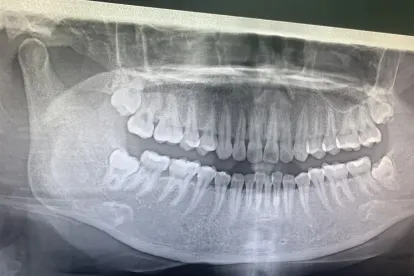
- Prevention first: Expect comprehensive check-ups, professional cleanings, fluoride varnish, and dental sealants for cavity-prone molars. Dentists use a “Tell‑Show‑Do” style to build trust and good habits, plus dietary and brushing coaching tailored to Thai and international diets.
- Gentle restorations: For early cavities, tooth-colored fillings are common. For deeper decay in baby molars, stainless steel crowns and pulp therapy (pulpotomy) are available to protect the tooth until it’s naturally ready to fall out.
- Growth and habits: Space maintainers, interceptive orthodontics, and myofunctional guidance help keep developing bites on track. Dentists also guide parents on thumb-sucking, mouth breathing, and night grinding.
- Anxiety and special needs care: Techniques like positive reinforcement, nitrous oxide (“happy gas”), or oral conscious sedation are available when appropriate. For extensive work, treatment can be done under general anesthesia in a hospital setting with a pediatric anesthetist and full monitoring.
- Emergency support: For falls at the pool or cycling mishaps, clinics offer same-day emergency care for chipped or displaced teeth, dental pain, and infections, with follow-up coordinated before you fly home.
Keeping kids comfy from start to finish
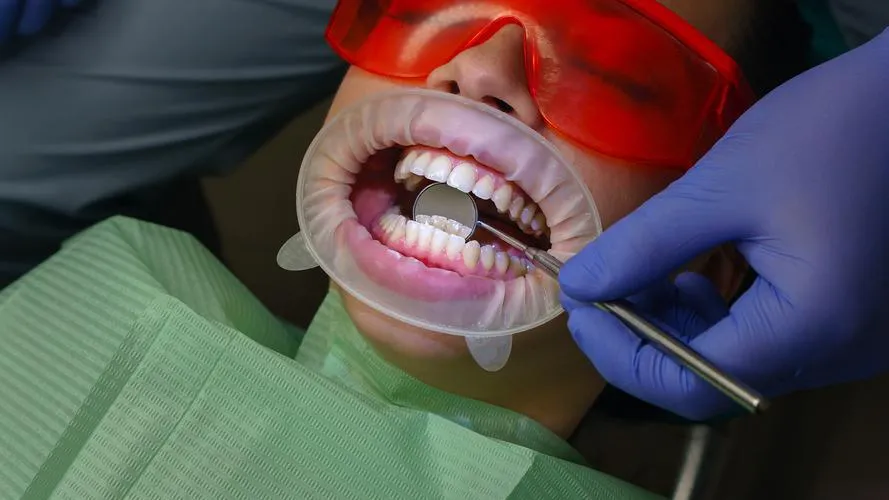
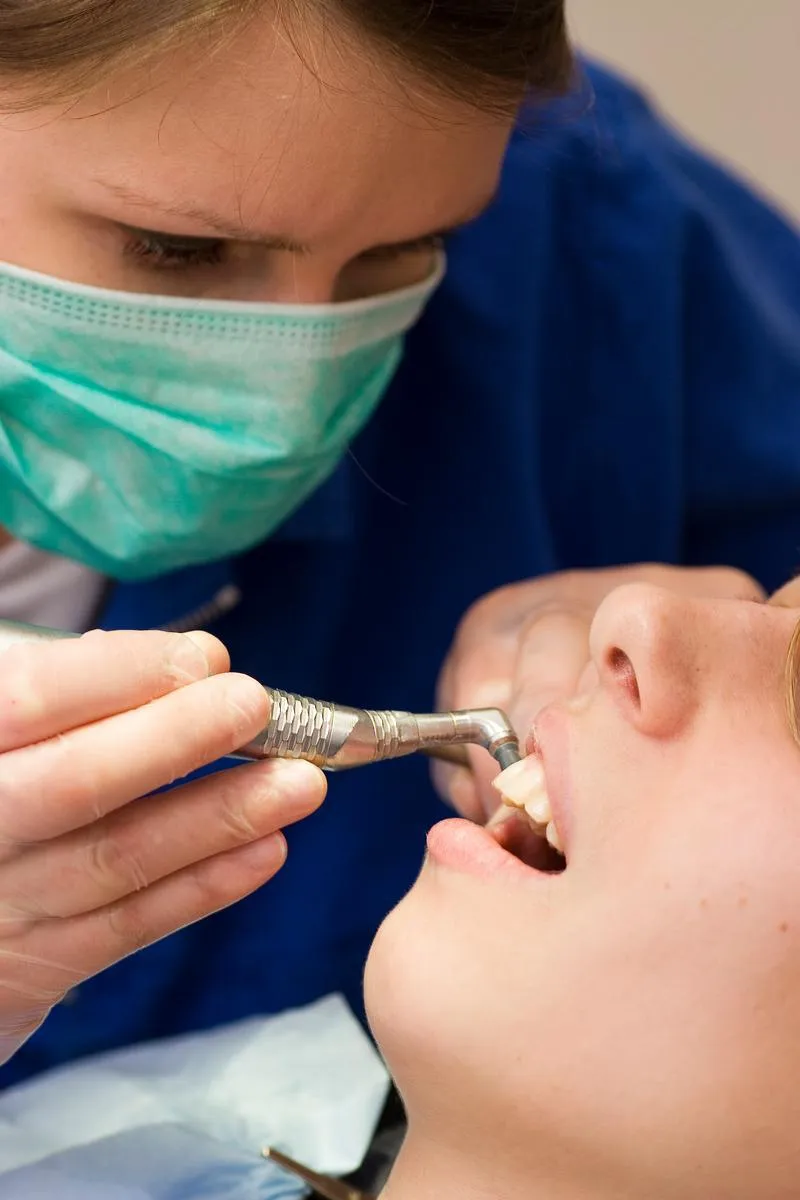
Thailand’s child-friendly clinics are designed to lower anxiety from the moment you step in. Playrooms, storybooks, and colorful murals set the scene. During treatment, many dentists use flavored topical gels, distraction techniques, and small rubber dams to keep the tooth dry without fuss. Parents are usually welcome chairside for younger children. After-care instructions are given in clear English, and you can reach the clinic easily through LINE, WhatsApp, or a quick call if you have any questions. Mai pen rai—no worries—help is close at hand.
Where to find trusted pediatric clinics
- Bangkok: Along the BTS and MRT lines—Sukhumvit (Asok, Thonglor, Ekkamai), Sathorn, Ari—you’ll find dedicated children’s clinics and hospital dental centers near international schools and expat neighborhoods.
- Chiang Mai: Family-friendly clinics around Nimmanhaemin and the Old City offer modern facilities with a relaxed northern pace.
- Phuket and Pattaya: Coastal hubs serving holidaymakers and resident families, with clinics near Patong, Kathu, Boat Lagoon, and central Pattaya
. Many coordinate with international hospitals for anesthesia cases and after-hours emergencies.
Costs and payment basics
Fees vary by clinic and city, but pricing is typically transparent and competitive compared to many Western countries. As a rough guide:
- Check-up and consultation: 500–1,000 THB
- Cleaning and fluoride: 800–1,500 THB
- Sealant (per tooth): 800–1,200 THB
- Tooth-colored filling (baby tooth): 1,200–2,500 THB depending on size
- Stainless steel crown: 3,500–6,000 THB
- Pulp therapy for baby tooth: 2,500–4,000 THB
- Nitrous oxide sedation add-on: commonly a fixed session fee
Hospitals set separate fees for general anesthesia and operating room time when indicated. Most clinics accept cards and QR PromptPay, and can issue detailed invoices for insurance reimbursement.
Smart planning for expat families
- Keep the twice-yearly rhythm: Book check-ups every six months to catch issues early, ideally around school breaks. If you’ve moved from another country, bring past X‑rays and dental records or email them ahead.
- Build familiarity: Use the first visit as a friendly meet-and-greet so your child associates the clinic with positive vibes. Many clinics offer quick orientation appointments.
- Coordinate with orthodontics: If your child wears braces or aligners from a home-country provider, Thai dentists can help with monitoring, wire changes, or emergency fixes and send progress notes back to your orthodontist.
Tips for holidaymakers needing care
- Schedule at the start of your trip: If you’re considering preventive care like a check-up or sealants, book early so there’s time for a follow-up if needed.
- Plan around activities: After extractions or larger treatments, your dentist may advise avoiding swimming, spicy food, or heavy exercise for 24–48 hours. Leave buffer days before island-hopping or flights if sedation is planned.
- Carry essentials: Pack a small dental kit—floss picks, child-friendly fluoride toothpaste, and gauze. If your child uses a mouthguard for sports, bring it along.
How to choose the right pediatric dentist in Thailand
- Specialist credentials: Look for a pediatric (paediatric) dentist with specific training and experience, and ask about hospital privileges for sedation or GA cases.
- Child-centered environment: Play areas, child-sized instruments, and behavioral techniques like Tell‑Show‑Do signal a kid-focused practice.
- Safety and tech: Low-dose digital X‑rays, rubber dam use, and clear sterilization protocols are good signs.
- Communication: Comfortable English (or your preferred language), written treatment plans, and easy-to-reach channels like LINE.
- Fee clarity and insurance support: Transparent quotes, options explained, and help with international claims.
- Reviews and recommendations: Other expat families and international schools often share reliable clinic referrals.
Everyday dental habits that travel well
- Brush twice daily with a rice-grain smear (under age 3) or a pea-size amount (age 3+) of fluoride toothpaste.
- Floss nightly on teeth that touch—floss picks make it easy on the go.
- Keep sugary snacks to mealtimes; choose fruit, yogurt, or rice crackers over sticky sweets.
- Encourage water (Thailand’s climate is hot) and avoid chewing ice.
- For sports, use a well-fitted mouthguard.
- Save the clinic’s number and location in your phone for quick access.
In Thailand, good pediatric dentistry is more than a checklist—it’s a friendly partnership focused on prevention, comfort, and clear communication. With service-minded teams, modern clinics near the BTS, MRT, and major tourist areas, and a calm, kid-first approach, Thailand’s pediatric dentists truly support healthy smiles abroad. Wherever your family’s journey takes you—Bangkok bustle, Chiang Mai charm, or Phuket sunshine—you’ll find caring professionals ready to say “see you with a smile.”