Thailand Pediatric Dentistry Clinics Offering Gentle Tooth Extractions for Kids
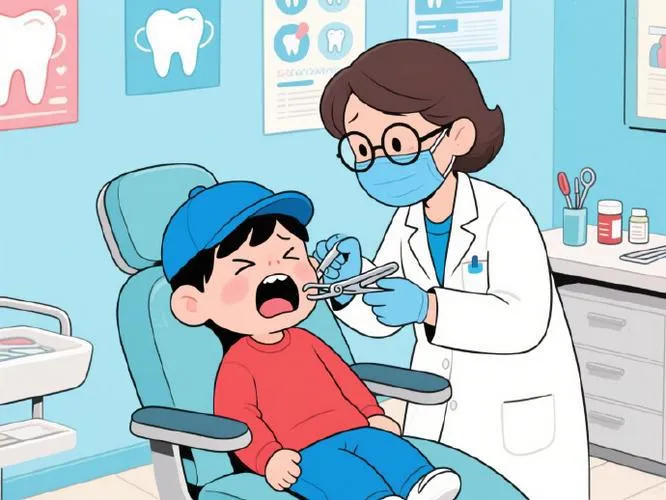
Thailand Pediatric Dentistry Clinics Offering Gentle Tooth Extractions for Kids
If your child needs a tooth pulled, you’re not alone—and you don’t have to brace for a scary experience. Across Thailand, pediatric dentistry clinics focus on gentle, kid-centred care that turns a nervous day into a calm, smooth visit. Whether you live in Bangkok near a BTS stop, in Chiang Mai, or you’re on a family holiday in Phuket, you’ll find clinics that blend Thai warmth with evidence-based techniques to make tooth extractions easy for kids and parents.
Why choose a pediatric dental clinic in Thailand
- Child-specific training: Pediatric dentists (often called pedodontists) in Thailand complete additional years of training focused on children’s oral health, behaviour guidance, and special needs care. Look for dentists certified by the Thai Dental Council.
- Friendly environments: Expect colourful décor, play corners, ceiling TVs, and staff who speak softly and avoid scary words. A little wai greeting and a friendly “khun” before your child’s name go a long way here.
- Gentle techniques: Clinics commonly use tell–show–do (explaining and demonstrating first), topical numbing gels, and very slow delivery of local anaesthetic using fine needles or computer-controlled systems to reduce discomfort.
- Sedation options when needed: Nitrous oxide (“happy air”) is widely available for anxious kids. Some centres offer oral sedation or general anaesthesia in hospital settings for complex cases, always with strict safety protocols.
When a tooth extraction is recommended
Pediatric dentists in Thailand prioritise saving teeth when possible. Still, extraction may be advised if:
- A baby tooth is badly decayed or abscessed and cannot be restored safely
- A primary tooth is blocking a permanent tooth that is ready to come in
- There’s dental trauma, the tooth has fractured, or become non-restorable
- Orthodontic planning requires space for healthy alignment
If a back baby tooth is removed early, your dentist may suggest a space maintainer to guide the permanent tooth into the correct position. This is a common, simple appliance fitted after healing.
What a gentle extraction looks like in Thailand
- Warm welcome and assessment: Your child is greeted, and the dentist does a quick, friendly exam. If needed, a small digital X-ray is taken—fast, low-radiation, and done chairside.
- Comfort set-up: Numbing gel is placed first. If your child is anxious, nitrous oxide may be offered. With nitrous, kids breathe through a small mask, feel relaxed, and stay awake. The gas is cleared within minutes after the procedure.
- Local anaesthetic: Delivered slowly and carefully. Children may feel pressure but should not feel sharp pain. Thai dentists are skilled at distraction—talking about school, cartoons, or a long weekend trip—to keep things light.
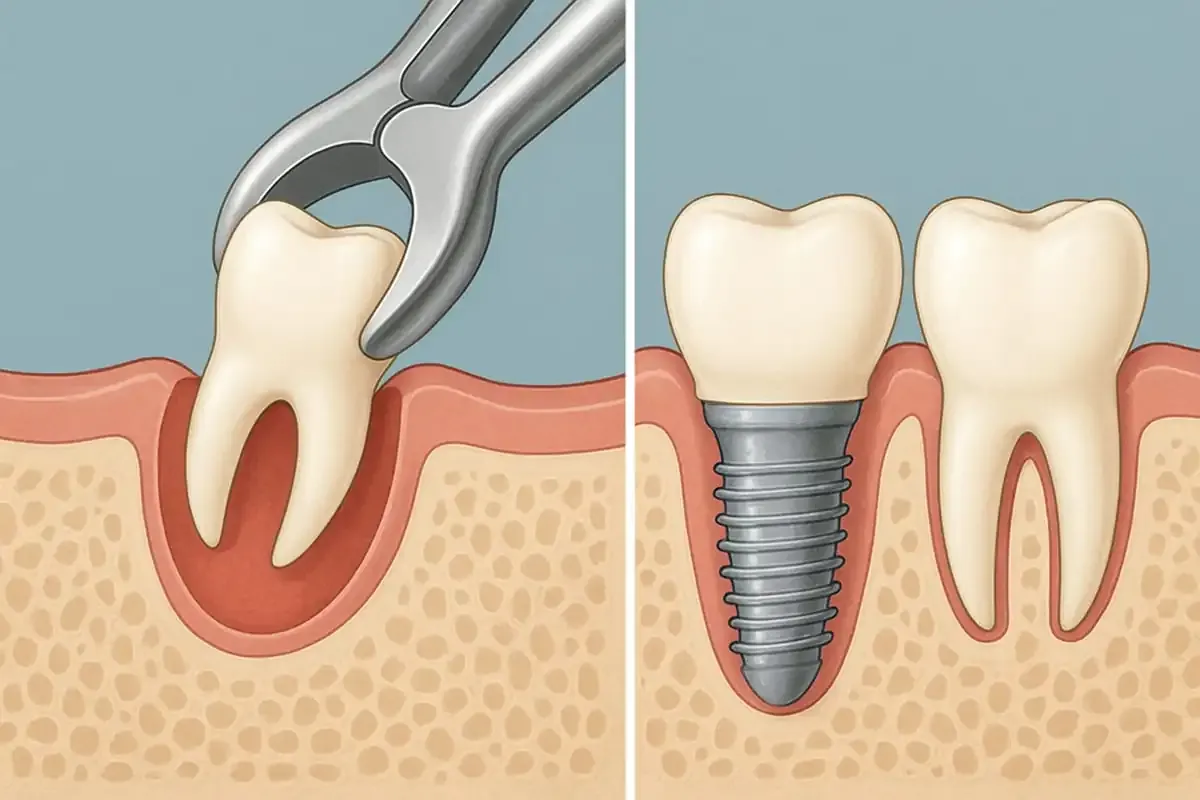
- Quick removal: Baby teeth often come out quickly once numb. For more stubborn roots, a small surgical approach may be used, always with sterile technique.
- Aftercare briefing: You’ll receive clear instructions in Thai and/or English, plus a small pack with gauze. Many clinics add a sticker prize—small things that make kids smile.
Aftercare tips Thai dentists commonly recommend
- Bite on gauze for 30–60 minutes to stop bleeding. If still oozing, replace with fresh gauze and bite another 30 minutes.
- Soft foods for the first day: congee, porridge, yoghurt, bananas, ice cream. Avoid hot and spicy foods, very crunchy snacks, and drinking through straws for 24 hours to protect the clot.
- Pain relief: Paracetamol (Panadol/acetaminophen) or ibuprofen dosed by weight, as advised by your dentist. Avoid aspirin for children.
- Oral hygiene: Don’t brush the socket
area on day one. From day two, gentle brushing is fine. Warm saltwater rinses can start after 24 hours.
- Watch for signs to call the clinic: Persistent bleeding, fever, swelling, pain not controlled by medication, or a bad smell from the socket.
- Follow-up: If a space maintainer is planned, book a fitting after healing, usually in 1–2 weeks.
How to choose the right pediatric clinic in Thailand
- Qualifications: Confirm the dentist is a pediatric specialist. Check Thai Dental Council registration. Ask about sedation credentials if you think your child may need it.
- Safety and standards: Look for modern sterilisation (Class B autoclave), disposable items when appropriate, and clear infection-control protocols. For sedation or GA, ensure monitoring and emergency equipment are on site or in a hospital setting.
- Child-friendly approach: Ask if they use tell–show–do, distraction, and parent presence policies. Many clinics allow mum or dad beside the chair, especially for younger kids.
- Accessibility and convenience: In Bangkok, check proximity to BTS/MRT (e.g., Phrom Phong, Ari, Siam) or parking availability. For busy families, find clinics open evenings or Saturdays. Many accept bookings via phone, website, or LINE Official Account.
- Transparent fees and communication: A good clinic explains options, costs, and consent clearly in English and Thai, with no pressure.
Typical costs to expect
Fees vary by city, clinic type, and complexity, but as a general guide:
- Simple baby tooth extraction: around 800–2,500 THB
- Surgical or complicated extraction: roughly 3,000–8,000 THB
- Nitrous oxide sedation (if used): often 1,500–3,000 THB per session
Hospitals and premium clinics may be higher. Many clinics accept cash, major cards, and PromptPay. If you hold international insurance, the clinic may help with claim forms; direct billing depends on the policy.
Support for international and bilingual families
Thailand’s pediatric clinics commonly serve local and expat families. Many have English-speaking dentists and staff; some also speak Chinese, Japanese, or Arabic in tourist hubs. If your child has special healthcare needs, call ahead—pediatric teams are experienced in tailoring visits, scheduling extra time, and offering desensitisation visits.
Gentle behaviour management you’ll hear about
- Tell–Show–Do: The dentist explains in simple words, shows the instrument on a finger, then proceeds gently.
- Positive reinforcement: Praise and small rewards to build confidence.
- Voice control and distraction: Calm tone, stories, and cartoons to guide attention away from the procedure.
- Protective stabilisation: Used rarely and only with parental consent, for safety when absolutely needed.
Early prevention makes extractions rarer
The most “painless” extraction is the one you avoid. Thai dentists encourage:
- First dental visit by the first birthday or within six months of the first tooth
- Fluoride varnish applications to protect enamel
- Sealants on molars when they erupt
- Diet guidance: Keep sweets to mealtimes, avoid constant snacking and sugary drinks
- Brushing twice a day with a rice-grain smear (under 3 years) or pea-size (3+) of fluoride toothpaste
Final thought
A tooth extraction doesn’t have to be a drama. In Thailand, pediatric dentistry clinics blend gentle techniques, friendly vibes, and strong clinical standards so kids feel safe and parents feel confident. With the right clinic, clear communication, and thoughtful aftercare, your child can leave saying, “That wasn’t scary at all,” and you can head home—maybe for a treat of mango sticky rice—knowing the smile is back on track.