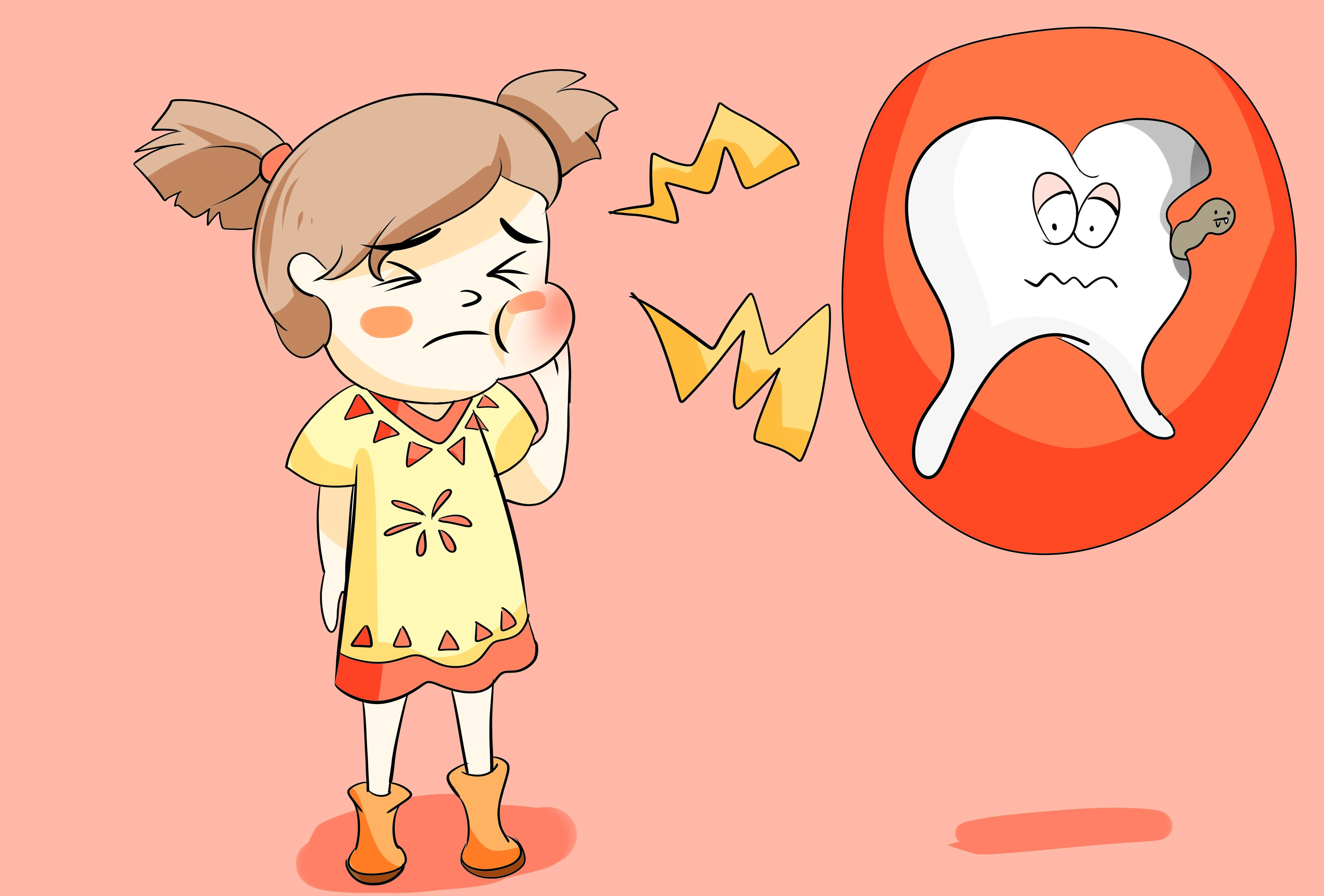
Thailand Pediatric Dentistry Care for Preventing Early Childhood Cavities
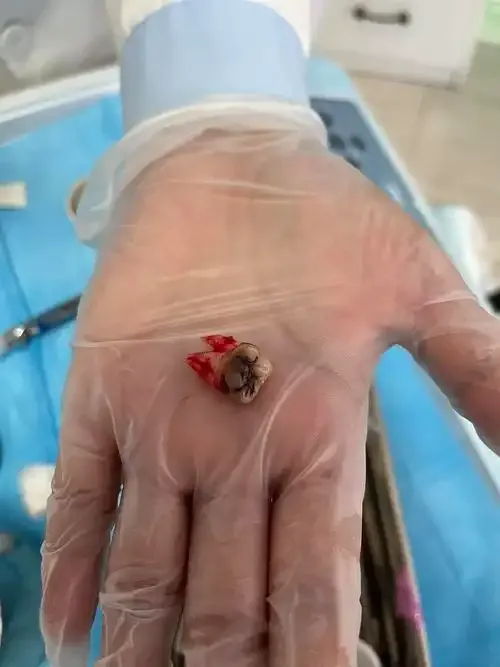
Thailand Pediatric Dentistry Care for Preventing Early Childhood Cavities
If you’re raising little ones in Thailand, you’ll know how easy it is for snacks and sweet drinks to slip into daily life. From kanom after school to flavored milk and juice boxes, sugar is everywhere. That’s why early childhood cavities (often called ECC) are one of the most common health issues for Thai children. The good news is that with the right habits and a friendly children’s dentist, cavities are mostly preventable.
Why baby teeth matter more than you think
Some people still say, “They’re just milk teeth, they will fall out anyway.” But healthy baby teeth help your child eat well, speak clearly, and keep space for the adult teeth to come in straight. Cavities can cause pain, missed school, disturbed sleep, and infections. Starting strong oral care from the first tooth sets the foundation for a healthy smile for life.
When to start dental care
In Thailand, pediatric dentists recommend “first tooth, first visit.” Once your baby’s first tooth appears—or by their first birthday—book a quick check. A children’s dentist in Bangkok, Chiang Mai, Phuket, or your local district hospital can guide you on brushing, fluoride use, feeding routines, and how to spot early signs of decay. After that, plan a check-up every six months, or as your dentist advises.
Daily home habits that work in Thailand
- Brush twice a day with fluoride toothpaste. Use a soft, small-headed children’s brush.
- For kids under 3: a smear as thin as a rice grain.
- For ages 3–6: a pea-sized amount.
- Help your child brush until at least age 7–8. Most kids can’t clean properly on their own before that.
- Teach them to spit, not rinse. Leaving a thin layer of fluoride on teeth helps protect them.
Night feeding and bottles
Nighttime is when cavities grow fastest, especially if teeth are bathed in milk or sweet drinks for hours.
- Avoid putting your child to bed with a bottle of milk, flavored milk, juice, or sweetened drinks. Only water is okay.
- If your child still feeds at night, gently wipe their teeth and gums with a clean wet cloth afterward.
- Move from bottle to cup around 6–12 months. Skip dipping pacifiers in sugar or honey.
Smart snack choices for Thai families
You don’t have to remove all treats, but timing and type make a big difference.
- Keep sugary foods and drinks to mealtimes, not constant snacking.
- Everyday drink should be plain water. Limit sugary tea, flavored milk, soft drinks, and packaged juices—even the “no added sugar” ones can be acidic.
- Choose fresh fruits, boiled corn, tofu, yogurt without added sugar, sticky rice with savory toppings, or nuts (age-appropriate to avoid choking) as snacks.
- Watch for hidden sugar: sweetened condensed milk in bottles or on roti, sweet sausages, ketchup, and packaged breads can carry a lot of sugar.
Spotting early warning signs
Cavities don’t start as holes. Look for:
- White chalky patches near the gumline on front teeth
- Brown stains that don’t brush off
- Sensitivity or pain when eating
- Bad breath, swollen gums, or a small bump (could mean infection)
If you notice any of these, don’t wait. Book a pediatric dentist appointment as soon as possible.
Professional prevention in Thailand
Pediatric dentists in Thailand offer gentle, child-friendly car
e and simple protective treatments:
- Fluoride varnish: A quick paint-on fluoride coating that strengthens enamel and helps reverse early decay. Many children benefit from it every 3–6 months, especially if they’re at higher risk.
- Fissure sealants: A thin protective layer placed on the chewing surfaces of molars. They’re especially helpful as soon as permanent first molars erupt around age 6.
- Individual risk assessment: Your dentist will consider diet, brushing habits, and family history to tailor advice for your child.
Where to find children’s dental care
- Government hospitals and community health facilities often have dental clinics that see children and can refer to pediatric specialists if needed.
- University dental schools (for example in Bangkok and Chiang Mai) provide affordable, supervised care by trained dentists or postgraduate residents.
- Private clinics across Thailand offer pediatric dentistry services with shorter waiting times and kid-focused environments.
If cost is a concern, call ahead and ask about fees for check-ups, fluoride varnish, and sealants. Many clinics run child oral health promotions during school holidays.
Fluoride and water in Thailand
Because many families drink bottled water, it’s better not to rely on water fluoride levels for protection. Using a fluoride toothpaste twice daily is the most practical way to guard against cavities. If your child has a high risk of decay, ask your dentist whether additional fluoride measures are appropriate.
Make brushing fun (Thai-style sanuk!)
Kids respond well when brushing feels like a game:
- Put on a favorite Luk Thung or nursery rhyme for two minutes while brushing.
- Use a colorful timer or a child-friendly app.
- Brush together—kids copy what parents do.
- Give small non-food rewards for consistent brushing, like sticker charts.
Common myths to avoid
- “Breastfeeding alone causes cavities.” Breast milk itself doesn’t cause cavities, but frequent night feeding without cleaning teeth can increase risk. The key is to clean teeth before and after night feeds when possible.
- “Baby teeth don’t need a dentist.” Early visits build confidence, catch minor issues early, and save money and stress later.
- “Sugar during the day is fine if you brush at night.” Every sugar hit feeds cavity-causing bacteria for about 20–30 minutes. Fewer sugar exposures across the day means fewer opportunities for decay.
A simple routine you can start today
- Morning: Brush with fluoride toothpaste after breakfast.
- School or daycare: Encourage drinking water, not sweet drinks. Pack tooth-friendly snacks when possible.
- Evening: Brush thoroughly before bed. No eating or drinking (except water) afterward.
- Every 6 months: See a pediatric dentist for a check-up, professional cleaning, and preventive treatments as needed.
Final thought for Thai parents
Caring for tiny teeth doesn’t need to be complicated or expensive. Small, steady habits—brushing with fluoride, smart snacks, avoiding bottles in bed, and regular check-ups—make the biggest difference. With supportive pediatric dentists across Thailand and a home routine that fits your family, you can keep your child’s smile strong, healthy, and confident from the very first tooth.