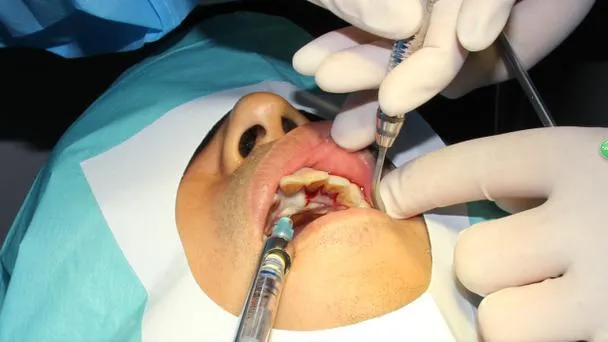
Thailand Pediatric Dentistry Services for Stress Free Dental Visits

Thailand Pediatric Dentistry Services for Stress Free Dental Visits
If your little one is nervous about the dentist, Thailand offers a refreshing, friendly way to turn dental care into a stress-free routine. From Bangkok and Chiang Mai to Phuket and Pattaya, pediatric dental clinics here blend international-quality care with Thai warmth—think gentle doctors, relaxed “mai pen rai” vibes, and a focus on making each visit sanuk (fun). The result: kids who leave with healthy smiles and parents who feel reassured.
Why choose a pediatric dentist in Thailand
- Specialized training: Pediatric dentists (often called pedodontists) complete extra years of training focused on children’s teeth, growth, and behavior. Many follow American, European, or Australian guidelines alongside Thai Dental Council standards.
- Child-first approach: Clinics use “tell-show-do” techniques, positive reinforcement, and a calm, playful setting to build trust. Staff commonly speak English and Thai, and greet families with a warm “Sawasdee ka/krub” and a friendly wai.
- Accessibility and value: You’ll find modern, child-friendly clinics near BTS and MRT stations in Bangkok as well as in major provincial cities. Transparent pricing and clear treatment plans are the norm.
- International standards: Sterilization protocols, digital X-rays with low radiation, and sedation safety procedures are in line with global benchmarks.
Core services that keep visits stress-free
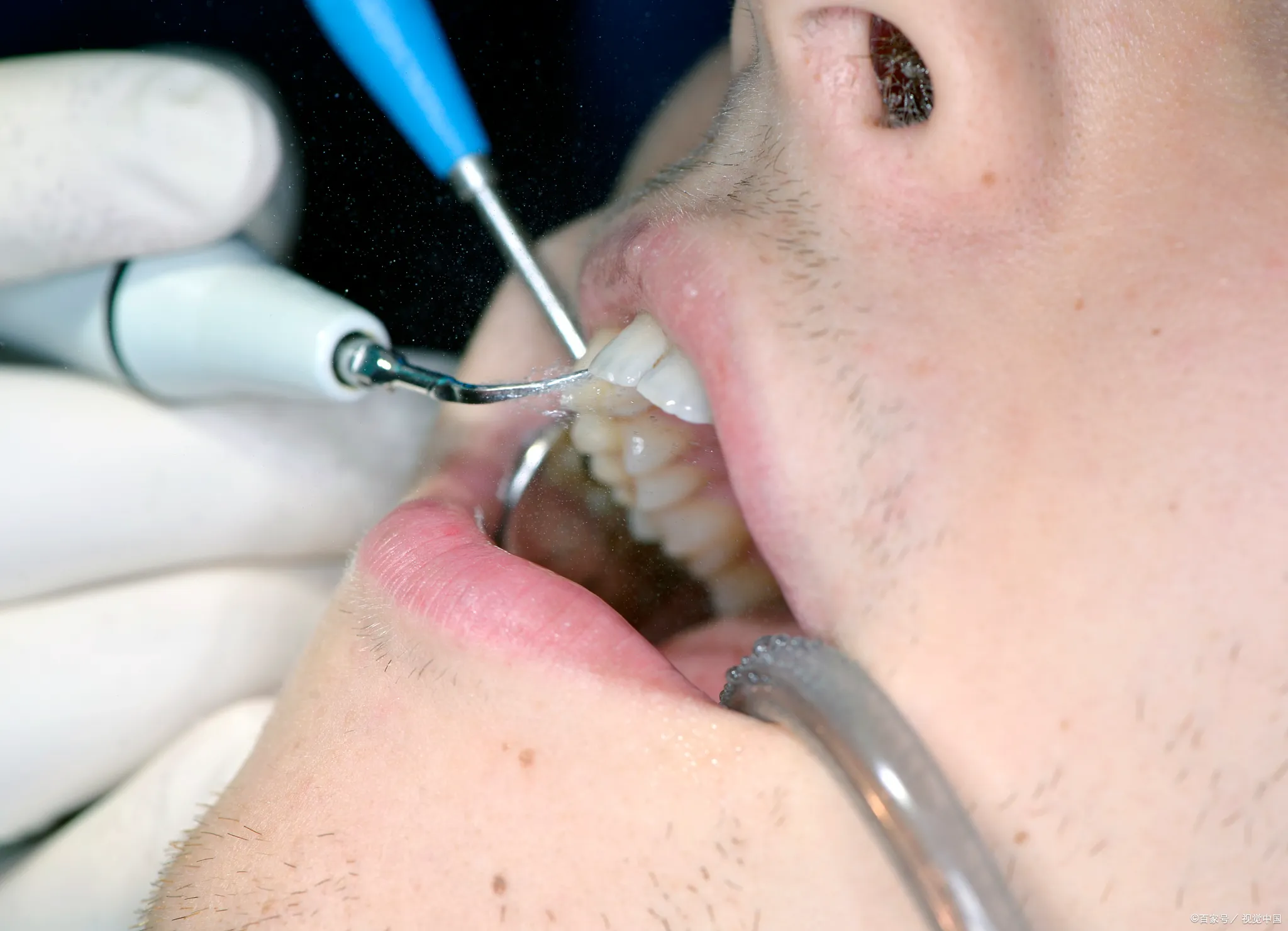
- Preventive care: Regular check-ups, cleanings, fluoride treatments, and dental sealants are the backbone of cavity prevention. Dentists teach proper brushing and flossing in a fun, age-appropriate way, often using cartoon demos and reward stickers.
- Minimally invasive treatments: Where suitable, clinics offer silver diamine fluoride (SDF) to stop early decay, atraumatic restorative treatment (ART), and the Hall crown technique—approaches designed to be quick, gentle, and less scary for kids.
- Restorative dentistry: Tooth-colored fillings, stainless steel crowns for back teeth, and pulpotomies (baby tooth nerve treatment) are provided with child-friendly explanations so kids feel in control.
- Behavior guidance and sedation: For anxious little ones, clinics may offer nitrous oxide (“happy air”) to take the edge off. Conscious sedation is available in some centers under strict monitoring, and hospital-based general anesthesia may be recommended for very young or special needs patients. Safety always takes priority.
- Orthodontic assessments: Early checks help spot crowding, bite issues, or habits like thumb sucking. Space maintainers, habit counseling, and interceptive orthodontics can guide proper growth.
- Emergency care: Pediatric dentists handle toothaches, broken or knocked-out teeth, and soft tissue injuries with calm efficiency. Quick advice by phone and clear steps for aftercare are commonly provided.
- Laser dentistry and frenectomy: Many clinics offer laser treatment for tongue- and lip-tie release to support feeding and speech, with minimal discomfort and fast healing.
- Special needs dentistry: Clinics are experienced with sensory sensitivities and medical conditions, adapting the environment and schedule to each child’s needs.
What to expect at a child-friendly Thai dental clinic
From the moment you step in (often after popping off your shoes), the environment is designed for comfort. You might find a colorful play area, big windows, air-con that’s not too cold, cartoons on screen, and kid-sized chairs. Staff will greet you with a smile and guide you through a simple check-in. Many clinics encourage a p
arent to be present during the visit, especially for first-timers.
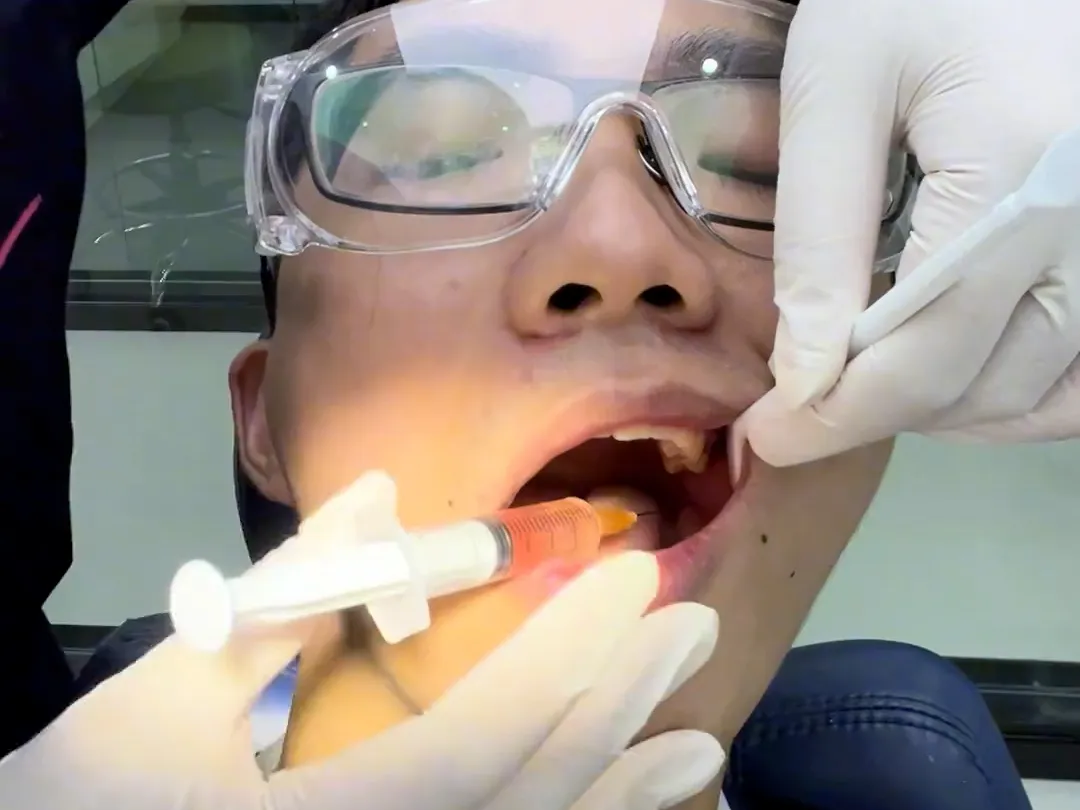
Dentists typically begin with a friendly chat, then “tell-show-do”: explaining what happens, showing the tools gently, and only then proceeding. Local anesthesia is carefully applied when needed, and numbing gels are used to reduce discomfort. If X-rays are required, they’re quick, and the dentist will explain the images so you understand what’s going on.
After treatment, expect an easy-to-follow plan—what to eat, when to brush, and when to come back. You’ll usually receive a written summary and a clear quote for any future procedures. The whole experience aims to reduce fear and build trust, visit by visit.
How to prepare your child for a smooth visit
- Choose a morning slot when your child is fresh and not too sleepy or hungry.
- Keep language positive. Avoid words like “pain,” “needle,” or “drill.” Instead, say the dentist will “count teeth,” “clean sugar bugs,” and “make teeth strong.”
- Do a mini role-play at home: sit in a chair, open wide, and “check teeth” for a few seconds.
- Bring a comfort item (favorite toy, small blanket) and a light snack for after the appointment.
- Arrive a little early so your child can warm up to the space and explore the play area.
Costs, insurance, and payment
Fees vary by city and clinic, but most pediatric clinics in Thailand offer transparent pricing, itemized estimates, and treatment plans that prioritize prevention. Many accept Thai and international insurance, can assist with claims, and provide receipts with treatment codes. If you’re unsure, ask for a written quote before proceeding—no worries, this is standard practice and staff are happy to help.
How to choose the right pediatric dentist in Thailand
- Check credentials: Look for Thai Dental Council registration and pediatric specialty training. Clinics will usually display qualifications openly.
- Read reviews: Look for comments about child handling, communication, and cleanliness, not just decor or location.
- Visit first: A quick consultation lets you gauge how the dentist interacts with your child. A good sign: the doctor speaks slowly, crouches to kid eye level, and uses simple explanations.
- Consider convenience: Choose a clinic near home, school, or a BTS/MRT station to reduce travel stress. Parking availability is a bonus.
- Ask about sedation: If your child is very anxious, confirm what options are available and who monitors sedation.
Quick FAQs
- When should a child first see a dentist? Ideally by the first birthday or within six months of the first tooth erupting. Early visits help prevent cavities and build familiarity.
- How often should kids visit? Usually every six months, but your dentist may suggest shorter intervals if your child is high risk for cavities.
- Are baby teeth really important? Yes. They guide adult teeth, help speech and nutrition, and safeguard kids’ confidence.
- Is nitrous oxide safe? When delivered by trained professionals with proper monitoring, nitrous oxide is a well-established, safe option for reducing anxiety.
The bottom line
Pediatric dentistry in Thailand blends skilled care with a calm, gentle approach that children respond to. With playful environments, clear communication, and evidence-based treatments—plus the hallmark Thai kindness—you can look forward to stress-free dental visits and healthier smiles. Whether you’re in Bangkok or upcountry, there’s likely a child-friendly clinic nearby ready to say “Welcome, khun” and make the dentist something to smile about.