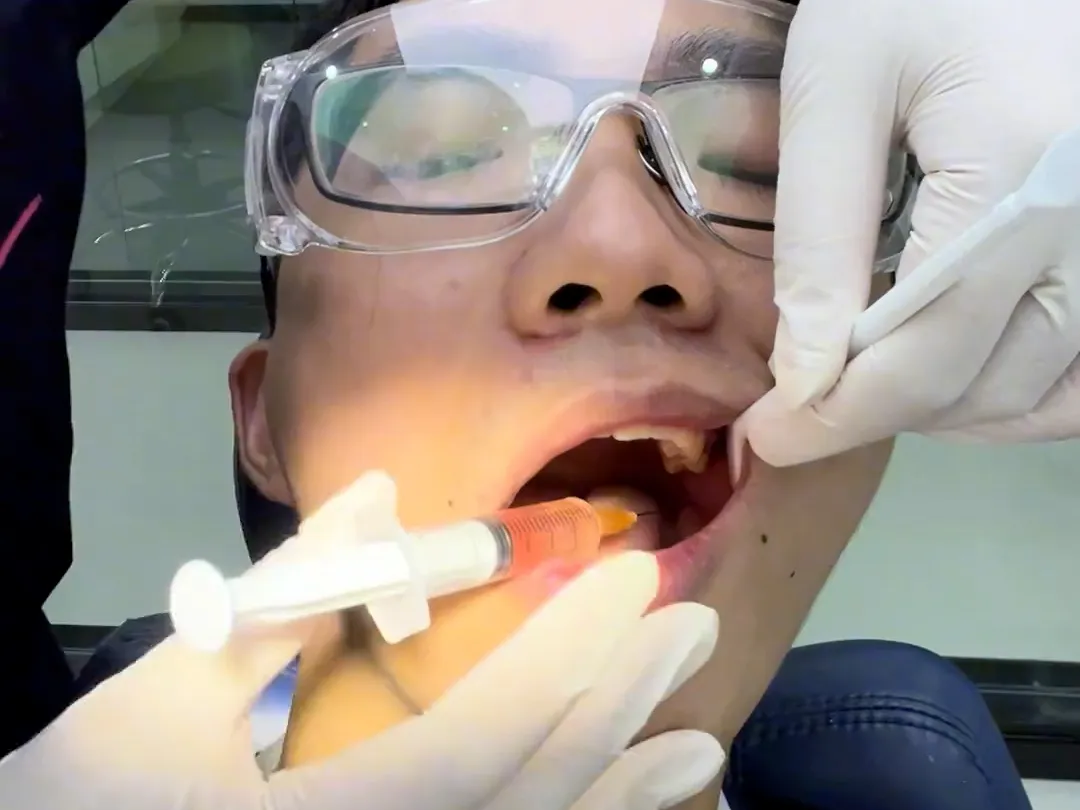
Thailand Pediatric Dentistry Clinics With Modern Digital X Ray Systems
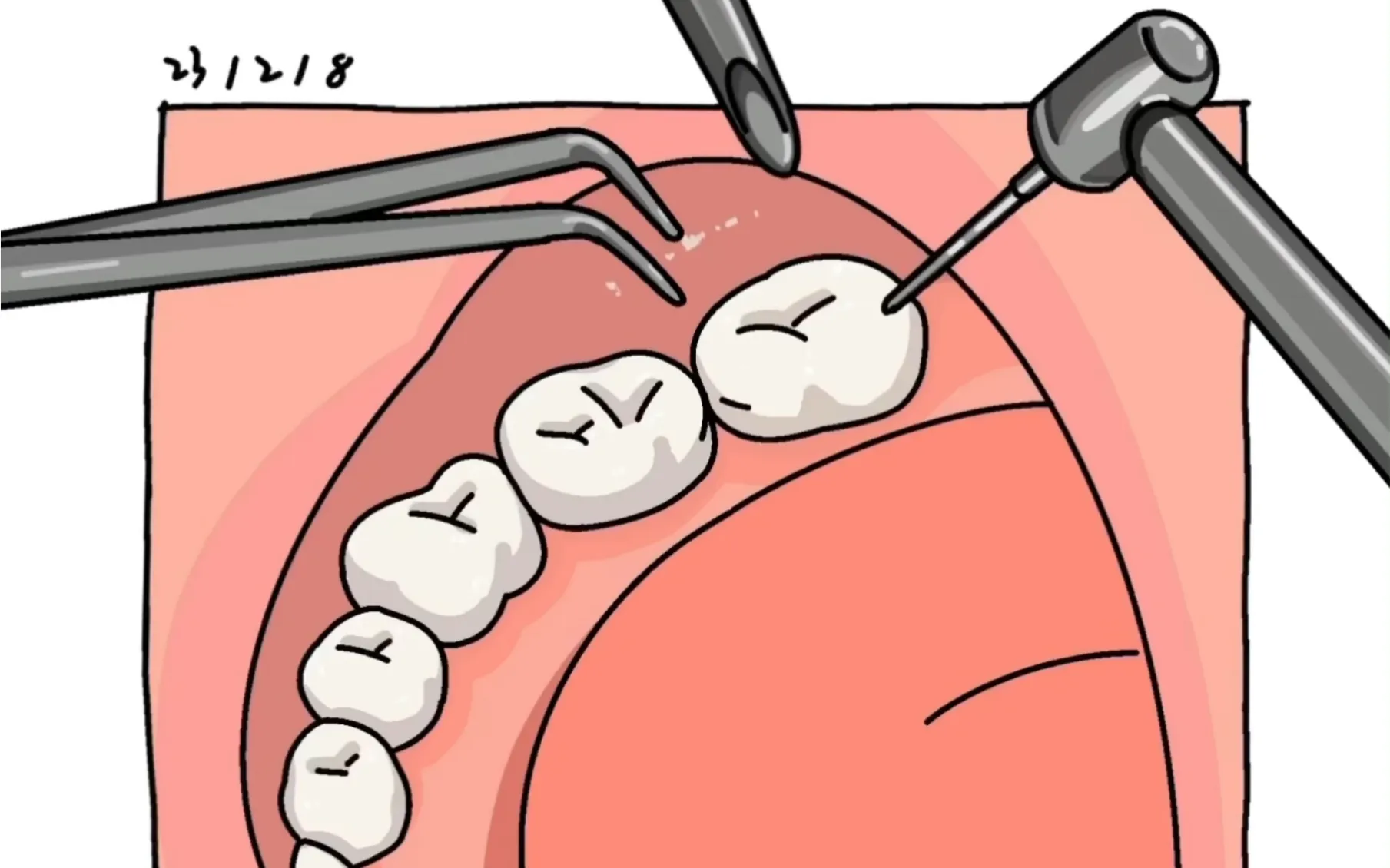
Thailand Pediatric Dentistry Clinics With Modern Digital X Ray Systems
If you’re raising children in Thailand or visiting for an extended stay, you’ll find that many pediatric dentistry clinics here are now fully equipped with modern digital X‑ray systems. That means clearer images, low radiation, quicker appointments, and a more comfortable experience for your little one. From Bangkok to Chiang Mai and Phuket, Thai pediatric dentists are bringing international standards to a friendly, child‑centered setting—so you can relax and say “mai pen rai” about your kid’s dental care.
Why digital X‑rays matter for kids
Children’s teeth and jaws change quickly. Some problems hide between teeth or under the gums where the eye cannot see. Digital dental X‑rays help pediatric dentists spot cavities early, check how adult teeth are developing, monitor jaw growth, and assess injuries after a fall. Early detection means gentle treatment—think fluoride, sealants, or small fillings—instead of big work later.
What “digital” means for your child
- Low radiation: Modern sensors and plates use a fraction of the dose compared to old film, often 60–80% less. Clinics follow the ALARA principle (As Low As Reasonably Achievable), so images are taken only when needed.
- Fast and comfortable: Images appear on screen in seconds. Smaller child‑sized sensors, soft edges, and flexible phosphor plates reduce gagging. Less time in the chair means a happier kiddo.
- Better diagnosis: High‑resolution, zoomable images help the pediatric dentist explain what’s going on in simple terms. Parents can see exactly where a cavity is or how a tooth root is healing.
- Eco‑friendly: No chemical processing and less waste than traditional film.
Safety standards you can expect in Thailand
Reputable kids’ dental clinics in Thailand are serious about safety. You’ll see lead aprons with thyroid collars, well‑maintained machines that are regularly calibrated, and strict infection control with Class B autoclaves and single‑use barriers. Board‑certified pediatric dentists (often with training abroad) follow evidence‑based guidelines on X‑ray intervals based on your child’s cavity risk. If your child doesn’t need an X‑ray, they won’t take one—simple as that.
Types of digital X‑rays used for children
- Bitewing X‑rays: Tiny images that show the areas where cavities often start between back teeth. Usually taken every 6–18 months depending on risk.
- Periapical X‑rays: Focus on the whole tooth and root when there’s pain, trauma, or a suspected infection.
- Panoramic X‑ray (OPG): A quick, wide view of all teeth and jaws—handy for mixed dentition checks, missing or extra teeth, and wisdom teeth later on.
- Cephalometric X‑ray: Side view of the head used for early orthodontic assessment and growth guidance.
- CBCT (3D scan): Used sparingly in kids and only when absolutely necessary (for complex trauma or certain orthodontic or surgical cases), with pediatric settings to minimize dose.
A child‑friendly experience from door to chair
Thailand’s pediatric clinics put a lot of thought into making dental visits “sanuk” (fun). Expect bright, playful décor, cartoons on ceiling TVs, air‑con rooms, and toy corners. Clinicians use Tell‑Show‑Do behavior guidance, so your child sees and understands each step. Nitrous oxide (laughing gas) with a sweet‑smelling nose mask is available in many clinics for anxious kids, and some offer oral sedation when clinically appropriate. With faster digital X‑rays, the whole process feels smooth—snap the picture, see the result, and move on.
Integrated pediatric care powered by better imaging
- Preventive care: Fluoride varnish, BPA‑free seal
ants, diet advice, and brushing coaching based on actual risk seen on X‑rays.
- Minimally invasive dentistry: Early lesions may be managed with silver diamine fluoride or small composite fillings before they grow.
- Pulp therapy and crowns: When a baby molar is badly decayed, digital X‑rays guide pulpotomies and stainless‑steel crowns or tooth‑colored pediatric crowns.
- Trauma management: Accidents happen on the playground; quick periapical images help monitor root healing.
- Space maintenance and early ortho: Panoramic and cephalometric images support interceptive orthodontics, space maintainers, and growth guidance, often in collaboration with an orthodontist.
Choosing the right kids’ dental clinic in Thailand
Whether you’re in Bangkok, Chiang Mai, Pattaya, or Phuket, you’ll find plenty of options. In Bangkok, many pediatric dentistry clinics are near BTS and MRT lines (Sukhumvit, Thonglor, Sathorn, Silom), making it easy to pop in after school. When you shortlist a clinic, ask:
- Do you use digital X‑ray systems with child‑sized sensors?
- How do you apply the ALARA principle and protect the thyroid?
- Is the pediatric dentist board‑certified and experienced with behavior management?
- Is nitrous oxide available for anxious children?
- What are your infection control and sterilization protocols?
- Can you share images in DICOM format if we’re moving or seeing an orthodontist?
- Do you offer weekend or after‑school appointments, and how long is the waiting time?
For expat families and international school communities
Thailand is very expat‑friendly when it comes to healthcare. Many kids’ dental clinics have English‑speaking teams and can communicate in other languages too. Booking is simple—most clinics accept appointments via phone, website forms, or even the Line app, and some send QR codes for pre‑visit medical history forms. If you have insurance, ask about direct billing or documentation for claims. Digital records and X‑rays can be emailed securely to your dentist back home or to a specialist.
Practical tips for parents
- First visit timing: Bring your child by their first birthday or when the first tooth appears. This keeps the first experience positive and preventive.
- X‑ray frequency: There’s no one‑size‑fits‑all. Children with low cavity risk may need them less often; high‑risk kids need closer monitoring. Trust the dentist’s risk‑based plan.
- Prepare your child: Keep explanations simple and positive—“The dentist will take tooth pictures with a small camera.” Avoid scary words.
- Bring records: If you’ve had recent dental care elsewhere, share previous X‑rays to avoid repeat exposure.
- Stay consistent: Six‑month check‑ups help catch problems early, keep costs down, and make visits routine.
Cost and value
Fees vary by city and clinic, but digital X‑rays are generally affordable and provide high value by preventing bigger problems later. Look for transparent pricing and clear treatment plans. Many clinics offer family packages or seasonal promotions, especially around school holidays.
The bottom line
Thailand pediatric dentistry clinics with modern digital X‑ray systems combine international‑level technology with the warmth and hospitality Thailand is known for. You get low‑radiation imaging, faster appointments, and precise diagnosis, while your child enjoys a gentle, friendly experience. Whether you’re a local parent or part of the international community, finding a kids’ dental clinic in Bangkok, Chiang Mai, or Phuket that uses modern digital X‑rays is straightforward—and a smart step for your child’s healthy smile.