Thailand Pediatric Dentistry for First Time Dental Appointments
Thailand Pediatric Dentistry for First Time Dental Appointments
Taking your child to the dentist for the first time can feel like a big step, especially if you are new to the scene in Thailand. The good news is that pediatric dentistry here is well developed, friendly, and very used to welcoming little ones. Whether you live in Bangkok, Chiang Mai, Phuket, or a smaller town, you can find children’s dental care that focuses on comfort, prevention, and clear communication with parents.
Why choose Thailand pediatric dentistry
Pediatric dentists in Thailand are trained to treat infants, toddlers, and school-age children. Many clinics set up child-friendly spaces with cartoons, stickers, and “tell-show-do” techniques, so young patients feel safe. In larger cities, English-speaking dentists and nurses are common, and many clinics offer easy booking on Line, Facebook, or through hospital apps. You’ll find options in private clinics, hospital dental centers, and even mall-based practices with convenient parking and access by BTS/MRT in Bangkok.
When to book the first dental visit
Globally, the recommendation is by the first birthday or within six months of the first tooth coming in. In Thailand, the same guideline is followed. If your child is already older and has never been, don’t stress—any time is better than never. Aim to book a morning slot when young kids are fresh and less likely to be cranky. For babies and toddlers, some clinics offer knee-to-knee examinations so parents can keep the child on their lap.
What happens during the first appointment
The first visit is mostly about prevention and getting comfortable.
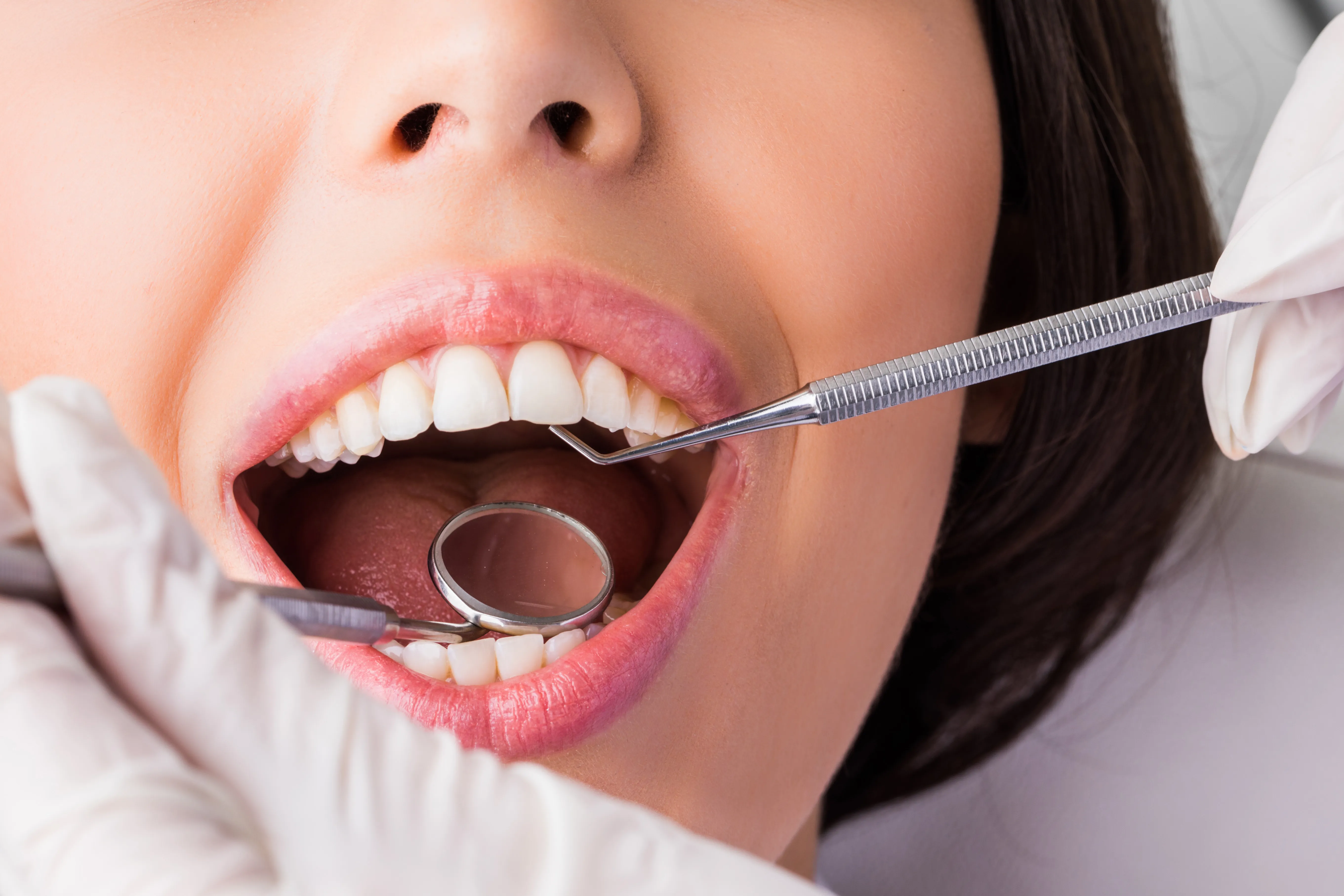
- Gentle exam: The dentist will check the mouth, tongue, gums, and baby teeth, making sure eruption is on track and there are no early signs of decay.
- Cleaning and fluoride: A simple polish and, if appropriate, fluoride varnish may be applied to strengthen enamel. X-rays are usually not needed for very young children unless there is a specific concern.
- Diet and habit discussion: Expect advice on Thai-style eating patterns—how to manage sugary snacks, sweetened milk, bubble tea, sticky desserts, and late-night feeding. The dentist will also ask about bottle and pacifier habits, mouth breathing, and thumb sucking.
- Home care guidance: You’ll learn how much toothpaste to use, when to start flossing, and how to brush a wiggly toddler’s teeth effectively.
If your child is anxious, clinics often use distraction (videos, toys) and gentle communication. Nitrous oxide (laughing gas) is available in many pediatric settings for older children if needed, and hospitals can arrange deeper sedation for complex cases.
How to prepare your child
- Keep it positive and simple. Say you’re going to meet a tooth doctor who will count and clean teeth.
- Avoid using scary words like pain, injection, or drill.
- Practice at home with a quick “open wide, count teeth” game.
- Bring a favorite toy, snack for after, and water in case of a wait.
- If your child is unwell or hasn’t slept, consider rescheduling rather than pushing through a difficult morning.
What to bring on the day
- Child’s ID or passport and your own ID.
- Insurance card or details for direct billing if you have Thai or international coverage.
- Any medical notes, allergy information, or previous dental records.
- A small toothbrush; some clinics give one, but it’s useful if the dentist wants to demonstrate.
Costs and insurance basics in Thailand
Fees vary by city and clinic type. As a general guide in private clinics:
- First consultation check-up: around 500–1,000 T
HB
- Cleaning and polish for children: around 800–1,500 THB
- Fluoride varnish: around 500–1,000 THB
- Fissure sealants per tooth: around 800–1,500 THB
- Small fillings: often 1,000–2,500 THB depending on material and size
- Nitrous oxide sedation (if used): additional fee varies
- Hospital-based treatment under general anesthesia is significantly higher and only recommended when absolutely necessary
Public hospitals and university clinics may offer lower fees but can have longer queues. Many private clinics can issue receipts or do direct billing with Thai insurers; expat policies differ, so check your benefits. If you’re using Universal Coverage or Social Security, ask your local hospital dental department what is covered for children.
Choosing a pediatric dentist in Bangkok, Chiang Mai, Phuket and beyond
- Location and access: In Bangkok, look for clinics near BTS or MRT for easier travel with kids. In Chiang Mai and Phuket, parking is usually simpler, and hospital dental centers are popular options.
- Language: If you prefer English, check websites, reviews, or message the clinic on Line to confirm English-speaking staff.
- Clinic vibe: Child-friendly decor, patient flow, and how staff speak to children make a big difference. A quick walk-in visit to ask questions before the appointment can help you feel at ease.
- Emergency readiness: Ask how the clinic handles tooth injuries and after-hours advice.
- Recommendations: Local parent groups on Facebook and Line are helpful for reviews specific to your area.
Common questions for first-timers in Thailand
- Do parents go inside? Most pediatric dentists in Thailand are happy for one parent to accompany the child, especially for the first visit. For some procedures, the clinic may ask parents to wait outside to help the child focus.
- Are shoes removed? Medical clinics generally keep shoes on; you’ll usually receive shoe covers if needed.
- Will my child need X-rays? Not usually for the first visit unless there are signs of decay or a dental injury.
- What if my child cries? It’s normal. Pediatric teams are trained to work with anxious children and will go at a pace your child can manage.
Home care tips tailored to Thai lifestyles
- Brush twice daily. Use a smear (rice-grain size) of fluoride toothpaste for children under three and a pea-size amount from age three to six. Help or supervise brushing until at least age seven.
- Time your sweets. If your child enjoys Thai desserts, bubble tea, or milk bread, offer them with meals rather than as frequent snacks, and rinse with water after.
- Avoid bottles in bed. Nighttime sweetened milk, even with condensed milk, is a major cause of early childhood caries. If needed, switch to water at bedtime.
- Choose tooth-friendly snacks. Fresh fruit, cheese, boiled corn, and nuts (for older kids) are better than sticky candies.
- Protect new molars. Ask about sealants when the first permanent molars erupt around age six.
- Stay regular. Schedule check-ups every six months. If your dentist suggests a different interval based on risk, follow their advice.
A smooth first visit sets the tone for a lifetime of healthy smiles. Thailand’s pediatric dentists combine gentle techniques with practical guidance that fits local diets and routines. Book early, keep things relaxed, and celebrate your child’s effort afterwards—maybe with a trip to the park or a favorite cartoon rather than a sugary treat. With the right start, dental appointments can feel normal, positive, and even a little bit fun.