Thailand Pediatric Dentistry Clinics With Gentle Pediatric Treatment Methods
Thailand Pediatric Dentistry Clinics With Gentle Pediatric Treatment Methods
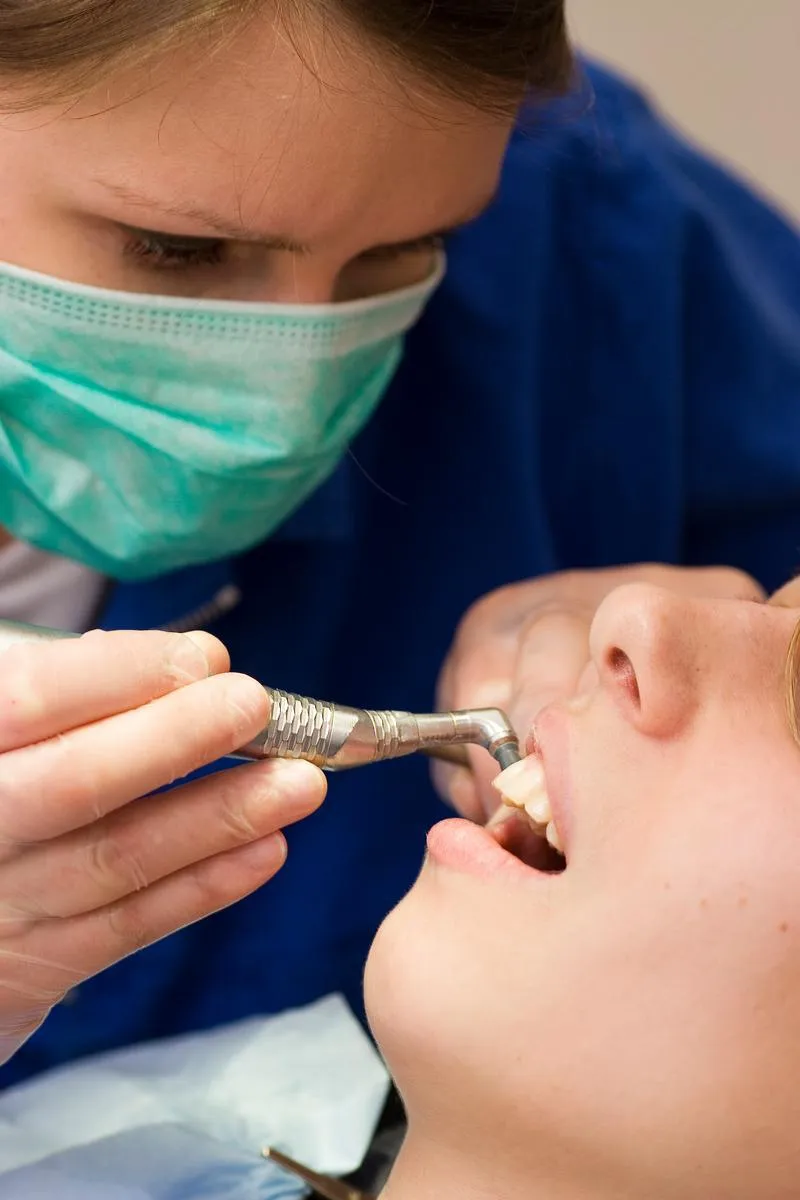
Finding the right pediatric dentist in Thailand doesn’t have to be stressful. Across Bangkok, Chiang Mai, Phuket, Pattaya, and many provincial cities, pediatric clinics are known for a service-mind approach, calm communication, and gentle treatment methods that put children first. Whether your little one is Thai or part of an expat family, you can expect child-friendly spaces, doctors who explain everything step by step, and care plans focused on prevention and comfort.
What makes pediatric clinics in Thailand so child-friendly
- Playful environment: Many clinics have a kids’ corner, soft lighting, and ceiling TVs showing cartoons. Children get small rewards like stickers after treatment, keeping things sanuk (fun) and positive.
- Soft, clear communication: The team will “tell–show–do,” demonstrating tools on a finger or model so kids know what to expect. Parents are often invited to stay nearby for reassurance.
- Easy access and booking: Lots of clinics are near BTS/MRT in Bangkok or central roads upcountry, with parking on-site. Appointments are commonly made via phone, Facebook, or LINE Official, with reminders sent the day before. Walk-in is sometimes okay, but booking saves time.
- Bilingual support: In most bigger cities, staff can speak Thai and English. Expat families can receive full explanations about treatment options, costs, and home care.
Gentle pediatric treatment methods you’ll see in Thailand
- Tell–Show–Do and positive reinforcement: Doctors build trust through storytelling, role play, and small steps. Praise and simple rewards keep motivation high.
- Minimally invasive dentistry: To protect baby (milk) teeth while reducing discomfort, clinics often use methods like:
• Atraumatic Restorative Treatment (ART) with hand instruments and glass ionomer.
• Silver Diamine Fluoride (SDF) to arrest early decay without drilling, followed by a tooth-coloured cover where suitable.
• The Hall Technique (placing a stainless steel crown without injections or drilling) for certain back teeth, especially useful for wiggly kiddos.
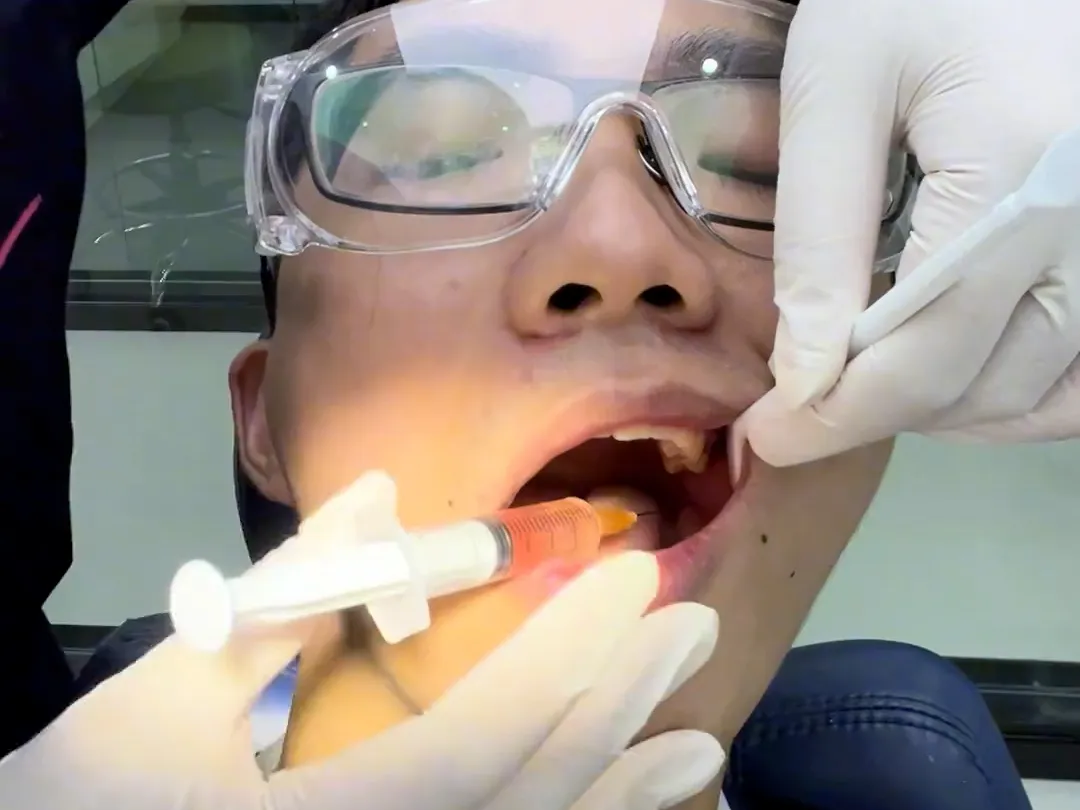
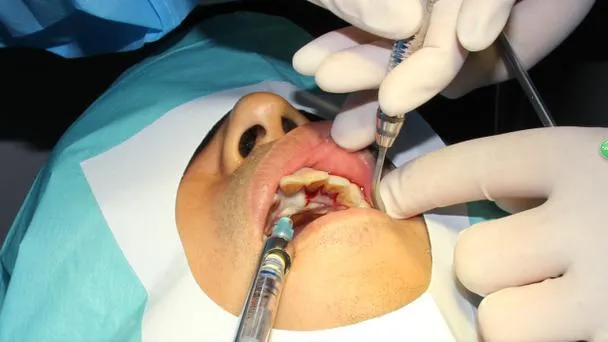
- Advanced pain control: Topical numbing gel before local anesthesia, fine needles, and buffered anesthetic help reduce sting. Rubber dams and high-volume suction keep the area dry so treatment is faster and more comfortable.
- Laser or air-abrasion options: Some modern clinics use lasers or micro air abrasion to reduce vibration and noise, helpful for anxious children.
- Behaviour guidance and sedation: For children with strong dental anxiety or special healthcare needs, some hospital-based clinics and premium practices provide nitrous oxide (laughing gas) with continuous monitoring. In selected cases, oral or IV sedation is available in a hospital setting with an anesthesiologist. These options are discussed carefully with parents, including risks, benefits, and fees.
A strong focus on prevention
Thai pediatric dentists emphasise prevention as the best “gentle method” of all:
- Regular check-ups from the first tooth or by the first birthday allow early guidance on brushing, diet, and habits like thumb sucking.
- Professional fluoride varnish strengthens enamel, and dental sealants protect deep grooves on molars from decay.
- Diet counselling helps families reduce frequent snacking and sugary drinks. Many clinics provide a simple chart to track brushing and snack routines.
- Space maintainers and early orthodontic screening can guide jaw growth and prevent crowding issues later.
Safety and standards parents can trust
Clinics follow strict infection-control protocols: disposable barriers, instrument tracking, and autoclave sterilisation. Digital X-rays
reduce radiation and provide clear images for parents to see on-screen. Treatment notes are documented in detail, and consent is taken before any procedure, especially for sedation or crowns. You’ll often hear the team say “no rush”—they prefer to build trust and finish care over a few short, comfortable visits rather than force a long session.
How to choose a pediatric dentistry clinic in Thailand
- Check credentials: Look for a board-certified Pediatric Dentist (with postgraduate training in pediatric dentistry). If your child needs sedation, confirm hospital privileges and monitoring standards.
- Consider convenience: Clinics near BTS/MRT or major roads with parking make repeat visits easy. Many are open evenings or weekends to suit school schedules.
- Ask about gentle options: Inquire about tell–show–do, SDF, Hall Technique, rubber dam use, nitrous oxide availability, and policies for parental presence.
- Look for communication style: A good clinic explains the plan in clear Thai or English, shows X-rays on-screen, and offers a printed or digital treatment plan with transparent fees.
- Read recent reviews: Parents in Thailand often share experiences on Google Maps, Facebook, and local parent forums. Look for mentions of a kind doctor, patient staff, and a clean, safe environment.
- Confirm booking channels: Many clinics accept booking and follow-up via LINE Official, which is convenient for rescheduling and questions.
Costs, promotions, and insurance
Private pediatric clinics in Thailand typically quote by procedure (per tooth for fillings and sealants) and will share an itemised plan before treatment. Some places offer packages or seasonal promotions for check-up plus cleaning and fluoride. Hospital-based centers may have higher fees but provide full sedation services and direct billing for certain international insurance plans. If you have insurance, check coverage for pediatric dental, preventive services, and sedation. For Thai families using public schemes, government hospitals and dental schools can be an affordable option, though waiting time may be longer.
Where to find trusted clinics
- Bangkok: Sukhumvit, Sathorn, Ari, Ratchada, and the Thong Lo–Ekkamai area have many family-focused clinics close to BTS/MRT.
- Chiang Mai: Nimman and old city areas host clinics popular with locals and expats.
- Phuket and Pattaya: Coastal cities have pediatric options used by international families and tourists, often inside hospitals or large group practices.
- Upcountry cities: Khon Kaen, Udon Thani, Hat Yai, and Nakhon Ratchasima have growing networks of pediatric services, often attached to private hospitals or university clinics.
What to expect on your child’s first visit
The first appointment is usually short and friendly. The doctor checks growth, counts teeth, and looks for early signs of decay. A quick clean, fluoride application, and a brushing demo are common. If treatment is needed, the plan is explained clearly and scheduled for a separate day so your child stays relaxed. Parents leave with home-care tips, product recommendations (like age-appropriate fluoride toothpaste), and a recall schedule that fits school holidays.
Thailand’s pediatric dentistry clinics balance professionalism with warmth. With gentle methods like tell–show–do, minimally invasive techniques, careful pain control, and, when appropriate, sedation options, children can receive the care they need without fear. Add in convenient booking via LINE, weekend hours, and bilingual communication, and it’s easy to see why families here feel confident bringing their little ones for regular, smile-friendly visits.