Thailand Pediatric Dentistry Services for Preschool Children
Thailand Pediatric Dentistry Services for Preschool Children
Caring for preschoolers’ teeth in Thailand is about much more than a quick check-up. Families here, whether local or expat, can access a full range of pediatric dentistry services designed to keep little smiles healthy from the very first tooth. With child-friendly clinics, trained pediatric dentists, and convenient booking options (including phone and LINE Official), Thailand offers a relaxed, professional experience that fits busy family schedules.
Why early dental care matters
Baby teeth are small, but they play a big role. They help children chew and speak clearly, guide the growth of permanent teeth, and support facial development. In Thailand, sweet snacks, bubble tea, and prolonged bottle feeding can increase the risk of early childhood caries. Starting dental visits around the first birthday—or when the first tooth appears—helps catch issues early and builds positive habits before school age.
Common pediatric dentistry services in Thailand
- First dental visit and risk assessment: A gentle introduction to the clinic environment, assessment of tooth development, bite, and cavity risk, plus personalised advice on brushing, diet, and fluoride.
- Professional cleaning and fluoride varnish: Scaling and polishing tailored for kids, followed by fluoride varnish to strengthen enamel and reduce decay risk. Most pediatric dentists recommend visits every six months.
- Fissure sealants: A protective coating for the grooves of molars to prevent food and bacteria from causing cavities—especially useful for children who love sticky or sugary snacks.
- X-rays with low-dose digital systems: Taken only when necessary, to check hidden decay between teeth or assess tooth development, with safety protocols suitable for young children.
- Minimally invasive care: Techniques like silver diamine fluoride (to stop active tooth decay) and ART/SMART (atraumatic approaches) reduce drilling and stress for preschoolers when appropriate.
- Fillings and crowns for baby teeth: Tooth-coloured fillings for small cavities; stainless steel crowns for larger decay to protect the tooth until it naturally falls out.
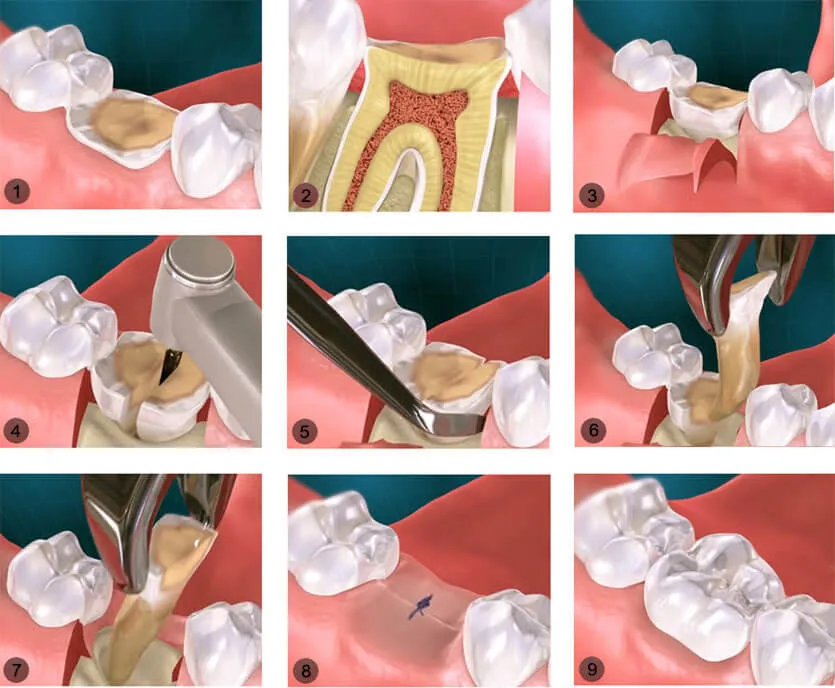
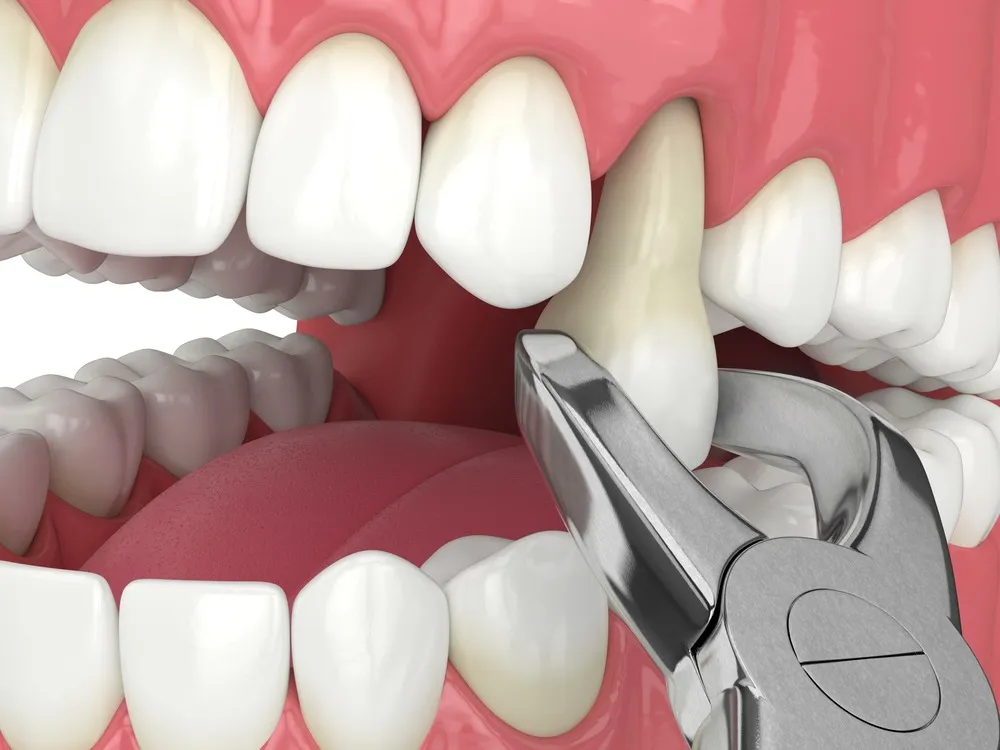
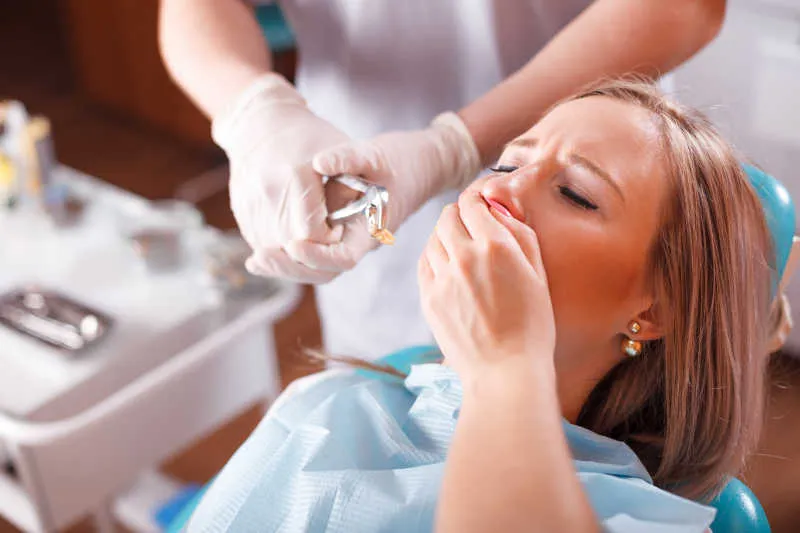
- Pulp therapy and extractions: Pulpotomies or pulpectomies to save infected baby teeth where possible; extractions done only when a tooth cannot be restored, with space maintainers offered to keep room for adult teeth.
- Trauma management: Quick care for chipped or knocked-out teeth from playground falls, with advice on what to do on the way to the clinic.
- Habit and growth guidance: Support for thumb-sucking, pacifier weaning, teeth grinding (bruxism), and monitoring of jaw growth to plan future orthodontic needs.
Comfort and behaviour support for little ones
Pediatric dentists in Thailand are trained in behaviour management suited to preschool children. Many clinics use:
- Tell–Show–Do and positive reinforcement, turning each step into an easy-to-understand game.
- Desensitisation visits for anxious children, helping them get used to the chair, instruments, and sounds.
- Distraction methods such as ceiling TVs with cartoons, music, and toy corners in the waiting area.
- Nitrous oxide (“laughing gas”) for mild to moderate anxiety, provided by licensed teams with proper monitoring.
- Conscious sedation or general anaesthesia in hospital settings for extensive dental work or children with special healthcare needs, under strict safety protocols.
Where to find pediatric dentists in Thailand
You’ll find child-focused services across Bangkok, Chiang Mai, Phuket, Pattaya, and other major cities. Options include private clinics, international hospitals, and community hospitals with pediatric dental departments. Many places offer weekend hour
s and after-school appointments, and some have direct access to BTS/MRT in Bangkok for easy travel with strollers. For families who prefer language support, clinics with English-speaking staff are common in expat areas and tourist hubs.
Standards and safety
Thai pediatric dentists (often called pedodontists) complete specialist training and are registered with the Dental Council of Thailand. Clinics follow infection control protocols aligned with international standards, and many hospitals carry global accreditation. Parents can expect clear consent processes, child-size X-ray shields, and take-home instructions after each visit.
Fees, packages, and insurance
Costs vary by city and clinic type. Preventive care like check-ups, cleaning, and fluoride is typically the most affordable and is often available as part of family packages. Restorative treatments, sedation, or hospital-based care will add to the total cost. Some private medical insurance plans in Thailand include benefits for dental check-ups and children’s fillings; coverage differs by policy, so it’s best to confirm details and ask the clinic about direct billing. Many clinics are happy to provide a treatment plan and quotation before starting.
Tips to prepare your preschooler for the dentist
- Choose a morning slot when your child is fresh and not too tired.
- Avoid scary words like “injection” or “pain”; keep it positive and simple.
- Do a home rehearsal: count teeth together and practice opening wide.
- Bring a favourite toy or comfort item to the appointment.
- Keep snacks light before the visit; follow fasting instructions strictly if sedation is planned.
- Brush together every day so clinic instructions feel familiar, not new.
How to choose the right pediatric dentist in Thailand
- Qualifications and experience: Look for a board-certified pediatric dentist with experience treating toddlers and preschoolers.
- Child-friendly facilities: Play area, TV screens, and small instruments make a difference.
- Behaviour and sedation options: Check what is available and how safety is managed.
- Location and access: Consider proximity to home or school, parking, and public transport.
- Language support and communication: Clear explanations for both parents and children are key.
- Reviews and referrals: Ask your paediatrician, kindergarten community, or parent groups for recommendations.
Healthy habits at home for Thai lifestyles
- Brush twice daily with fluoride toothpaste (a smear for under age 3; a pea-sized amount for ages 3–6). Help your child brush; preschoolers need guided brushing to be effective.
- Start flossing once a day when teeth touch.
- Offer water as the main drink; limit sweet drinks, especially between meals. If your child enjoys Thai desserts or milk tea, keep treats to mealtimes and follow with water.
- Avoid putting your child to bed with a bottle. If a bottle is needed for comfort, choose plain water.
- Keep snacks tooth-friendly: fresh fruit, yoghurt, cheese, nuts (age-appropriate to avoid choking), and rice crackers without sticky coatings.
- Schedule routine dental check-ups every six months, or as advised by your dentist.
The takeaway
Thailand’s pediatric dentistry services for preschool children combine a gentle approach with solid clinical standards. From preventive care and minimally invasive treatments to kid-friendly behaviour techniques and modern sedation options, families can find the right level of support at each stage. With regular check-ups, sensible home habits, and a clinic team that understands young children, your preschooler can enjoy strong, healthy teeth—and a positive attitude toward dental care that lasts for years.