Thailand Pediatric Dentistry Services With Child Friendly Dental Technology
Thailand Pediatric Dentistry Services With Child Friendly Dental Technology
Looking for a kid-friendly dentist in Thailand who blends gentle care with modern tools? Across Bangkok, Chiang Mai, Phuket, and beyond, pediatric dental clinics in Thailand combine warm, family-style service with technology designed to make every visit smooth, fast, and as stress-free as possible. Whether you’re a Thai family or an expat parent, you’ll find dentists who speak English, clinics connected to BTS/MRT and major roads, and appointment systems that keep the queue moving without drama.
Why Early Dental Care Matters Here
Thai kids love their treats—milk tea, sticky desserts, fruit juices, and after-school snacks are part of daily life. That’s why dentists here recommend the first dental visit by the first birthday, and routine check-ups every six months. Early visits help prevent tooth decay in milk teeth, support clear speech and comfortable chewing, and teach good habits before problems start. If your child still takes a bottle at bedtime or sips sweet drinks through the day, a pediatric dentist can guide you on simple changes to protect those tiny teeth.
Child-Friendly Dental Technology You’ll See
Pediatric clinics in Thailand invest in tech that shortens chair time, reduces discomfort, and keeps kids curious rather than scared.
- Low-dose digital X-rays: Modern sensors capture clear images with minimal radiation. Lead aprons and thyroid collars are standard, and dentists only take X-rays when truly needed.
- Intraoral cameras and 3D scanners: Tiny cameras and wand-style scanners show pictures on a screen so kids—and mum and dad—can “see what the dentist sees” without guessing. Scanners also reduce the need for messy impressions.
- Needle-minimising numbing: Topical anaesthetic gels and computerized local anaesthesia systems help numb an area gently. Many little ones don’t even realise they’ve been numbed.
- Laser dentistry: For small cavities, gum reshaping, or tongue-tie (frenectomy) release, lasers can mean less vibration and bleeding, faster healing, and fewer sutures.
- Silver diamine fluoride (SDF): When drilling isn’t the best option—say your toddler isn’t ready for a filling—SDF can stop decay from spreading, buying time until cooperative treatment is possible.
- Hall Technique crowns: For deeper decay in baby molars, some clinics place stainless steel crowns without drilling or injections. It’s quick, durable, and very child-friendly.
- Fluoride varnish and BPA-free sealants: Protective coatings strengthen enamel and shield deep grooves on new molars, reducing the chance of cavities.
- Nitrous oxide and hospital-based sedation: Laughing gas helps anxious kids relax while staying awake and responsive. For complex cases, some hospitals offer sedation or general anaesthesia with an anaesthetist, following strict safety protocols.
- Behaviour guidance tools: Dentists use Tell-Show-Do, gentle voice control, and a “stop signal” agreement so your child feels in control. Rewards, sticker charts, and cartoon ceiling TVs keep the experience fun.
- Teledentistry and LINE reminders: Many clinics share pre-visit videos, send appointment reminders via LINE, and provide home-care tips between visits.
What a Visit Feels Like in a Thai Pediatric Clinic
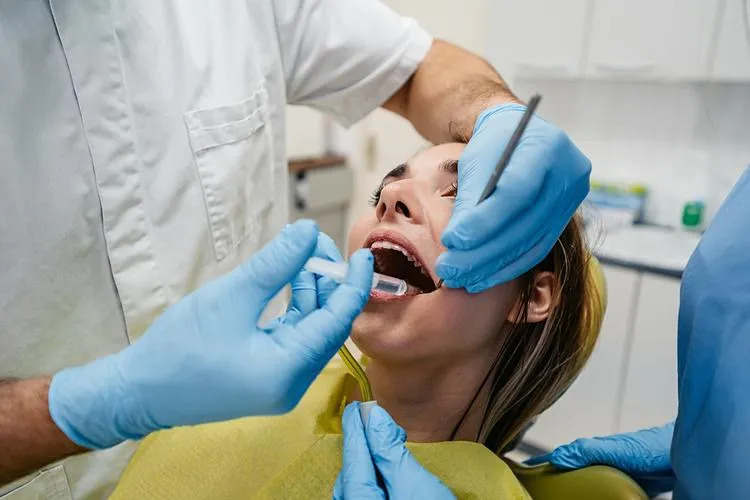
From the friendly “Sawasdee ka/krub” at reception to the cool, clean treatment room, clinics aim to keep things calm and cosy. Parents are usually welcome chairside for reassurance. The dentist will first count teeth and check gums, jaw growth, and bite. If treatment is needed, everything is explained step by step in simple language, often with pictures. Clinics follow strict sterilisation and infection-control protocols, and many offer contactless payment, weekend slo
ts, and online booking to fit busy family schedules.
Common Services for Kids
- Check-ups and cleanings: Gentle plaque removal, polishing, and fluoride varnish with tips tailored to local diets—how to handle sticky rice snacks, dried fruit, and sweet drinks without sacrificing enjoyment.
- Cavity management: From SDF and minimally invasive fillings to Hall crowns, plans are customised to your child’s age, cooperation, and risk level.
- Space maintenance and early orthodontics: If a milk tooth is lost early, a space maintainer keeps room for the adult tooth. Growth guidance, expansion appliances, and habit correction help align smiles early.
- Dental trauma care: Falls on the playground or scooter mishaps happen. If a permanent tooth is knocked out, place it in milk or saline, don’t scrub, and get to a dentist within 30 minutes if possible. Many hospitals have emergency dentists on call.
- Tongue- and lip-tie release: Laser frenectomy can improve feeding, speech, and oral hygiene when indicated, with minimal downtime.
- Special needs dentistry: Clinics offer sensory-friendly rooms, longer appointments, and desensitisation visits to ensure every child receives safe, respectful care.
Costs and Access in Thailand
You’ll find options in both public hospitals and private clinics:
- Public sector (government hospitals and dental schools) provides affordable care; the Universal Coverage Scheme (Gold Card) and Social Security offer benefits for eligible Thai citizens.
- Private pediatric clinics and international hospitals offer shorter waiting times, expanded technology, and more flexible hours. Fees are typically displayed upfront, and many accept local and international insurance or direct billing for corporate plans.
- For expat families, bilingual staff are common in major cities, and many clinics are close to BTS/MRT stations with easy parking on-site or nearby sois.
How to Choose the Right Pediatric Dentist
- Look for a board-certified pediatric dentist (check memberships with the Thai Pediatric Dental Society).
- Ask what technologies are available—digital X-ray, intraoral camera, nitrous oxide, SDF, Hall Technique, and laser options.
- Confirm behaviour management approaches (Tell-Show-Do, positive reinforcement) and whether parents may accompany the child.
- Check sedation policies, hospital privileges, and emergency protocols.
- Consider location and convenience—near your child’s school, along BTS/MRT, or with secure parking.
- Read recent reviews and ask other parents. A quick chat via phone, LINE, or Facebook can also tell you a lot about responsiveness and care philosophy.
Practical Home Tips for Thai Families
- Keep sweet drinks for mealtimes, use a straw, and offer water in between. Avoid bottle-feeding milk at bedtime once teeth erupt.
- Brush twice daily with a smear of fluoride toothpaste for toddlers and a pea-sized amount for older kids. Parents should help until age 7–8.
- Choose tooth-friendly snacks like fresh fruit, cheese, rice crackers without sticky coatings, and nuts (age-appropriate).
- Book the next check-up before you leave the clinic to stay on track.
The Takeaway
Thailand’s pediatric dentistry scene blends the heart of Thai hospitality with child-friendly dental technology that genuinely makes a difference. From low-dose X-rays and laser options to SDF, sealants, and gentle behaviour guidance, your child can receive modern, comfortable care tailored to local lifestyles. Secure an appointment at a trusted clinic near your home or school, and keep those smiles healthy with regular visits. With the right team, every dental visit can feel safe, quick, and even a little bit sanuk for your little one.