Thailand Pediatric Dentistry for Childrens Regular Dental Checkups
Thailand Pediatric Dentistry for Childrens Regular Dental Checkups
Thailand is famous for warm smiles, and that care extends to the way we look after children’s teeth. Pediatric dentistry here is friendly, gentle, and very practical for busy families. Whether you are in Bangkok, Chiang Mai, Phuket, or any provincial town, there are many child-focused clinics and hospital dental departments ready to help your little one build healthy habits from the start. Regular dental checkups are the backbone of that care.
Why regular checkups matter for kids
- Baby teeth are not “just temporary.” They help children chew well, speak clearly, and hold space for adult teeth. Early loss from decay can lead to crowding and bite problems later.
- Thailand’s climate and food culture mean kids often enjoy sweet drinks, ice cream, and sticky snacks. Without routine checkups, cavities can develop very quickly.
- Regular exams let the dentist spot early signs of decay, gum inflammation, and issues like mouth breathing or thumb sucking that may affect jaw growth.
- Checkups also build confidence. When a child meets the dentist for simple cleaning and “counting teeth,” they are calmer if someday they need treatment.
When to start and how often to go
- First visit: by the first birthday or when the first tooth appears. This is mainly a gentle look and a chat with mum and dad about brushing, diet, and habits.
- Routine schedule: every six months is standard. If your child has a higher risk for cavities (for example, lots of snacking or weak enamel), the dentist may suggest visits every three to four months.
- Growth checkpoints: as permanent teeth start to come in (around age 6), checkups include monitoring bite and jaw development, so any orthodontic needs can be planned at the right time.
What happens at a children’s dental checkup in Thailand
- Warm welcome: most pediatric clinics are bright and playful, with small chairs, cartoons, and friendly staff. Many dentists speak English and Thai, so communication is easy.
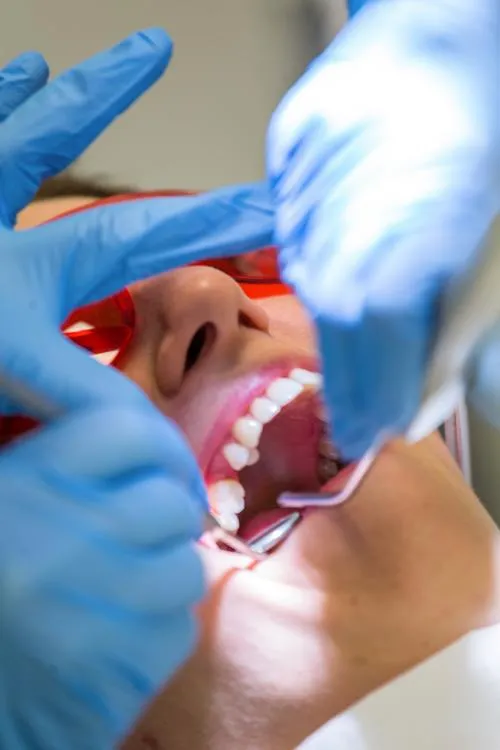
- Gentle examination: the dentist counts teeth, checks gums, and looks for early white spots (the first sign of decay). If needed, small digital x-rays may be taken—these use very low radiation and are done only when necessary.
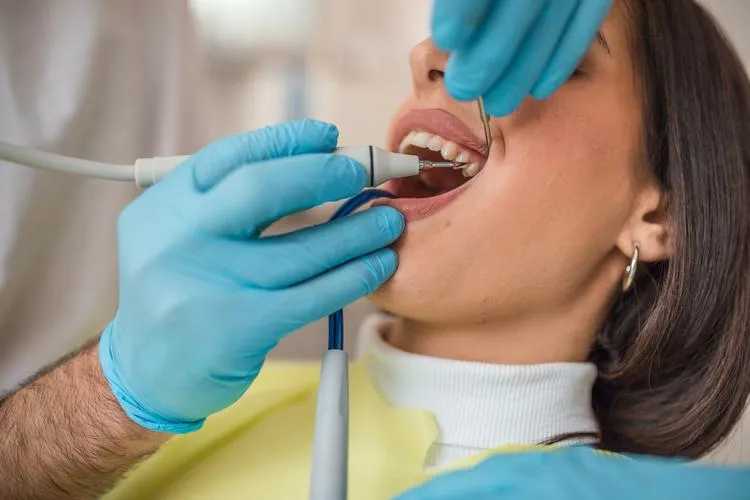
- Cleaning and polishing: a light scale removes plaque and tartar, then polishing helps teeth stay smooth and shiny. This step is quick and usually feels “tickly” to kids.
- Fluoride varnish: many Thai pediatric dentists apply fluoride varnish every 3–6 months to strengthen enamel and prevent cavities. It sets quickly and tastes mildly sweet.
- Fissure sealants: if molars have deep grooves, the dentist may suggest sealants—thin protective coatings that stop food and bacteria settling in hard-to-brush pits.
- Personal advice: expect practical guidance on brushing technique, which toothpaste to use (fluoride level), snack ideas, and night-time routines (for example, avoiding milk in the bottle when sleeping).
Simple, preventive home habits that work in Thailand
- Brush twice daily with a rice-grain smear of fluoridated toothpaste for toddlers, changing to a pea-sized amount from age 3–6. Parents should help until at least age 7–8.
- Rinse only lightly after brushing to keep fluoride on the teeth.
- Keep sweet drinks and packaged juices as a treat, not daily. Offer water between meals, especially in hot weather.
- Choose snacks that are less sticky—fresh fruit, yoghurt, nuts (age-appropriate), or cheese.
- Encourage drinking from a cup instead of a bottle by around 12–18 mon
ths.
Choosing a pediatric dentist in Thailand
- Qualifications: look for a pediatric dentist (often called a pedodontist) with training recognized by the Thai Dental Council. Many clinics display certificates at reception.
- Child-friendly environment: play area, small instruments, and behaviour guidance techniques like tell-show-do. Nitrous oxide (laughing gas) may be available for anxious kids.
- Location and hours: in Bangkok, many clinics sit near BTS/MRT lines for easy access, with evening or Saturday appointments. In other cities, hospital dental departments and private clinics usually offer weekend slots. Kindly book in advance during school holidays.
- Communication: if your family is bilingual or new to Thailand, pick a clinic with clear English support for consent, costs, and home-care instructions.
- Hygiene standards: modern clinics follow strict infection control and use digital records and x-rays.
Public, private, and insurance options
Thailand has a strong mix of public hospitals and private clinics. Thai citizens may access dental services under national schemes at government facilities, while private clinics offer shorter waiting times and extended hours. If you have company insurance or international cover, check your benefits for preventive care (checkups, cleanings, fluoride). Many clinics can prepare documentation for claims or offer direct billing to certain providers. For expat families, it’s best to call ahead and confirm coverage, fees, and payment methods.
For visitors and expat parents
Staying in Thailand short-term? It’s fine to schedule a preventive checkup during your visit—many clinics welcome walk-ins if time allows, but it’s safer to book. If your child has lost a filling, chipped a tooth at the beach, or complains of toothache, pediatric dentists here handle urgent care promptly and gently. No worries—just bring any past records or x-rays if you have them.
How to prepare your child for the dentist
- Schedule morning appointments when kids are fresh.
- Use simple, positive words: “The dentist will count your teeth and make them shiny.”
- Avoid scary terms like “pain” or “injection.”
- Practice at home: let your child open wide while you “count teeth” with a spoon handle.
- Bring a favourite toy or comfort item.
- Reward with praise, a sticker, or a small treat like extra playground time rather than sweets.
Common questions parents ask
- Are x-rays safe for kids? Yes. Dentists use low-dose digital x-rays only when needed and protect children with lead aprons and thyroid collars.
- Does my child need fluoride? In Thailand, fluoride varnish and fluoridated toothpaste are key tools to prevent decay, especially if local water has low fluoride.
- What about braces? The dentist will monitor spacing and bite during regular checkups. If orthodontic treatment is needed, they will refer at the right stage, often around age 7–12.
- Do clinics open on weekends? Many pediatric clinics and hospital departments offer Saturday hours, and some are open on Sundays.
The bottom line
Consistency is everything. Regular pediatric dental checkups in Thailand help prevent cavities, protect baby teeth, and guide healthy jaw development—without stress for child or parent. With friendly doctors, kid-sized care, and convenient locations, keeping your child’s smile bright is simple. Book the next visit before there’s a toothache, keep up daily brushing, and enjoy that confident, healthy Thai smile all year round.