Thailand Pediatric Dentistry Care for Childrens Dental Growth
Thailand Pediatric Dentistry Care for Childrens Dental Growth
Raising children in Thailand comes with plenty of smiles, and keeping those smiles healthy starts earlier than many parents expect. Pediatric dentistry in Thailand focuses on prevention, gentle care, and guiding dental growth from the first tooth through the teenage years. Whether your family is based in Bangkok, Chiang Mai, Phuket, or a smaller province, you can find child‑friendly clinics and hospital dental departments that understand local needs and offer bilingual service, modern equipment, and a welcoming environment for little ones.
Why early care matters
Baby teeth (primary teeth) are not just placeholders. They help your child chew, speak clearly, and keep space for adult teeth. In most children, the first tooth appears around 6 months, with all 20 baby teeth usually present by about age 3. From around age 6, adult teeth begin to come in, starting with the first molars and lower front teeth. This mix of baby and adult teeth continues until ages 12–13. Regular check‑ups help your dentist spot issues early, guide jaw and tooth development, and build good habits that last.
What to expect at a kids’ dental visit in Thailand
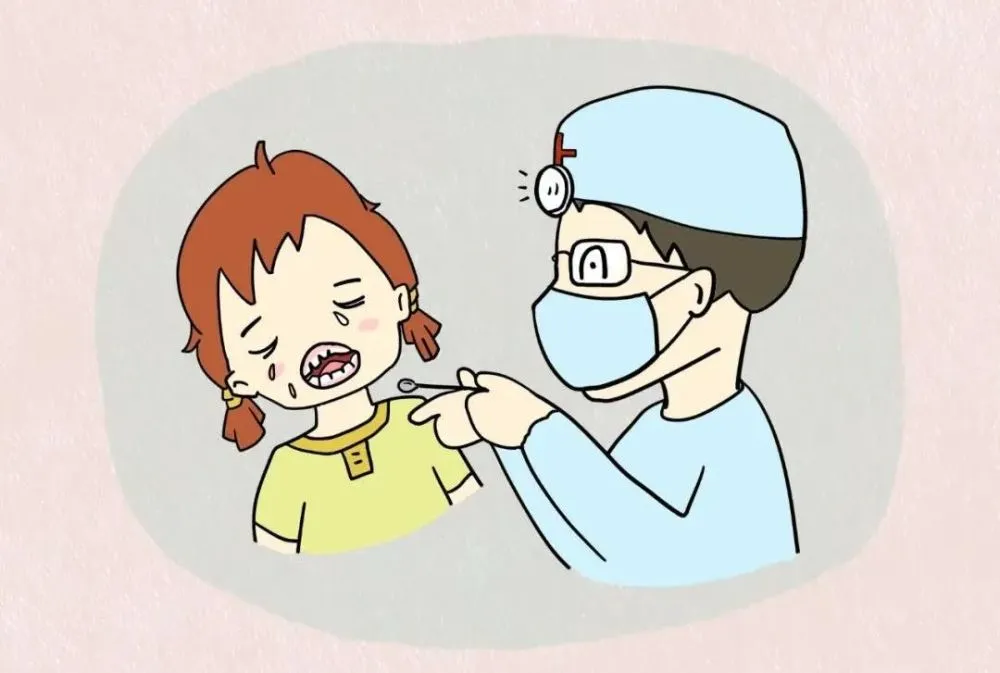
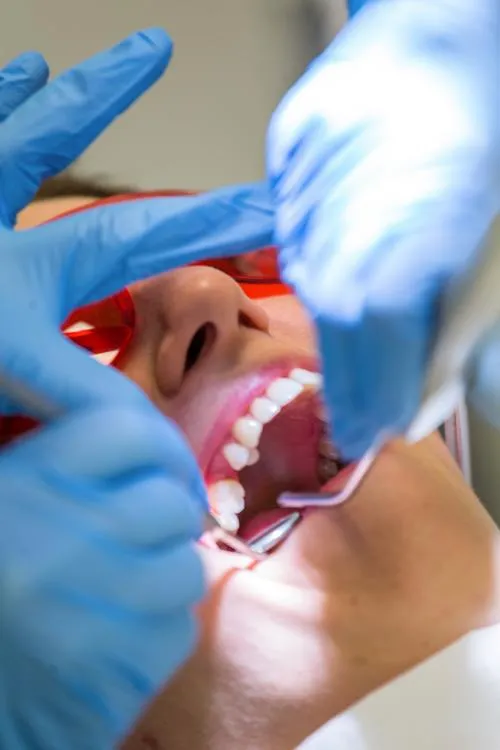
Pediatric dental clinics in Thailand are designed to be comfortable and calm. You’ll often find play corners, cartoons on the ceiling TV, and dentists who speak both Thai and English. A first visit is typically short and positive—more of a “happy check” to build trust. Depending on your child’s age and risk for tooth decay, the dentist may:
- Check eruption patterns and jaw growth
- Gently polish teeth and remove plaque
- Apply fluoride varnish to strengthen enamel
- Take small X‑rays if needed to see between teeth
- Place sealants on new permanent molars to prevent cavities
If a child is anxious, many clinics offer behaviour guidance, tell‑show‑do techniques, and for some procedures, nitrous oxide (“laughing gas”). For extensive work or very young children, treatment under general anaesthesia is available in hospital settings with paediatric anaesthetists. Don’t hesitate to ask the clinic about their approach to comfort and pain control.
Daily habits that protect growing teeth
Strong teeth are built at home. These simple routines make a big difference:
- Start brushing as soon as the first tooth appears. Use a soft baby brush.
- Use fluoride toothpaste. For ages 0–3, use a rice‑grain smear; from 3–6, a pea‑sized amount; after 6, a pea‑sized amount and encourage spitting.
- Brush twice a day, especially before bed. Parents should help until at least age 7–8.
- Begin flossing when two teeth touch.
- Choose water as the main drink. Limit sweet drinks like juices and sweetened milk tea to mealtimes, and avoid sipping throughout the day.
- Avoid putting a child to bed with milk or sweet drinks. If they need a comfort bottle, choose plain water.
- Offer snacks like fruit, cheese, yoghurt, nuts (for older children), and avoid sticky sweets that cling to teeth.
Common concerns for parents in Thailand
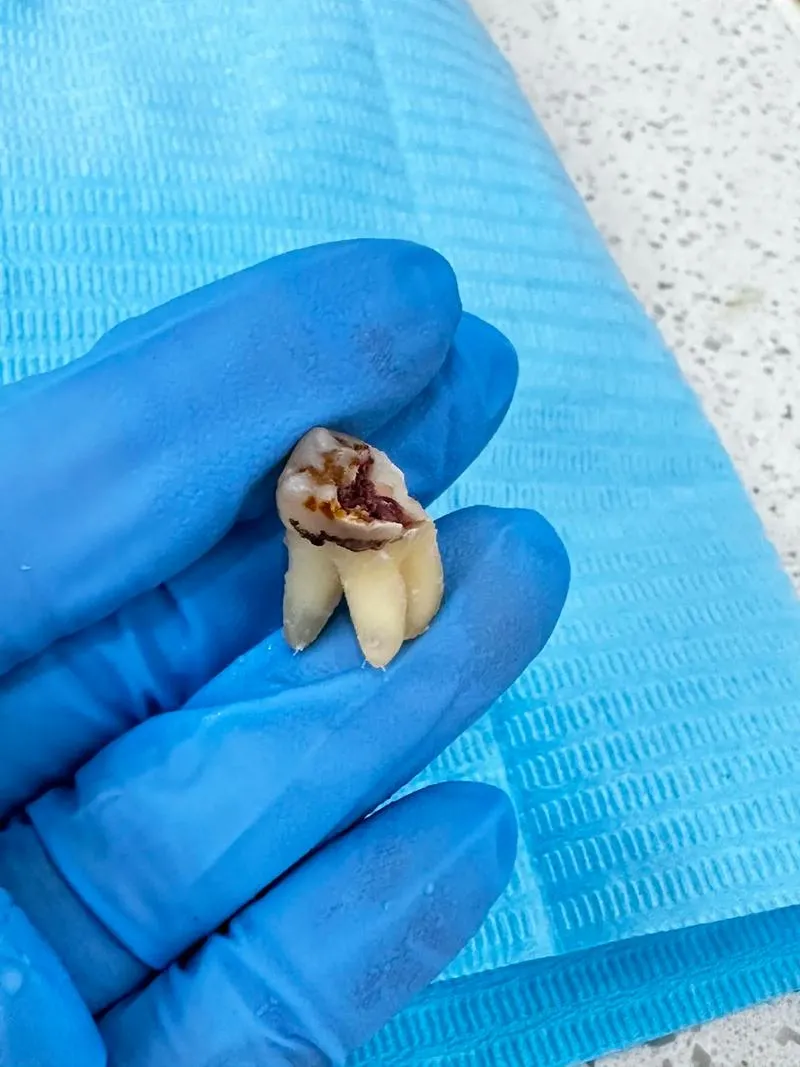
Early childhood caries: Many Thai toddlers love milk and sweet snacks. Frequent sugary drinks or prolonged bottle feeding can lead to decay on baby teeth, especially the upper front teeth. If you see white lines near the gums or brown spots, book a check‑up early. Treatment may range from fluoride to small fillings, and the dentist will help adjust feeding habits.
Thumb sucking and pacifiers: These are common in the early years and often managed by grandparents or carers. Most children stop naturally by age 2–4. If h
abits continue past age 4 or affect the bite, your dentist can suggest gentle reminders and, if needed, habit‑breaking appliances.
Tongue‑tie and speech: Some children have a tight frenum (tongue‑tie) that may affect feeding or speech. Paediatric dentists work alongside paediatricians and speech therapists to assess and, if required, perform a simple release.
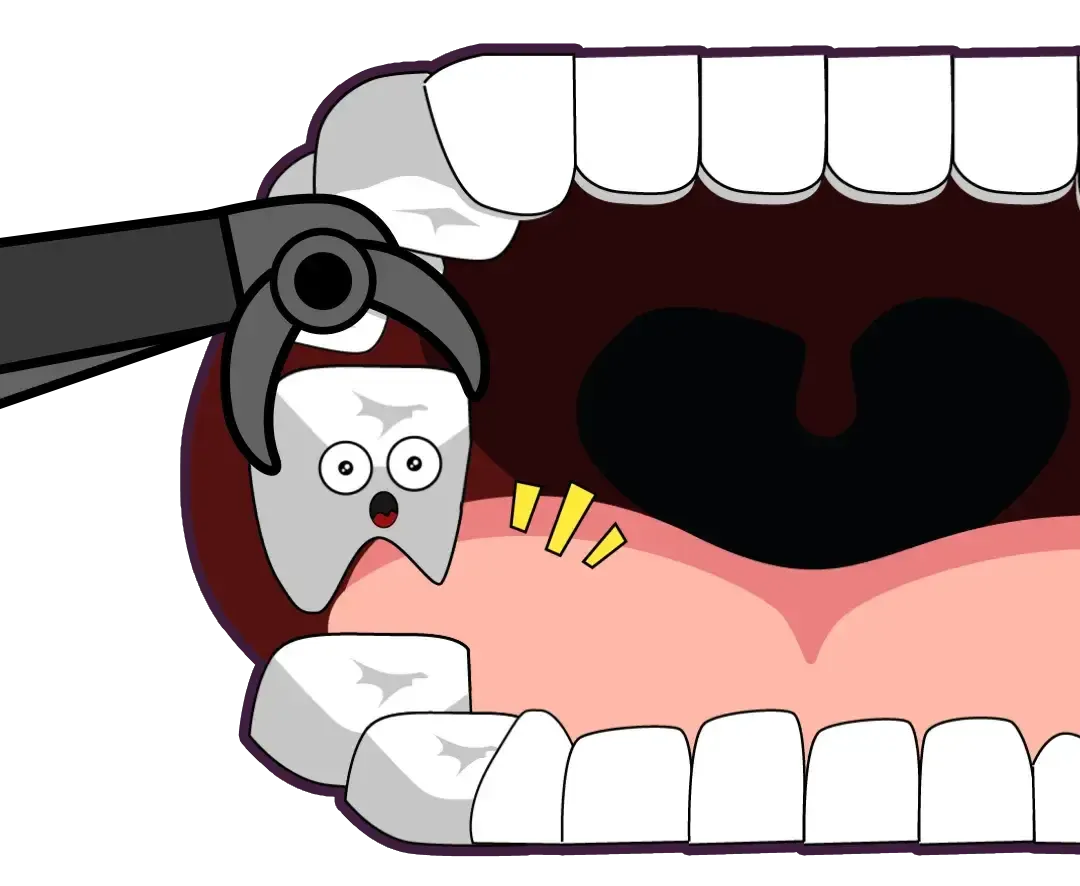
Dental injuries: Active play, scooters, and school sports mean knocks and falls happen. If a permanent tooth is knocked out, handle it by the crown (not the root), rinse briefly with clean water if dirty, and place it back in the socket or in milk. Get to a dentist within 30 minutes. Do not reinsert a knocked‑out baby tooth; see the dentist promptly to check the area and protect the adult tooth underneath.
Guiding growth and orthodontics
An orthodontic assessment around age 7 helps spot crowding, crossbites, or jaw growth issues. Interceptive treatments like expanders or simple braces can guide development and may reduce the need for complex treatment later. Teenagers in Thailand commonly choose ceramic braces or clear aligners for aesthetics, especially during school years. Your paediatric dentist will refer to an orthodontist when the timing is right and monitor jaw growth during growth spurts.
Choosing a pediatric dentist in Thailand
Quality care is widely accessible in both private clinics and hospital dental centres. When selecting a clinic, consider:
- Training and credentials: Look for dentists with paediatric specialty training and Thai Dental Council registration.
- Child‑friendly environment: A calm, colourful space with patient staff makes a big difference.
- Communication: Bilingual teams (Thai/English) help international families and Thai parents feel confident in the plan.
- Preventive focus: Ask about sealants, fluoride, diet counselling, and habit guidance.
- Comfortable care options: Check if they offer nitrous oxide, sedation pathways, and hospital backup for complex cases.
- Sterilisation and safety: Reputable clinics follow strict infection control; many hospitals are internationally accredited.
In larger cities like Bangkok, Chiang Mai, and Phuket, there are dedicated paediatric dental clinics with extended hours and weekend appointments. In smaller towns, family dentists often provide excellent children’s care and refer to specialists when needed.
How often to visit
For most children, a check‑up every six months is ideal. If your child has higher risk for cavities, your dentist may recommend visits every three to four months for a period. School holiday slots fill quickly in Thailand, so it’s wise to book in advance around term breaks and festive seasons.
Making dental visits positive
Set the tone by describing the dentist as a friendly place where teeth are counted and cleaned. Avoid using words like “pain” or “injection.” Bring a favourite toy, arrive a bit early to settle in, and let the dentist lead the conversation with your child. Celebrate small steps—cooperation grows with confidence.
The takeaway
Children’s dental growth is a journey, and Thailand offers supportive, modern care at every stage. With early visits, smart daily habits, and a trusted paediatric dentist, your child can enjoy strong, healthy teeth from babyhood to the teenage years. Book a preventive check‑up, keep sugar for mealtimes, brush with fluoride twice a day, and let your dentist guide the rest. A bright, confident smile is one of the best gifts you can give your little one.