Thailand Pediatric Dentistry Care for Childrens Gum Health
Thailand Pediatric Dentistry Care for Childrens Gum Health
A bright, confident smile is a big part of life in Thailand, and that starts with healthy gums from an early age. While many parents focus on cavities, gum health is just as important for growing children. Healthy gums support both baby and permanent teeth, help with clear speech and proper chewing, and set the foundation for a lifetime of good oral health. With good home care and regular check-ups at a kids’ dentist, families in Thailand can keep children’s gums in great shape.
Why gum health matters for kids
Gums are the protective cushion around teeth. In children, plaque build-up can inflame the gums, causing gingivitis—redness, swelling, and bleeding when brushing. If left unmanaged, it can affect how teeth anchor in the jaw, make eating uncomfortable, and lead to bad breath. In Thailand’s warm climate and busy school schedules, sugary snacks and drinks are easy to reach for, but frequent sugar exposure fuels plaque and gum irritation. The good news is that pediatric dentistry in Thailand is well-equipped to prevent and manage gum problems through simple routines and supportive care.
Common gum issues Thai children face
- Plaque-induced gingivitis: The most common issue, often showing as puffy, reddish gums that bleed during brushing.
- Eruption gingivitis: Mild swelling when new teeth break through—usually temporary, but brushing gently around new teeth helps.
- Mouth breathing or allergies: Can dry the gums and lead to irritation; a pediatric dentist can advise on managing dryness and checking airway issues.
- Braces-related inflammation: Teens with orthodontic appliances need extra care to keep gums clean around brackets and wires.
Daily home care that fits Thai family life
- Brush twice a day: Use a soft-bristled brush and a pea-sized amount of fluoride toothpaste (1,000–1,450 ppm for school-age kids). Brush along the gumline where plaque likes to hide. For toddlers, parents should guide or do the brushing.
- Don’t skip flossing: Once teeth touch, floss daily. For small hands, floss holders make it easier.
- Water first, sweets later: Limit how often kids sip sweet drinks like iced milk tea, bubble tea, or fruit juices. If they do have them, offer them with meals rather than as a frequent snack, and follow with plain water to rinse the mouth.
- Snack smart: Sticky sweets (toffee, dried fruit, some Thai desserts) cling to teeth and gums. Choose fresh fruit, yogurt, nuts (if age-appropriate), or cheese instead.
- Nighttime routine: After the final brush at night, only water. Milk or sweet drinks in a bottle at bedtime can irritate gums and cause tooth decay.
- Replace brushes regularly: Every 3 months, or sooner if bristles splay.
What to expect at a kids’ dentist in Thailand
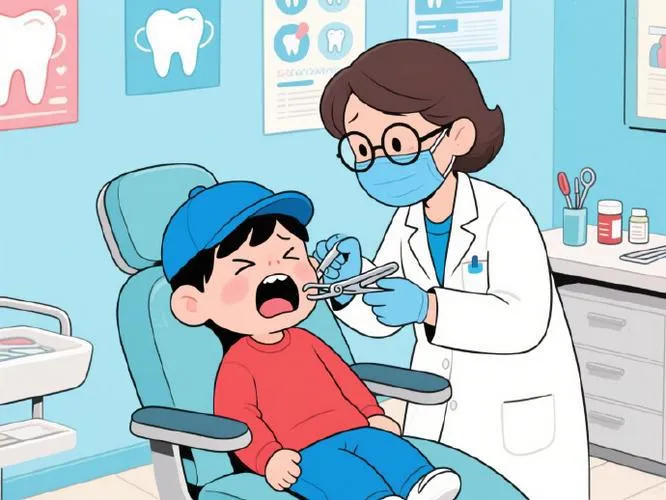
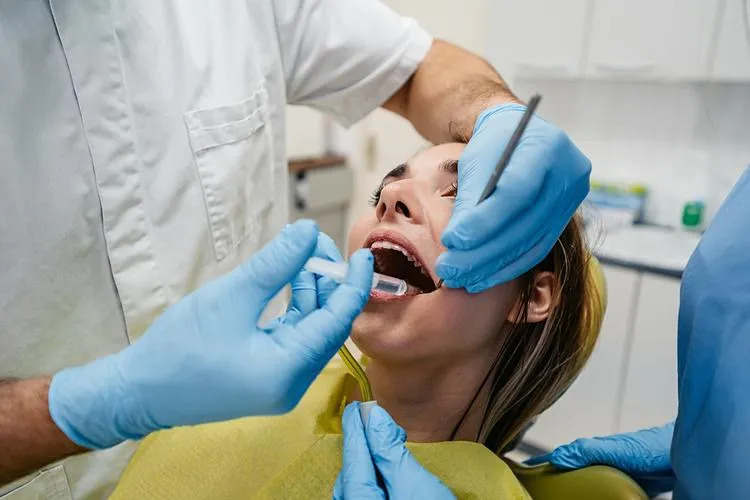
Pediatric dentistry in Thailand is child-friendly. Many clinics use the “tell-show-do” approach—explaining and demonstrating before any procedure—so kids feel comfortable. At a typical visit in Bangkok, Chiang Mai, Phuket, or your local community dental clinic, you can expect:
- Gum and tooth check-up: The dentist or dental nurse checks for plaque around gums, signs of gingivitis, and how teeth and jaws are developing.
- Gentle cleaning: Removing plaque and tartar to calm inflamed gums.
- Fluoride varnish: A quick, protective application to strengthen teeth, which also supports gum health by reducing plaque build-up.
- Sealants for molars: Though mainly for cavities, sealants help by creating smoother surfaces th
at are easier to clean near the gums.
- Home-care coaching: Tailored tips for your child’s brushing and diet, using simple Thai and English explanations if needed.
Many public hospitals and community clinics offer children’s dental services, sometimes under government schemes. Private pediatric dentists in major cities may provide additional options like nitrous oxide (laughing gas) for anxious kids and Saturday appointments. Booking via phone or LINE is common in Thailand, and some clinics send reminders before your child’s visit.
Diet and habits for happier gums
- Time, not just amount: Frequent snacking is harder on gums than a treat eaten at once with a meal. Keep snacks to set times.
- Choose water: For school and play, plain water is best. Encourage refilling the bottle instead of buying sweet drinks.
- Sugarless gum with xylitol: For older kids who can chew safely, xylitol gum after meals can help neutralize plaque acids.
- Watch habits: Thumb sucking or prolonged use of pacifiers can affect gum and tooth position. Your pediatric dentist can guide gentle weaning strategies.
- Manage mouth breathing: If your child sleeps with an open mouth or snores, speak with your dentist or pediatrician; improving nasal breathing can reduce gum dryness and irritation.
Red flags parents should watch for
- Gums that bleed easily when brushing or flossing
- Persistent bad breath not linked to strong-smelling foods
- Swollen, bright red, or tender gums
- Receding gums or teeth that look “longer”
- Ulcers that do not heal within two weeks
- Swelling of the face or gums with fever—seek care promptly
When to start and how often to go
Bring your child for a dental check-up by their first birthday or when the first tooth appears. Regular visits every 6 months are ideal, though your dentist may suggest more frequent cleans if gum inflammation is present. Before big festive seasons like Songkran or year-end holidays—when sweets and late nights are common—consider a preventive visit so gums are in top shape.
Choosing the right pediatric dentist in Thailand
- Training and experience: Look for a dentist with pediatric experience or a specialist in pediatric dentistry.
- Communication and comfort: A team that explains clearly in Thai or English and makes your child feel at ease is invaluable.
- Location and access: Short travel time helps, especially in Bangkok traffic. Parking, BTS/MRT access, or proximity to home or school can make regular visits easier.
- Facilities and policy: Child-friendly spaces, behavior management options, and clear fees and appointment policies (including Saturday slots) help families plan.
- Reviews and referrals: Ask your school community, parenting groups, or your pediatrician for recommendations.
A gentle, consistent routine goes a long way
Caring for children’s gum health doesn’t need to feel complicated. With two good brushings a day, daily flossing once teeth touch, smart snack choices, and regular check-ups at a kids’ dentist in Thailand, most gum problems can be prevented or turned around quickly. Encourage your child with small praises, make brushing time part of the morning and bedtime routine, and keep dental visits positive.
Thailand’s pediatric dentistry community is warm, skilled, and ready to support your family. By paying attention to gum health now, you help protect your child’s smile, confidence, and overall wellbeing for years to come—truly something to smile about.