Thailand Pediatric Dentistry Services for Emergency Dental Care
Thailand Pediatric Dentistry Services for Emergency Dental Care
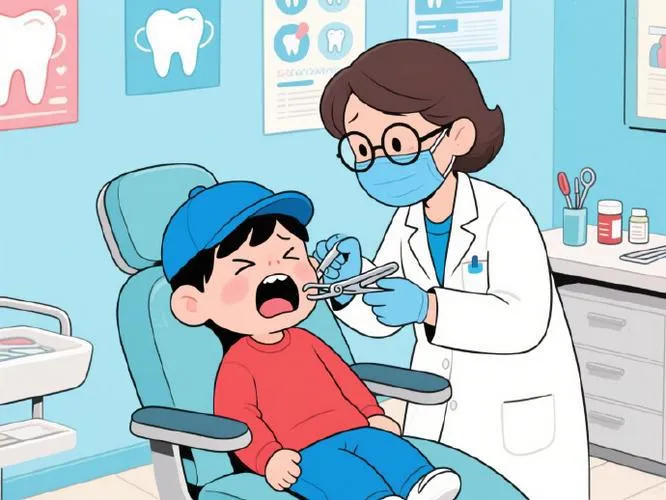
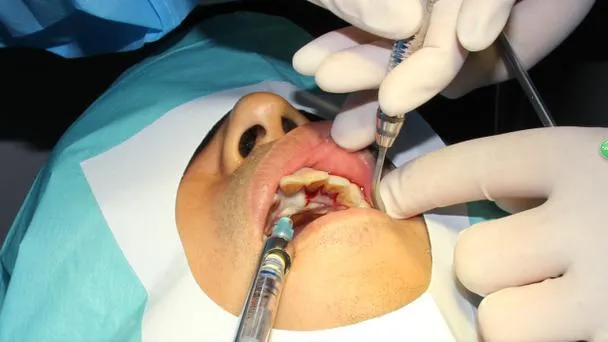
When a child wakes up with a severe toothache or has a fall at school, parents in Thailand need fast, reliable help. Thailand’s pediatric dentistry services are well set up for emergency dental care, with options in private clinics, hospital dental departments, and university dental schools. Whether you are in Bangkok near the BTS, in Chiang Mai’s old town, or holidaying in Phuket, you can find an English-speaking pediatric dentist to handle urgent situations with care and efficiency.
What counts as a pediatric dental emergency
Not every chipped tooth needs midnight treatment, but some problems should be seen right away. Common emergencies include:
- Severe toothache that keeps your child from sleeping or eating
- Knocked-out permanent tooth
- Broken or displaced tooth after a fall or sports accident
- Facial swelling, fever, or a gum abscess
- Uncontrolled bleeding after trauma
- Dental trauma involving the lips, tongue, or cheek that may need stitches
- Orthodontic emergencies (poking wire, loose bracket causing wounds)
Quick actions at home can make a big difference:
- Knocked-out permanent tooth: Hold the tooth by the crown (not the root), gently rinse if dirty, and if possible place it back in the socket and have your child bite on gauze. If you cannot replant, keep it moist in milk, saline, or your child’s saliva and go to a dentist immediately. Time matters—ideally within 60 minutes.
- Knocked-out baby tooth: Do not reinsert. See a pediatric dentist to check surrounding teeth and soft tissue.
- Chipped tooth: Keep any broken fragment in milk if available. Apply a cold compress for swelling.
- Toothache: Rinse with warm salt water. For pain control, paracetamol is commonly used in Thailand; avoid aspirin in children. Do not place clove oil or heat packs directly on the face.
- Bleeding: Apply gentle pressure with clean gauze. If bleeding does not stop within 10–15 minutes, head to the clinic or hospital.
How emergency pediatric dentistry works in Thailand
- Private pediatric dental clinics: Many clinics in Bangkok (Sukhumvit, Thonglor, Ari, Sathorn), Chiang Mai, Pattaya, and Phuket offer same-day emergency slots. Some have after-hours on-call numbers or Line OA for quick booking. These clinics are family-friendly, with child-focused rooms, cartoons, and behavior guidance.
- Hospital dental departments: Private hospitals and larger government hospitals have dental centers with pediatric specialists, X-rays, sedation facilities, and emergency nurses. These are good for complex trauma or when swelling and fever are present.
- University dental schools: Chulalongkorn and Mahidol in Bangkok, and regional dental faculties, run emergency clinics with experienced pediatric dentists and residents. They are reliable for complex cases and may be more budget-friendly, though waiting times can be longer.
What to do before you arrive
- Call or send a Line message to the clinic to describe symptoms and get a same-day appointment or queue number.
- Bring your child’s ID or passport, medical history, allergy list, and any insurance card.
- Keep the tooth or fragments moist in milk or saline.
- Use a cold compress to reduce facial swelling; keep your child upright and calm.
- If your child has a fever, difficulty swallowing, or swelling spreading to the eye or neck, go straight to a hospital with a dental department or ER.
Treatment options you can expect
Pediatric
dentists in Thailand follow international protocols with a gentle approach:
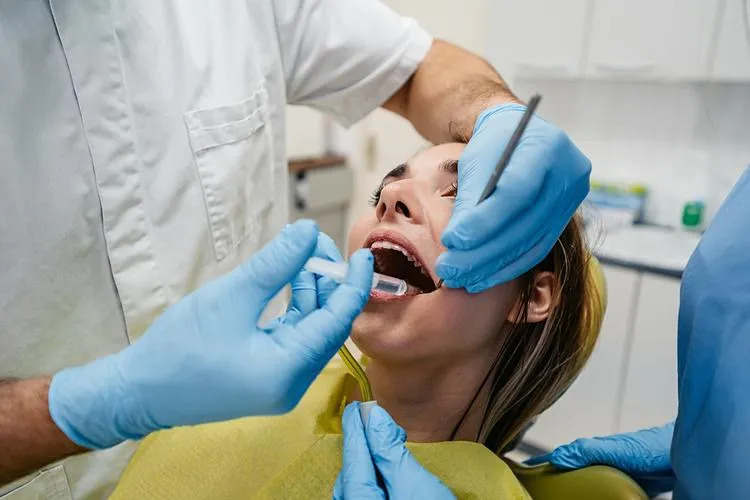
- Examination and dental X-rays to assess the extent of injury or decay
- Pulp therapy (pulpotomy or pulpectomy) for infected baby teeth causing pain
- Stainless steel crowns for cracked or heavily decayed baby molars
- Composite bonding for chipped front teeth
- Reimplantation and splinting for suitable permanent teeth that were knocked out or displaced
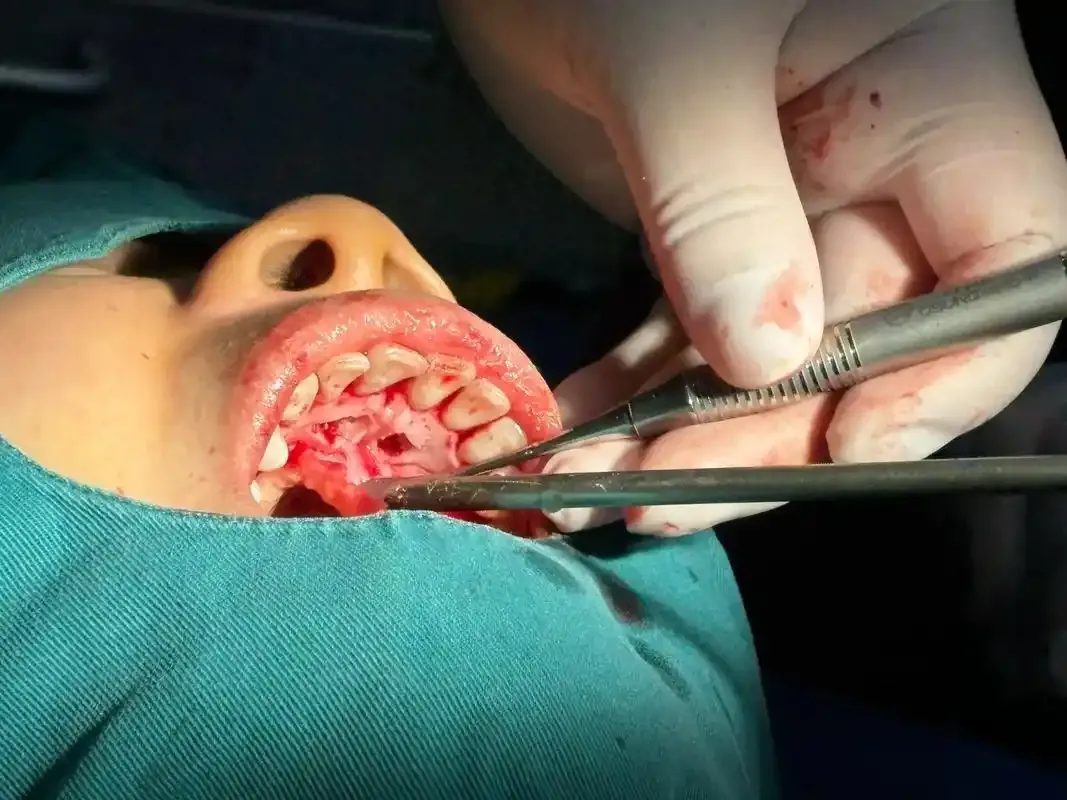
- Drainage of abscesses and wound suturing for soft tissue injuries
- Pain control and antibiotics only when infection is present; not every toothache needs antibiotics
For anxious children, many clinics offer nitrous oxide (laughing gas) or oral sedation. More complex cases or very young children might be treated under general anesthesia in a hospital setting, coordinated by a pediatric dentist and anesthesiologist.
Costs and payment in Thailand
Fees vary by city and clinic type, but these ballparks can help you plan:
- Emergency consultation: 500–1,500 THB
- X-ray: 300–800 THB
- Pulpotomy/pulpectomy for baby tooth: 2,500–5,000 THB
- Stainless steel crown: 3,500–7,000 THB
- Composite bonding for fractured tooth: 1,500–4,000 THB
- Reimplantation and splinting of a permanent tooth: 5,000–12,000 THB (excluding follow-ups)
- Wound suturing: 1,500–3,000 THB
Hospital-based sedation or general anesthesia will add facility and anesthesia fees.
Most clinics accept cash, major credit cards, and PromptPay. Private medical insurance or international plans may reimburse emergency dental treatment; check your policy. Thai citizens using government hospitals may have partial coverage under UC or Social Security, but private clinic fees are typically out-of-pocket.
Access and language support
In Bangkok, many pediatric clinics are near BTS/MRT stations with easy parking in popular sois. Chiang Mai, Khon Kaen, Hat Yai, Phuket, and Pattaya also have child-friendly clinics and hospital dental centers. English-speaking staff are common in urban areas and tourist zones. For faster service, contact the clinic via phone or Line during working hours; for after-hours, look for clinics with a 24-hour hotline or head to a hospital ER that can call a pediatric dentist on duty.
Prevention to reduce future emergencies
- Use a custom or boil-and-bite mouthguard for football, basketball, Muay Thai, and skateboarding.
- Brush twice daily with fluoride toothpaste; supervise brushing up to at least age 7–8.
- Ask your dentist about fluoride varnish and sealants for cavity prevention.
- Keep sugary snacks and iced drinks to mealtimes; avoid chewing ice (habits like chewing ice can crack teeth).
- Have regular check-ups every six months, or as advised by your dentist, especially if your child is cavity-prone or wears braces.
A parent-friendly game plan
Save contact details for a nearby pediatric dentist and the closest hospital dental department in your phone. Keep a small “dental first-aid” note on your fridge: milk or saline for a knocked-out tooth, paracetamol dosing guidance from your pediatrician, and your child’s allergy list. If something happens, contact the clinic, explain the situation, and head in. With Thailand’s well-trained pediatric dentists, modern equipment, and accessible locations, most dental emergencies can be handled quickly, gently, and safely—turning a stressful moment into a well-managed experience for your child and peace of mind for you.