Thailand Pediatric Dentistry Clinics Offering Reliable Preventive Treatments
Thailand Pediatric Dentistry Clinics Offering Reliable Preventive Treatments
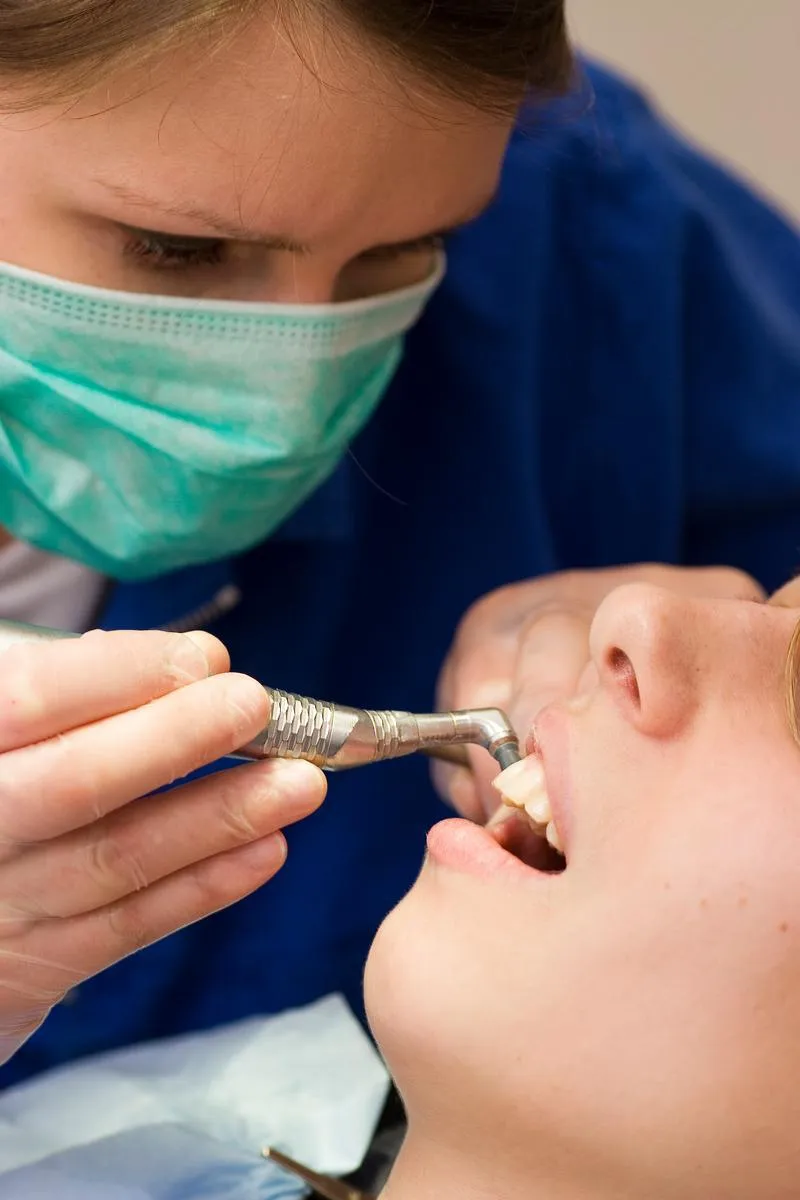
Looking after a child’s smile in Thailand is easier than ever. Across Bangkok, Chiang Mai, Phuket, and many provincial cities, pediatric dentistry clinics are putting prevention first with care that is reliable, gentle, and designed around busy family life. Whether your little one still has milk teeth or is heading into the teen years, these clinics focus on stopping problems before they start, so you spend less time dealing with toothaches and more time enjoying weekends and school holidays.
What “reliable preventive treatments” really means
In the Thai context, reliability shows up in a few clear ways: consistent, evidence-based care; child-friendly communication; and predictable follow-up. At a good kids’ dental clinic, you can expect proper sterilization protocols, board-certified pedodontists or dentists with extra training in children’s care, and plans that prioritise prevention over drilling. Many clinics also offer bilingual explanations (Thai and English), transparent pricing, and helpful reminders via LINE, which is convenient for parents to manage appointments between school runs and after-school activities.
Core preventive services you’ll commonly find
Most Thailand pediatric dentistry clinics offer a similar set of preventive treatments, tailored to each child’s age and risk level:
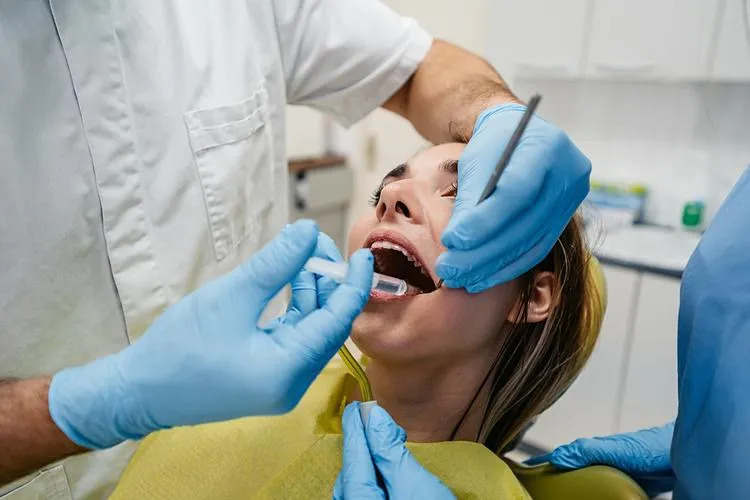
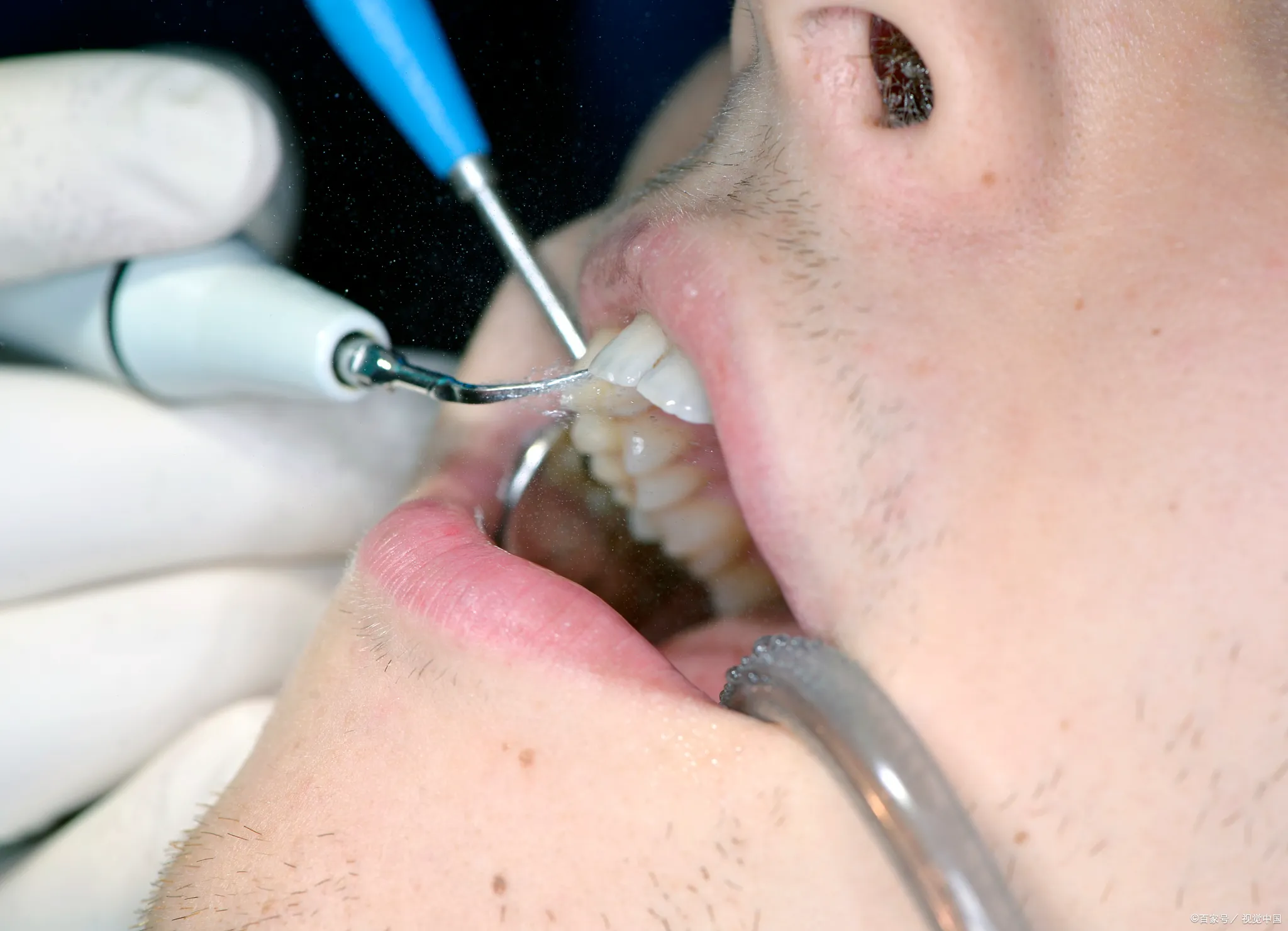
- Routine check-ups and gentle cleanings: These visits help catch small issues early and remove plaque that brushing misses. Kids often get a “tell-show-do” approach so they feel relaxed.
- Fluoride varnish: A quick, safe application that strengthens enamel and lowers the chance of tooth decay—especially useful for kids who love sweet snacks or iced milk tea.
- Pit and fissure sealants: A thin protective coating for the deep grooves in molars, ideal soon after those permanent back teeth erupt.
- Low-radiation dental X-rays when needed: Digital systems keep exposure minimal while helping dentists spot cavities between teeth.
- Growth and bite assessments: Early checks can flag crowding or crossbites. Clinics may recommend simple interceptive measures or a later orthodontic review.
- Space maintainers for early tooth loss: If a baby molar is lost too soon, a space maintainer keeps room for the adult tooth, preventing more complex work later.
- Habit and diet counselling: Guidance to ease thumb sucking, reduce bedtime bottles, manage sports drinks, and build a tooth-friendly snack routine.
- Sports mouthguards: Custom guards protect teeth for kids playing football, Muay Thai, or skateboarding.
Child-friendly by design
Thai pediatric dentistry clinics know that positive first experiences shape lifelong habits. Spaces are often bright and cosy, with a kids’ corner, cartoons on the ceiling TV, and small rewards after a visit. Many clinics welcome parents chairside so children feel secure. For those who are very anxious or have special healthcare needs, clinics may offer nitrous oxide (laughing gas) or other behaviour management options, with clear safety protocols and informed consent. Appointments commonly run on time, and parents can book ahead for after-school slots or Saturday mornings to avoid clashing with tuition or sports.
Local convenience that makes a difference
- Easy booking and reminders: Most clinics accept bookings via LINE Official Account, Facebook Messenger, or a quick call. Automated reminders keep your family on schedule.
- Location and access: In Bangkok, you’ll find options near BTS and MRT stations, as well as clinics tucked inside sois with on-site parking. In other cities, clinics are usually near schools or malls.
- Flexible hours: Extended hours during school term breaks and extra slots befo
re public holidays are common.
- Payment and promotions: Clinics typically accept cash, QR, and credit cards. Ask about packages for check-up plus fluoride varnish or a family bundle if bringing siblings. Some clinics can issue receipts for employer insurance claims.
How to choose a reliable clinic
With many choices, a few checks will help you shortlist the right place for your child:
- Training and credentials: Look for dentists with pediatric dentistry credentials or membership in the Thai Dental Council and relevant associations. Some display “Diplomate” or board certification.
- Sterilization standards: Ask about instrument sterilisation (autoclave, sealed pouches) and surface disinfection between patients.
- Clear communication: You should receive a written plan in Thai or English, including preventive options and costs. No pressure selling is a good sign.
- Gentle approach: Clinics that use tell-show-do, allow parent presence, and have calm, patient staff tend to deliver better experiences.
- Emergency policy: Check how the clinic handles dental injuries or toothaches outside normal hours, especially during school trips or holidays.
- Parent reviews: Look for consistent comments about cleanliness, punctuality, friendly staff, and how well the clinic handles anxious kids.
Why prevention pays off in Thailand
Cavities are common in young children here due to frequent snacking, sweet drinks, and sticky treats. The climate and busy schedules make on-the-go eating normal, which can increase risk if brushing slips. Reliable preventive care reduces the chance of toothache during exam weeks or family travel, and it usually costs far less than fillings or crowns later on. Starting early—ideally when the first teeth appear or by the first birthday—helps kids accept the clinic as a normal part of life. From there, six-monthly check-ups, age-appropriate fluoride, and sealants on newly erupted molars create a strong defence.
Home habits to pair with clinic care
Strong preventive programs work best with simple routines at home:
- Brush twice daily with fluoride toothpaste, using a smear for toddlers and a pea-sized amount from around age three. Parents should assist until at least age seven to ensure all surfaces are clean.
- Floss where teeth touch, especially once molars come in.
- Offer water between meals and keep sweets for mealtimes. Rinse with water after sweet or sour snacks.
- Avoid bottles at bedtime; if needed, switch to water only.
- Encourage mouthguard use for contact sports.
- Keep a small dental kit in the school bag—soft brush and travel paste—to freshen up after lunch if possible.
Government hospitals vs private clinics
Thailand’s government hospitals and university dental schools provide pediatric care at affordable fees, though the queue can be longer and appointments may be limited to weekdays. Private pediatric clinics tend to offer shorter waiting times, more flexible hours, and extra comforts that help kids cooperate. Many families mix both—routine checks at a nearby private clinic, with referrals to hospital settings for complex cases.
The bottom line
Thailand’s pediatric dentistry clinics are well-equipped to deliver reliable preventive treatments that keep children’s teeth strong and smiles confident. With friendly teams, modern materials like fluoride varnish and sealants, and scheduling that fits around school and activities, prevention becomes easy to maintain. Booking a routine check-up during a school term break or right after new molars erupt is a smart step. Start early, keep visits regular, and pair clinic care with simple home habits—your child’s future smile will thank you.