Thailand Pediatric Dentistry Clinics Offering Regular Oral Health Monitoring
Thailand Pediatric Dentistry Clinics Offering Regular Oral Health Monitoring
If you’re raising kids in Thailand, you already know how much sugar sneaks into everyday life—after-school bubble tea, iced milk drinks, and festival treats. That’s why Thailand’s pediatric dentistry clinics put a big focus on regular oral health monitoring. It’s not just a quick polish and goodbye. These check-ups help spot early signs of trouble, guide jaw and tooth development, and build healthy habits that suit our local lifestyle. Whether you’re in Bangkok near the BTS, in Chiang Mai’s old town, or by the beaches in Phuket, clinics here are set up to make children’s dentistry friendly, efficient, and evidence-based.
What regular oral health monitoring looks like in Thailand
- Six-monthly check-ups: Most clinics recommend a visit every six months, sooner if your child is high-risk for decay. At each visit, the dentist checks teeth, gums, tongue, and bite, and tracks growth with notes or photos.
- Gentle clean and fluoride: A scale and polish removes plaque that brushing misses. Fluoride varnish is commonly applied to strengthen enamel—very useful when kids love sweet drinks (nam soda) or sticky snacks.
- Sealants for molars: Many clinics offer fissure sealants on new permanent molars to prevent decay. In Thailand this is a standard preventive step, especially before school exams or term breaks.
- Monitoring jaw and bite: Pediatric dentists keep an eye on spacing, crossbite, and crowding. If needed, they’ll time referrals to orthodontics so your child gets help at the right growth stage, not too early or too late.
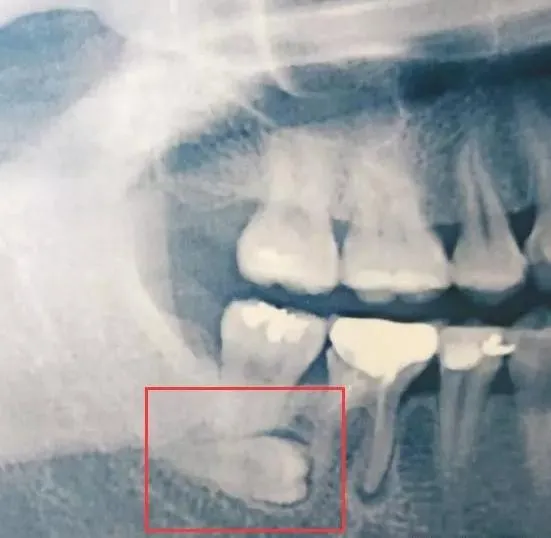
- Low-radiation X-rays when indicated: Digital X-rays are widely used under the ALARA principle (as low as reasonably achievable). This helps detect cavities between teeth and check erupting molars.
- Caries risk assessment: You’ll get a clear idea of your child’s risk level based on diet, brushing habits, and past decay. Advice is tailored to Thai routines—like managing sweet drinks after school and rinsing habits.
Why choose a pediatric dentistry clinic (pedo clinic) in Thailand
- Child-friendly approach: Clinics are designed with play corners, cartoons on the ceiling, and “tell–show–do” techniques that reduce fear. Many dentists and staff speak both Thai and English, which helps mixed families feel at home.
- Behavior guidance and sedation options: For anxious kiddos or special needs, clinics may offer nitrous oxide (happy air) or hospital-based care. Ask about protocols and pediatric-trained teams.
- Evidence-based care: Board-certified pediatric dentists registered with the Thai Dental Council provide care aligned with international guidelines. Many clinics also use rubber dam isolation and cavity management techniques designed for little mouths.
- Special needs care: Larger hospital clinics in Bangkok, Khon Kaen, or Songkhla often have specialists and facilities for children who need extra support.
Convenience tailored to families in Thailand
- Easy booking on LINE: Many clinics manage appointments via their LINE Official Account. You can send a quick chat, share photos, and get reminders without a phone call.
- Weekend and after-school hours: To avoid missing class time, pediatric clinics often open on Saturdays and some evenings. During school holidays (Songkran, mid-year, New Year), clinics run extra slots—book early to avoid the queue.
- BTS/MRT access and parking: Bangkok clinics highlight p
roximity to BTS/MRT stations or have on-site parking. In the provinces, look for clinics near your soi or moobaan for a short commute.
- Payment options: PromptPay, QR, credit card, and insurance receipts are common. International clinics can issue English receipts for insurers or school requirements.
- Public and private choices: University hospitals and government hospitals have pediatric departments with affordable fees under the universal coverage (“gold card”) scheme. Private clinics offer shorter waiting times and more flexible scheduling.
How to choose the right pediatric dentistry clinic
- Check credentials: Look for a pediatric dentist (often marked as pedodontist) registered with the Thai Dental Council. Many clinics display certificates in reception.
- Ask about prevention packages: Clinics may offer packages that include check-up, cleaning, fluoride, and sealants at a set fee—good value for regular monitoring.
- Review sterilization and safety: Autoclave use, spore testing, and clear infection control measures should be standard. For X-rays, confirm digital systems and ALARA policy.
- Read real reviews: Google Maps reviews in English and Thai can tell you about waiting times, how staff handle nervous kids, and overall service.
- Communication style: Choose a clinic where the dentist explains with photos or charts, and gives a written plan you can follow at home.
Home habits that match Thai routines
- Brush twice daily with fluoride toothpaste (1,000–1,450 ppm): For children 3–6 years, use a pea-sized amount; for under 3s, a smear. Spit, don’t rinse—this keeps fluoride working longer.
- Mind sugary drinks: Keep bubble tea, sweet milk, and soda to mealtimes, not sips throughout the day. Rinse with water after sweets; avoid sleeping with milk bottles.
- Floss where teeth touch: As soon as teeth contact, floss nightly. Your dentist can show an easy technique at the next check-up.
- Use school breaks wisely: Book check-ups during mid-year break, after Songkran, or before term starts, when clinics run promos and hours are flexible.
- Bring a “dental go-bag”: Pack your child’s health booklet, any school dental forms, and previous X-rays or photos for a smoother visit.
When to visit sooner than six months
- Toothache or sensitivity to cold/sweet
- White chalky spots near the gumline (early decay)
- Mouth breathing, snoring, or frequent jaw pain
- Teeth grinding at night
- Ulcers that don’t heal within two weeks
- Trauma from sports or playground falls
What you can expect at the visit
- Warm welcome and quick registration—often with a queue number
- Short chat about diet and brushing habits, including favourite snacks
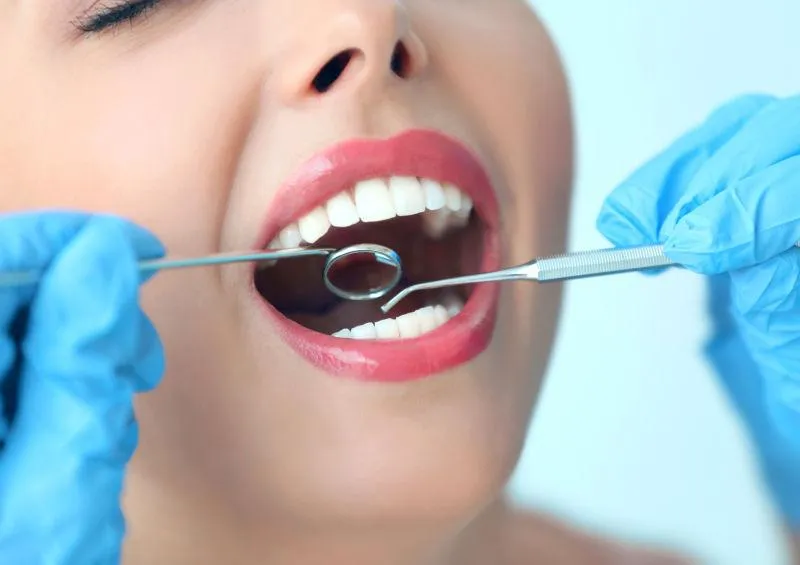
- Gentle exam with a mirror and small camera; photos sent to your LINE
- Clear plan: today’s cleaning/fluoride, future sealants, and any fillings if needed
- Take-home advice card with tips in English and Thai
The bottom line
Regular oral health monitoring at Thailand’s pediatric dentistry clinics isn’t a box-ticking exercise—it’s a partnership that fits how families live here. With bilingual teams, LINE-friendly bookings, weekend hours, and prevention-focused care, it’s easy to keep your child’s smile on track. Book a routine check-up at a clinic near your BTS/MRT stop or your neighbourhood soi, and let the experts guide your child from baby teeth to braces and beyond with comfort and confidence.