Thailand Pediatric Dentistry Care for Growing Childrens Teeth

Thailand Pediatric Dentistry Care for Growing Childrens Teeth
Raising kids in Thailand comes with plenty of smiles, and keeping those smiles healthy is easier when you understand how children’s teeth grow and what local dental care can offer. Whether your family is in Bangkok, Chiang Mai, Phuket, or a smaller town, pediatric dentistry here focuses on gentle prevention, early detection, and making visits fun so your child builds lifelong oral health habits.
When to start and what to expect
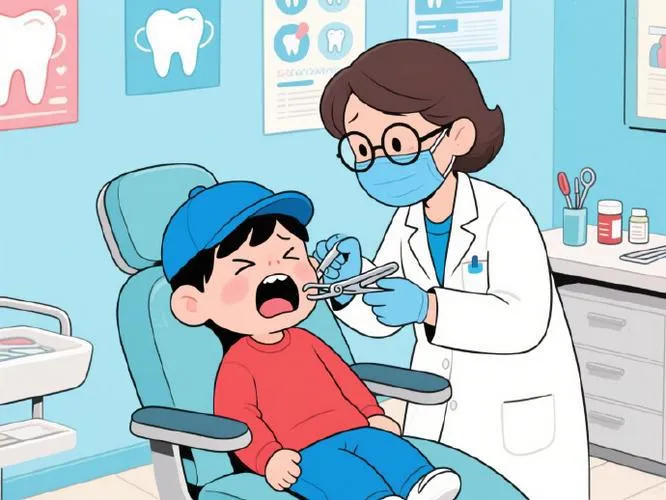
A good rule of thumb is “first tooth or first birthday, whichever comes first.” Early visits are short and reassuring. A pediatric dentist will check how the teeth are erupting, look for early signs of decay, and guide you on brushing, diet, and habits like thumb sucking. Many clinics in Thailand design the environment for kids—bright colours, cartoons on the ceiling, and small instruments—so even toddlers feel at ease. If your child is nervous, ask about behaviour guidance methods or nitrous oxide (laughing gas), which many pediatric clinics in major cities offer for extra comfort.
Daily home care that works in Thailand
Because most families here drink bottled or filtered water, children don’t get much fluoride from water. That makes fluoride toothpaste and professional fluoride varnish especially important.
- Under 3 years: Brush twice a day with a smear of fluoride toothpaste (about a grain of rice). A soft, small-headed brush is best.
- Ages 3–6: Use a pea-sized amount of fluoride toothpaste. Teach spitting out but no rinsing with lots of water (so the fluoride can keep working).
- 7 and up: Supervise until your child shows good technique. Introduce floss where teeth touch.
Try a “knee-to-knee” position for toddlers: the child’s head in your lap so you can see and brush properly. At night, avoid sending little ones to bed with milk or sweet drinks; if they need a bottle, plain water is safest.
Thai-friendly diet tips
Thailand’s cuisine is delicious, but sugar sneaks in more than we realise. Frequent sipping or snacking keeps teeth under constant acid attack. Aim to keep sweets to mealtimes and offer water in between.
Watch out for:
- Sweet drinks like Thai milk tea, bubble tea, sweetened soy milk, and fruit juices
- Sticky snacks such as roti with condensed milk, khanom, dried fruit, and chewy candies
- Frequent grazing, even on savoury snacks that may have hidden sugars
Better choices:
- Plain water as the main drink (carry a bottle in the car or school bag)
- Fresh fruit with meals rather than as a constant snack
- Dairy (milk, cheese, yoghurt without added sugar) for tooth-friendly calcium
- Nuts, eggs, and veg for balanced nutrition
Festival seasons like Songkran and Loy Krathong often come with treats; enjoy them, but be mindful of frequency and do a thorough brush before bedtime.
Preventive care available in Thailand
Pediatric dentists here focus on prevention because it’s kinder, cheaper, and more effective.
- Fluoride varnish: A quick, paint-on fluoride that strengthens enamel and helps prevent early cavities. It’s safe for toddlers and school-age children.
- Fissure sealants: A protective coating applied to the deep grooves on new permanent molars (usually erupt around age 6 and 12). Sealants stop food and bacteria getting stuck where a brush can’t reach.
- Regular check-ups: Every six months is typical, but your dentist may suggest three to four months if your child is at higher risk.
Habits and growth: what to keep an eye on
- Teething discomfort: A chilled teether and gentle gum massage can soothe. Avoid medicated gels unless you
r dentist advises.
- Thumb sucking and dummies: Most children stop naturally by age 3–4. If the habit persists and affects bite or speech, ask your pediatric dentist about positive habit-breaking techniques.
- Mouth breathing and snoring: These can affect facial growth and tooth alignment. Raise concerns during check-ups for early guidance.
- Sports and play: For football, basketball, skateboarding, or Muay Thai classes, a custom mouthguard from your dentist offers far better protection than generic store-bought ones.
Orthodontic timing
The ideal time for a first orthodontic assessment is around age 7, when the first adult molars and some front teeth have arrived. Early interceptive treatments—like simple expanders or habit appliances—can guide jaw development and may reduce the need for complex braces later. If braces are needed in the teenage years, Thailand has many specialists offering metal, ceramic, and aligner options.
Choosing a pediatric dentist in Thailand
Look for a clinic that:
- Has a dedicated pediatric dentist (check for training or Thai Board certification)
- Offers child-friendly behaviour management and pain control options
- Communicates clearly in your preferred language (many clinics in Bangkok, Pattaya, Phuket, and Chiang Mai have bilingual staff)
- Is convenient to reach—near BTS/MRT in Bangkok or with easy parking—so appointments are less stressful
- Provides transparent treatment plans and receipts for insurance claims
Public hospitals and community clinics offer affordable care for Thai citizens under national schemes, especially for basic services. Private pediatric clinics provide shorter waiting times, more flexible appointment slots (including weekends), and specialised equipment for young children. If cost is a key consideration, discuss preventive packages; many clinics offer check-up bundles with cleaning, fluoride, and X-rays at set intervals.
Managing dental emergencies
Kids are active, and accidents happen. If a permanent tooth is knocked out, handle it by the crown (top), not the root. If dirty, gently rinse with saline or milk—do not scrub—then place it back in the socket if possible, or store it in cold milk and get to a dentist immediately. For baby teeth, do not reinsert; see a dentist to assess the area and protect the developing permanent tooth.
A simple checklist for busy parents
- Book the first dental visit by 12 months
- Brush twice daily with fluoride toothpaste, floss where teeth touch
- Keep sweets to mealtimes; water between meals
- Ask about fluoride varnish and sealants
- Schedule check-ups every six months, perhaps during school breaks
- Use a mouthguard for contact sports
- Seek early orthodontic evaluation around age 7
Making it fit your family’s routine
Bangkok traffic, school activities, and weekend trips can make it hard to prioritise dental care. Tie brushing to fixed moments—after pyjamas at night, after breakfast in the morning—and set reminders on your phone. Keep a travel toothbrush in the school bag for days with after-school clubs. Choose a clinic with appointment slots that suit your schedule; many Thai pediatric dentists accommodate evenings or Saturday mornings.
The bottom line
Pediatric dentistry in Thailand blends warm, family-centred care with modern prevention. Start early, keep visits regular, build strong daily habits, and choose a clinic that puts your child at ease. With the right support, your child can enjoy the best of Thailand’s food, fun, and festivals—without tooth troubles stealing the show.