Thailand Pediatric Dentistry Care for Healthy Smiles During Travel
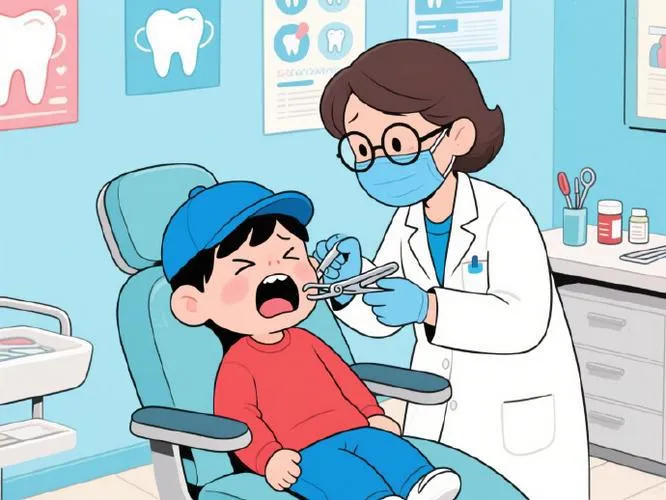
Thailand Pediatric Dentistry Care for Healthy Smiles During Travel
Travelling with children is full of adventure, and Thailand is one of the most family-friendly destinations in Asia. From Bangkok’s malls and aquariums to island beach days, there is plenty of sanuk (fun). To keep the trip smooth, it’s worth planning for your child’s dental care. Thailand offers high-quality pediatric dentistry with gentle care, reasonable pricing, and easy access in most tourist hubs. Here’s how to look after those little teeth while you explore the Land of Smiles.
Why choose pediatric dentistry in Thailand
- Skilled, child-focused dentists: Pediatric dentists in Thailand complete extra training to manage kids’ dental needs and behaviour. Many speak good English and are experienced with expat and tourist families.
- Modern clinics and hospitals: You’ll find clean, well-equipped facilities, from boutique dental clinics to international hospitals. Sterilisation protocols are strict, digital X‑rays are common, and some hospitals are JCI-accredited.
- Convenience and value: Appointments are generally easy to book, with clinics open late and on weekends, especially in city centres and malls. Fees are usually lower than in many Western countries.
Where to find care during your trip
- Bangkok: Plenty of pediatric dentists near BTS/MRT lines like Siam, Asok, and Phrom Phong. Many clinics are inside shopping centres, making it simple to combine a check-up with a day out.
- Phuket, Pattaya, Chiang Mai, Koh Samui: Tourist cities have reputable dental clinics and international hospitals with dental departments. In resort areas, clinics often cater to walk-ins and short-stay guests.
- Booking made easy: Most places accept calls, email, Facebook Messenger, LINE, or WhatsApp. Kindly send your child’s age, concern, and preferred time. Bringing your passport is standard for registration.
What services to expect for kids
- Check-ups and cleaning: Gentle scale and polish, oral hygiene coaching, and dietary tips tailored to your itinerary (think beach snacks and hotel breakfasts).
- Preventive care: Fluoride varnish to strengthen enamel and fissure sealants for molars are commonly offered, quick, and child-friendly.
- Restorative care: Tooth-coloured fillings, stainless steel crowns for baby molars when needed, and space maintainers if a baby tooth is lost early.
- Orthodontic checks: Basic bite assessments; if you’re staying longer, you can plan follow-ups, but most short trips focus on preventive and urgent care.
- Behaviour management and sedation: For anxious kids, many clinics offer tell-show-do methods, distraction, and nitrous oxide (laughing gas). For more complex needs, hospitals can provide treatment under general anaesthesia in a controlled setting.
- Emergency care: Dental trauma (a fall at the pool, a chipped tooth) is managed efficiently. Larger hospitals usually have on-call dental support after hours.
Smart packing and daily habits while on holiday
- Bring your own brushes and fluoride toothpaste. For kids 3+, a pea-sized amount of 1,000–1,450 ppm fluoride toothpaste is typical; under 3 years, use a smear and monitor brushing. If unsure, ask a Thai pediatric dentist for dosage advice.
- Stick to two brushes a day, especially at night. Busy days and jet lag can make routines slip, so set a reminder on your phone.
- Watch sugar frequency, not just quantity. Resort buffets and convenience stores make it easy to snack. Offer fruit, yogurt, cheese, or nuts (if age-appropriate) instead of constant sweets.
- Choose water over sugary drinks. Bottled water is easy to find; tap water is generally not recommended for drinking. Use a straw for juices or smoothies to reduce contact with teeth.
- For older kids, sugar-f
ree gum with xylitol after meals can help when you can’t brush.
If a dental emergency happens
- Toothache: Rinse with warm water to clean the area. Check for food stuck between teeth and gently floss. You can give paracetamol or ibuprofen according to your child’s weight, but avoid aspirin. Book a pediatric dentist as soon as possible.
- Chipped or broken tooth: Save any fragments and keep them moist. See a dentist promptly to prevent sensitivity or infection.
- Knocked-out baby tooth: Do not attempt to reinsert; visit a dentist to assess the area and protect the developing permanent tooth.
- Knocked-out permanent tooth (usually 6+ years): Time is critical.
1) Hold the tooth by the crown (not the root).
2) If dirty, gently rinse with saline or milk; do not scrub.
3) If the child is calm, try to reinsert into the socket and have them bite on gauze.
4) If you can’t reinsert, place the tooth in milk or saline and go to a dentist immediately (ideally within 60 minutes).
- Facial swelling or fever: Seek urgent care at a clinic or hospital. For general emergencies in Thailand, dial 1669.
Costs and payment basics
Fees vary by city and clinic, but as a ballpark for private care:
- Check-up and consultation: from around THB 500–1,500
- Cleaning and fluoride: from around THB 800–2,000
- Sealants (per tooth): from around THB 800–1,500
- Fillings (tooth-coloured): from around THB 1,200–3,000 depending on size
- Emergency exam: similar to a consultation; X-rays may be extra
- Sedation/general anaesthesia: hospital-based and quoted case by case
Most clinics accept cash, credit/debit cards, and QR PromptPay. International hospitals can help with documentation for insurance claims; some offer direct billing with certain insurers. It’s helpful to check your travel insurance for dental coverage limits and keep receipts and a medical certificate.
How to choose a clinic quickly and confidently
- Search with local-friendly terms like “pediatric dentist Bangkok” or “kids dental clinic near BTS.” Google Maps reviews can be quite reliable in Thailand.
- Look for evidence of pediatric focus (child-friendly décor, photos, mention of behaviour management and sealants).
- Confirm language support. Send a short message: “We are travelling with our 6-year-old, toothache since last night. Any slot today?” You’ll often receive a prompt, polite reply.
- Ask about estimated fees, time needed, and whether X-rays will be taken.
- Check proximity to your plans to avoid Bangkok traffic. Being near a BTS/MRT station saves time; in resort areas, Grab is convenient, but do allow for resort traffic.
- Prepare your child’s basic medical info: allergies, long-term medications, previous dental history, and any recent X-rays if you have them.
Friendly cultural notes to ease the visit
Thai healthcare teams are known for being gentle and respectful. Staff may address you as “Khun” (Mr./Ms.) and your dentist as “Doctor + first name.” Punctuality is appreciated, but clinics also try to accommodate walk-ins when there’s a queue. If your child is nervous, let the team know; they will kindly adjust the approach and may suggest a parent accompany the child during the exam.
A simple travel dental checklist
- Toothbrushes and fluoride toothpaste packed
- Night-time brushing routine planned
- Healthy snacks ready for day trips
- Contact details of a nearby pediatric dentist saved
- Travel insurance and payment cards on hand
With a little preparation and the support of Thailand’s pediatric dental professionals, your family can enjoy every bite of mango sticky rice and every poolside splash—no tooth troubles attached. Have a great holiday and keep those smiles bright.