Thailand Pediatric Dentistry Care for Childrens Everyday Oral Health
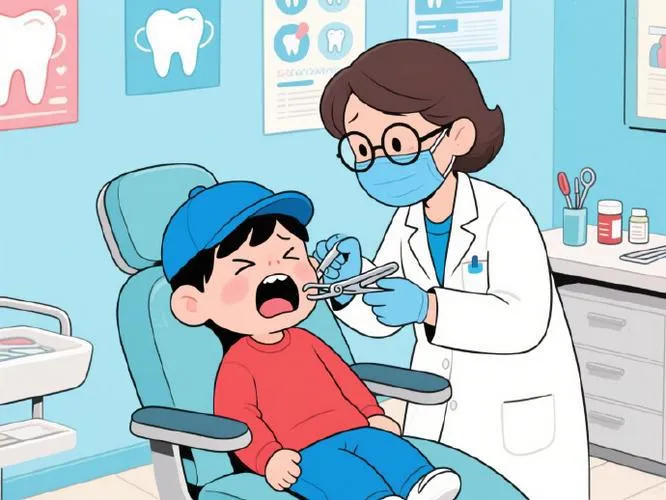
Thailand Pediatric Dentistry Care for Childrens Everyday Oral Health
Keeping your child’s smile healthy is a daily habit, not just a twice‑a‑year event. In Thailand, where warm weather, sweet snacks, and busy school schedules are part of life, a simple, consistent routine—and the right pediatric dentist—can make all the difference. Here’s a practical, Thailand‑friendly guide to children’s everyday oral health that feels easy to follow, whether you’re in Bangkok, Chiang Mai, Phuket, or a smaller town.
Start early: your child’s first dental home in Thailand
- First visit by age one. Pediatric dentistry in Thailand encourages a first check‑up when the first tooth appears, or by 12 months. This is mainly to guide parents on brushing, diet, and preventing early childhood caries.
- Choose a “dental home.” Many hospitals and private clinics have pediatric dentists (some are Thai Board‑certified) who focus on kids’ comfort. Look for a clinic that welcomes parents in the room, explains things clearly, and emphasises prevention over drilling.
- Public vs private. Government hospitals often offer affordable preventive care with more waiting time, while private clinics and international hospitals give shorter queues and child‑friendly play spaces. Fees vary by city and clinic; most display price lists, and you can call ahead.
Daily habits that fit Thai family life
- Brush twice a day, every day. Morning and, most importantly, night before bed. Use a small, soft brush. For ages 0–3, use a smear of fluoride toothpaste. For 3–6, a pea‑sized amount. Spit, don’t rinse—so the fluoride keeps working.
- Parents brush for kids. Until at least 7–8 years old, “mum or dad does the finishing brush” is the rule. In many Thai clinics, you’ll see “knee‑to‑knee” (lap‑to‑lap) brushing demonstrations—simple, effective, and easy to do at home.
- Mind the sweets culture. Thai kanom, sticky rice with mango, bubble tea, sweet soy milk, and packaged drinks are tasty but can feed cavity bacteria. Focus on frequency: keep sweets to mealtimes, not constant snacking. Choose water between meals.
- School routines. Pack a water bottle, encourage children to drink water after lunch, and if brushing at school isn’t practical, try a rinse with water. Limit “treats” bought during after‑school activities to once in a while.
- Night feeding. If your little one still wants milk before sleep, brush after the milk. Avoid sweetened condensed milk in bottles and don’t leave a bottle in bed. These small changes dramatically reduce early cavities.
Fluoride and fissure sealants: Thailand’s prevention toolkit
- Fluoride varnish. Many pediatric dentists in Thailand recommend fluoride varnish applications 2–4 times a year for high‑risk kids. It’s quick, safe, and strengthens enamel.
- Fissure sealants. When the first permanent molars erupt around age six, and again with second molars around 12, sealants shield the deep grooves where decay often starts. Ask your children’s dentist in Bangkok, Chiang Mai, or your local province clinic about sealant clinics and school programs.
- Toothpaste choice. Pick a children’s fluoride toothpaste. Check the label for appropriate fluoride content, and use the right amount for your child’s age.
What to expect at a pediatric dentist in Thailand
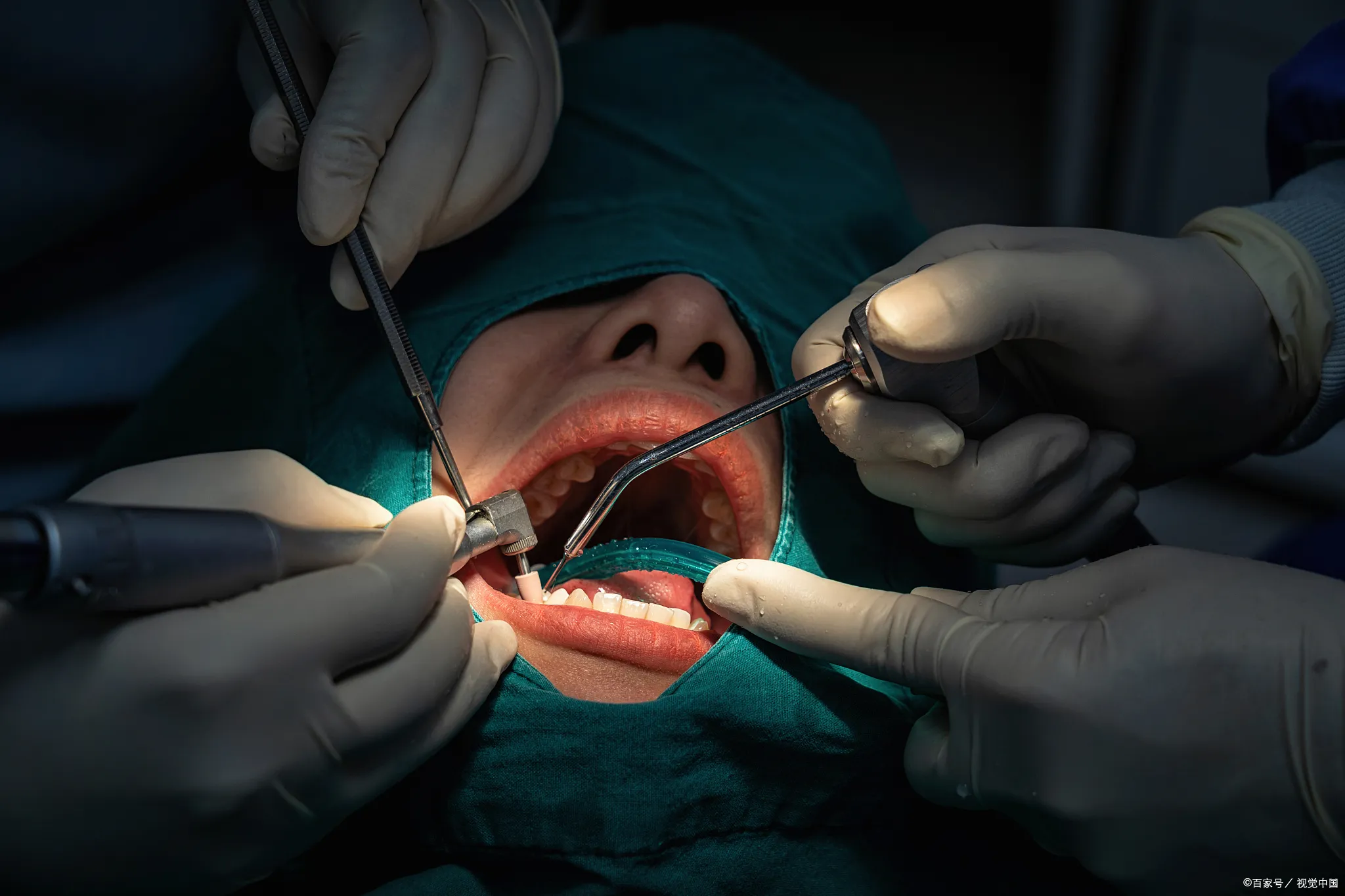
- Gentle, child‑centred care. Pediatric dentists here use tell‑show‑do, positive words, and small instruments. Many clinics have cartoon ceilings, toys, and TV screens to make visits fun.
- Communication in Thai and English. In bigger cities, you’ll often have bilingual staff. Don’t hesitate to ask for instructions you can follow at home—Thai dentists are used to
giving practical tips tailored to local diets and routines.
- Behaviour support and sedation options. When needed, nitrous oxide (laughing gas) is available in many urban clinics, and hospital settings can provide general anesthesia for complex cases. Treatment plans always prioritise prevention and child safety.
- Bring essentials. Your child’s health card or insurance information, a list of any allergies, and their usual comfort item—plus arrive a little early so your child can settle in.
Orthodontics and growth: planning ahead
- Monitoring from age 6–7. As permanent teeth come in, your pediatric dentist will check bite and spacing. Early habits like thumb‑sucking can be managed before they affect jaw growth.
- Interceptive orthodontics. In Thailand, some kids start simple expanders or partial braces around 7–9 if there’s crowding or crossbite. Full braces usually come later when adult teeth are in. Early checks help avoid bigger issues.
Managing common problems the Thai way
- White spot lesions. Early chalky areas near the gumline are a warning sign. Fluoride, improved brushing, and cutting snack frequency can reverse them. Your dentist may recommend varnish or professional cleaning.
- Sensitive molars. Some Thai kids have weaker enamel in first molars (molar–incisor hypomineralisation). These teeth need extra protection, possibly sealants, desensitising treatments, or stainless steel crowns in severe cases. Early diagnosis is key.
- Mouth ulcers and teething. Cool drinks, gentle brushing, and a soft diet help. If ulcers persist or your child has a fever, visit the clinic.
Dental emergencies: be prepared
- Knocked‑out permanent tooth. Handle by the crown, not the root. Rinse briefly with clean water if dirty, place in milk or saline, or back in the socket if your child can cooperate, and get to a dental clinic or hospital within an hour. Many large hospitals in Bangkok and provincial capitals have 24‑hour emergency services.
- Baby tooth knocked out. Do not replant. See a dentist to check for injury to the gums or adult tooth bud.
- Toothache or swelling. Don’t place aspirin on gums. Rinse with warm salt water and go to a clinic as soon as you can.
Choosing the right kids’ dental clinic in Thailand
- Look for a pediatric specialist (sometimes listed as a Diplomate of the Thai Board of Pediatric Dentistry).
- Ask about prevention plans: fluoride, sealants, dietary counselling.
- Check accessibility: near BTS/MRT in Bangkok, parking in suburban areas, and kid‑friendly hours (after school or Saturday).
- Read reviews from local parents and visit once for a no‑treatment “happy visit” to see how your child feels there.
Making it part of your family routine
- Put brushing on the family calendar—morning before school, and night before bed—just like homework and bath time.
- Book check‑ups during school holidays or term breaks, such as around Songkran, to avoid missing class and to make scheduling easier.
- Keep a small dental kit at home and for travel: child’s toothbrush, fluoride toothpaste, floss picks, and a small mirror for “tooth checks” that make kids feel proud.
Everyday oral health for Thai kids isn’t about perfection—it’s about steady, small habits that fit your lifestyle. With a friendly pediatric dentist in Thailand guiding you, a smart approach to sweets and drinks, and consistent brushing with fluoride, your child can enjoy kanom at family gatherings, smile in every school photo, and grow up cavity‑smart. That’s the real win: a healthy, happy smile that lasts from milk teeth to braces to adulthood.