Thailand Pediatric Dentistry Care for Preventing Tooth Decay

Thailand Pediatric Dentistry Care for Preventing Tooth Decay
Tooth decay is the most common chronic disease in children, and in Thailand it often starts earlier than many parents expect. Sweet snacks at school, cha yen (Thai iced tea), sticky desserts, and bedtime milk can easily create a perfect storm for cavities. The good news is that with the right habits at home and regular pediatric dentistry care in Thailand, tooth decay is largely preventable. Here’s a practical, down-to-earth guide for Thai mums and dads who want to protect their child’s smile.
Why tooth decay is common in Thai kids
- Frequent sugar hits: Many children sip sweet drinks throughout the day—milk tea, flavoured milk, Yakult, sweet soy milk, or juice. Constant sipping keeps sugar on the teeth and feeds cavity-causing bacteria.
- Sticky local favourites: Kanom, chewy gummies, dried fruits, roti with condensed milk, and mango sticky rice tend to cling to teeth, especially the deep grooves of molars.
- Bedtime bottles: Falling asleep with a bottle of milk or sweetened drink leads to early childhood caries, especially on the upper front teeth.
- Not enough fluoride exposure: While toothpaste provides fluoride, many families rinse it all away. Some bottled waters are low in fluoride, so toothpaste and professional fluoride treatments are even more important.
- Busy schedules: Between school, tuition, and after-school activities, brushing and dental check-ups can slip down the priority list.
When to start pediatric dental care
- First dental visit by age one or within six months of the first tooth. In Thailand, many pediatric dentistry clinics are happy to see babies and guide parents on feeding, brushing, and teething.
- Regular check-ups every six months. Children at higher risk may be advised to come more often.
- Choose a child-friendly practice. Look for pediatric dentists (they may list “Pedodontist” or “Pediatric Dentistry” on their profile) or clinics with a play area, gentle “tell-show-do” techniques, and staff experienced with kids.
Daily prevention at home
- Brush twice a day with fluoride toothpaste:
- Under 3 years: a rice-grain smear of fluoride toothpaste (about 1000 ppm).
- Ages 3–6: a pea-sized amount.
- 6+ years: continue with fluoride toothpaste (1000–1450 ppm).
- Supervise brushing until at least age 8–9 to ensure all surfaces are reached.
- Spit, don’t rinse. After brushing, have your child spit out the foam but avoid rinsing with water so fluoride stays on the teeth longer.
- Clean in-between teeth daily. If two teeth touch, start flossing once a day. For little ones, you can use floss picks and do it for them.
- Time sweets smartly. It’s not just how much sugar, but how often:
- Keep sweets and sweet drinks to mealtimes.
- Avoid grazing on sugary snacks between meals.
- Offer water between meals—plain water is best.
- Rethink drinks:
- Swap cha yen, soft drinks, and sweetened milk for water most of the time.
- If your child has a sweet drink, use a straw, have it with a meal, and rinse with water after.
- Ditch the bedtime bottle. Wean off bottles by 12–18 months. If your child needs a drink before bed, choose plain water. Milk, even unsweetened, can cause cavities if it sits on teeth overnight.
- Choose tooth-smart snacks. Fresh fruit, cheese, plain yoghurt, nuts (if age-appropriate), boiled eggs, and less-sticky treats are better choices. If your child loves kanom, keep it to after meals and brush soon after when possible.
- Mouthguards for sport. If your child plays football, basketball, or martial arts, a mouthguard helps prevent dental injuries that can lead to long-term issues.
What pediatric dentistry in Thailand can do
- Professional check-ups an
d cleaning: Regular visits catch small problems early, remove plaque and tartar, and reinforce good brushing technique.
- Fluoride varnish: A quick, painted-on fluoride that hardens on contact with saliva and strengthens enamel. For higher-risk kids, dentists may recommend varnish 2–4 times a year.
- Fissure sealants: A protective coating applied to the deep grooves of permanent molars (usually erupting around ages 6–7 and 11–13). Sealants block food and bacteria from hiding in hard-to-clean pits and fissures, sharply reducing cavities on those chewing surfaces.
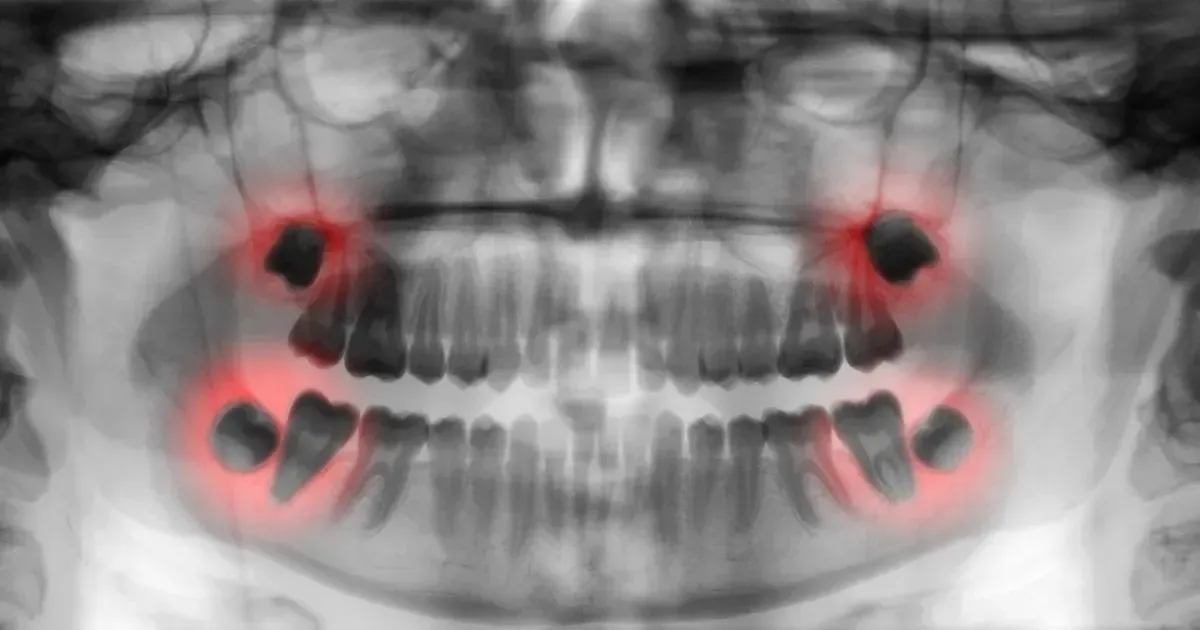
- X-rays when needed: Low-dose digital X-rays help spot hidden decay between teeth and monitor tooth development.
- Early intervention for white spots: Chalky white patches near the gumline can be the first sign of decay. Dentists can use fluoride, remineralising pastes, and guidance to reverse early lesions before they turn into holes.
- Silver diamine fluoride (SDF): In many public clinics, SDF may be used to stop active decay when fillings aren’t possible straight away. It can darken the decayed area but is effective for halting progression.
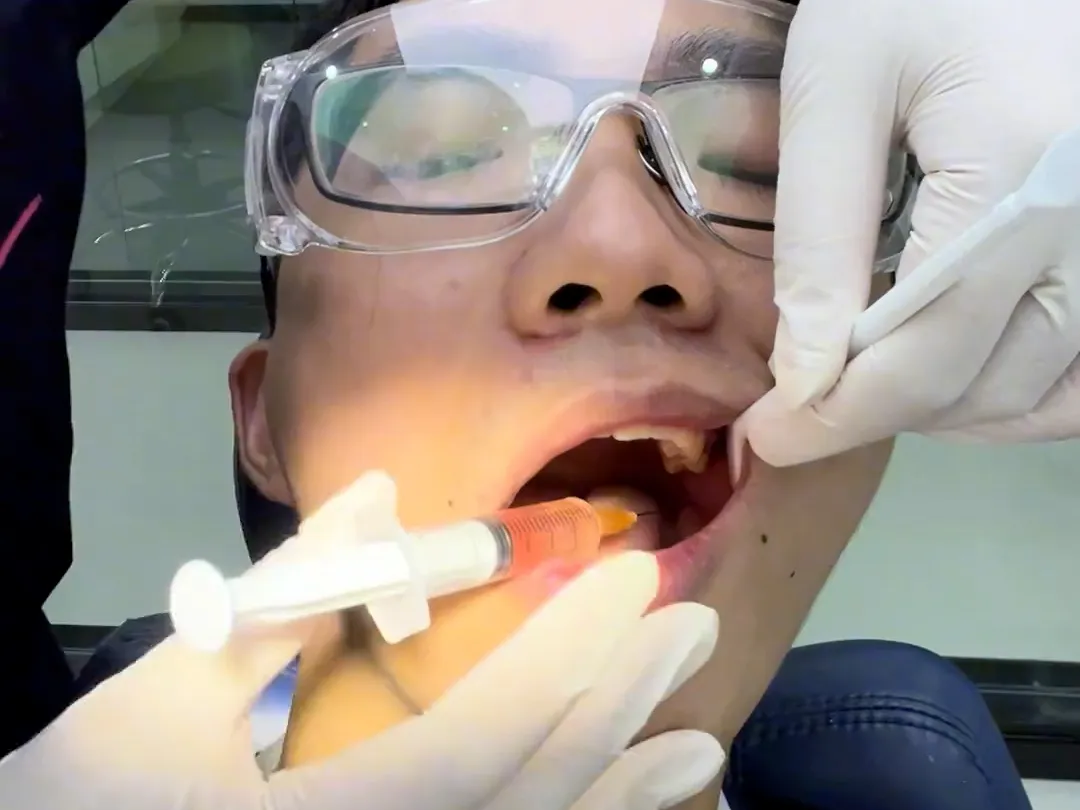
- Behaviour support: Child-friendly clinics use gentle language, positive reinforcement, and sometimes nitrous oxide (laughing gas) to keep anxious kids comfortable.
Navigating care in Thailand
- Public hospitals and community health centres provide preventive dental services for children, often at low or no cost under national health coverage schemes. Many schools also host dental check-ups and fluoride programs.
- Private clinics in Bangkok, Chiang Mai, Phuket, and other major cities offer dedicated pediatric services with shorter waiting times and child-friendly amenities.
- Check credentials and reviews. Look for dentists with pediatric training, check clinic social pages, and ask other parents for recommendations.
- Bring your child at a “happy” time. Avoid scheduling right at nap time or after a long school day. A morning slot on a non-exam day often works best.
- Make the first visit positive. Keep explanations simple (“The dentist will count your teeth and make them shiny”) and avoid words like “pain” or “injection”. Let the dental team do the coaching.
Spot the early signs
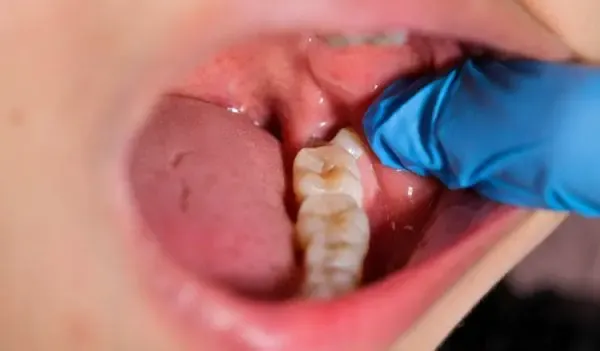
- White, chalky patches near the gumline
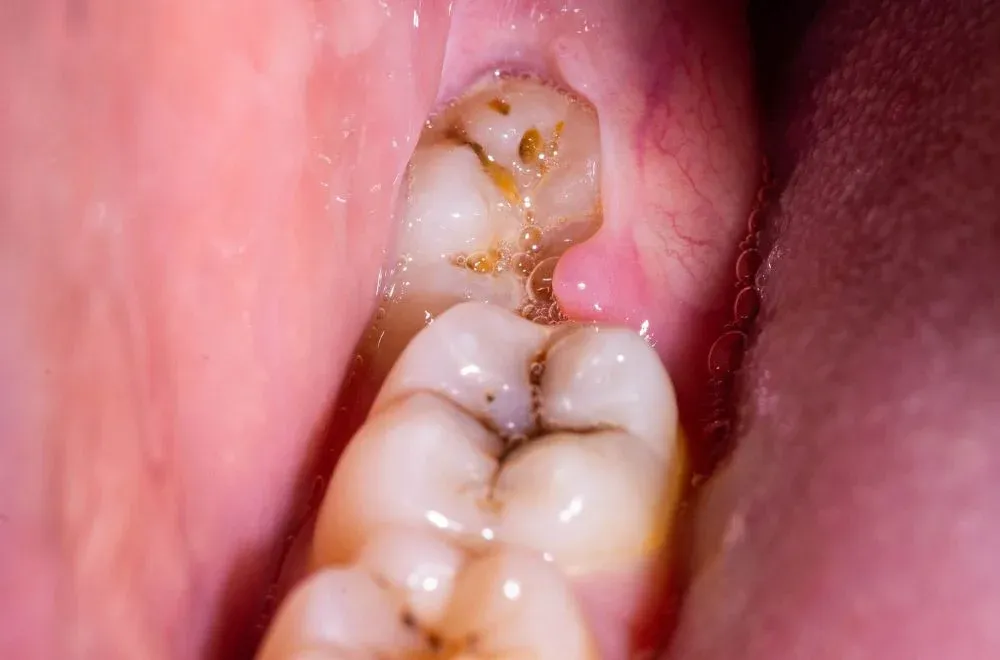
- Brown or dark spots on teeth
- Food packing between teeth, bad breath, or sensitivity to cold/sweet
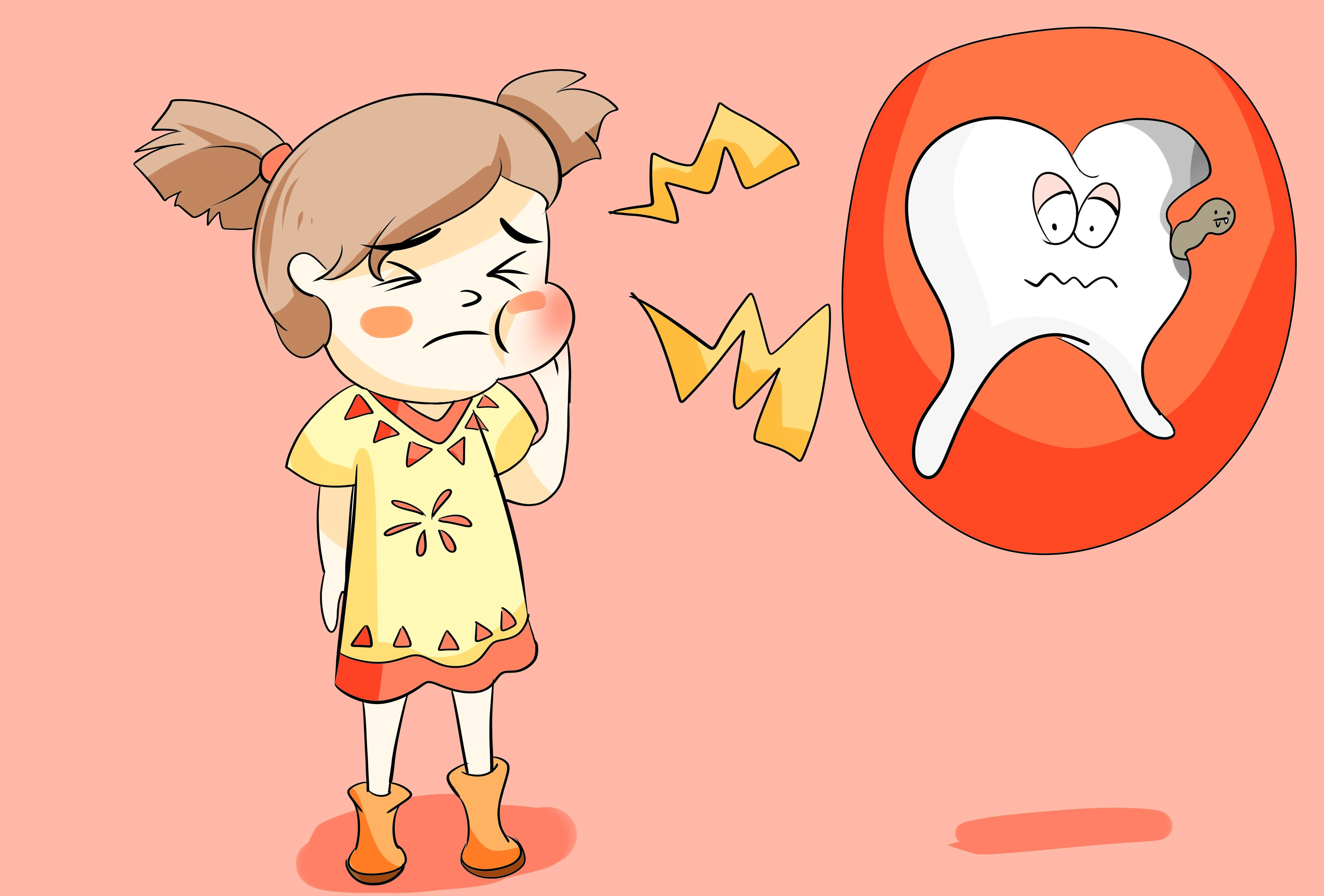
- Complaints of toothache or avoiding chewing on one side
If you notice any of these, book a check-up soon. Early treatment is easier, quicker, and cheaper.
Common questions from Thai parents
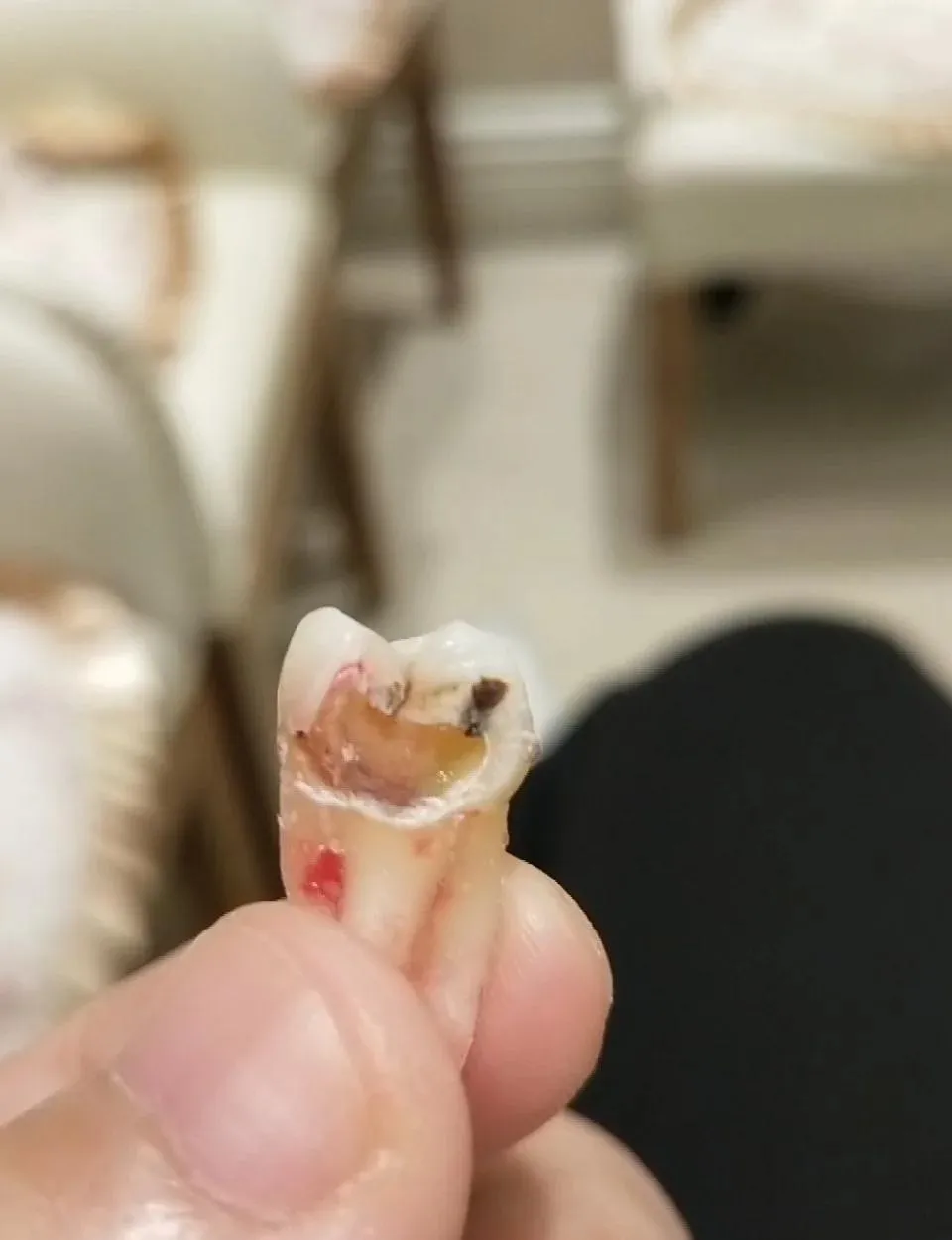
- Are baby teeth really important? Yes. Healthy milk teeth help with speech, chewing, nutrition, and guide permanent teeth into the right position. Untreated decay can lead to pain, infection, and missed school days.
- Is bottled water enough for fluoride? Fluoride levels in bottled water vary and are often low. Rely on fluoridated toothpaste and professional fluoride varnish for consistent protection.
- How much does preventive care cost? Costs vary between public and private settings. Preventive care is generally affordable compared to treating advanced decay, and public facilities often provide essential services at minimal cost.
The bottom line
Preventing tooth decay in Thai children is very achievable with a few steady habits and regular pediatric dentistry care in Thailand. Brush twice a day with fluoride toothpaste, keep sweets to mealtimes, offer water often, and schedule routine check-ups. Whether you visit a public hospital clinic or a private pediatric dentist in Bangkok or upcountry, focusing on prevention now will help your child keep a bright, confident Thai smile for years to come.