Thailand Pediatric Dentistry Care for Childrens First Tooth Visit
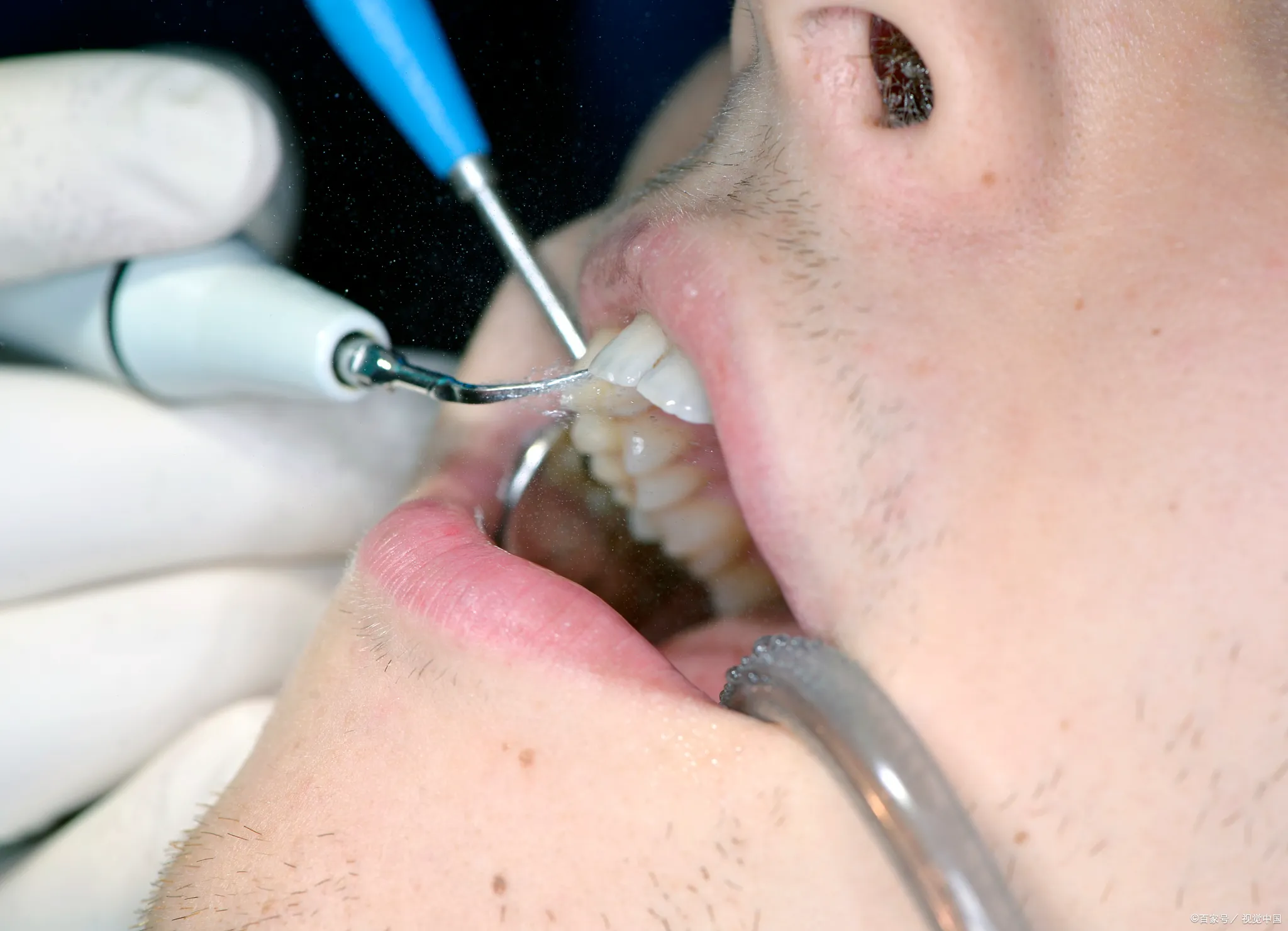
Thailand Pediatric Dentistry Care for Childrens First Tooth Visit
If your baby’s first tooth has just popped through, it’s the perfect time to think about a dental check-up. In Thailand, paediatric dentists recommend a first visit by the first birthday or within six months of the first tooth erupting. It might feel early, but starting young helps prevent early childhood caries, which is common here due to frequent sweet drinks, snacks, and bottle feeding at night. A friendly, early visit helps your child get comfortable with the clinic and sets up healthy habits for life.
Why the first tooth visit matters in Thailand
- Early detection: A paediatric dentist can spot white spots, early decay, or enamel defects before they turn into cavities.
- Local diet realities: Thai iced tea with condensed milk, sweetened soy milk, juices, and popular kanom can bathe teeth in sugar. Guidance tailored to your family’s routine makes a big difference.
- Habits start now: You’ll learn correct brushing, fluoride use, feeding routines, and how to avoid bottle-to-bed habits that cause decay.
- Familiarity reduces fear: A positive first experience makes future check-ups smooth, so your child sees the dentist as a friend, not a fear.
When to book and where to go
Aim for the first check-up by age one. Even with only one or two “milk teeth,” a short visit is worthwhile. In Thailand, you can find paediatric dentists (often called pedodontists) in major cities like Bangkok, Chiang Mai, Phuket, Pattaya, Khon Kaen, and many provincial capitals. Options include:
- Public hospitals and community health centres, which are usually more budget-friendly and focus on essential care.
- Private paediatric dental clinics with child-friendly decorations, play corners, and extended hours after school or on weekends.
Look for clinics registered with the Dental Council of Thailand, and check that the dentist has specific paediatric dentistry training if your child is very young or anxious. Many clinics accept bookings via phone, Facebook, or LINE, which is convenient for busy parents.
What happens during the first tooth visit
The first visit is short and gentle—think of it as a meet-and-greet. Expect:
- A warm welcome and a quick health history check, including birth details, allergies, and feeding and brushing habits.
- A knee-to-knee (lap-to-lap) exam: Mum or Dad will hold the child while the dentist quickly checks the gums, lips, tongue, and teeth. The dentist will count teeth, check eruption order, and look for any white chalky spots or brown marks that hint at early decay.
- Brushing coaching: You’ll get a hands-on demo of how to brush a wiggly toddler’s teeth using a small, soft brush and correct fluoride toothpaste amount.
- Fluoride advice and sometimes fluoride varnish application, especially if the child has risk factors like sweet drinks, frequent snacking, or visible early lesions.
- Feeding and snack guidance tailored to Thai diets: limiting sweetened drinks between meals, moving from bottle to cup by 12–18 months, and smarter snack choices.
- Safety talk: what to do if a child falls and chips a tooth.
- A personalised recall plan, often every 3–6 months at this age, depending on risk.
How to prepare your child (and yourself)
- Choose the right timing: Book when your child is usually fresh and fed, not close to nap time.
- Keep it positive: Use simple words like “tooth check” and avoid scary phrases. Let the dentist lead the explanations.
- Practise at home: A few days before, gently lift the lip to “count teeth” and practise opening wide for a few seconds.
- Bring comfort: A favourite toy, pacifier (for wai
ting room only), or blanket helps.
- Avoid sweet rewards: Promise a playground visit or storytime after, not sweets, to keep the message consistent.
- Complete any online forms in advance to reduce waiting.
Daily home care that works in Thailand
- Start brushing as soon as the first tooth appears. Use a small, soft-bristled brush.
- Fluoride toothpaste is key. Under 3 years: a smear the size of a rice grain. Ages 3–6: a pea-sized amount. Guide your child and help with brushing until at least age 7–8.
- Brush twice daily, especially before bed. After night brushing, offer only plain water.
- Lift the lip monthly to check for white patches near the gumline—early warning signs that need a dentist’s attention.
- Limit frequency of sugary foods and drinks rather than only watching the amount. Frequent sipping on sweet beverages (including Thai milk tea, sweetened soy milk, and fruit juice) is a major risk. Keep sweet drinks to mealtimes, offer water between meals, and choose fresh fruit over sticky sweets.
- Move from bottle to open cup or straw cup by 12–18 months. Avoid putting the child to sleep with a bottle.
- Start flossing when two teeth touch.
- If your child uses medications or vitamins with sugar, ask the dentist about timing and rinsing with water afterward.
Treatments you might hear about
- Fluoride varnish: A quick, painted-on fluoride that strengthens enamel and helps prevent or slow early decay. Widely used in Thai clinics.
- Silver diamine fluoride (SDF): In some clinics, SDF can arrest early decay; it turns the decayed area dark but avoids drilling in very young children.
- Fissure sealants: Later, when molars erupt (around age 6), sealants can be placed to protect grooves from decay.
Costs and access
Fees in Thailand vary by city and clinic. Public hospitals and community health centres are generally more affordable, while private clinics charge more but may offer shorter queues and extra child-friendly facilities. Thai citizens may have coverage for basic dental services at public facilities; check with your hospital or local health centre for details. If you have private insurance, review your dental benefits and panel clinics. For expat families, many international clinics provide English-speaking staff and transparent price lists.
Emergency tips every parent should know
- If a baby tooth is knocked out, do not try to put it back. See a dentist on the same day to check the area.
- If a permanent tooth (usually from age 6+) is knocked out, gently rinse, place it back in the socket if possible, or keep it in milk or the child’s saliva and go to a dentist immediately.
- For lip or tongue cuts that won’t stop bleeding, head to the nearest hospital.
Choosing the right paediatric dentist
A good fit is as important as credentials. Look for:
- Clear communication with parents and a calm, gentle approach with children.
- Prevention-focused care, not just “fixing” problems.
- Practical, Thailand-friendly advice on diet and routines your family can follow.
- Convenient location near BTS/MRT or with parking if you drive, plus workable appointment times.
The bottom line
Thailand offers excellent paediatric dentistry for little ones, and the first tooth visit is your chance to build a lifetime of healthy smiles. Book that first check-up by your child’s first birthday, keep brushing with fluoride, and make small daily changes to cut down on sugary drinks and snacks. With a supportive dentist, sensible Thai-friendly habits, and regular reviews, your child can grow up cavity-free and confident in the dental chair.