Thailand Pediatric Dentistry Clinics Offering Early Dental Screenings
Thailand Pediatric Dentistry Clinics Offering Early Dental Screenings
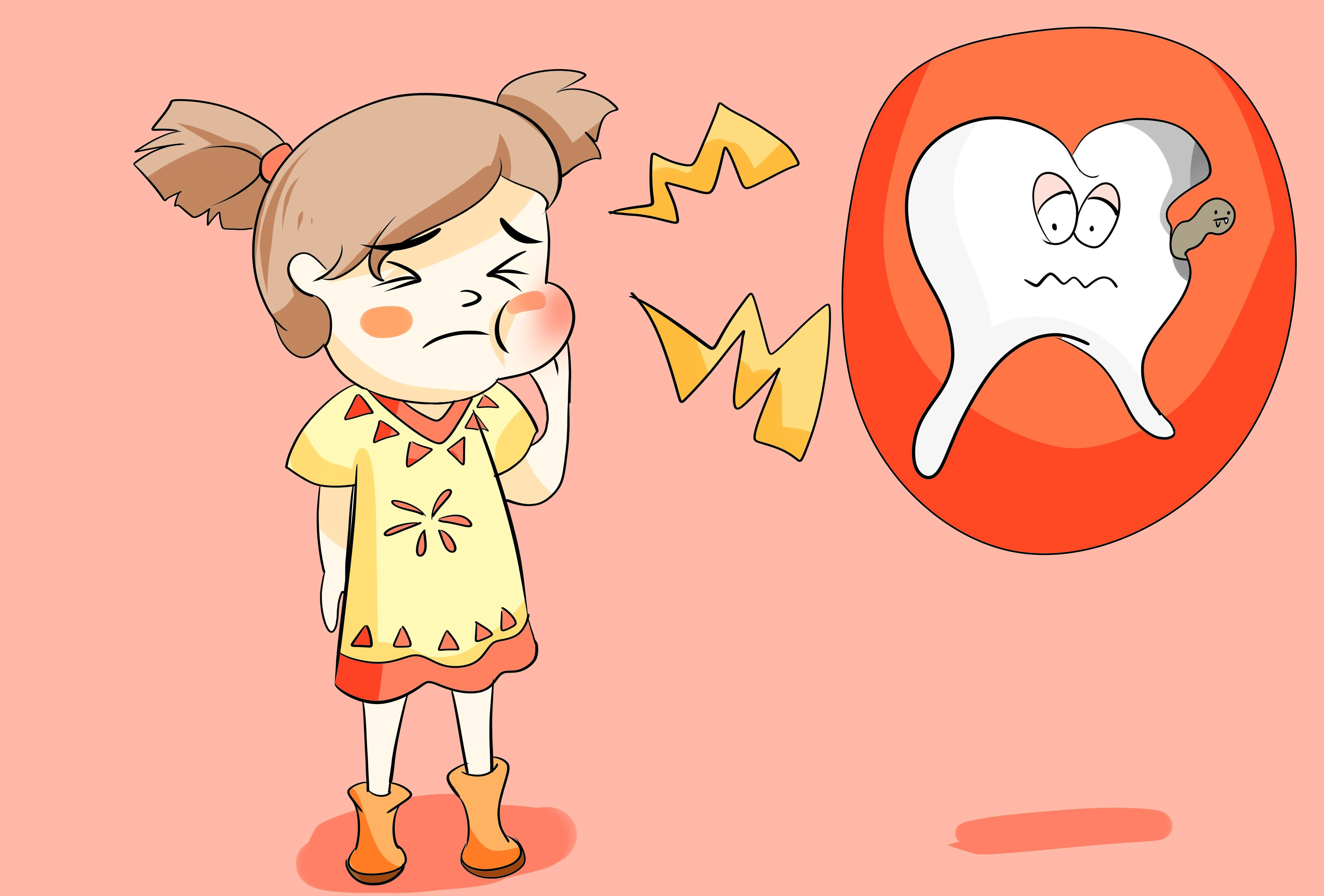
If you’re raising kids in Thailand, you’ve probably heard friends and teachers say, “Start dental check-ups early.” They’re right. Early dental screenings at pediatric dentistry clinics across Thailand help prevent problems like early childhood caries (ECC), support proper jaw growth, and teach healthy habits from the beginning. With sugar in everyday treats—kanom, roti, Thai tea, bubble tea—plus bedtime milk, little teeth can be at risk. The good news: clinics around the country now make early screenings easy, child-friendly, and surprisingly affordable.
Why early dental screenings matter
- Prevention over cure: A quick look by a pediatric dentist can spot weak enamel, early cavities, or bite issues long before they turn into pain or costly treatment.
- Growth and development: Pediatric dentists check how baby teeth erupt, how the jaw is growing, and whether habits like thumb-sucking need guidance.
- Parent coaching: You’ll get practical advice on brushing technique, choosing fluoride toothpaste, snack timing, and bottle/feeding routines suitable for Thai lifestyles.
When to start and how often
- First visit: Aim for the first dental check when the first tooth appears or by your child’s first birthday. Many Thai clinics encourage this timeline.
- Frequency: Most families go every six months. If your child is at higher risk (night feeding, frequent sweets, visible plaque), your dentist may recommend more frequent visits.
What happens during an early dental screening
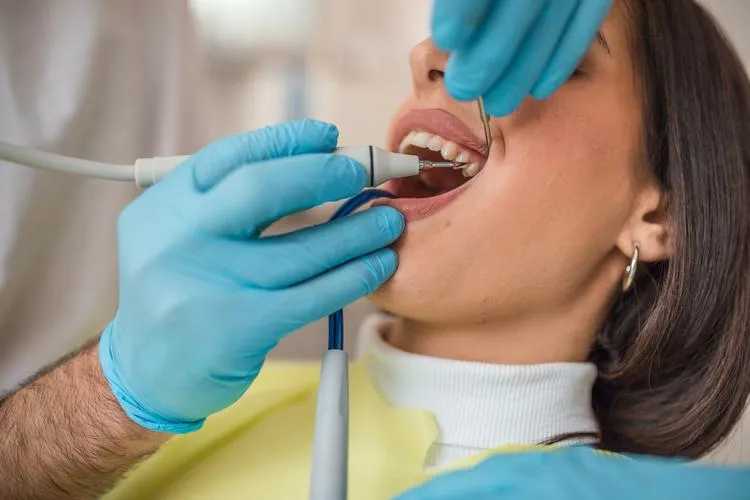
- Gentle mouth check: A quick look at the gums, tongue, and each tooth, usually with your child sitting on your lap the first time.
- Caries risk assessment: Discussion about feeding and snack habits common in Thailand—boxed milk, sticky kanom, after-school treats—and how to balance them.
- Fluoride varnish: A thin, safe coating painted on teeth to strengthen enamel. It takes a minute and is widely offered.
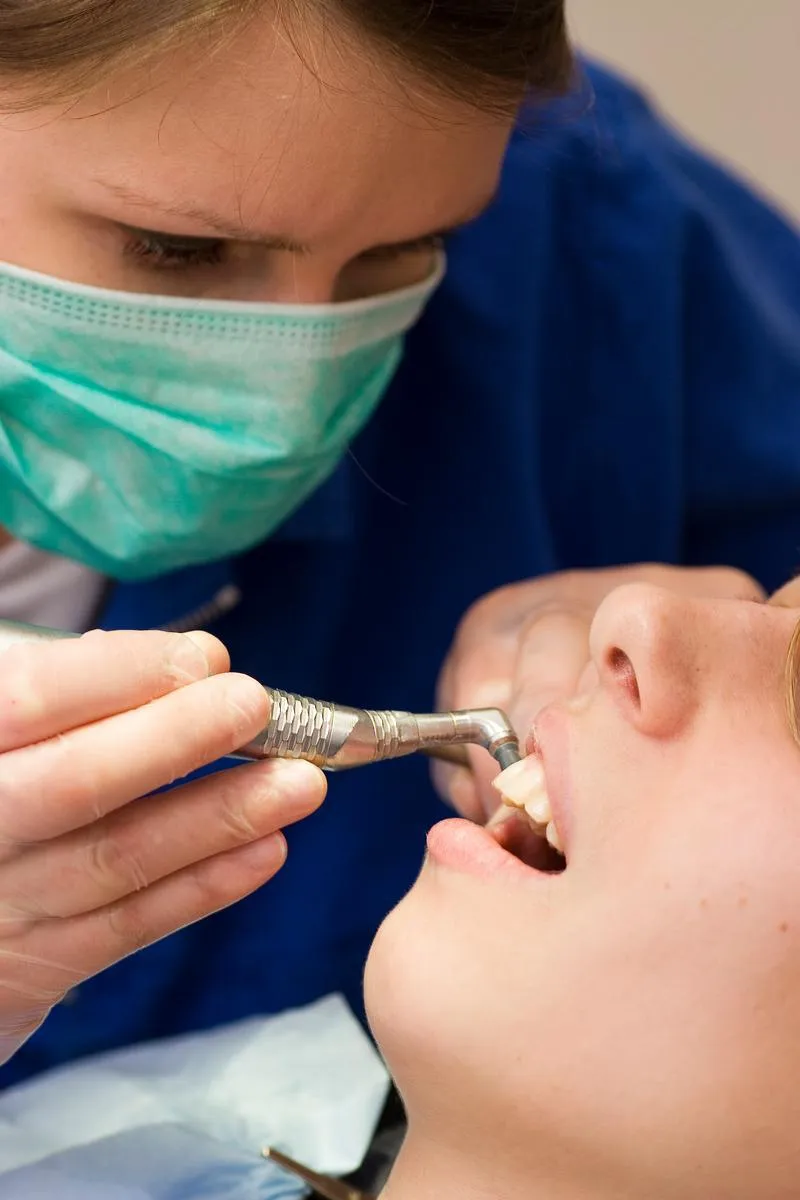
- Cleaning and brushing demo: Light polishing if needed; brushing and flossing tips tailored to your child’s age.
- Bite and spacing review: The dentist checks alignment and may advise on pacifier use or monitoring habits.
- Next steps: A simple plan for home care and the next visit. Sealants for newly erupted molars might be suggested when the time is right.
Where to go in Thailand
Private pediatric dentistry clinics
- Bangkok: You’ll find dedicated pediatric dental clinics in areas like Sukhumvit, Sathorn, Ari, and Thonglor, often near BTS/MRT stations for easy access. Many accept booking via phone or LINE Official Account and have child-friendly play corners and “happy gas” (nitrous oxide) for anxious kids.
- Chiang Mai, Phuket, Pattaya, Khon Kaen: Larger cities and resort areas have clinics with English-speaking staff. Tourist hubs often cater to expat families and offer weekend slots.
University dental hospitals and government hospitals
- Dental schools: Teaching hospitals at universities like Chulalongkorn, Mahidol, and Chiang Mai University provide pediatric services at lower fees, although queues can be longer. Appointments may be during specific clinic hours.
- Public hospitals: Many provincial and community hospitals have dental departments offering screenings, fluoride, and fillings for children. For Thai citizens under the Universal Coverage (Gold Card) or Social Security schemes, some preventive services may be free or low-cost.
Community clinics and outreach
- Health-promoting hospitals and municipal clinics sometimes run “Happy Teeth” days with screenings and fluoride varnish. Ask your local health centre or school.
Typical costs (guide only; varies by city and clinic)
- Early screening/consultation: 300–1,500 THB
- Fluoride varnish: 300–1,200 THB per session
- Sealants (per tooth): 500–1,500 THB
- Cleaning/polishing for young children: 500–1,200 THB
- Happy gas (if needed): charged per session and clinic policy
Private clinics may be at the higher end,
while university and government facilities tend to be more budget-friendly. Payment is usually via cash, card, or QR PromptPay. Always ask for a fee estimate before treatment.
How to choose the right clinic
- Pediatric training: Look for dentists with pediatric dentistry credentials and experience working with very young children.
- Child-friendly setup: Bright spaces, TV screens, and gentle communication make a big difference for first-timers.
- Location and access: Near BTS/MRT or with parking if you’re driving from your moo baan. Consider traffic at school pick-up times.
- Language support: In Bangkok and tourist centres, English-speaking dentists are common; some clinics also have Chinese or Russian support.
- Booking convenience: Many clinics accept appointments by LINE or Facebook. Peak times are weekends and after school—plan ahead during term breaks and before Songkran or long holidays.
- Transparent pricing: Ask about consultation, fluoride, sealants, and any sedation options beforehand.
What you can expect at a kid-focused visit
- Tell-show-do approach: The dentist will explain tools in a friendly way before using them.
- Minimal restraint: If your child is very young, a quick lap exam is standard. For anxious kids, “happy gas” may be offered at some clinics.
- No pressure: If your child needs a few minutes to settle, staff are usually patient. Short, positive first visits build confidence.
Home care tips that work in Thailand
- Fluoride toothpaste: Use a rice-grain smear for under 3 years old; pea-sized amount from 3 to 6, with at least 1,000 ppm fluoride unless your dentist advises otherwise.
- Brushing routine: Twice daily, especially before bed. Parents should brush for younger children.
- Snack timing: Keep sweets to mealtimes, rinse or brush after. For common snacks like kanom, sticky rice treats, or sweet drinks, limit frequency rather than giving small amounts all day.
- Night feeding: If your child has milk at bedtime, brush first and avoid adding sweeteners. Consider moving milk to earlier in the evening as they grow.
- Water habit: Encourage plain water between meals. Many families use bottled water; your dentist can advise on fluoride needs accordingly.
Common questions
Is early screening really necessary if my child has only two teeth?
Yes. The first visit is as much about guidance for parents as it is about examining teeth. It sets healthy habits and reduces future dental costs.
Will insurance cover the visit?
Private health insurance for expat families often includes pediatric dental benefits. For Thai citizens, preventive services may be available at public facilities under government schemes; check with your hospital or insurer.
What if my child is scared?
Choose a clinic known for pediatric care. Ask if they offer acclimatisation visits, desensitisation, or nitrous oxide. Start with a short, positive visit.
When should sealants be applied?
Sealants protect chewing surfaces of permanent molars, usually placed soon after they erupt around age 6 and again for second molars around age 12. Your dentist will check readiness.
Practical booking tips
- School holidays get busy. Book ahead for March–May and October breaks.
- Morning slots often work best for toddlers. Less crowds, less fuss.
- Bring your child’s health book and any previous dental records if available.
- Arrive a bit early to let your child explore the clinic and relax.
Bottom line
Thailand has a strong network of pediatric dentistry clinics—private, university-based, and public—that make early dental screenings straightforward and family-friendly. Start when the first tooth appears or by age one, keep check-ups regular, and choose a clinic that fits your family’s location, language, and budget. With small steps like fluoride varnish, good brushing, and smart snack timing, you’ll give your child stronger teeth and a happier smile for years to come.